Consistent financial reporting is not just a finance hygiene issue. It directly affects how fast leaders can trust numbers, compare business units, explain variances, and make decisions with confidence. In many enterprises, the real problem is not a lack of reports. It is that teams use different KPI definitions, different source logic, different reporting calendars, and different commentary standards.
That creates friction everywhere: monthly close reviews take longer, board packs require manual reconciliation, FP&A spends time re-explaining metrics, and local entities defend numbers that are technically correct but not comparable.
With FineReport + Dora, teams can standardize reporting assets and then upgrade report consumption with AI. Finance users can ask for a report summary in chat, generate structured narratives from trusted report assets, receive scheduled briefings, and push exceptions to the right owner.
Click To Try The Dashboard
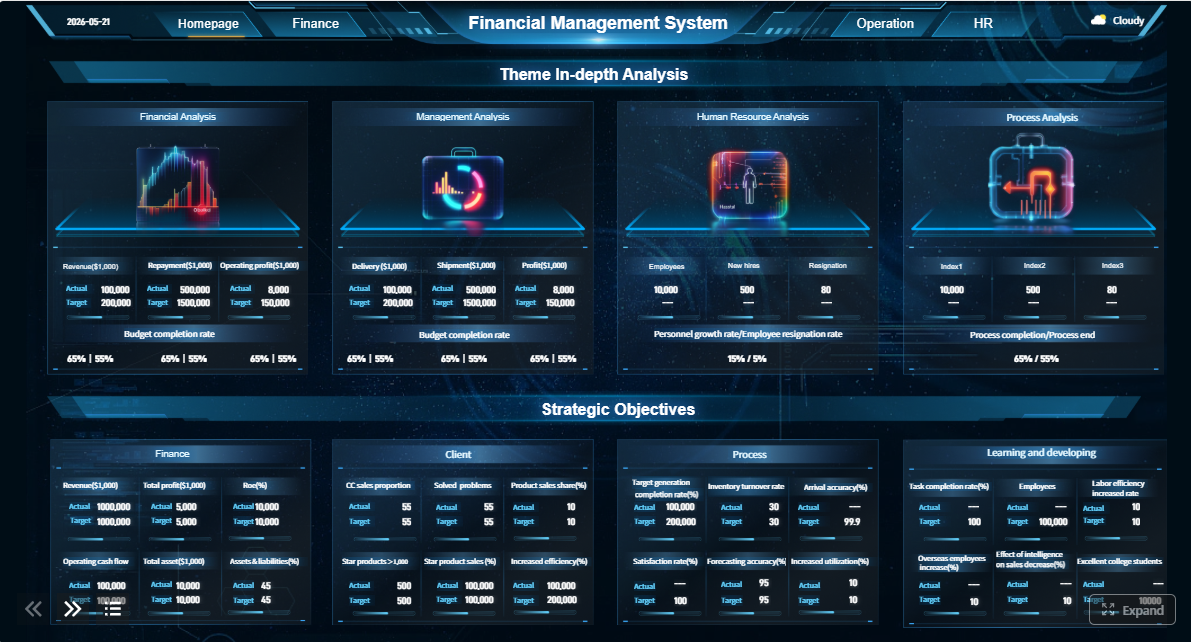
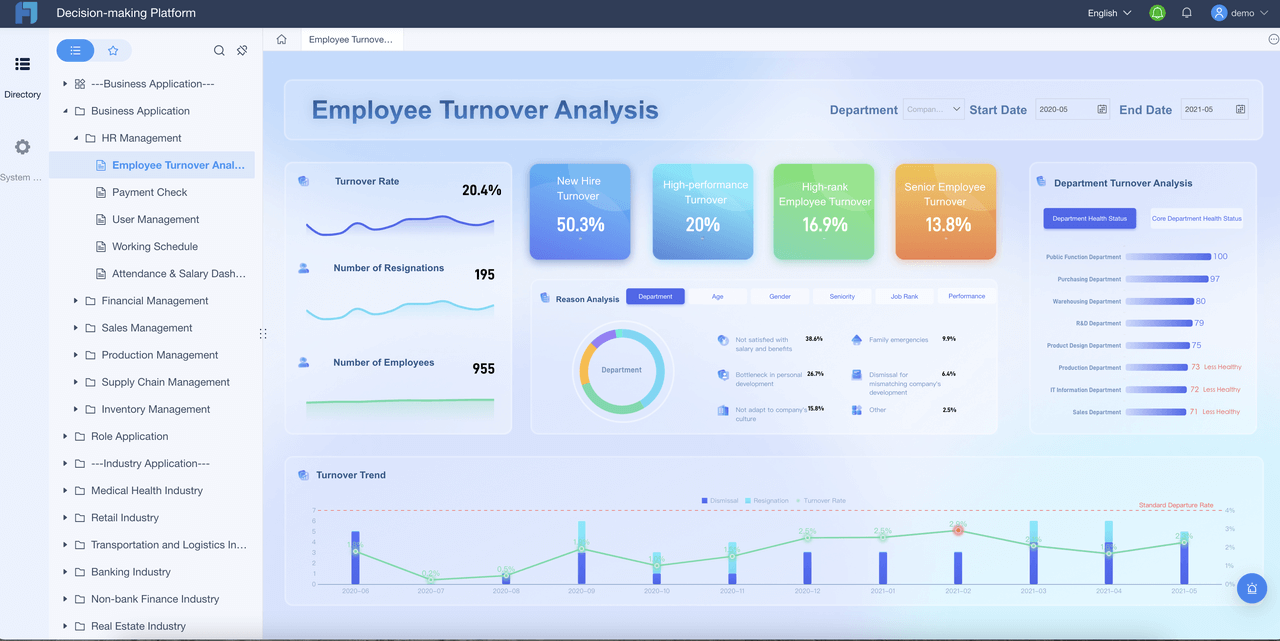
All reports in this article are built with FineReport
What consistent financial reporting means for enterprise finance teams
In practical terms, consistent financial reporting means finance teams work from the same reporting rules even when they operate across multiple entities, regions, or business lines.
A finance organization does not become consistent because every report looks visually similar. It becomes consistent when revenue, margin, operating expense, cash flow, forecast accuracy, and working capital are calculated and explained the same way across the business.
Why consistency matters
Consistency improves finance performance in several ways:
Audit readiness: finance can show how metrics are calculated, reviewed, and approved.
Stronger board communication: management narratives are clearer when metrics and templates are stable.
Cross-entity comparison: business units can be benchmarked fairly across time periods and operating models.
Less reporting rework: teams spend less time fixing mismatches between reports, spreadsheets, and presentations.
For executives, this is concrete ROI. A standardized reporting model reduces the recurring cost of monthly reporting chaos and improves the quality of management review.
Standardization is not over-centralization
A common concern is that standardization will remove local flexibility. It should not.
A practical reporting model separates:
enterprise-wide KPIs that must be comparable everywhere
business-unit-specific metrics that support local management needs
approved exceptions that are documented and visible
For example, group-level EBITDA logic may be fixed across all entities, while a manufacturing division can still include plant utilization and scrap rate in its local operating pack. The point is not to eliminate local insight. The point is to preserve comparability in the core financial layer.
Core components of a practical reporting framework
A usable framework for consistent financial reporting usually has three pillars: standardized KPIs, standardized templates and cadence, and governance with data quality controls.
Standardized KPI definitions
The first requirement is a KPI model that finance, FP&A, accounting, and business leaders all interpret the same way.
Below are the core elements every KPI should include:
Definition: what the metric measures
Calculation logic: formula and inclusion or exclusion rules
Owner: who maintains and approves the metric
System of record: which source system is authoritative
Update frequency: monthly, weekly, daily, or periodic
Approved exceptions: what deviations are allowed and how they are disclosed
Examples:
Revenue: Recognized sales based on approved accounting policy and source posting logic. Business value: Core top-line signal for performance, plan attainment, and board reporting. AI use:Dora can explain period-over-period revenue changes, summarize entity-level gaps, and generate a structured report summary from FineReport revenue reports.
Gross margin: Revenue minus cost of goods sold using approved allocation rules. Business value: Supports pricing, product mix, and operational performance analysis. AI use:Dora can highlight margin compression, identify affected products or regions, and push exception summaries to responsible owners.
Operating expense: Approved operating costs classified under standard account mapping rules. Business value: Enables cost control and functional accountability. AI use:Dora can summarize overspend areas, compare actuals versus budget, and prepare management commentary for monthly reviews.
Operating cash flow: Cash generated from operations using approved cash flow classification rules. Business value: Critical for liquidity planning and capital allocation. AI use:Dora can explain cash flow drivers, flag collection delays, and include cash risk items in a scheduled weekly briefing.
Forecast accuracy: Variance between forecast and actual results using a defined measurement window. Business value: Improves planning discipline and management confidence in forward views. AI use:Dora can track forecast misses, summarize where planning drift is recurring, and support follow-up analysis.
Working capital measures: Such as DSO, DPO, inventory days, and net working capital. Business value: Supports liquidity, process discipline, and operational-financial alignment. AI use:Dora can monitor thresholds, detect abnormal movement, and route alerts to the right business owner.
Standard KPI logic is not enough if each team still tells the story differently. Finance also needs common report structures.
A strong reporting template should include:
fixed sections in the same order
required KPIs and comparison periods
commentary prompts for variance explanation
defined materiality thresholds
sign-off fields and approval status
distribution rules and deadlines
Typical template categories include:
Monthly management pack
Quarterly business review
Board-ready summary
Budget versus actual report
Cash flow and liquidity review
Entity performance pack
A reporting calendar should also align:
close completion dates
data refresh timing
finance review deadlines
business review meetings
executive sign-off
final distribution timing
When this cadence is standardized, teams stop producing reports at different cut-off points with different assumptions.
Data quality controls and governance
Even well-designed templates fail if data quality and governance are weak.
The reporting framework should define:
validation checks before report release
reconciliation to source records
approval paths
version control rules
change management procedures
issue escalation rules
Key governance responsibilities usually sit across several roles:
Finance and FP&A: KPI definitions, templates, variance commentary standards
Accounting: posting logic, close controls, reconciliations
Business unit leaders: explanation of local drivers and corrective actions
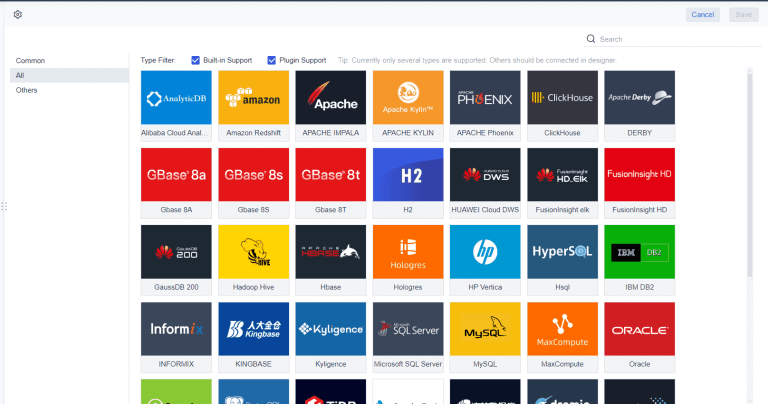
Data owners and IT: source integration, mapping integrity, permission governance, refresh reliability
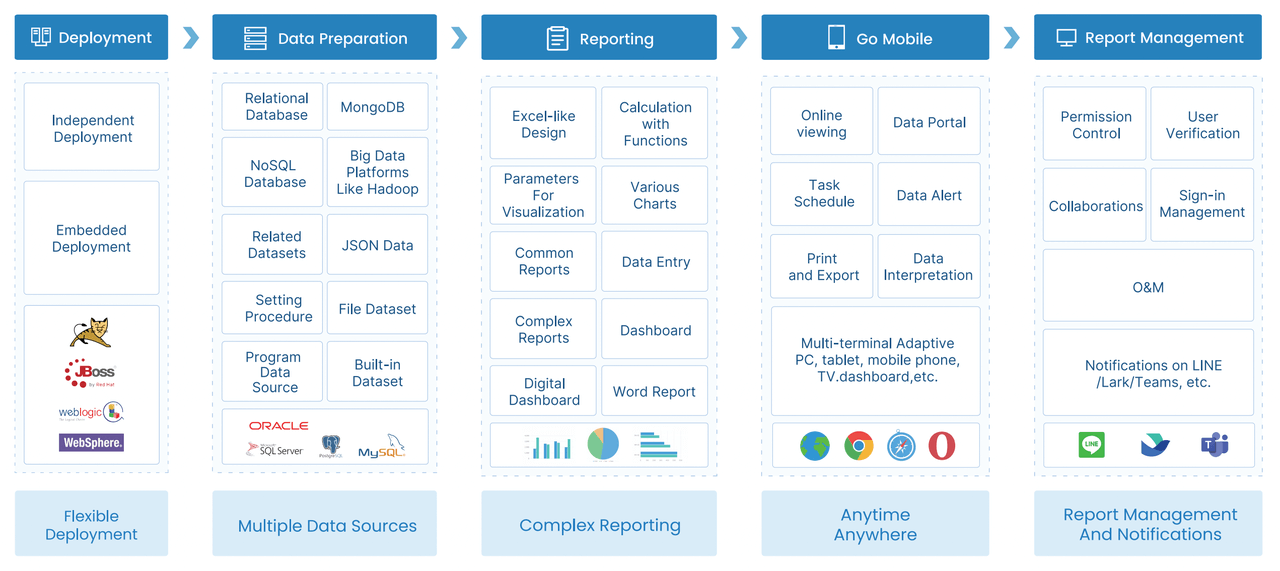
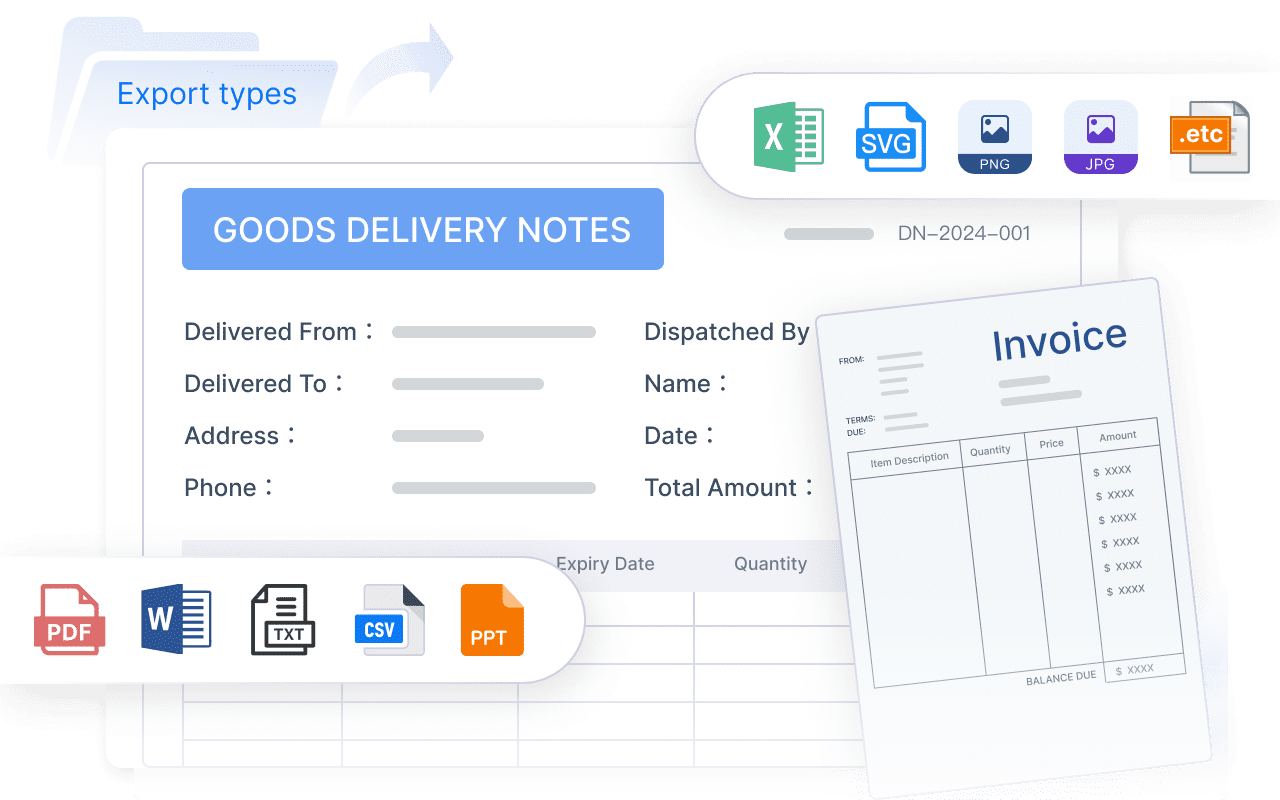
This is also where FineReport becomes important. It helps enterprises turn approved reporting logic into governed, reusable report templates and operational cockpits instead of relying on disconnected spreadsheet versions.
How to design KPI definitions that stay consistent across the business
One of the biggest reasons reporting drifts over time is that KPI definitions exist informally. People "know" how metrics should work, but logic is not captured in a durable, governed structure.
Create a KPI dictionary
A KPI dictionary is the foundation for consistent financial reporting. It should document not only what a metric is, but how it behaves in real reporting scenarios.
For example, a revenue KPI dictionary entry should clarify whether it includes intercompany transactions, whether it is gross or net of discounts, what currency treatment applies, and what happens during manual period-end adjustments.
It is also useful to classify KPIs as:
Enterprise-wide KPIs: must stay identical across all entities
Business-unit-specific KPIs: tailored to local management needs
Derived analysis metrics: used for commentary or supporting analysis
This distinction avoids forcing unnecessary standardization where it does not create value.
Set rules for coding, mapping, and classification
Many reporting inconsistencies begin lower in the stack, especially in account mapping and classification.
To reduce drift, finance should standardize:
chart of accounts mapping
cost center usage
department hierarchies
product and region mappings
reporting classifications
treatment of shared costs and allocations
Manual adjustments also need strict rules. Teams should define:
when manual journals or adjustments are allowed
who can submit them
who approves them
where they appear in reports
how they are disclosed in management commentary
Without this discipline, identical KPI formulas can still produce inconsistent outcomes because underlying mappings differ.
Exceptions are sometimes necessary. Acquisitions, local regulations, restructuring events, and one-off business changes can require special treatment.
The goal is not to ban exceptions. It is to control them.
A good exception policy defines:
when an exception is allowed
who approves it
how long it remains valid
how it is disclosed in reports
whether it affects comparability
what alternative comparable view should be shown
For example, if a newly acquired entity uses a temporary local mapping model for two reporting cycles, management should see both the disclosed exception and the normalized view if required.
A reporting template structure teams can adopt immediately
Most enterprises do not need to invent a reporting structure from scratch. They need a practical model they can standardize and roll out.
Executive summary and decision points
The first section should tell leadership what changed and what requires action.
This section should include:
top financial movements
major risks and opportunities
business drivers behind significant variances
required decisions or escalations
owners and follow-up items
A common mistake is writing long narrative paragraphs with no decision value. Executive summaries should be short, structured, and action-oriented.
With FineReport, finance can standardize this section across monthly and quarterly packs. With Dora, the same section can be drafted as a structured report summary from the approved underlying report assets.
This makes reports faster to read and reduces interpretation errors.
Operational and entity-level detail
After the scorecard, readers often need structured drill-down.
This section can break results down by:
function
business unit
geography
legal entity
product line
customer segment
The key is that local detail should sit under the same core structure. Business units can add context, but they should not reinvent the financial framework every month.
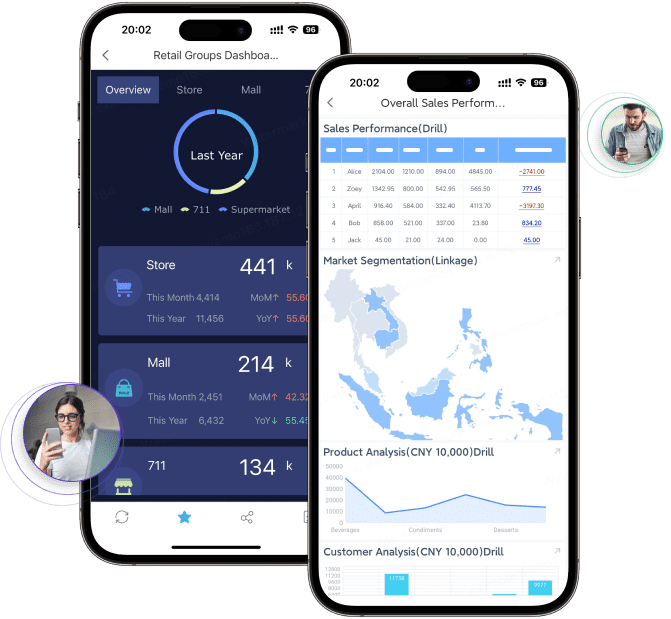
FineReport is especially useful here because it can support formatted reports, complex reports, and operational cockpits that maintain the same structure while allowing role-based detail views.
This is where audit readiness improves significantly. Instead of scattered email trails and spreadsheet versions, teams can maintain a governed reporting process.
How an AI Data Agent Automates Report Consumption
Once finance has standardized KPI definitions and reporting templates, the next bottleneck is report consumption. Executives still ask analysts for summaries. Controllers still explain the same variances repeatedly. FP&A still prepares recurring monthly narratives manually.
This is where Dora, FanRuan’s enterprise Data Agent platform, adds real operational value.
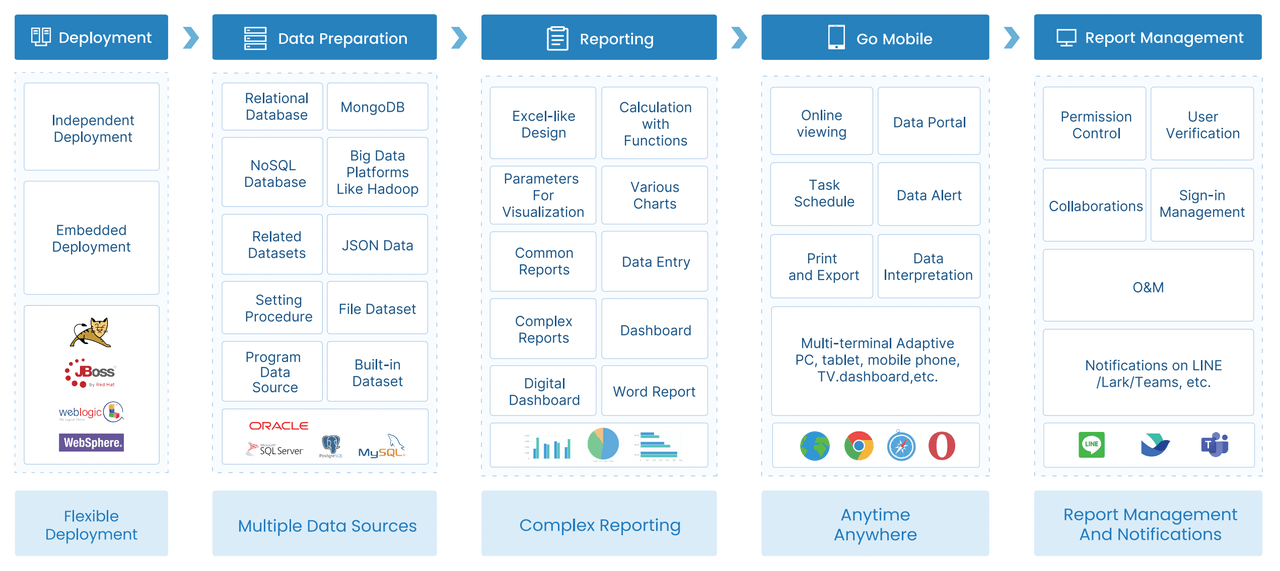
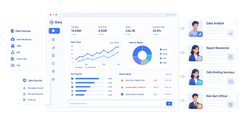
Dora is not a replacement for FineReport. FineReport remains the trusted reporting foundation: formatted reports, management packs, complex reports, operational cockpits, and governed reporting workflows. Dora sits on top of those trusted assets as the AI assistant layer.
Daily Briefing Secretary for scheduled monthly or weekly financial summaries
Risk Alert Officer for threshold breaches, overdue close tasks, or abnormal KPI movement
Data Analyst digital employee for natural-language finance questions over governed report assets
A concrete finance chat example
A finance director might ask:
“Summarize this month’s management report, explain the largest gross margin decline, list entities with operating expense above threshold, and show which items need follow-up before the board pack goes out.”
That request is much closer to real enterprise work than a basic BI query. It requires trusted reports, KPI definitions, thresholds, business context, and follow-up routing.
A typical Dora workflow for consistent financial reporting
Here is how a governed AI workflow can operate:
Retrieve trusted FineReport report or cockpit data Dora accesses the approved management report, KPI scorecard, variance tables, and exception lists built in FineReport.
Understand KPI definitions and business rules Dora uses the trusted semantic layer, report templates, metric definitions, filters, thresholds, and approved business terms to interpret what each number means.
Generate a structured report summary Dora creates a chart-based answer or management-ready narrative, such as gross margin down due to product mix deterioration in two business units and logistics cost overrun in one region.
Detect exceptions and required attention areas Dora identifies threshold breaches, abnormal changes, overdue sign-offs, or unresolved reconciliations relevant to the reporting cycle.
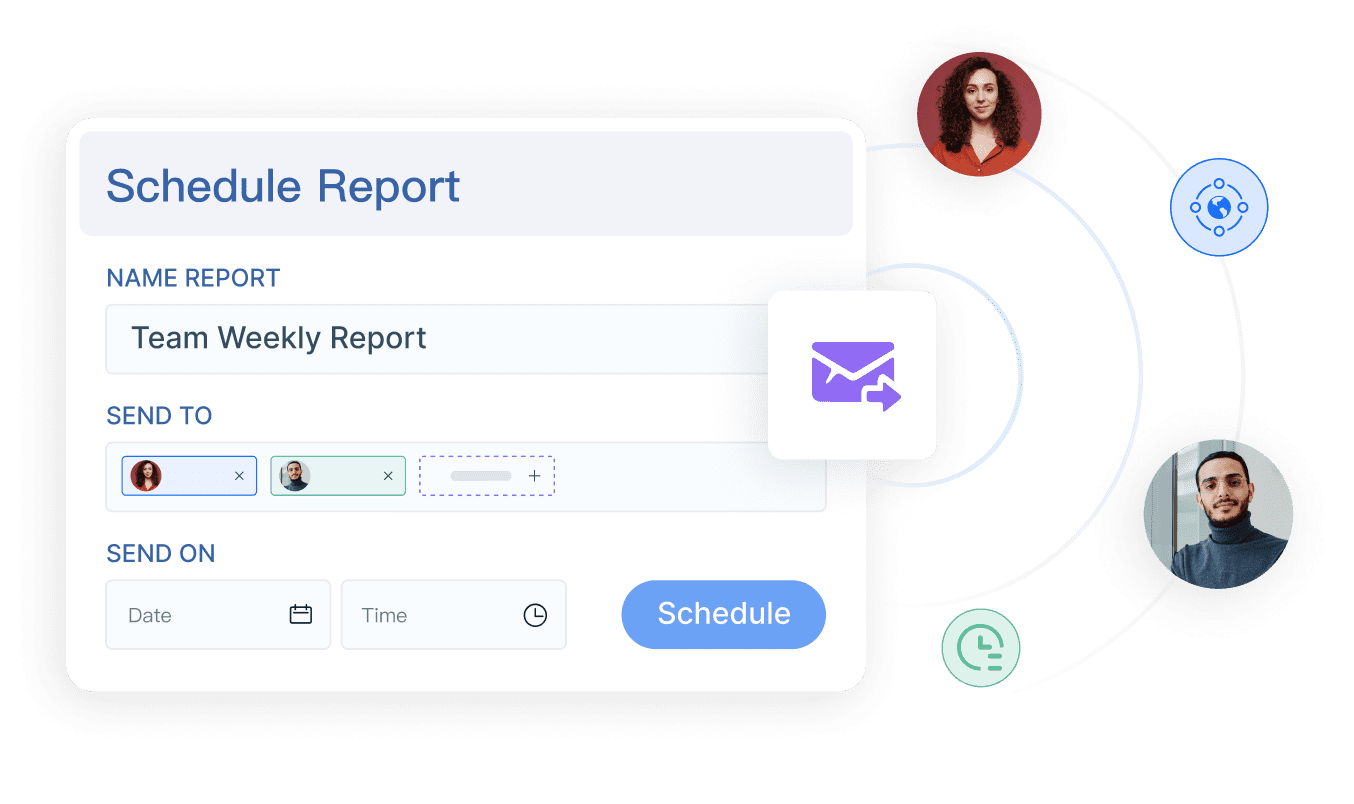
Push summaries and alerts to responsible users Dora can deliver scheduled summaries, exception alerts, and action prompts to finance managers, business owners, or executives.
Create follow-up records for review Dora supports recurring review workflows by producing periodic summaries, pending issue lists, and follow-up visibility for the next finance meeting.
Why FineReport matters to AI reporting quality
AI reporting only lands in an enterprise if the underlying reporting assets are trusted.
Without this layer, AI often pulls from fragmented spreadsheets, inconsistent labels, and conflicting definitions. That leads to impressive demos but weak enterprise adoption.
With FineReport as the reporting foundation, Dora can operate as fourth-generation Agentic BI:
For finance leaders, the value is not “AI writes reports automatically.” The value is more practical:
faster report understanding for executives
less manual summary writing for FP&A
better consistency in management narratives
timely exception pushes to responsible owners
scheduled daily, weekly, or monthly briefing delivery
more controlled and auditable workflows through Skills-based execution
This matters because finance reporting is repetitive, deadline-driven, and governance-sensitive. Dora’s enterprise Data Agent design is better suited to that environment than raw prompt-only agents because it relies on trusted report assets, permissions, semantic rules, and reusable Skills. That generally means better landing capability, stronger control, less token waste, and more stable workflows for recurring reporting scenarios.
Governance practices that keep reporting standardized over time
Even a strong initial rollout can decay if ownership and review discipline are weak.
Define roles, ownership, and review forums
Every metric and reporting artifact needs a named owner.
Typical role assignments include:
Metric owners: maintain KPI logic and definition changes
Template owners: maintain monthly, quarterly, and board report structure
Approvers: sign off on report release and material interpretation
Data owners: maintain source data quality and mapping integrity
Escalation owners: resolve reporting issues, late submissions, and control failures
Organizations should also schedule governance forums such as:
monthly reporting issue reviews
quarterly KPI definition reviews
periodic template refresh sessions
change approval boards for major metric or mapping updates
Build training and adoption into the rollout
Finance frameworks fail when documentation exists but users still work from old habits.
Training should cover:
KPI definitions
report templates
commentary standards
control steps
exception handling
approval workflow expectations
Useful rollout tools include:
quick reference guides
annotated report examples
onboarding packs for new finance staff
sample variance commentary
common error libraries
For AI adoption, training should also show users how to ask Dora scenario-specific questions and how to validate AI-generated summaries against governed reports.
Structured reporting models from public-sector CFR guidance, education finance coding frameworks, and benchmarking examples can be useful reference points because they show the value of standardized definitions, common headings, and consistent submission structures.
However, enterprises should adapt these models carefully. A corporate reporting environment usually requires:
more complex entity structures
management and statutory view alignment
system integration across ERP, planning, and operational platforms
stronger permission design
more scenario-specific workflows
So external examples are best used as design inspiration, not as direct templates.
introduce Dora for summary generation, briefing push, or exception follow-up in the pilot scenario
Actionable best practices
If you want a framework that can actually land, these practices matter most.
Standardize report templates, KPI definitions, business terms, and exception rules first
AI cannot fix inconsistent finance logic. Build a common reporting language before expanding automation.
Build a semantic layer inside the reporting workflow FineReport should reflect approved KPI definitions, templates, thresholds, and role-based views so Dora can retrieve governed answers instead of interpreting raw tables inconsistently.
Treat data quality as part of the AI implementation Dora works best when source mappings, reconciliations, refresh timing, and approval states are clear. Trusted reporting assets are the base layer of reliable AI assistance.
Start with high-value recurring reports instead of automating every finance report
Focus on monthly management packs, board summaries, or working capital reviews where repeated manual effort is high and governance rules are clear.
Preserve permission governance and use human review for AI-generated narratives Dora should respect FineReport access boundaries. Finance leaders should also review AI-generated summaries initially and then expand approved Skills gradually as trust and process maturity improve.
Building this manually is complex. FineReport helps teams standardize trusted reports, operational cockpits, templates, and reporting workflows. Dora turns those assets into an AI assistant that can answer report questions in chat, generate structured summaries, push scheduled briefings, monitor exceptions, and follow up with responsible owners.
For enterprise finance teams, that means a practical path from fragmented reporting to governed, scenario-based AI assistance:
FineReport standardizes the monthly pack, KPI scorecard, variance analysis, and sign-off workflow
Dora turns those trusted assets into a Report Researcher, Daily Briefing Secretary, Data Analyst digital employee, or Risk Alert Officer
Finance leaders get timely report consumption, not just more dashboards
IT moves from manually serving every ad hoc finance question to managing data connections, semantic governance, permissions, report templates, and reusable agent Skills
FineReport + Dora is not only a reporting upgrade; it is a practical fourth-generation Agentic BI path.FineReport provides governed reports and operational cockpits. Dora provides the AI assistant layer for scenario execution, with more controlled Skills, lower token waste, faster execution paths, and more stable workflows than prompt-only agents.
Get Ready-to-Use Dashboard Templates in Fine Gallery
The strongest Dora pitch is scenario + product + service: FineReport provides the trusted reporting foundation, Dora provides the AI digital employee, and implementation service connects data, governance, semantic setup, Skills, report templates, permissions, and rollout.
If your goal is consistent financial reporting that finance teams can actually maintain and leadership can actually trust, this combination is far more practical than adding another disconnected dashboard or experimenting with an unguided AI layer.
It means teams use the same KPI definitions, source logic, reporting calendars, templates, and review rules across entities. The goal is to make financial results comparable, explainable, and trustworthy.
It reduces time spent debating numbers and helps leaders compare like-for-like performance across business units and periods. That leads to faster reviews, clearer variance analysis, and better decisions.
Start by documenting each KPI's definition, formula, owner, system of record, update frequency, and approved exceptions. Then enforce those rules through shared reporting assets and governance workflows.
No, a strong framework keeps core enterprise KPIs consistent while allowing business units to add local operational metrics. The key is to separate mandatory group metrics from approved local reporting needs.
FineReport helps teams build standardized report templates and trusted reporting assets, while Dora adds AI-powered summaries, commentary, and exception alerts. Together they make reporting more consistent and easier to consume.
Product Trial
FineReport
Pixel-perfect reports · Interactive dashboards · Easy data entry · Digital twins