Navigating California’s SB-253 and SB-261 isn't just another compliance exercise—it's a strategic transformation. For executives, operations directors, and finance managers, the 2025 and 2026 deadlines represent a significant operational challenge: moving from manual, error-prone data collection to a system that delivers accuracy, auditability, and strategic insight. The traditional approach of spreadsheets and siloed reports is no longer viable. With FineBI + Dora, enterprises can build a trusted BI foundation for their ESG data and deploy an AI Data Agent to automate the reporting workflow, turning a complex compliance burden into a source of competitive intelligence and stakeholder trust.
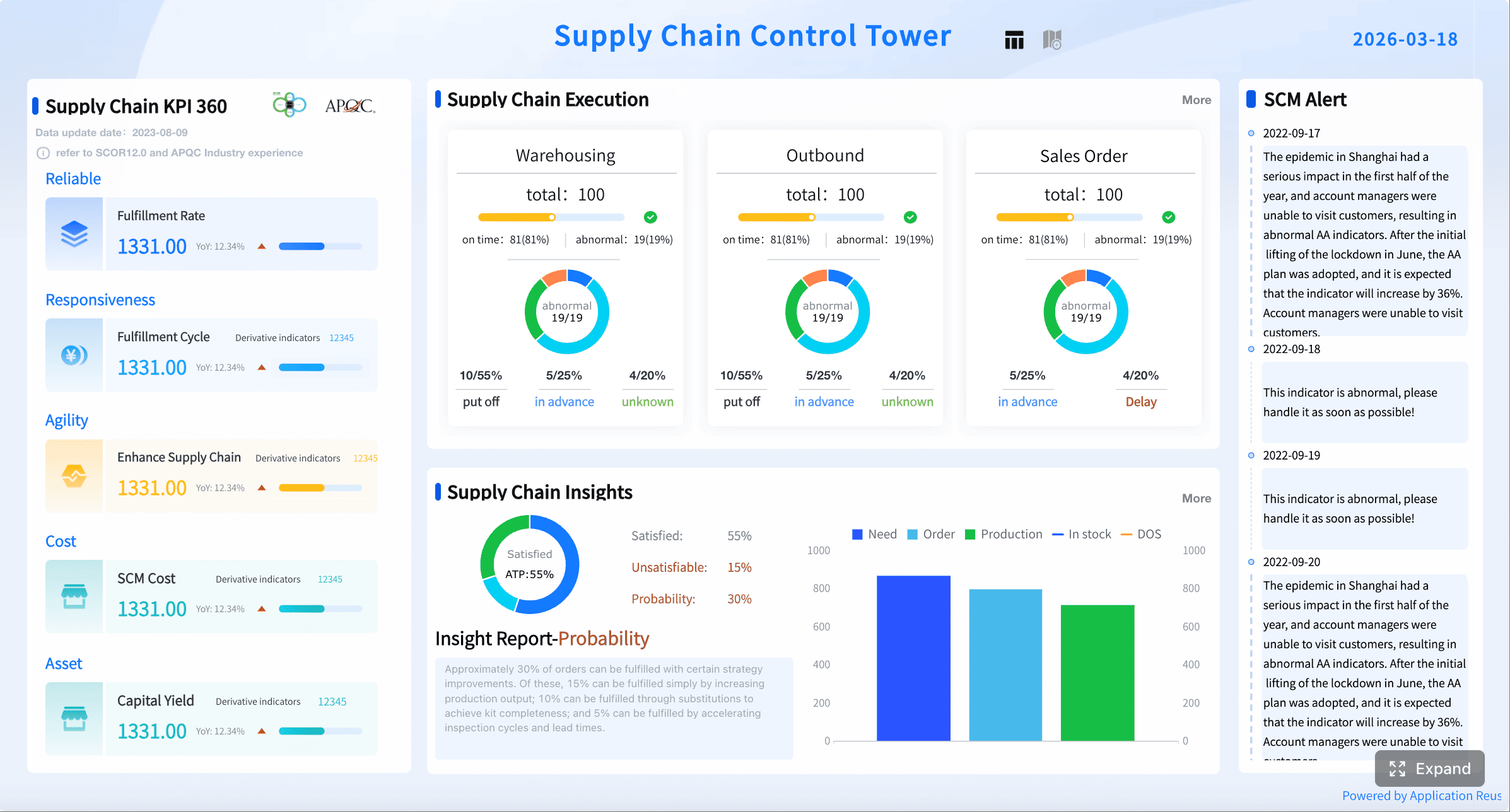
This dashboard displays Jiaxuan Trading’s raw material procurement data covering total spend, supplier shares, material quality, delivery speed and purchase prices.
Introduction to California SB-253 & SB-261
California has set a new standard for corporate transparency in the United States with Senate Bills 253 and 261. These laws mandate rigorous, public disclosure of climate-related data and risks for thousands of companies doing business in the state.
SB-253, the Climate Corporate Data Accountability Act, requires entities with over $1 billion in annual revenue to publicly disclose their greenhouse gas (GHG) emissions. Reporting begins with Scope 1 and Scope 2 emissions in 2026, followed by the notoriously complex Scope 3 emissions (the entire value chain) in 2027.
SB-261, the Climate-Related Financial Risk Act, applies to companies with over $500 million in revenue. Starting in 2026, it requires biennial public reports detailing climate-related financial risks and the measures taken to mitigate them.
For enterprise leaders, this isn't a distant future concern. The preparation cycle for accurate, auditable data collection begins now. Success requires more than just compiling numbers; it demands a governed, automated, and insight-driven process. This is where moving from manual reporting to an Agentic BI approach—combining trusted dashboards with AI-driven workflows—becomes critical. With FineBI + Dora, business teams can manage compliance data through interactive dashboards and then leverage an AI assistant to query metrics, generate report summaries, monitor for anomalies, and push actionable insights, ensuring readiness for every deadline.
Why Manual ESG Reporting Falls Short for California Compliance
Relying on spreadsheets, emailed surveys, and fragmented databases to meet SB-253 and SB-261 standards introduces unacceptable levels of risk and inefficiency. For a mandate requiring third-party assurance and public disclosure, manual processes are a direct threat to corporate credibility.
The Inefficiencies of Spreadsheet-Based Tracking
The core data for ESG reporting—utility bills, fuel logs, supply chain surveys, travel data—is inherently dispersed across departments, regions, and even external partners. A manual process creates a monumental, recurring burden:
Time-Consuming Collection: Months of effort each cycle are wasted on chasing data points, reconciling formats, and correcting human errors.
Lack of Audit Trail: Spreadsheets offer poor version control and traceability, making it difficult to prove data lineage during assurance audits.
Static Analysis: Data locked in static files cannot be easily explored for trends, root-cause analysis, or scenario modeling, missing the strategic value within compliance data.
Risks of Errors and Non-Compliance
The consequences of inaccuracies are severe under these new laws.
Regulatory and Reputational Damage: Errors in public disclosures can lead to regulatory penalties and accusations of greenwashing, eroding hard-earned stakeholder trust.
Missed Strategic Insights: When the process is purely a data dump, companies fail to derive actionable intelligence from their emissions and risk data, such as identifying the most carbon-intensive business units or supply chain vulnerabilities.
Resource Drain: The manual cycle perpetually consumes valuable analyst and management time that could be directed toward strategic decarbonization initiatives.
This broken model highlights the need for a system that not only centralizes and visualizes data but also actively works with it. This is the shift from passive dashboards to active, AI-assisted governance.
A Step-by-Step Guide to Automating Your ESG Reporting
Transitioning to automated ESG reporting is a strategic project that aligns data governance, technology, and process. Here’s a pragmatic roadmap.
Assessing Your Current Data and Processes
Begin with a materiality and data gap analysis. Identify all data sources required for Scope 1, 2, 3 emissions and SB-261 risk factors. Map this against your current capabilities, noting all manual handoffs, data silos, and calculations performed in spreadsheets. This assessment defines the scope of your automation project and the necessary semantic layer—a unified business definition of metrics like "Scope 2 Market-Based Emissions" that both your BI tools and AI agents must consistently use.
Selecting the Right Automation Tools or Services
The right platform must do two things: provide a solid foundation for data modeling and visualization, and enable intelligent automation on top of it.
The BI Foundation (FineBI): You need a tool to connect to all data sources, model the complex calculations for GHG protocols, build trusted, single-source-of-truth dashboards for emissions performance, and establish a governed semantic layer so that every KPI has one clear definition.
The AI Automation Layer (Dora): This is where automation becomes intelligent. An enterprise Data Agent like Dora acts on top of the FineBI foundation, automating the workflow from data retrieval to insight delivery. It transforms the BI asset into an active participant in the reporting cycle.
Implementing and Testing Your Automated System
Start with a pilot for a specific, high-value scope, such as Scope 1 emissions from owned facilities or a key financial risk category from SB-261.
Use FineBI to build the definitive dashboard for this data, ensuring calculations are correct and visualizations are clear.
Configure Dora's relevant digital employee (e.g., the Report Researcher or Risk Alert Officer) with the Skills to access this dashboard, understand the KPIs, and execute tasks.
Test end-to-end: from data ingestion to a Dora-generated summary or alert. Validate against manual calculations and conduct dry-runs for the disclosure report sections. This phased approach de-risks the implementation and demonstrates quick wins.
Key Elements of ESG Reporting Under SB-253 & SB-261
Understanding the specific requirements is essential for building the correct data models and KPIs in your BI system.
Scope 1, 2, and 3 Greenhouse Gas Emissions
Scope 1 (Direct Emissions): Emissions from owned or controlled sources (e.g., company vehicles, on-site furnaces).
Business value: Directly controllable, often the first target for reduction initiatives.
AI use:Dora can retrieve real-time Scope 1 totals by facility from FineBI dashboards, include them in executive briefings, and alert operations directors if monthly values deviate from forecasted reduction pathways.
Scope 2 (Indirect Energy Emissions): Emissions from the generation of purchased electricity, steam, heating, and cooling.
Business value: Highlights energy efficiency and renewable energy procurement opportunities.
AI use:Dora, as a Daily Briefing Secretary, can push a weekly summary of Scope 2 intensity (emissions per revenue) to the sustainability team, citing the underlying FineBI trend charts.
Scope 3 (Value Chain Emissions): All other indirect emissions (e.g., purchased goods, business travel, waste).
Business value: Often represents the largest emissions footprint and the greatest supply chain risk.
AI use:Dora's Data Analyst can help procurement managers query emissions by supplier category via chat, generating a dashboard-style analysis view from the FineBI semantic layer to prioritize engagement.
Climate-Related Financial Risks and Governance
Physical Risks: Financial impacts from acute (floods, fires) and chronic (sea-level rise) climate events.
Transition Risks: Financial impacts from policy, legal, technology, and market changes (e.g., carbon taxes, stranded assets).
Business value: Informs long-term strategy, capital allocation, and resilience planning.
AI use:Dora's Risk Alert Officer can be configured to monitor related KPIs in FineBI dashboards (e.g., percentage of assets in high-water-stress regions). It can detect threshold breaches and push an alert with the relevant dashboard snapshot to the CFO and risk committee.
Deadlines and Submission Requirements for 2025
While initial reporting deadlines are in 2026, 2025 is the critical preparation year. Companies must have their data collection and calculation methodologies finalized. An automated system is not a luxury; it's a necessity to run a full year of reliable data through the process, identify gaps, and ensure a smooth, audit-ready submission when deadlines arrive.
This dashboard monitors carbon emissions, energy usage and production energy efficiency.
How an AI Data Agent Handles This Scenario
Manually compiling the SB-261 report or validating Scope 3 data is a task ripe for AI augmentation. This is not about a generic chatbot, but a governed digital employee built for enterprise data work.
Consider this request from a Chief Sustainability Officer preparing for a board meeting: “Show me a summary of our top three Scope 3 categories for last quarter, the trend versus target, and any high-risk suppliers flagged for follow-up.”
A manual process would require an analyst to juggle multiple dashboards and spreadsheets. With FineBI + Dora, the workflow is automated:
Retrieve:Dora’s Report Researcherdigital employee accesses the trusted FineBI dashboards and semantic layer where Scope 3 categories are modeled and governed.
Understand: It interprets the query, applying business rules for “top three” (by CO2e volume) and “high-risk” (based on predefined scorecards in the data).
Generate:Dora produces a concise, chart-based answer in the chat interface, including a mini-trend chart for each category and a table of flagged suppliers, all sourced from the live FineBI data.
Analyze & Push: It can further analyze the trends against annual reduction targets. If a category is severely off-track, Dora can automatically draft an alert for the procurement owner, suggesting a review meeting.
Summarize: Finally, Dora can compile this analysis into a formatted summary section, ready for inclusion in the board deck or the draft SB-261 report.
This transforms the compliance officer from a data gatherer into an insight-driven strategist. FineBI provides the auditable metric foundation, and Dora provides the AI assistant layer that executes the workflow—retrieving, analyzing, summarizing, and pushing—with far greater speed, control, and stability than prompt-only agents.
Benefits of Automated ESG Reporting for Businesses
Implementing a system like FineBI + Dora delivers value far beyond checking a compliance box.
Improved Accuracy and Reduced Operational Burden
Automation minimizes human error in data aggregation and calculation. A governed semantic layer in FineBI ensures every report and AI-generated answer uses the same formula. This directly reduces the operational cost and timeline of the reporting cycle by an order of magnitude, freeing your team for higher-value analysis and strategy.
Enhanced Stakeholder Trust and Competitive Advantage
Timely, accurate, and transparent disclosures build credibility with investors, customers, and regulators. More importantly, the underlying system provides the analytical firepower to turn compliance data into competitive intelligence. You can identify emission hotspots faster, model decarbonization scenarios, and proactively manage climate risks—all within the same platform used for reporting.
Actionable Best Practices
Govern Your Metrics Before You Automate: Use FineBI to build a centralized, governed semantic layer. Define every KPI (e.g., "Scope 2 Location-Based Emissions"), its calculation, data sources, and ownership. This is the single source of truth for both dashboards and AI agents.
Start with High-Frequency, High-Impact Workflows: Don't try to automate the entire annual report at once. Pilot Dora on a recurring, painful task—like the monthly emissions performance briefing for leadership or the monitoring of key risk indicators for SB-261. Demonstrate ROI quickly.
Treat Your AI Agent as a Governed Digital Employee: Configure Dora's Skills with clear boundaries. It should respect the same data permissions as users in FineBI. Establish human-review steps for AI-generated report drafts initially, expanding autonomy as confidence grows.
Integrate Data Quality into the Workflow: Build data validation checks into your FineBI data pipelines. Configure Dora's Risk Alert Officer to notify data stewards of anomalies in source data feeds (e.g., a facility's energy consumption spiking by 200%), ensuring issues are caught upstream.
Plan for the Audit Trail: Ensure your automated workflow, from data point in source system to AI-generated summary, is documented and traceable. FineBI provides lineage for calculations, while Dora's Skill execution logs provide an audit trail for the AI's analysis path, crucial for third-party assurance.
FineBI + Dora Solution Pitch
Building a resilient, automated ESG reporting engine from scratch is a complex integration challenge. FineBI solves the first half: it empowers teams to connect to all data sources, model complex GHG calculations, build interactive compliance dashboards, and—critically—establish a governed semantic layer of trusted metrics.
Dora solves the second half: it turns that BI foundation into an active AI assistant. Dora acts as your Report Researcher, compiling data into draft disclosures; your Risk Alert Officer, monitoring for threshold breaches; and your Daily Briefing Secretary, keeping executives informed. Together, they form a practical fourth-generation Agentic BI solution. FineBI provides the governed metrics and visual analysis. Dora provides the AI layer for scenario execution, with more controlled Skills, lower operational friction, and more stable workflows than attempting to build this intelligence from scratch.
The path to compliant, strategic ESG reporting is scenario + product + service: FineBI provides the trusted BI foundation, Dora provides the AI digital employee for automation, and expert implementation ensures your data, governance, and workflows are seamlessly connected.
Looking Ahead: The Future of ESG Compliance
California’s laws are just the beginning. Similar mandates are emerging in New York, the EU (CSRD), and globally. The companies that thrive will be those that treat ESG data as strategic operational data, integrated into their core analytics and decision-making loops. The goal shifts from mere reporting to predictive risk management and strategic opportunity identification, powered by a unified BI and AI platform.
Conclusion and Next Steps
The deadlines for SB-253 and SB-261 are fixed. The choice is how you meet them: with a costly, risky, manual scramble, or with an automated, intelligent system that turns compliance into insight. The time to act is now. Begin by assessing your data gaps and exploring how an Agentic BI approach can transform your process.
Companies with over 1billioninrevenuemustreportScope1and2emissionsstartingin2026,withScope3addedin2027.Companieswithover500 million must file their first climate risk report under SB-261 in 2026.
SB-253 mandates the public disclosure of greenhouse gas emissions data. SB-261 requires companies to publicly report their climate-related financial risks and mitigation strategies.
Manual processes using spreadsheets are error-prone, lack an audit trail, and cannot provide the accuracy and assurance required for public, third-party-verified disclosures under these laws.
Scope 1 and 2 cover a company's direct emissions and indirect emissions from purchased energy. Scope 3 includes all other indirect emissions from its value chain, which are complex to calculate but required starting in 2027.
Platforms like FineBI provide a governed foundation to centralize data, model complex calculations, and create dashboards. When combined with AI automation, they can streamline data collection, validation, and report generation.
Product Trial
FineReport
Pixel-perfect reports · Interactive dashboards · Easy data entry · Digital twins


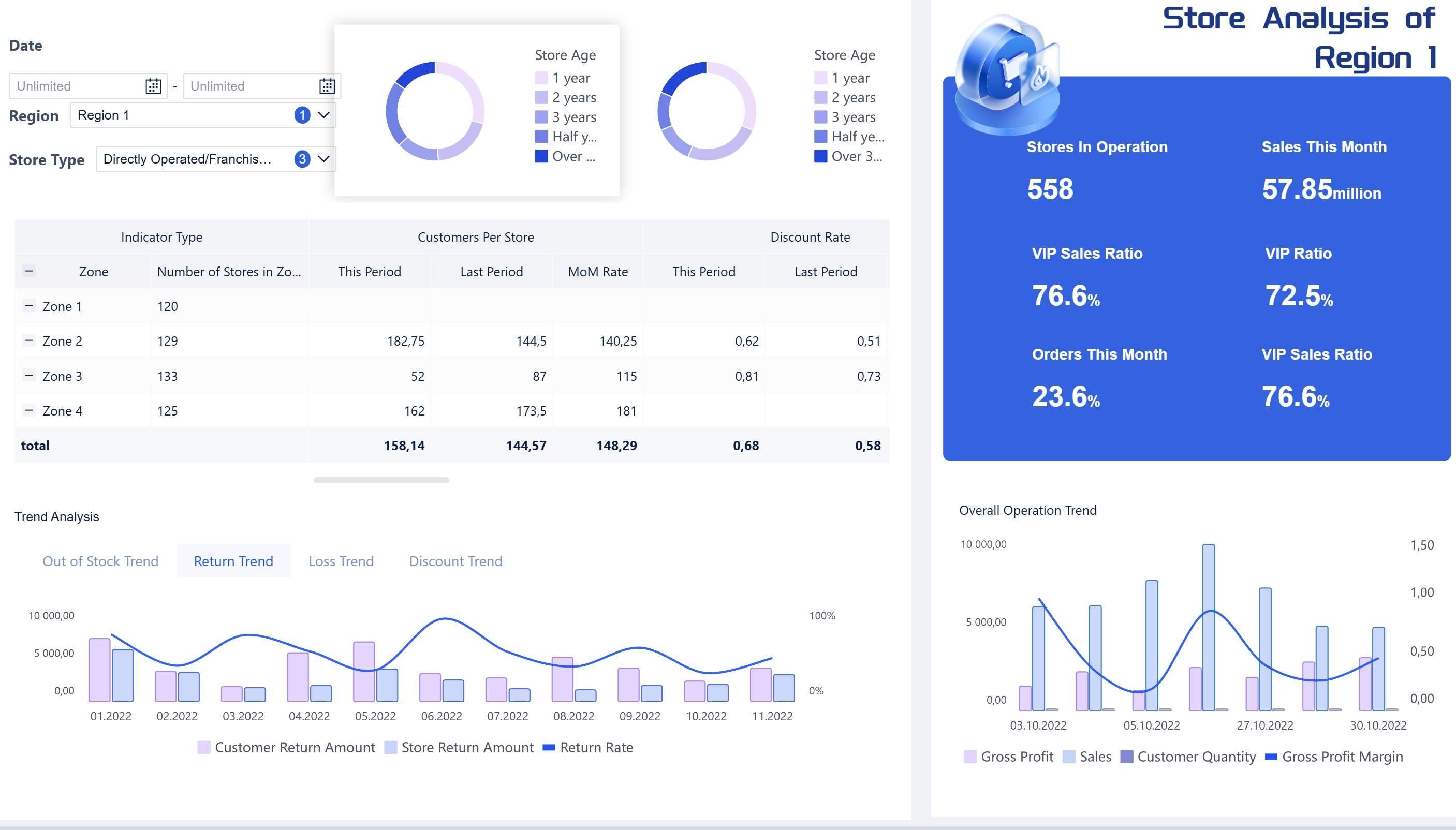 This dashboard displays Jiaxuan Trading’s raw material procurement data covering total spend, supplier shares, material quality, delivery speed and purchase prices.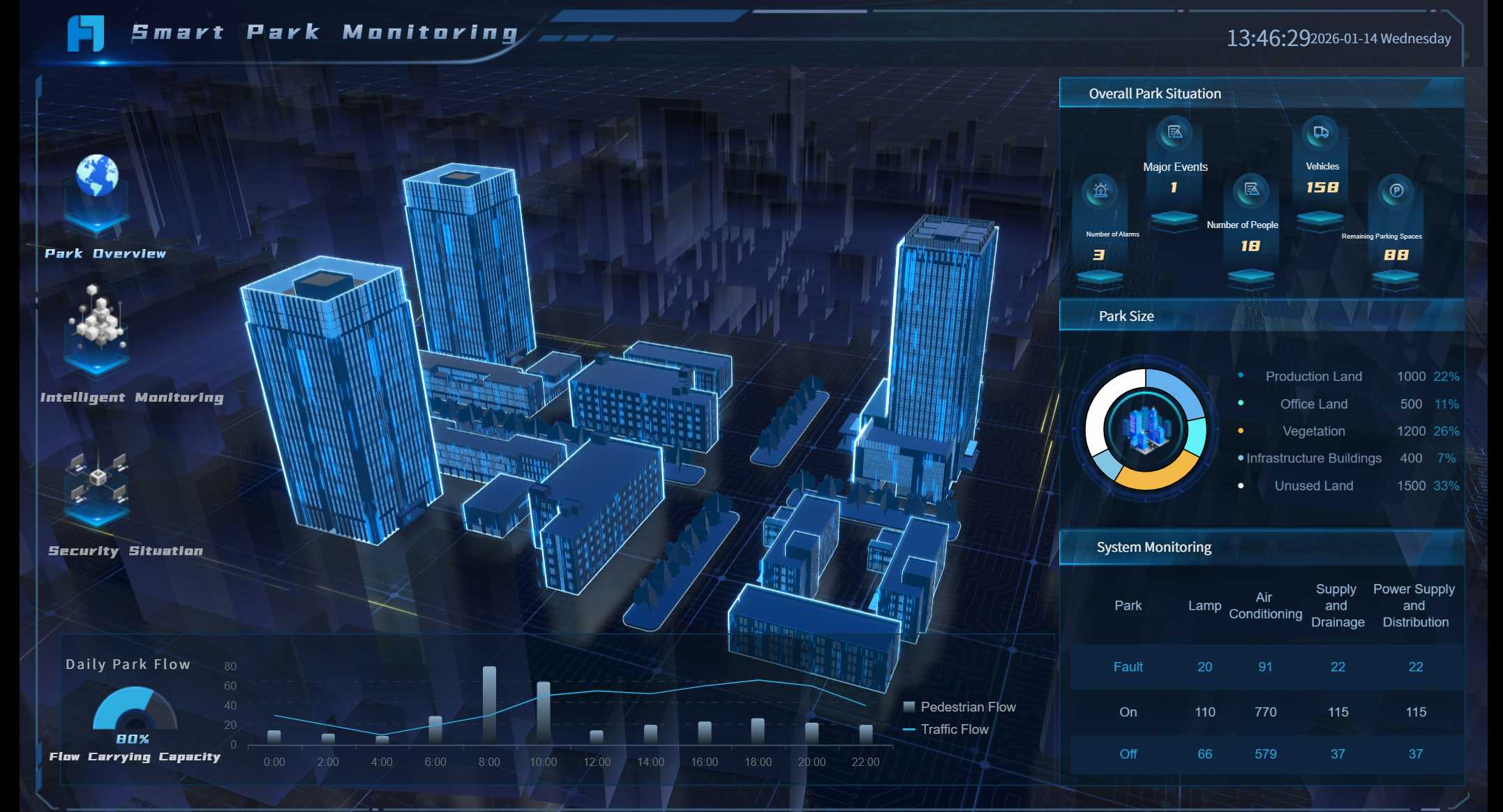
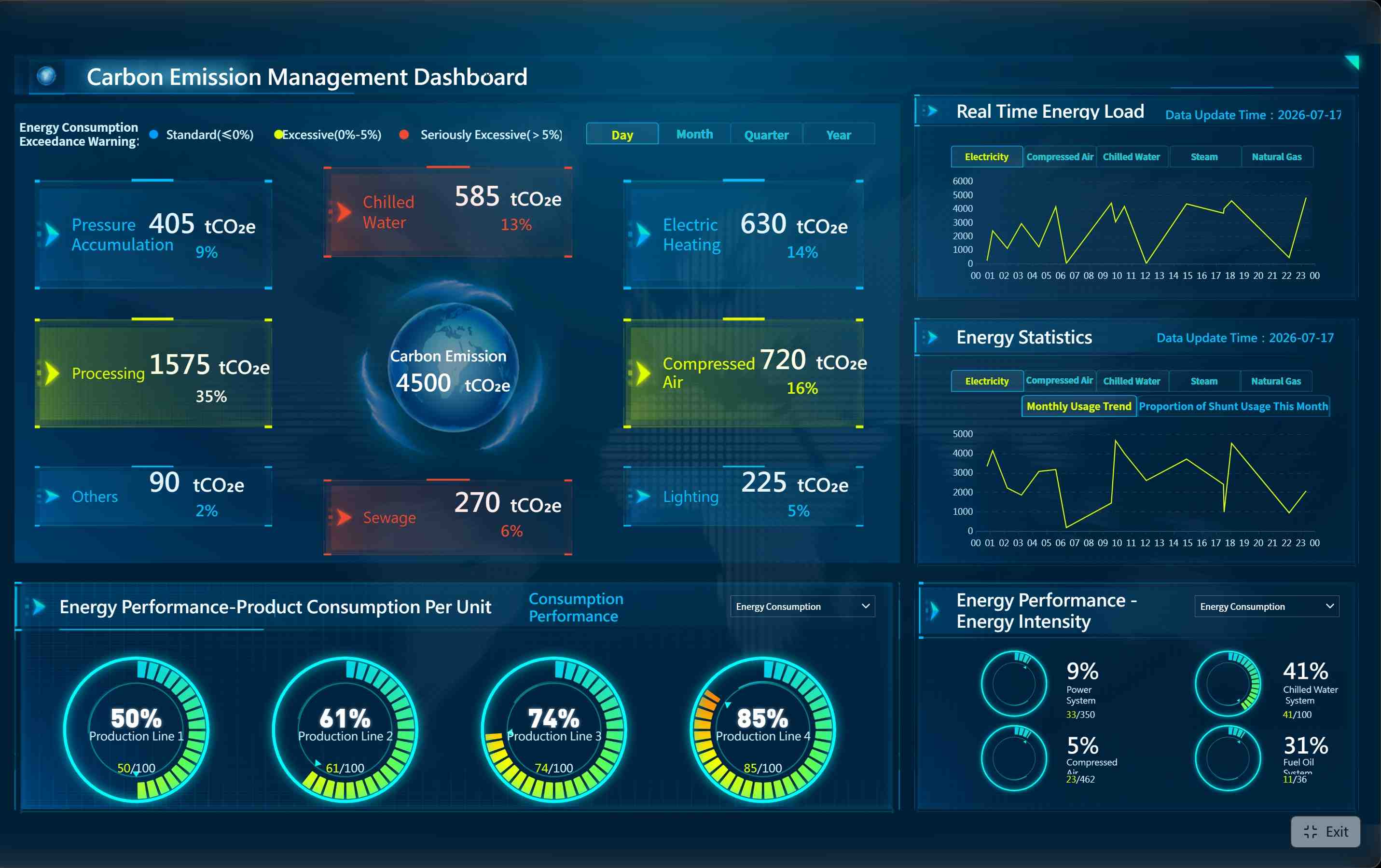 This dashboard monitors carbon emissions, energy usage and production energy efficiency.