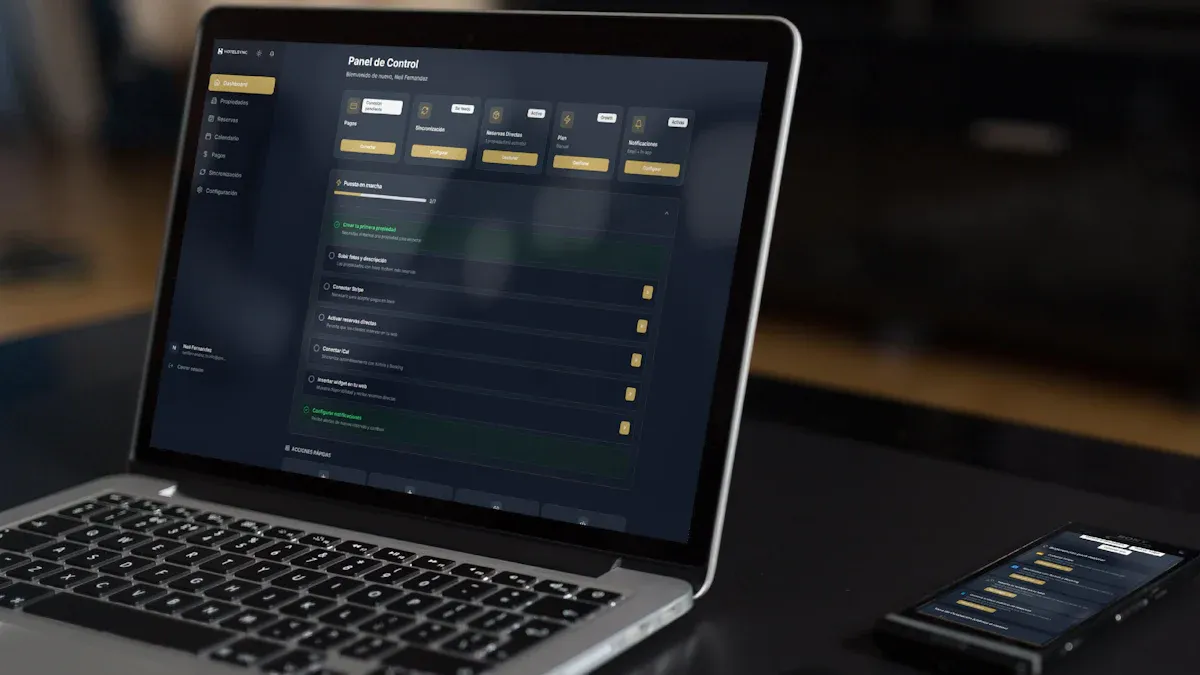
You use an NPS dashboard to see how loyal customers are. It tracks net promoter score and feedback right away. Most big companies use NPS to help them grow. Companies with high NPS make more money. They also keep customers longer and have more renewals. FineReport helps you make dashboards you can use.
NPS Dashboard Overview
What Is Net Promoter Score (NPS)
Net promoter score is a simple way to measure how much your customers like your business. You ask customers one question: How likely are you to recommend this company to a friend or colleague? They answer on a scale from 0 to 10. You group the answers into three types. Promoters give a score of 9 or 10. Passives give a score of 7 or 8. Detractors give a score of 6 or below. To get your NPS, you subtract the percentage of detractors from the percentage of promoters. The score can go from -100 to 100. This number shows how strong your customer loyalty is.
Many companies use NPS surveys to check customer satisfaction. High NPS means your customers are happy and will likely buy again. Research shows that companies with high NPS scores grow faster than others. If your NPS drops, you may see more customers leave and higher support costs. NPS is not just a number. It helps you see if your customers will stay with you and tell others about your business.
Role of NPS Dashboard in Customer Experience
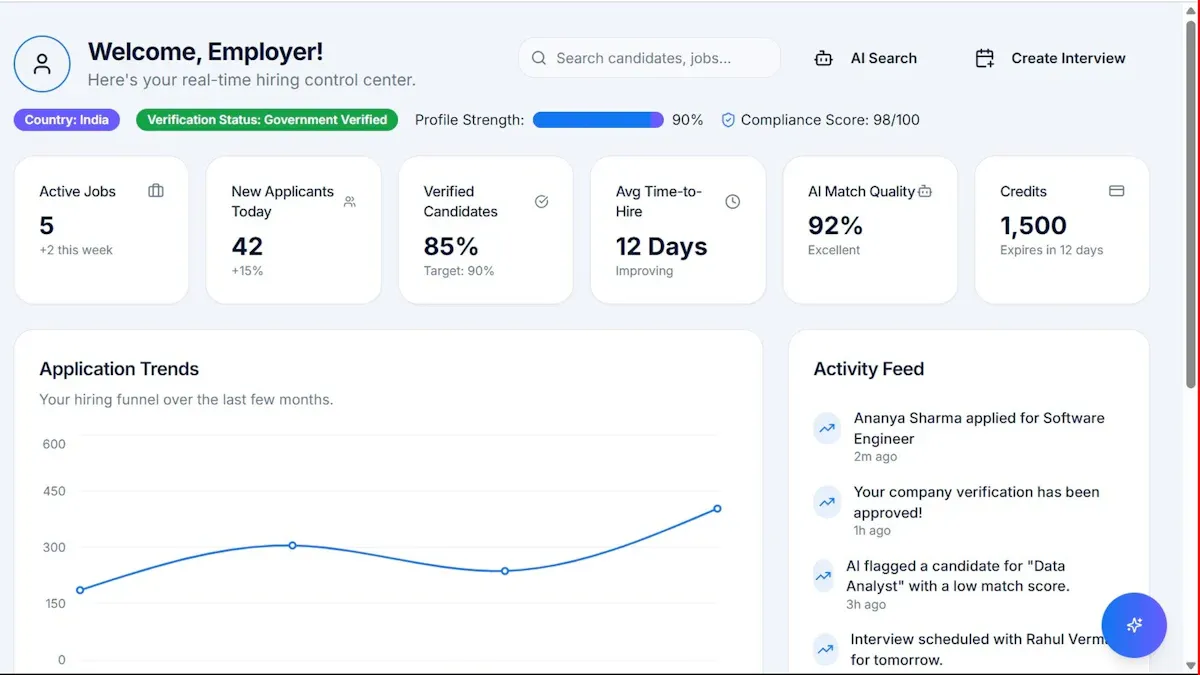
An NPS dashboard helps you track and understand your NPS results. You can see real-time data, spot trends, and find out what drives customer satisfaction. Unlike old feedback methods, a dashboard gives you clear and quick insights. You can segment feedback, see which groups are happy or not, and act fast to fix problems.
With FineReport , you can build a custom dashboard that connects to all your data. You can run NPS analysis, view customer feedback, and share results with your team. This helps you make better decisions and improve the customer experience. A good dashboard lets you measure, analyze, and act on NPS data, making your business stronger.
Key Features of NPS Dashboard
NPS Trends and Visualization
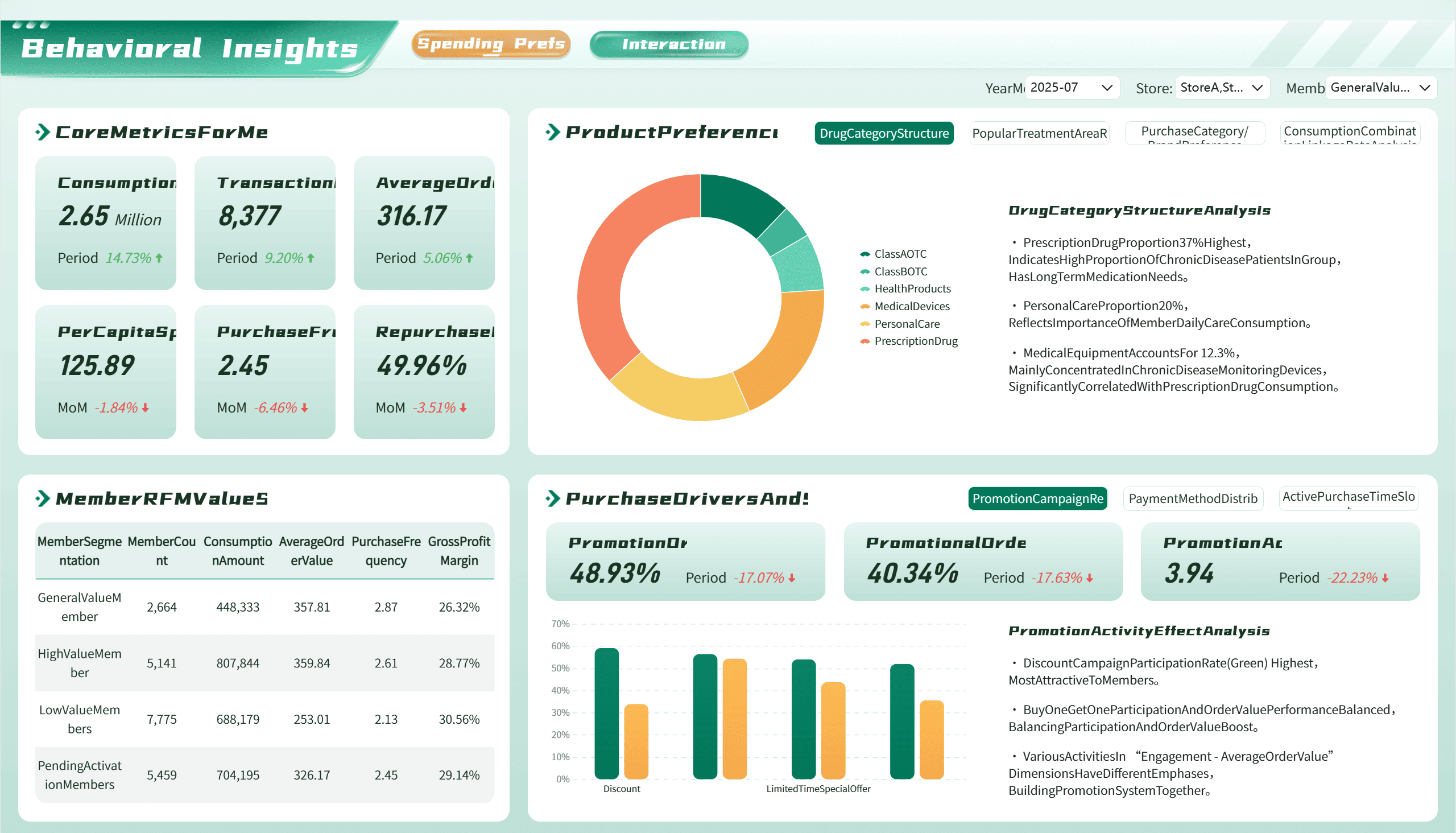
It is important to know if your net promoter score goes up or down. A good nps dashboard uses simple charts to show these changes. Bar charts let you compare promoters, passives, and detractors. Line charts help you see if customer loyalty is getting better or worse. Word clouds show the words customers use most in their feedback. FineReport lets you make dashboards that update right away. You can check nps every month or week, see scores from around the world, and look at results from different surveys. This helps you fix problems fast when customer satisfaction changes.
Customer Segmentation and Analysis
You can find out more by looking at nps data for different groups. You can split customers by age, where they live, or what they buy. This shows where you are doing well and where you need to do better. FineReport lets you sort and study customer feedback easily. You can use tools like ANOVA or regression analysis to see what affects nps scores. Text analytics helps you learn what customers say in surveys. In factories, companies use dashboards to handle complaints and see patterns. This helps them give better service and keep customers happy.
Split nps by customer type or place
Use math tools to compare groups
Study survey comments for common ideas
Integration with Business KPIs
You get the best results when you connect your nps dashboard to other business numbers. FineReport lets you link nps with sales, how many customers stay, and money data. This helps you see how customer happiness changes your business. For example, BOE used dashboards to watch nps, inventory, and how well things worked. They saw big improvements in how their business did and how loyal customers were.
KPI
Description
NPS Trend
Shows how nps changes over time to spot patterns in customer happiness.
Financial Metrics
Looks at how nps connects to money numbers like revenue growth and customer lifetime value.
Customer Retention Rate
Measures how many customers stay, and links it to nps for clues about loyalty.
Customer Lifetime Value (CLV)
Checks how much money a customer brings in, and compares it to nps to see the effect on business.
A strong dashboard helps you see how nps, customer feedback, and business results fit together. This makes it easier to make customers happy and grow your company.
An nps dashboard helps you use net promoter score data. You can see all your scores and feedback in one spot. This makes it easy to notice patterns and trends fast. When you spot these, you can make smart choices for your business. For example, you might see new customers give lower scores after joining. If you change how you welcome them, your nps could go up by 12 points. Some companies have done this and seen big results.
A good dashboard is more than just numbers. It lets you check which changes work best. You can talk to customers, link actions to nps changes, and use clues to guess future problems. Over time, your dashboard helps you know what customers will want next. FineReport from FanRuan helps you build this kind of tool. You can connect all your data, study nps, and share results with your team. This helps you make choices faster and better.
Evidence Description
Purpose
NPS dashboards show and study customer feedback.
They help companies find ways to make customers happier.
The dashboard puts scores together in a simple way.
This helps businesses see how customers feel and spot trends quickly.
Watching NPS scores helps find unhappy customers.
Companies can make plans to turn them into happy customers and get them more involved.
Improving Customer Loyalty and Satisfaction
You want your customers to stay and feel happy. Nps dashboards show what builds loyalty and what causes problems. Studies say trust and nps are closely linked. When customers trust you, your nps goes up. Customers who trust you often give scores over 36. Customers who do not trust you may give low or even negative scores. Trust comes from your skills, experience, and good name. If you work on these, you can raise your net promoter score and keep more customers.
More trust means more promoters.
Good service and a strong name raise nps.
Long relationships and shared goals help you get high nps.
Companies use dashboards to learn what matters most to customers. For example, TechCorp used an nps dashboard to see why their score dropped after a new product. They found support problems were the main reason. When they fixed support, their nps went up and customers got happier in six months. Dashboards help you find complaints, track what makes people loyal, and make changes to keep customers happy.
Linking NPS to Financial Performance
Nps is not just about feelings. It connects to your business results. When your nps goes up, your money often grows too. Studies show that a 7-point nps jump can mean 1% more revenue. Promoters spend more and stay longer. Companies with high nps scores keep more customers and grow faster. For example, some companies with nps above 70 have 23% higher renewal rates and almost double the revenue growth of those with low scores.
You can see how much money you make for each nps point. You can also see how saving customers and lowering costs helps. FineReport lets you connect your dashboard to money data, so you see the real value of your work.
In factories, stores, and banks, dashboards help you track the right numbers. In factories, companies use dashboards to fix complaints and make better products. In stores, you can see how shopping and delivery change nps. In banks, dashboards help you watch support and honesty. FanRuan’s tools, like the one BOE used, show how linking nps to business goals leads to better choices and stronger growth.
Product Trial
FineReport
Pixel-perfect reports · Interactive dashboards · Easy data entry · Digital twins
Access a wealth of case studies, industry insights, and solution guides to accelerate digital transformation.
FAQ
What is an NPS dashboard?
An NPS dashboard shows your net promoter score and feedback in one place. You can track trends, spot issues, and make better decisions for your business.
How does FineReport help with NPS tracking?
FineReport lets you connect all your data sources. You can build custom dashboards, view real-time NPS results, and share insights with your team easily.
Can I use NPS dashboards on my phone?
Yes! You can access your NPS dashboard on your phone or tablet. FineReport supports mobile devices, so you stay updated wherever you go.
Can you use FineReport without coding skills?
Yes! FineReport uses a drag-and-drop interface. You do not need to write code. You can build dashboards and reports by clicking and moving items.