Choosing the right esg reporting framework is no longer a side task for sustainability teams. It affects regulatory readiness, investor communication, customer trust, internal decision-making, and how efficiently your organization can turn fragmented ESG data into usable reporting outputs.
For many companies, the challenge is not whether to report, but how to report without duplicating work across multiple requirements. That is where a strong reporting foundation and an AI assistant layer become practical. With FineReport + Dora, teams can ask for a report summary in chat, generate structured narratives from trusted report assets, receive scheduled briefings, and push exceptions to the right owner. In an ESG scenario, that means turning raw environmental, social, and governance data into recurring management reports, disclosure-ready review packs, and follow-up workflows that are easier to govern.
Click To Try The Dashboard
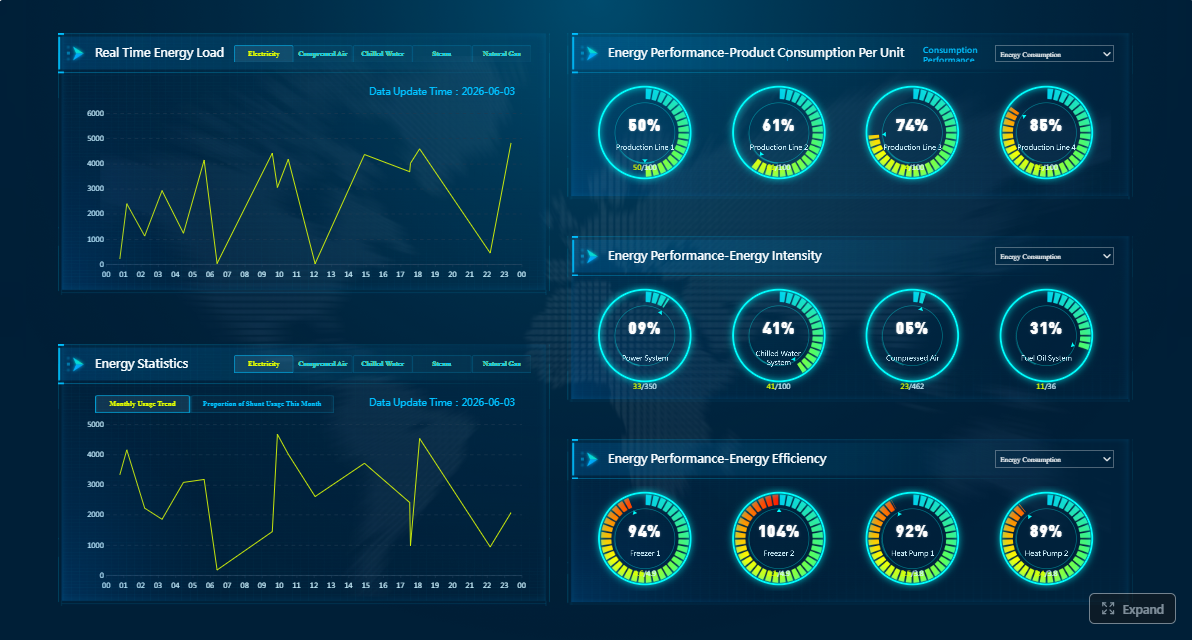
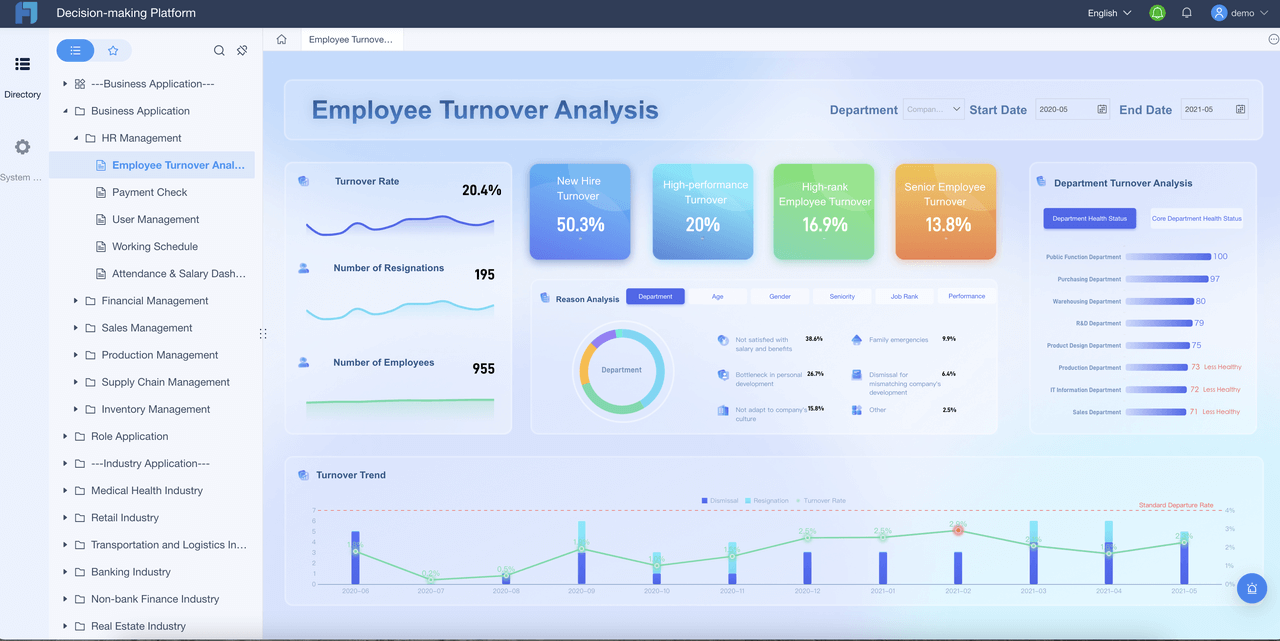
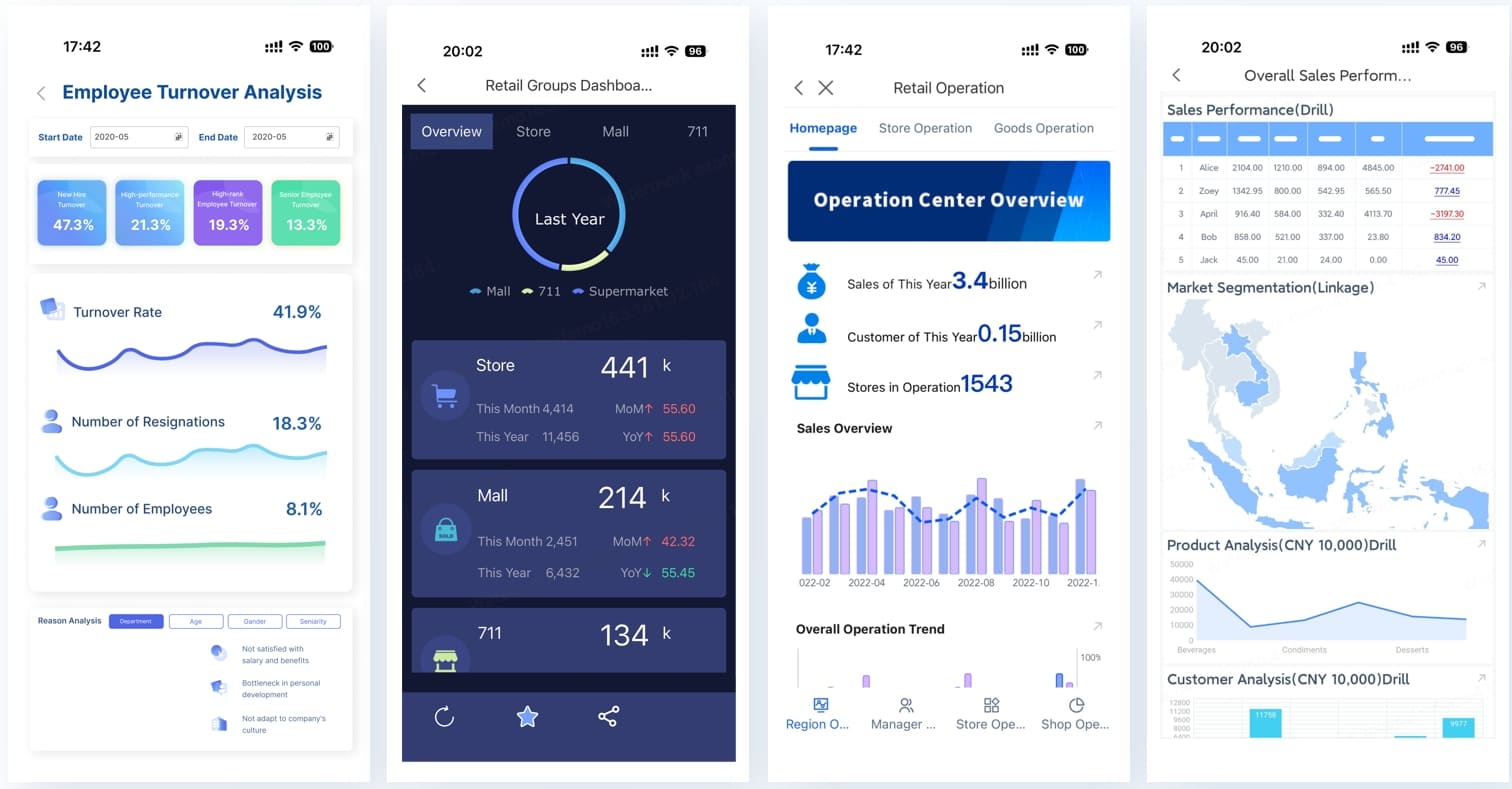
All reports in this article are built with FineReport
What an ESG Reporting Framework Is and Why It Matters
An ESG reporting framework is a structured approach that helps companies decide what ESG information to disclose, how to organize it, and who it is meant for. In plain language, it is the reporting logic behind an ESG report.
A framework helps companies answer questions like:
Which ESG topics should we cover?
Which stakeholders are we reporting to?
Should we focus on impacts, financial risk, or both?
What metrics, narratives, and evidence need to be included?
This matters because ESG reporting now serves several audiences at once:
Investors want consistent and decision-useful information.
Regulators want compliant and auditable disclosures.
Customers and supply chain partners increasingly request environmental data.
Boards and executives want clearer visibility into risk, performance, and accountability.
Employees and communities want transparency about social and environmental impacts.
A good ESG reporting framework improves transparency, but it also improves internal decision-making. Once ESG topics are defined and mapped into recurring reports, leaders can track performance more consistently instead of rebuilding reports every quarter.
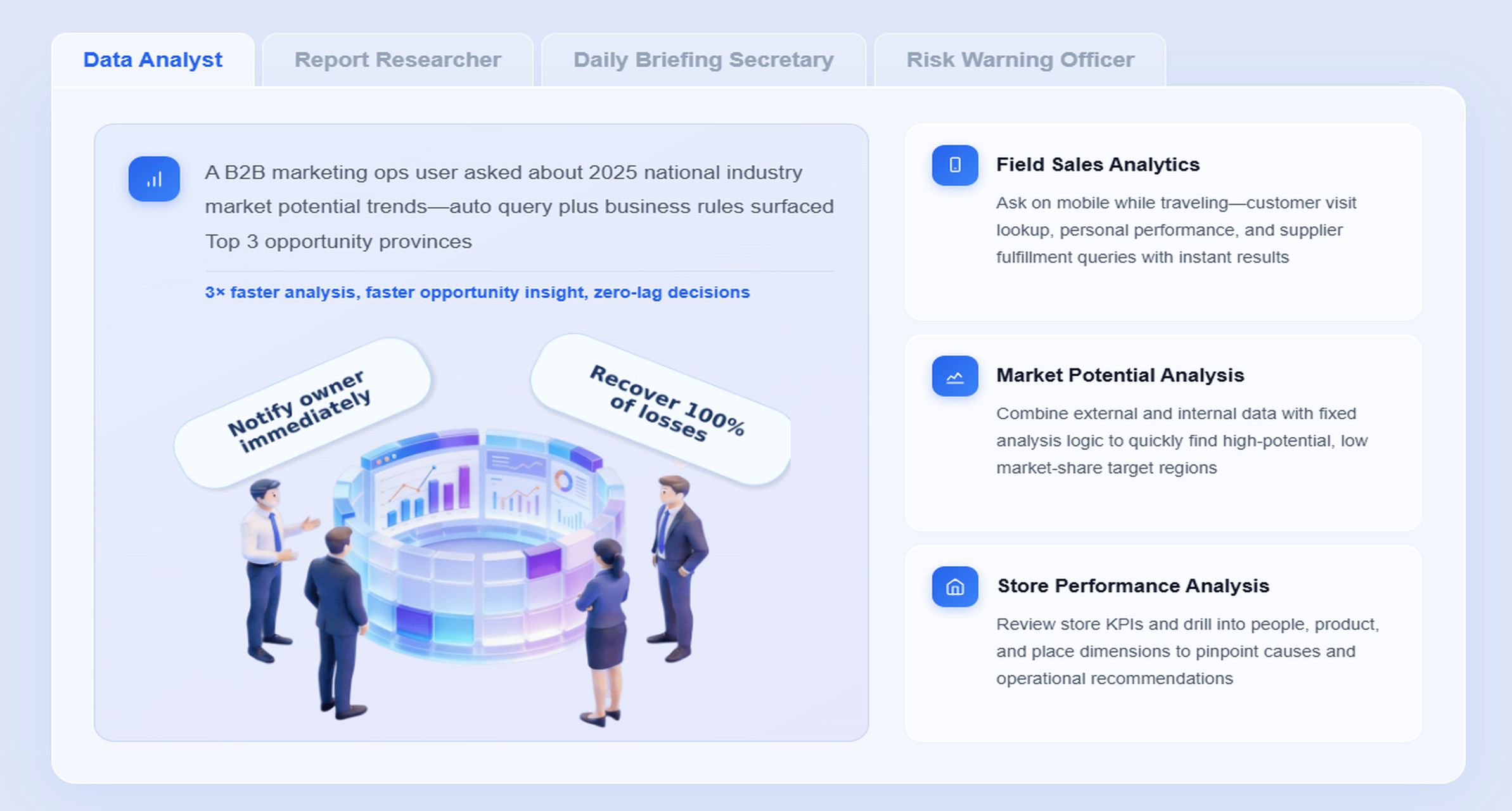
From an enterprise reporting perspective, this is where FineReport plays an important role. It provides the trusted reporting foundation for ESG dashboards, formatted disclosure reports, management packs, and data collection workflows. Dora then acts as the enterprise Data Agent layer on top of those assets, helping teams query ESG reports in natural language, summarize changes, push alerts, and support follow-up.
The main options covered in this guide are:
GRI
ISSB
ESRS
SASB
CDP
Each serves a different purpose, audience, and reporting context.
The ESG landscape becomes confusing because companies often use the words framework, standard, rating, and questionnaire as if they mean the same thing. They do not.
At a practical level:
A framework provides overall guidance for how to structure ESG reporting.
A standard specifies more detailed disclosure requirements or metrics.
A reporting platform or request system collects or organizes responses, often through questionnaires or submission processes.
A rating evaluates or scores a company based on disclosed or collected ESG information.
For example, a company might use one system to shape its overall report, another to define detailed industry metrics, and a third to answer environmental disclosure requests from customers or investors.
This is why many organizations do not truly “pick one” ESG approach. They assemble a reporting stack based on:
Materiality usually refers to the ESG topics that are significant to business performance, enterprise value, or investor decision-making.
Double materiality expands that lens. It asks two questions:
How do sustainability issues affect the company?
How does the company affect people, society, and the environment?
This distinction matters because some reporting approaches are more investor-focused, while others require a broader impact lens.
Mandatory vs voluntary reporting
Some ESG disclosures are mandatory because laws or regulations require them for certain companies in certain jurisdictions.
Others are voluntary, but still commercially important. A large customer, lender, investor, or procurement process may effectively make a “voluntary” disclosure necessary.
Entity-level disclosures vs topic-specific metrics
Entity-level disclosures describe organization-wide governance, strategy, risk management, and policies.
Topic-specific metrics go deeper into issues like greenhouse gas emissions, water use, employee turnover, safety incidents, or board diversity.
Most mature ESG reporting requires both. Executives need the big picture, while assurance and stakeholder review require traceable metrics underneath it.
Below is a practical comparison of the five major options most companies evaluate.
GRI
GRI is best suited for broad stakeholder transparency and impact-focused reporting.
It is commonly used when organizations want to communicate their economic, environmental, and social impacts in a structured way. GRI is often selected by companies that want a comprehensive sustainability narrative, not just an investor-oriented disclosure.
Best fit for:
Broad stakeholder communication
Sustainability reports with impact emphasis
Organizations seeking a widely recognized global foundation
Why companies use it:
It supports reporting across a wide range of ESG topics.
It helps communicate how the business affects society and the environment.
It is useful when transparency to employees, communities, customers, and civil society matters alongside investor communication.
Reporting implications:
A GRI-led reporting process often needs strong cross-functional coordination because the scope can be broad. FineReport helps by standardizing recurring GRI-oriented tables, narratives, and supporting evidence. Dora can then help summarize topic sections, explain changes versus prior periods, and prepare management briefings before report sign-off.
ISSB
ISSB focuses on investor-oriented sustainability disclosures and globally comparable information.
It is useful for companies aligning ESG reporting with financial-market expectations, especially when they want sustainability disclosures to connect more clearly with risk, performance, and enterprise value.
Best fit for:
Investor communication
Capital markets alignment
Organizations prioritizing financially material sustainability information
Why companies use it:
It is designed to improve comparability for investors.
It helps companies present sustainability risks and opportunities in a format more familiar to boards, finance leaders, and capital providers.
Reporting implications:
ISSB-style reporting usually requires stronger links between ESG metrics, risk management, and financial context. FineReport can serve as the reporting foundation for board-ready sustainability risk packs and investor disclosure summaries. Dora can act as a Report Researcher or Data Analyst digital employee, helping users ask which climate or social indicators changed, what drove the movement, and which sections need further review.
ESRS
ESRS is designed for European regulatory reporting and double materiality requirements.
It is especially important for organizations in scope of EU sustainability reporting rules, including companies that must report under European requirements directly or indirectly through group structures, subsidiaries, or market exposure.
Best fit for:
EU regulatory compliance
Double materiality assessments
Formal disclosure programs requiring structured governance and controls
Why companies use it:
It supports required reporting for in-scope organizations.
It addresses both financial effects and outward impacts.
It pushes companies to formalize ESG governance, documentation, and data collection more rigorously.
Reporting implications:
ESRS reporting is often complex because it combines breadth, detail, and governance expectations. FineReport helps standardize the operational cockpit for ESG data collection status, KPI tracking, exception lists, and disclosure package review. Dora can support recurring compliance workflows by summarizing missing data, highlighting overdue submissions, and pushing issue lists to responsible owners without replacing human review.
SASB provides industry-specific metrics that help companies identify financially material ESG topics.
It is often used to sharpen disclosures for investors and analysts, especially when management wants more industry-relevant specificity than a general sustainability framework provides.
Best fit for:
Industry-focused investor disclosure
Companies refining financially material ESG topics
Organizations that need sector-specific metric discipline
Why companies use it:
It narrows attention to industry-relevant issues.
It improves usefulness for investors and analysts.
It helps reporting teams avoid overly generic ESG disclosure.
Reporting implications:
SASB is often used alongside broader systems rather than by itself. In practice, FineReport can map industry metrics into recurring management and disclosure reports, while Dora can explain metric changes in plain language, compare reporting periods, and help internal users retrieve industry-specific KPI interpretations through chat.
CDP
CDP is structured around environmental disclosure requests, especially climate, water, and forests.
It is frequently used to respond to stakeholder and customer demands for environmental data, and it often functions as a disclosure response mechanism rather than a full standalone ESG reporting architecture.
Best fit for:
Environmental disclosure response
Customer and investor environmental requests
Companies with strong climate, water, or deforestation reporting needs
Why companies use it:
It is a recognized environmental disclosure channel.
It helps respond to external data requests in a structured format.
It is often commercially relevant in procurement and supply chain relationships.
Reporting implications:
CDP responses often require pulling together environmental metrics from multiple teams under tight deadlines. FineReport can consolidate climate, water, and related operational data into trusted reporting views. Dora can function as a Daily Briefing Secretary or Risk Alert Officer, surfacing missing inputs, summarizing submission readiness, and following up with owners on incomplete sections.
The right esg reporting framework depends less on popularity and more on fit.
Start with your reporting goals. Most organizations are trying to solve one or more of these problems:
investor communication
regulatory compliance
stakeholder trust
customer or procurement requirements
internal management visibility
audit and assurance readiness
If your main goal is broad sustainability transparency, your approach may look different from a company focused on investor comparability or EU compliance.
The next step is to assess which jurisdictions, legal obligations, and market expectations apply to the business. A multinational group may need to address more than one reporting lens at once.
Then identify the most relevant material topics:
Are you primarily disclosing financially material ESG risks and opportunities?
Do you also need to report outward impacts on people and the environment?
Are industry-specific issues central to your business model?
Are environmental questionnaires a recurring customer or investor requirement?
Finally, decide whether you need:
a broad reporting foundation
industry-specific metrics
a regulatory disclosure structure
a disclosure response tool
or a combination of the above
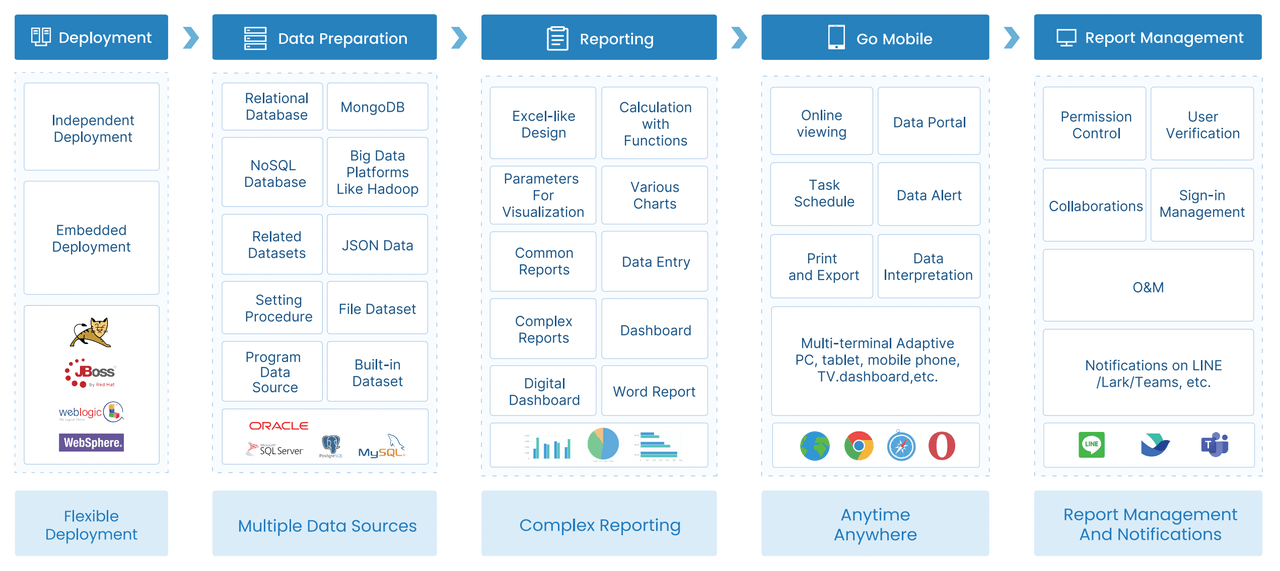
In practice, this selection process works best when reporting leaders build a governed data and report layer first. FineReport helps standardize ESG cockpits, formatted reports, data entry workflows, and recurring board or management packs. Dora then makes those assets easier to consume through natural-language query, scheduled summaries, exception alerts, and follow-up.
A practical selection checklist
Use the checklist below to narrow your decision.
Company size and reporting maturity
Ask:
Do we already publish ESG or sustainability reports?
Do we have established controls and review workflows?
Are we ready for more detailed or assurance-oriented reporting?
Companies early in maturity may start with a broader communication approach, while more mature organizations often need more detailed mapping and governance.
Industry and business model
Ask:
Which ESG topics are most relevant to our sector?
Do investors expect industry-specific metrics?
Are supply chain, labor, emissions, or governance issues central to our business model?
Industry context is one of the strongest reasons companies add SASB-style thinking into the mix.
Geographic footprint
Ask:
Where do we operate?
Where are we regulated?
Which markets, parent entities, or subsidiaries affect disclosure obligations?
Geography is especially important when European reporting rules apply.
Data availability and assurance readiness
Ask:
Can we collect the required data consistently?
Are definitions standardized across business units?
Do we have evidence trails, ownership, and controls?
A reporting framework decision only works if the data can be operationalized. FineReport supports that operationalization by turning ESG data into governed report templates and workflow-driven collection processes. Dora helps by reducing reporting friction after the foundation exists, not by bypassing data governance.
For enterprise ESG reporting, creating the report is only part of the work. The harder operational problem is consuming, reviewing, explaining, and following up on reports repeatedly across sustainability teams, finance, operations, legal, and executives.
That is where Dora, FanRuan’s enterprise Data Agent, adds value on top of FineReport.
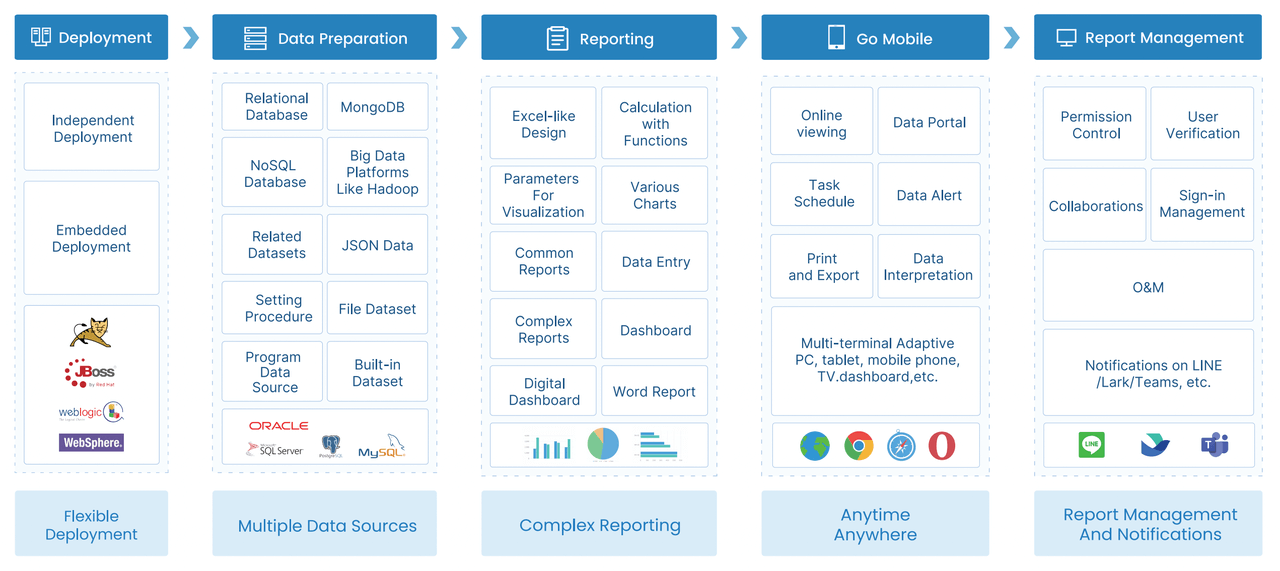
FineReport builds the trusted reporting and semantic foundation:
Daily Briefing Secretary for recurring briefing packs and summary push
Risk Alert Officer for missing data, threshold exceptions, and owner follow-up
Data Analyst digital employee for natural-language query over ESG report assets
A concrete ESG chat example
A sustainability manager could ask:
“Summarize this quarter’s ESG reporting status, highlight missing emissions data by business unit, explain the largest year-over-year change in water usage, and list the owners who need follow-up before the disclosure review meeting.”
This is not a generic chatbot use case. It is Agentic BI grounded in trusted report assets and governed business logic.
A practical 6-step Dora workflow
Retrieve trusted FineReport ESG report or cockpit data Dora accesses the relevant ESG reporting cockpit, disclosure tracker, emissions table, or management pack built in FineReport.
Understand KPI definitions and semantic rules Dora uses trusted business definitions such as reporting period, scope boundaries, business-unit ownership, exception thresholds, material topics, and workflow status rules.
Generate a structured report summary through chat
It creates a management-ready summary of reporting completion, KPI movement, exceptions, and pending actions using the FineReport source as the reporting foundation.
Detect exceptions or overdue items Dora identifies missing submissions, threshold breaches, abnormal changes, or incomplete evidence packages that require review.
Push alerts and summaries to responsible users
It sends scheduled briefings, exception summaries, or owner task lists to the right people instead of making users search through multiple reports.
Create follow-up records for review Dora supports governed AI workflow by recording follow-up items, preparing meeting summaries, and helping teams track recurring review actions.
Why this works better in enterprise ESG scenarios
ESG reporting is rarely blocked by lack of dashboards alone. The real issue is the manual effort between dashboards and decisions:
downloading multiple reports
writing the same summaries every month or quarter
checking which business units are late
chasing data owners
explaining chart changes to executives
preparing disclosure review meetings
Dora reduces that repetitive work by making report consumption easier:
natural-language query over trusted reporting assets
chat-based answers tied to FineReport reports and cockpits
structured report summaries and chart explanations
scheduled daily or weekly briefing pushes
exception alerts and responsibility-based follow-up
Skills-based execution for more controllable and auditable AI workflows
This is especially valuable for ESG because reporting cycles are recurring, multi-owner, and governance-sensitive. A raw prompt-only agent may sound flexible, but enterprise adoption depends on permissions, KPI governance, report templates, and semantic rules. Dora is designed for that stronger enterprise fit.
This does not necessarily mean building five separate reporting systems. The smarter approach is to map overlapping disclosures and reuse data where definitions align.
For example, companies often benefit from:
shared KPI libraries
common ownership structures
standardized reporting periods
central evidence repositories
reusable narrative sections
aligned review and approval workflows
This is where a reporting platform matters. FineReport can serve as the common reporting foundation across ESG outputs, while Dora helps users retrieve the right report, explain overlap, summarize disclosure readiness, and support follow-up.
The key is consistency. If companies use multiple frameworks, they need:
consistent definitions
governance controls
audit-ready data
clear ownership
documented mappings across disclosure requirements
Without that discipline, multi-framework reporting quickly becomes duplicate work.
Common Mistakes to Avoid When Comparing Frameworks
Many reporting problems come from comparison mistakes rather than framework flaws.
Treating all frameworks as interchangeable
They are not interchangeable. Some are built for broad stakeholder transparency, others for investor use, others for regulatory disclosure, and others for structured environmental response.
If teams ignore that, they may choose a framework that looks familiar but does not fit the actual reporting need.
Choosing based only on popularity rather than audience and obligations
A framework can be widely recognized and still be the wrong primary choice for your company.
Ignoring data quality, internal controls, and reporting capacity
Even the best esg reporting framework will fail if the underlying data is inconsistent or late.
Common issues include:
different business units using different definitions
weak evidence trails
spreadsheet-heavy manual processes
unclear owner accountability
no reliable status tracking
FineReport helps organizations build more standardized ESG reporting processes through controlled templates, workflows, and operational cockpits. Dora adds value once that trusted base exists by helping users query, summarize, push, and follow up on report outputs.
Overlooking future regulatory changes and interoperability trends
The ESG reporting landscape continues to evolve. Companies should avoid designing a reporting program so narrowly that it cannot adapt.
A more resilient approach includes:
reusable data models
traceable KPI definitions
modular report templates
strong governance and permissions
mapping logic across reporting requirements
Those are not just compliance practices. They are what make AI assistance practical in enterprise ESG reporting.
To make an ESG reporting framework work in practice, focus on operational readiness, not only framework selection.
1. Standardize KPI definitions, business terms, and report templates
Define terms such as emissions boundaries, workforce categories, water metrics, ownership logic, and reporting period rules consistently across the business.
Why it matters: Standardization reduces ambiguity and supports cross-framework reuse.
AI use with Dora:Dora can provide more reliable summaries and chart explanations when KPI definitions and templates are governed inside FineReport.
2. Build a semantic layer inside the reporting workflow
Do not treat ESG reporting as disconnected spreadsheets. Build a trusted semantic layer around topic definitions, filters, thresholds, workflow status, and user permissions.
Why it matters: This is what makes enterprise AI outputs more controllable and auditable.
AI use with Dora:Dora can interpret business language like “missing emissions data” or “overdue site submission” more accurately when semantic rules are already embedded in FineReport assets.
3. Start with high-value recurring reports first
Do not try to automate every ESG report at once. Start with recurring management packs, reporting status dashboards, environmental data reviews, or disclosure preparation summaries.
Why it matters: Repeatable scenarios create the fastest enterprise value.
AI use with Dora: A Daily Briefing Secretary or Report Researcher can quickly land in scenarios like quarterly ESG status summaries, board-prep briefings, or data collection follow-up.
4. Define alert thresholds, responsibility rules, and escalation paths
Decide in advance what counts as an exception:
missing submission
abnormal KPI movement
threshold breach
incomplete evidence
overdue review sign-off
Why it matters: AI alerts are only useful when they connect to clear ownership.
AI use with Dora: A Risk Alert Officer can push exception summaries and route follow-up to the right owners instead of generating generic alerts.
5. Preserve permission governance and keep humans in review loops
AI should respect existing report access boundaries and approval processes.
Why it matters:ESG reporting involves sensitive data, legal review, and assurance concerns.
AI use with Dora:Dora supports governed AI workflow and Skills-based execution, but human review should remain in place for disclosure narratives, exception interpretation, and final sign-off.
Building this manually is complex. FineReport helps teams standardize trusted reports, operational cockpits, templates, and reporting workflows. Dora turns those assets into an AI assistant that can answer report questions in chat, generate structured summaries, push scheduled briefings, monitor exceptions, and follow up with responsible owners.
In an ESG reporting framework scenario, that means enterprises can build:
AI-assisted report consumption, summarization, alerts, and follow-up through Dora
FineReport + Dora is not only a reporting upgrade; it is a practical fourth-generation Agentic BI path. FineReport provides governed reports and operational cockpits. Dora provides the AI assistant layer for scenario execution, with more controlled Skills, lower token waste, faster execution paths, and more stable workflows than prompt-only agents.
Get Ready-to-Use Dashboard Templates in Fine Gallery
The strongest Dora pitch is scenario + product + service: FineReport provides the trusted reporting foundation, Dora provides the AI digital employee, and implementation service connects data, governance, semantic setup, Skills, report templates, permissions, and rollout.
If your organization is comparing GRI, ISSB, ESRS, SASB, and CDP, the reporting decision should not stop at disclosure theory. It should lead to an operating model that can actually land in the enterprise. That is where FineReport + Dora helps move teams from manual ESG report preparation to governed, repeatable, AI-assisted reporting workflows.
A framework gives the overall structure for what to report and who the report is for, while a standard defines the specific disclosures, metrics, and methods. Many companies use both together rather than relying on only one.
Start with your reporting purpose, stakeholder audience, legal obligations, geography, and industry needs. In practice, many organizations combine multiple approaches because each serves a different role.
Yes, that is common. A company might use GRI for broad stakeholder transparency, ISSB or SASB for investor-focused disclosure, ESRS for EU compliance, and CDP for environmental questionnaires.
ISSB is generally the main choice for investor-focused reporting because it centers on financially material sustainability risks and opportunities. SASB is often used alongside it to add industry-specific detail.
It depends on the jurisdiction, company size, and applicable regulations. Some disclosures are legally required, while others are technically voluntary but still expected by investors, customers, or supply chain partners.
Product Trial
FineReport
Pixel-perfect reports · Interactive dashboards · Easy data entry · Digital twins