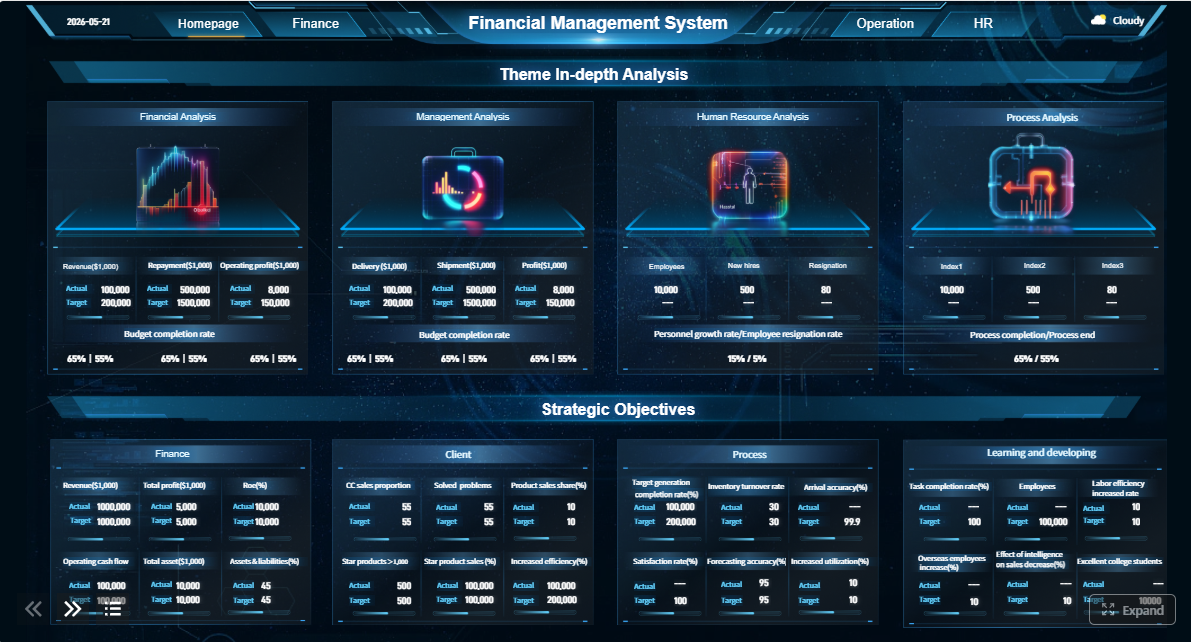
For CFOs, strong financial reporting is not just about producing accurate statements. It is about building a reporting system leadership can trust, auditors can validate, operators can act on, and boards can use to make decisions quickly. When reporting is fragmented, delayed, or heavily dependent on spreadsheets, finance teams spend too much time reconciling numbers and too little time explaining what matters.
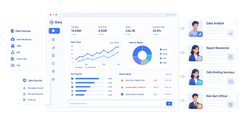
That is why the most effective financial reporting best practices combine two goals: a solid reporting and operational cockpit foundation, and an AI assistant upgrade for faster report consumption. With FineReport + Dora, teams can ask for a report summary in chat, generate structured narratives from trusted report assets, receive scheduled briefings, and push exceptions to the right owner.
Click To Try The Dashboard
All reports in this article are built with FineReport
What financial reporting best practices mean for modern CFOs
Modern CFOs are expected to do more than close the books. They need to deliver reliable reporting for executives, boards, lenders, investors, auditors, and operating leaders, often under tighter timelines and with higher expectations for clarity.
What trusted reporting looks like
Trusted reporting means the same KPI means the same thing across every entity, department, and reporting package. It means users know where the numbers came from, who reviewed them, what assumptions were applied, and whether the final version is approved.
For finance leadership, trusted reporting typically includes:
Consistent definitions across revenue, gross margin, EBITDA, cash flow, and working capital metrics
Traceability from dashboards and summaries back to source systems, adjustments, and approvals
Role-based reporting views for management, board members, controllers, and business leaders
Controlled workflows for close tasks, review, sign-off, and version history
Clear narratives that explain changes, risks, and decisions required
This matters because leadership confidence in reporting directly affects decision speed. If executives do not trust the numbers, every meeting becomes a debate over data instead of a discussion about action.
Why reporting quality affects close speed, decisions, and risk
Better reporting quality reduces rework. It also reduces the number of back-and-forth requests that usually happen after a close package is sent out. When definitions, workflows, and templates are standardized, finance teams can close faster and spend more time on analysis.
Poor reporting quality does the opposite. It creates approval delays, version confusion, and late discoveries of issues that should have been visible earlier.
Compliance reporting, management reporting, and board reporting are not the same
One of the most important financial reporting best practices is understanding that different reporting outputs serve different purposes.
Compliance reporting: Focuses on statutory requirements, accounting rules, disclosures, and audit readiness.
Management reporting: Focuses on operating performance, budget vs. actuals, trends, cash, and decision support.
Board reporting: Focuses on strategic implications, material risks, major variances, and concise decision-oriented summaries.
CFOs often run into trouble when one report is forced to serve all three audiences. The result is usually too much detail for the board, not enough interpretation for management, and inconsistent formatting for audit and compliance needs.
Common reporting pain points that slow finance teams down
Most finance teams already know where the friction lives. It usually appears in a few repeatable areas:
disconnected ERP, budgeting, and operational data
inconsistent chart of accounts and entity mappings
spreadsheet-based consolidations and commentary
repeated manual variance explanations
unclear review ownership
multiple versions of the “final” file
delays in exception follow-up
lack of timely summaries for executives
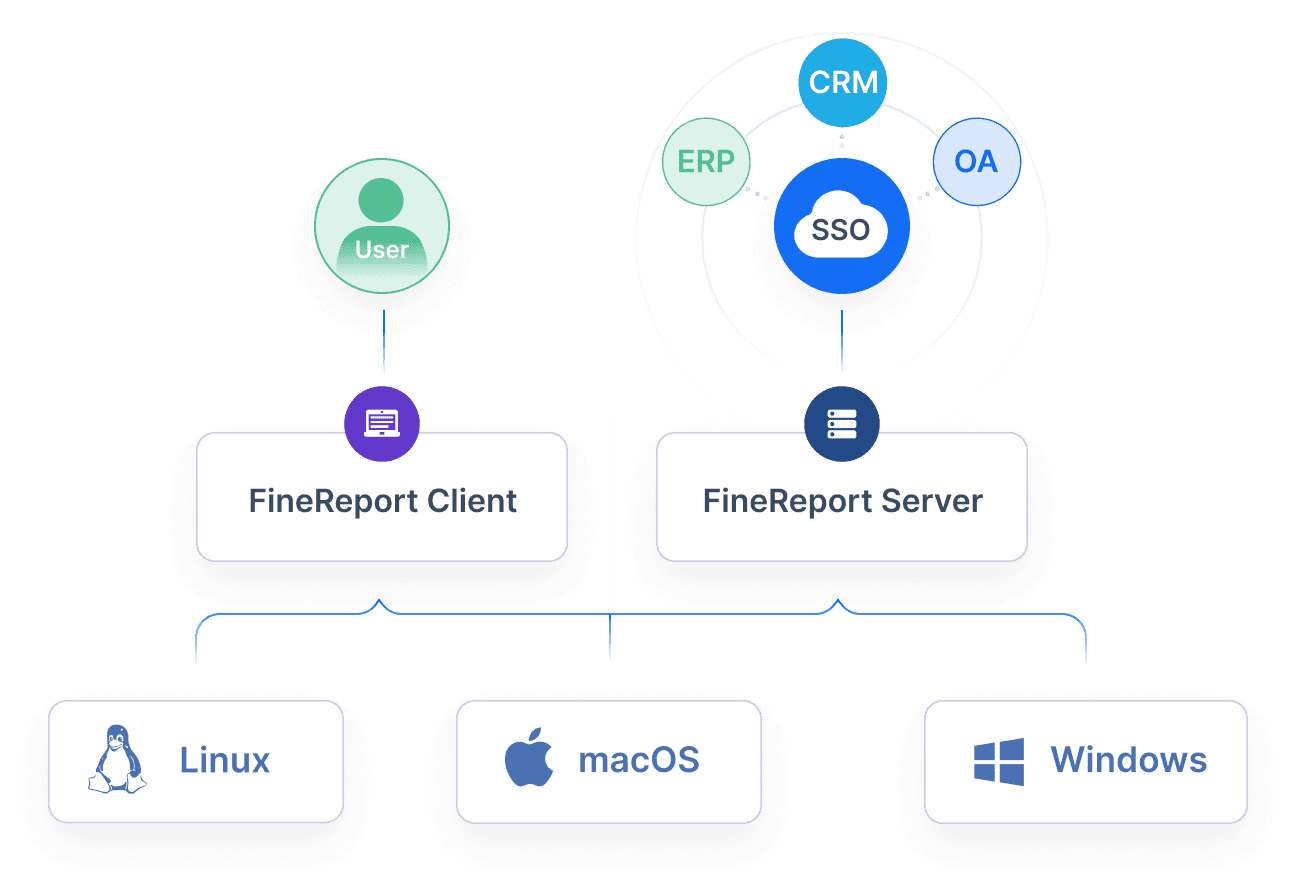
This is where a stronger reporting platform matters. FineReport provides the trusted reporting foundation for formatted reports, management packs, financial cockpits, and workflow-based reporting. Dora adds the enterprise Data Agent layer so finance teams can consume those trusted assets more efficiently through chat, summaries, exception pushes, and follow-up.
Build a consistent reporting foundation before you speed up the close
Before finance automates reporting or adds AI, it needs a consistent operating model. Faster reporting built on inconsistent definitions only creates faster confusion.
Standardize definitions, chart of accounts, and data ownership
Reporting speed starts with semantic consistency. If revenue classifications differ between subsidiaries, or margin logic changes from one report to another, the close will always slow down.
Finance teams should align:
metric definitions
account mappings
entity and department hierarchies
adjustment logic
consolidation rules
business term definitions
Clear ownership matters just as much as clean definitions. Every critical report element should have an accountable owner for source data, review, adjustments, and final sign-off.
KPI and report element framework for finance leaders
Below are some of the most important report elements for a trusted CFO reporting package.
Revenue by segment: Definition of recognized revenue by business line, customer segment, geography, or product group. Business value: Shows growth quality and concentration risk. AI use:Dora can summarize major segment changes, explain notable shifts, and include segment commentary in a scheduled management briefing.
Gross margin: Definition of revenue minus direct costs, shown by entity, product, or segment. Business value: Helps leadership understand pricing, cost pressure, and mix effects. AI use:Dora can highlight margin erosion, compare against plan, and generate a chart-based answer on the main drivers.
Operating expenses: Definition of controllable and fixed operating costs by function or department. Business value: Supports accountability for spending discipline and operating leverage. AI use:Dora can flag overspending against thresholds and push follow-up questions to budget owners.
Cash flow position: Definition of operating, investing, and financing cash movement plus cash balance outlook. Business value: Critical for liquidity planning, lender communication, and investment timing. AI use:Dora can summarize cash flow changes, explain abnormal movements, and prepare a Daily Briefing Secretary summary for executives.
Working capital: Definition of receivables, payables, inventory, and related turnover metrics. Business value: Reveals cash efficiency and operational friction across functions. AI use:Dora can monitor aging patterns, detect exceptions, and surface owners needing follow-up.
Budget vs. actual variance: Definition of actual results compared with approved plan by account, entity, or cost center. Business value: Turns historical reporting into management action. AI use:Dora can produce a structured variance summary with probable drivers and a prioritized list of issues.
Create a close calendar with clear deadlines and dependencies
A close calendar translates reporting expectations into execution. It should show not only what is due, but also what each step depends on.
A practical close calendar should map:
recurring tasks by day
intercompany and consolidation deadlines
reconciliation milestones
approval checkpoints
reporting package assembly
exception escalation paths
final sign-off timing
The best finance teams also distinguish what needs to happen daily, weekly, and at period end. This reduces the month-end pileup that often causes late surprises.
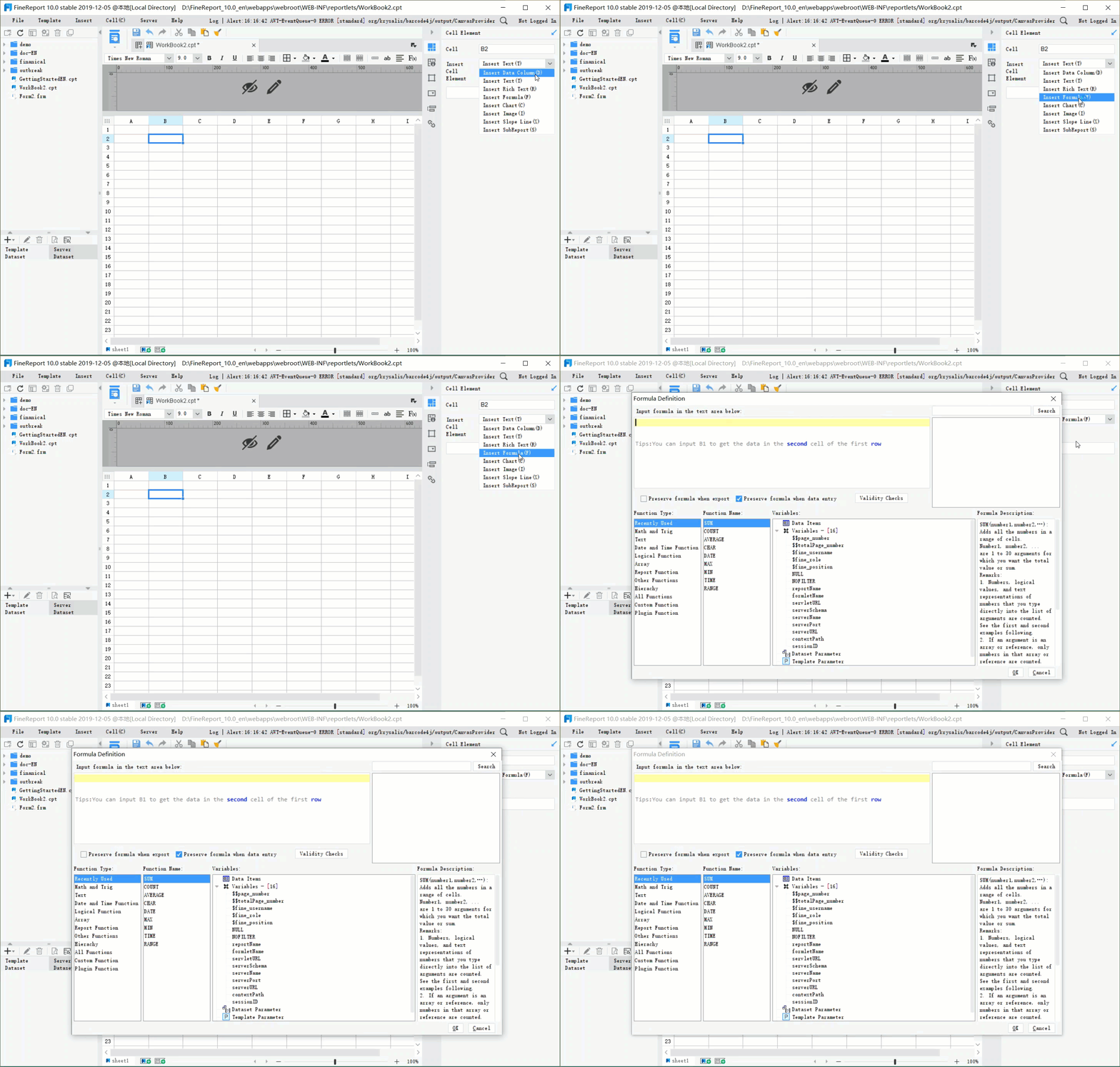
With FineReport, finance teams can standardize recurring reporting outputs and operational close cockpits. Those assets then become much easier for Dora to monitor, summarize, and push to stakeholders on schedule.
Strengthen controls and review workflows without adding unnecessary friction
Strong controls are essential, but finance should avoid creating review processes that bury teams in low-value checking. The goal is targeted control, not universal slowdown.
Good practice includes:
materiality thresholds for review depth
variance checks against budget, prior period, and forecast
exception-based review queues
built-in version control
approval history and audit trail
role-based permissions for financial content
FineReport supports this reporting discipline through governed templates, formatted reports, and workflow-oriented distribution. That creates the trusted report layer Dora can use later for governed AI workflow execution.
9 ways to improve financial reporting accuracy, speed, and trust
These nine methods are the most practical ways for CFOs to improve reporting outcomes without losing control.
Automate repetitive tasks and reduce manual spreadsheet risk
Reconciliations, recurring journals, consolidations, and report assembly are high-value automation targets because they are frequent, rule-based, and error-prone when handled manually.
Prioritize:
recurring account reconciliations
intercompany elimination support
recurring journal workflows
report distribution schedules
standardized variance packs
close status monitoring
FineReport helps finance automate recurring formatted reports, management packs, and reporting workflows. Dora extends that by helping users retrieve report results in natural language and consume them faster through summaries and push notifications.
Focus reports on the metrics that drive business performance
Not every number deserves headline placement. Trusted reports separate core KPIs from supporting detail so leaders can identify what changed and what requires action.
Most CFO dashboards and management packs should emphasize:
revenue quality
gross margin drivers
cash flow signals
operating expense discipline
working capital trends
forecast risk indicators
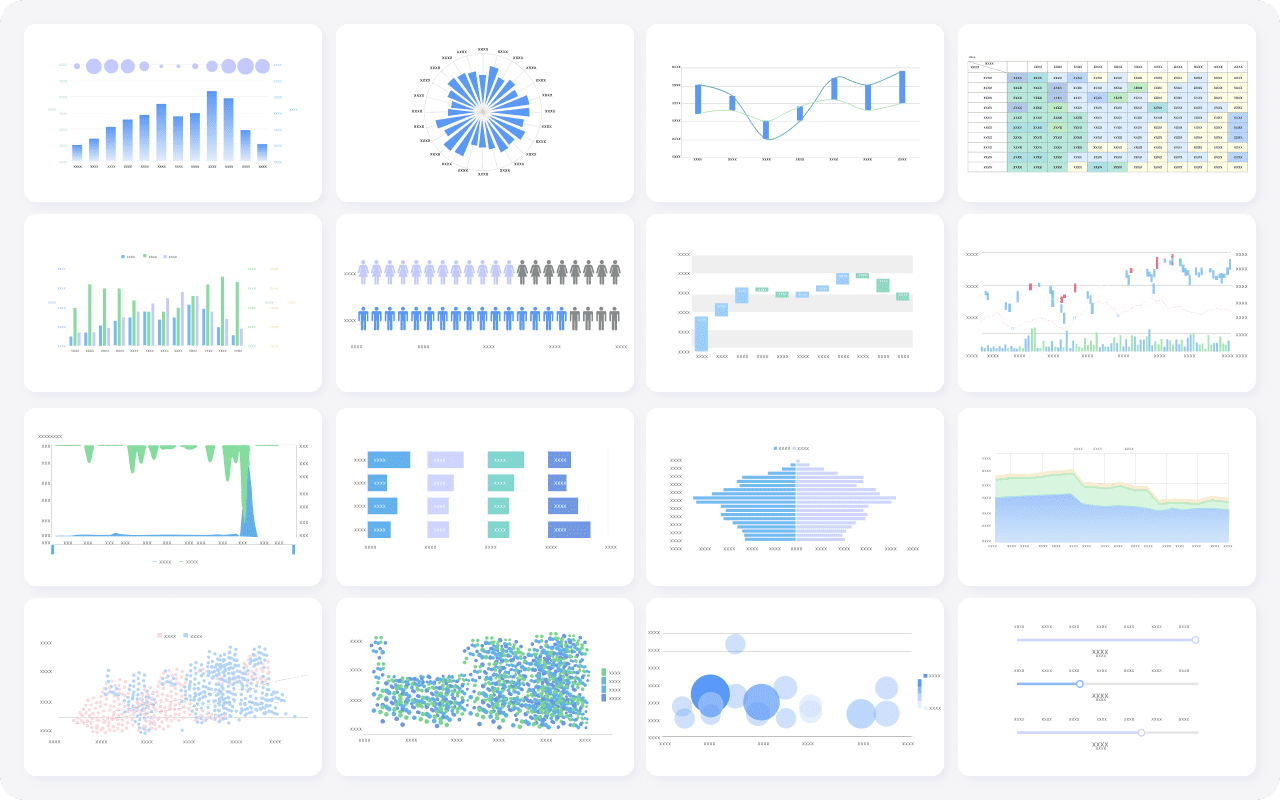
This is where report structure matters. FineReport can present executive summary views, detailed drillable schedules, and role-based financial cockpits in one governed environment.
Turn numbers into actionable management narratives
A report without interpretation creates extra work for everyone after distribution. Finance should explain three things clearly:
what changed
why it changed
what leaders should do next
That narrative should include:
key trend direction
variance drivers
material risks
assumptions
decisions required
owner follow-up items
This is also where AI has immediate value. Dora can generate structured report summaries from trusted FineReport report outputs, helping CFO teams produce a faster first draft of commentary while keeping the source data anchored in governed reporting assets.
Tailor reporting for executives, boards, and operating leaders
Different audiences need different levels of detail, different visual formats, and different timing.
Executives need concise summaries, KPI movement, risks, and actions.
Boards need strategic implications, material deviations, and decision context.
Operating leaders need department-level detail, controllable drivers, and accountability views.
FineReport makes it easier to standardize these report templates while preserving a common data and logic foundation. Dora then helps each audience consume the right version in a simpler way, such as a scheduled briefing, chart explanation, or exception-focused summary.
Improve variance analysis discipline
Variance analysis should not end at “up” or “down.” It should distinguish one-time events from structural shifts and tie financial outcomes back to business drivers.
operational drivers such as volume, pricing, headcount, or utilization
Dora can help finance leaders ask follow-up questions in chat against the trusted reporting layer, rather than digging through multiple files.
Integrate financial and operational data
Financial reporting becomes more useful when it connects to the operating drivers behind results. Revenue, margin, and cash do not move in isolation.
Useful operational connections include:
pipeline and conversion trends
inventory and fulfillment data
pricing and discount patterns
headcount and utilization
customer retention and churn
procurement and supplier timing
FineReport is well suited for operational cockpits that combine finance and business metrics. That foundation is important because Dora’s analysis quality depends on governed KPI definitions and reliable semantic rules.
Use exception-based reviews instead of reviewing everything equally
Finance leaders often overload teams by treating all line items as equally important. A more scalable model uses thresholds, anomalies, and rule-based triggers to focus attention where it matters.
Examples include:
unusual margin compression
large manual adjustments
delayed reconciliations
aging receivables beyond policy
department overspend beyond threshold
entity-level forecast deterioration
This is a strong use case for Dora’s Risk Alert Officerdigital employee, which can monitor trusted report assets, detect issues based on defined rules, and push alerts to the right owners.
Standardize report templates and review packages
Formatting inconsistency creates interpretation risk. It also slows comparison across periods.
FineReport helps finance teams build these governed templates once and reuse them across reporting cycles.
Measure the reporting process itself
Many finance teams measure business performance but not the reporting process. CFOs should manage close and reporting operations with the same discipline they apply to cash and margins.
Financial reporting and analysis that support better decisions
Good reporting does not stop at historical accuracy. It should help leaders allocate capital, manage risk, and test future choices.
Use variance analysis to move from historical reporting to forward-looking insight
Variance analysis is most useful when it translates historical results into future implications. A revenue miss, margin pressure, or receivables slowdown should trigger a forward-looking management discussion.
Finance should ask:
Is this change temporary or structural?
What operational drivers explain it?
What does it imply for next quarter?
Does forecast guidance need to change?
Which owner needs to act?
FineReport can consolidate these views into management reporting and operational cockpits. Dora can then convert them into chart-based explanations and management narratives for faster decision support.
Build forecasts and scenarios into the reporting package
A reporting package becomes more valuable when it includes best-case, base-case, and downside views. This makes tradeoffs visible before leaders commit resources.
Once the reporting foundation is standardized, AI can deliver real operational value. This is where many finance teams can remove friction without giving up governance.
Dora works as an enterprise Data Agent layer on top of trusted report assets. In the CFO scenario, the most relevant digital employees are usually:
Report Researcher for structured report generation and management narratives
Daily Briefing Secretary for scheduled summaries before leadership meetings
Data Analyst for natural-language report questions and follow-up analysis
Risk Alert Officer for threshold-based exception monitoring and owner notification
For financial reporting, a common starting point is a combination of Report Researcher and Daily Briefing Secretary.
Scenario-specific chat example
A CFO or FP&A leader might ask:
“Summarize this month’s financial reporting package, highlight material budget variances, explain the gross margin decline, and list departments that need follow-up before the executive review.”
A practical Dora workflow for finance reporting
Here is how a governed AI workflow can work in practice:
Interpret KPI definitions, business terms, and reporting rules Dora uses the trusted semantic layer, including metric definitions, account mappings, materiality thresholds, and report logic defined by finance and IT teams.
Generate a structured report summary in chat Dora produces a management-ready summary with key movements, chart explanations, and concise narratives for revenue, margin, opex, cash, and working capital.
Detect exceptions and overdue follow-up items Dora identifies threshold breaches such as unusual variances, delayed reconciliations, missed close tasks, or abnormal cash flow changes.
Push alerts and summaries to the right stakeholders
The Daily Briefing Secretary can send scheduled executive briefings, while the Risk Alert Officer can notify budget owners or controllers about exceptions requiring action.
Create follow-up records and recurring review outputs Dora supports periodic tracking by producing daily or weekly briefing summaries and documenting what items remain open for the next review cycle.
This is why Dora should not be treated as a standalone prompt layer floating above uncontrolled spreadsheets. Its value comes from turning trusted reporting assets into a scenario-specific AI assistant with governed execution.
How Dora improves execution in real finance workflows
Dora helps reduce the time finance leaders and executives spend searching, interpreting, and chasing follow-up.
Practical benefits include:
Natural-language query over trusted reporting assets: Finance users can ask for variance explanations or report summaries without manually opening multiple files.
Chat-based AI assistant for report consumption: Executives can ask follow-up questions in business language.
Structured report summaries and chart explanations:Dora turns financial packs into concise narratives for meetings and leadership review.
Scheduled summaries and periodic briefings: The Daily Briefing Secretary can deliver timely updates before close meetings, forecast reviews, or board prep.
Exception alerts and push notifications: The Risk Alert Officer can flag overdue reconciliations, threshold breaches, or significant changes.
Skills-based execution: More controllable and auditable than raw prompt-only workflows because finance can define repeatable tasks, thresholds, and actions.
Enterprise fit: Permissions, KPI governance, templates, and data quality rules help keep outputs aligned with finance policy.
For executives, the key point is simple: Dora is not an AI experiment. It is a landed AI digital employee for recurring reporting work such as monthly management reports, board prep summaries, close monitoring, cash review packages, and variance follow-up.
For IT and data teams, the role shifts from manually serving every question to improving data connections, semantic setup, permission governance, report templates, and reusable agent Skills.
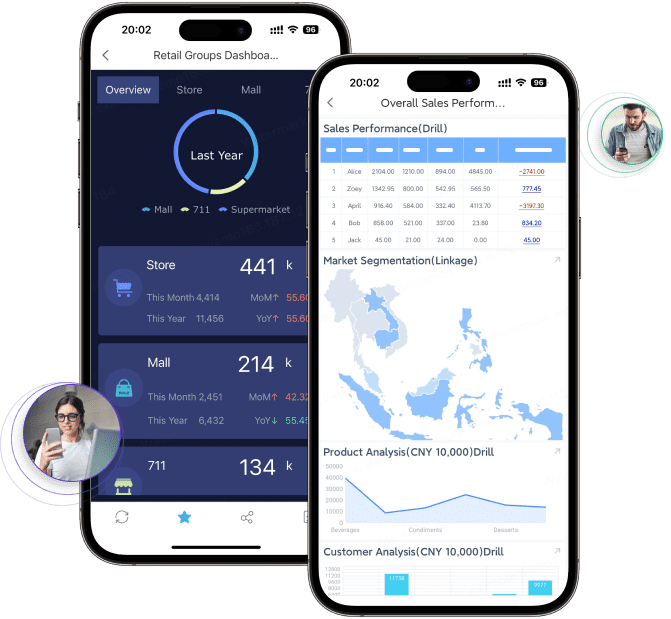
For business users, the benefit is lower friction. They get timely summaries, chart-based answers, and exception pushes without waiting for an analyst to repackage the same report.
FineReport is especially valuable when finance needs a reporting foundation that supports highly formatted reports, complex management packs, operational cockpits, and enterprise reporting workflows in one governed environment.
Establish a governance model for report quality and consistency
Governance should define who owns report logic, who approves changes, how templates are updated, and how documentation is maintained.
At minimum, the governance model should include:
KPI definition ownership
chart of accounts mapping standards
template version control
review cadence
approval checkpoints
change control for report logic
documentation standards
training for report owners
This governance layer is also essential for Dora. AI outputs are only as useful as the permissions, semantic rules, and report structures behind them.
Track performance with close and reporting process KPIs
To close faster, finance needs visibility into the close process itself. Useful metrics include:
time to first draft package
total close cycle time
number of late submissions
unresolved reconciliation items
number of manual adjustments
exception aging
board packet readiness time
stakeholder satisfaction
These metrics can be displayed in a FineReport close cockpit and then summarized automatically by Dora in periodic review briefings.
Common mistakes to avoid when building trusted reports
Even mature finance teams fall into patterns that weaken trust.
Overloading reports with detail instead of surfacing decisions
More pages do not equal more value. Reports should elevate decisions, risks, and exceptions, not bury them.
Relying on manual workarounds that break consistency and auditability
Spreadsheet patches often solve short-term issues while creating long-term control problems. If a process is recurring and important, it should be standardized.
Treating reporting as a finance-only task
Revenue, inventory, headcount, procurement, and sales pipeline all influence financial outcomes. Trusted reporting requires cross-functional process ownership.
Updating formats too often and losing comparability
Templates should improve carefully, not constantly. Frequent structural changes make trend analysis harder and reduce confidence in period-over-period comparisons.
Ignoring stakeholder feedback on clarity and usefulness
If executives or board members repeatedly ask the same questions, the report is missing context. Reporting quality includes usability, not just correctness.
To make these ideas practical, focus on a small set of execution habits that improve both reporting quality and AI readiness.
1. Standardize report templates, KPI definitions, and business terms
Do not let every entity or analyst define core metrics differently. Standardized templates and definitions make reports easier to trust, compare, and summarize.
2. Build a semantic layer inside the reporting workflow
AI works better when business terms, KPI logic, filters, and threshold rules are explicitly defined. This gives Dora a governed foundation for report summary, exception detection, and chart explanation.
3. Treat data quality as part of the AI implementation
Do not add an AI assistant before cleaning up key data issues. Trusted Data Agent outputs depend on source quality, mapping consistency, and approved report logic.
4. Start with high-value recurring reports, not every report
A monthly management package, close dashboard, cash review, or budget variance report is a better starting point than trying to automate all finance reporting at once.
5. Preserve permission governance and use human review for narratives
AI-generated narratives should respect FineReport access boundaries and should be reviewed by finance owners early in rollout. Expand agent Skills gradually as confidence and governance improve.
Building this manually is complex. FineReport helps teams standardize trusted reports, operational cockpits, templates, and reporting workflows. Dora turns those assets into an AI assistant that can answer report questions in chat, generate structured summaries, push scheduled briefings, monitor exceptions, and follow up with responsible owners.
For finance organizations, this combination is practical because it matches how enterprises actually work:
FineReport provides the governed reporting foundation
Dora provides the scenario-specific AI assistant layer
implementation services connect data, semantics, permissions, templates, and workflow rollout
FineReport + Dora is not only a reporting upgrade; it is a practical fourth-generation Agentic BI path. FineReport provides governed reports and operational cockpits. Dora provides the AI assistant layer for scenario execution, with more controlled Skills, lower token waste, faster execution paths, and more stable workflows than prompt-only agents.
Get Ready-to-Use Dashboard Templates in Fine Gallery
For CFOs, the value is concrete: finance can move from manually preparing every report and commentary cycle to a model where trusted reporting assets support AI-assisted summarization, exception management, scheduled briefings, and faster follow-up.
The strongest Dora pitch is scenario + product + service: FineReport provides the trusted reporting foundation, Dora provides the AI digital employee, and implementation service connects data, governance, semantic setup, Skills, report templates, permissions, and rollout.
The most important practices are standardizing KPI definitions, creating clear data ownership, using controlled review and approval workflows, and tailoring reports to each audience. These steps improve trust in the numbers and help teams close faster with less rework.
CFOs can shorten the close by reducing spreadsheet dependence, integrating source systems, and using standardized templates and mappings. Speed should come after consistency, so automation works on trusted data instead of creating faster errors.
Each report serves a different purpose, audience, and level of detail. Separating them makes reporting clearer, more useful for decisions, and less likely to create confusion during audits or board reviews.
AI can summarize trusted reports, generate narrative explanations, highlight exceptions, and deliver timely briefings to stakeholders. It improves report consumption and follow-up, but it works best when the reporting foundation is already consistent and governed.
Trust usually breaks down when definitions vary across reports, data comes from disconnected systems, ownership is unclear, or multiple final versions circulate. Manual reconciliations and delayed exception handling also make leaders question the numbers.
Product Trial
FineReport
Pixel-perfect reports · Interactive dashboards · Easy data entry · Digital twins