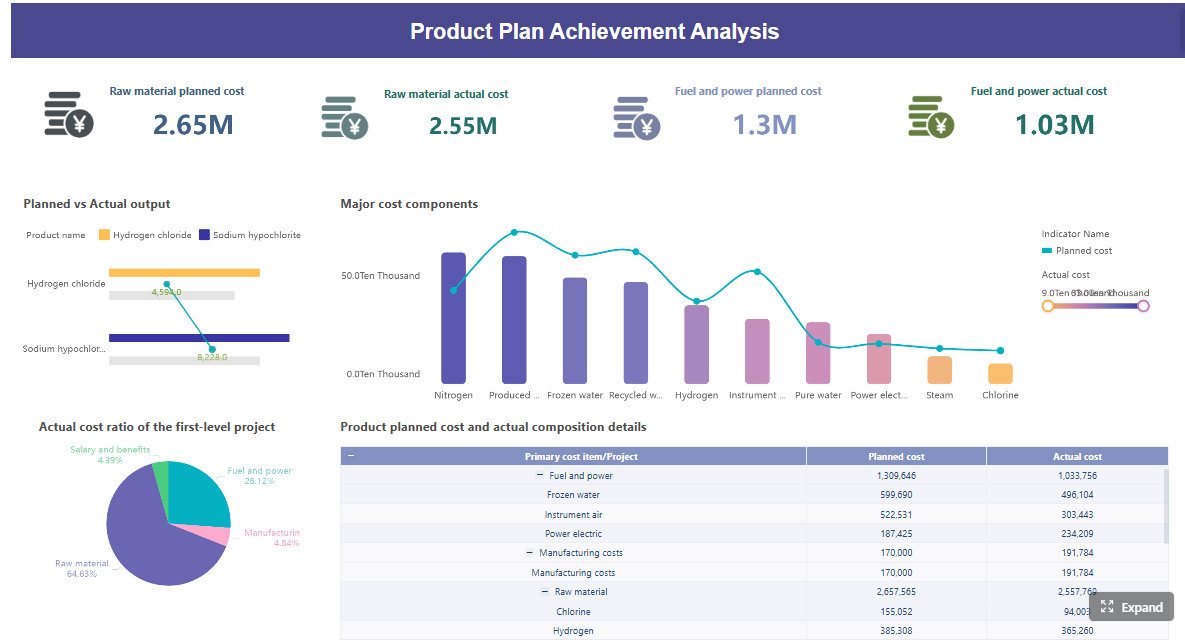
Procurement performance management is no longer just about reporting spend after the fact. For today’s CPO, it is the discipline of measuring whether procurement is reducing cost, improving supply resilience, enforcing compliance, strengthening supplier outcomes, and helping the business make better decisions under volatility.
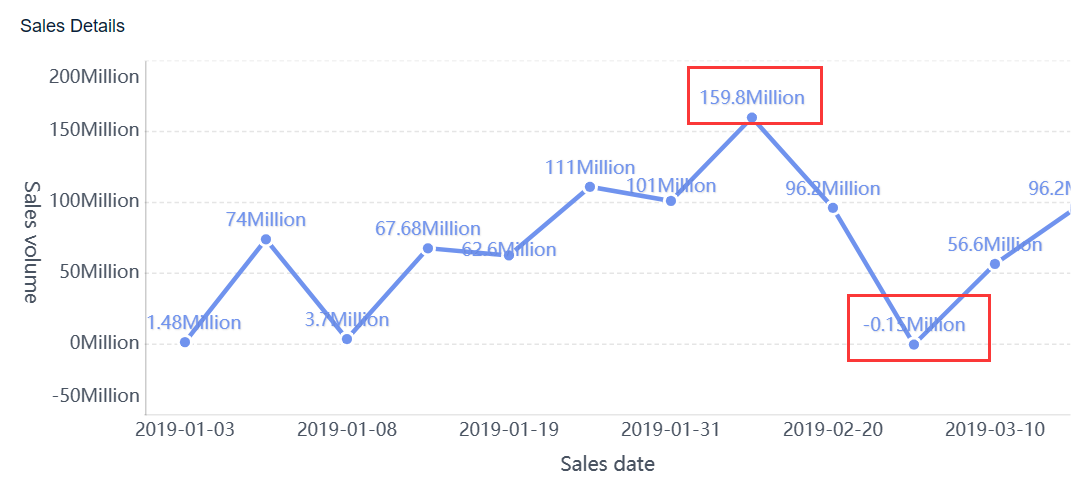
That requires more than static dashboards. Leaders need trusted procurement KPIs, drill-down visibility across categories and suppliers, and an AI assistant that can help teams ask questions, generate chart-based answers, and push timely follow-up before issues escalate. With FineBI + Dora, business users can ask for analysis in chat, generate chart-based answers or dashboard-style views from trusted BI assets, and receive scheduled summaries before the next meeting.
Click To Try The Dashboard
All dashboards in this article are built with FineBI
What procurement performance management means for today’s CPO
Procurement performance management is the structured way procurement leaders track, review, and improve the outcomes of sourcing, contracting, supplier management, and purchasing operations. In a volatile sourcing environment, that means seeing not only what was spent, but also whether procurement decisions supported continuity, financial control, quality, and business responsiveness.
A modern CPO cannot rely on isolated spreadsheets or monthly PowerPoint updates. Price instability, supplier concentration, logistics delays, contract leakage, and internal process friction all affect business performance. Procurement performance management creates a common framework for monitoring these factors and turning them into accountable action.
Just as important, it improves decision quality. There is a major difference between:
Tracking spend: knowing how much was purchased and from whom
Measuring outcomes: understanding whether procurement delivered savings, compliance, resilience, and service quality
Improving decision quality: using trusted metrics, root-cause analysis, and timely alerts to decide what to renegotiate, escalate, consolidate, or redesign
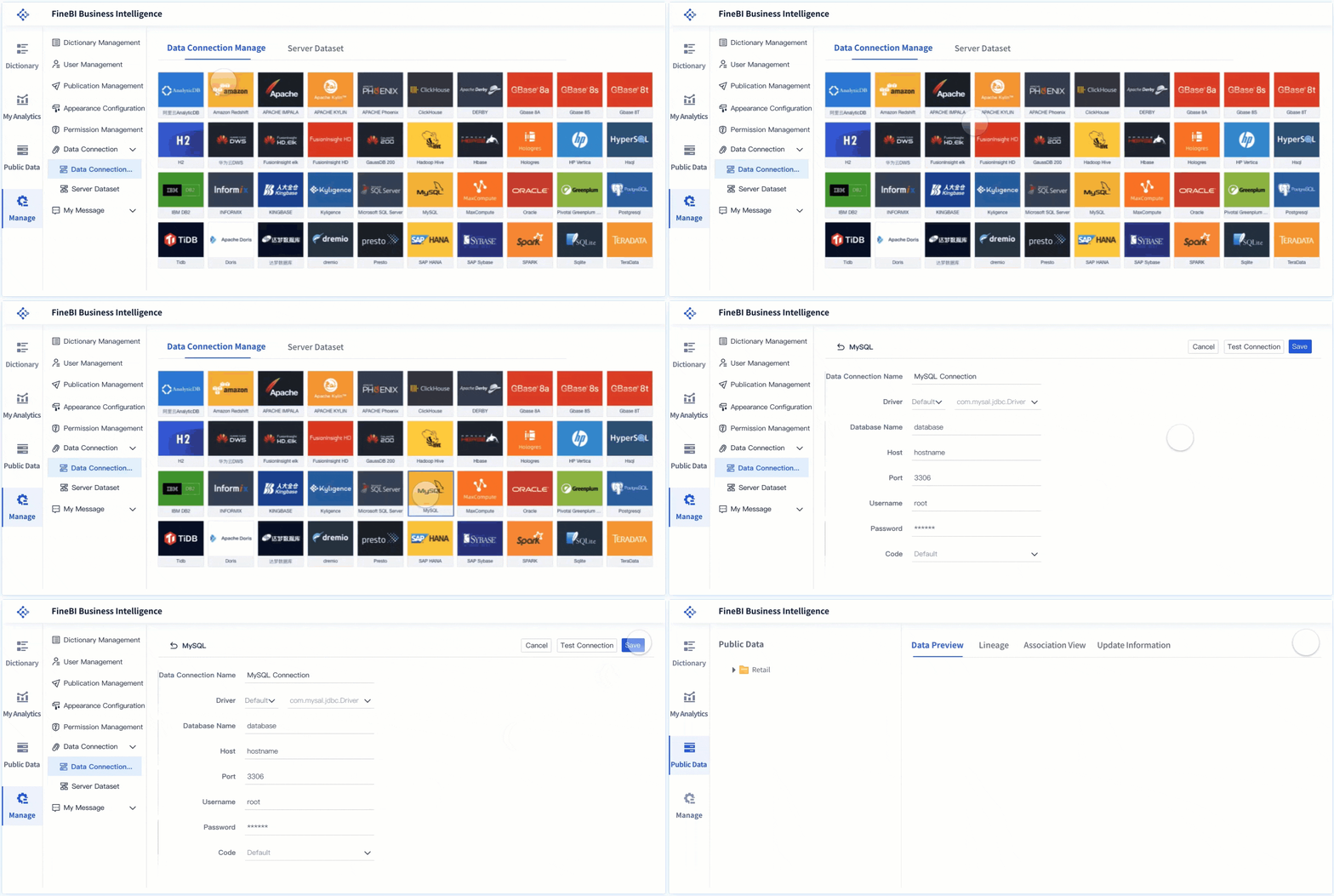
This is where FineBI + Dora changes the operating model. FineBI provides the trusted BI foundation: unified dashboards, governed metrics, semantic definitions, and visual exploration across ERP, SRM, contract, AP, and plant data. Dora adds the enterprise Data Agent layer, so procurement leaders and managers can interact with that trusted foundation in natural language, receive scheduled briefings, and trigger governed AI workflows for follow-up.
For executives, this means procurement performance management becomes easier to review at board and leadership level. For procurement teams, it means less time pulling reports and more time acting on supplier and category risks. For IT, it means the focus shifts from ad hoc reporting requests to building reusable data connections, semantic rules, permission governance, and agent Skills that scale.
A KPI framework for procurement performance management
A good procurement KPI framework should not be a long list of disconnected indicators. It should reflect enterprise priorities, distinguish strategic value from operational monitoring, and create a review rhythm that supports action.
Align KPIs with business objectives
The first rule of procurement performance management is that KPIs must map to business goals. If the company is focused on margin improvement, procurement must show cost savings, cost avoidance, and total cost of ownership reduction. If supply continuity is the priority, resilience and disruption indicators matter more. If regulatory pressure is rising, compliance and supplier risk metrics become central.
A practical framework usually connects procurement metrics to four enterprise objectives:
Cost control and value creation
Supply resilience and risk reduction
Compliance and policy adherence
Supplier contribution to quality, innovation, and service
This also helps separate two levels of measurement:
Strategic indicators: metrics reviewed by CPOs, CFOs, and executive teams, such as realized savings, TCO impact, contract compliance, concentration risk, and stakeholder satisfaction
Operational monitoring metrics: day-to-day indicators used by category managers and procurement operations teams, such as requisition-to-order cycle time, invoice matching rate, overdue corrective actions, and approval turnaround time
Without this distinction, dashboards become crowded and leadership reviews lose focus.
Build a balanced measurement model
Procurement performance management works best when metrics are balanced across outcome areas. A dashboard overloaded with savings metrics can hide supplier quality issues. A dashboard focused only on process speed can miss policy leakage and risk exposure.
A balanced model should cover:
Cost
Efficiency
Quality
Risk
Supplier performance
Stakeholder satisfaction
FineBI is particularly useful here because it allows teams to model these domains in one semantic framework instead of stitching together fragmented charts from different systems. That makes procurement metrics more comparable across business units, suppliers, plants, and regions.
Set ownership, targets, and review cadence
Even the best KPI set fails if nobody owns the numbers. Each procurement metric should have:
A named owner
A business definition
A calculation rule
A target or threshold
An escalation rule
A reporting frequency
For example, supplier on-time delivery might be owned by supplier management, reviewed weekly at operational level, summarized monthly for procurement leadership, and escalated immediately if a critical supplier breaches threshold for two consecutive periods.
Governance rhythm matters. Most enterprises need:
Monthly reviews for procurement operations, supplier exceptions, and compliance gaps
Quarterly reviews for category strategy outcomes, supplier scorecards, and savings validation
Annual reviews for target reset, KPI redesign, supplier segmentation, and policy updates
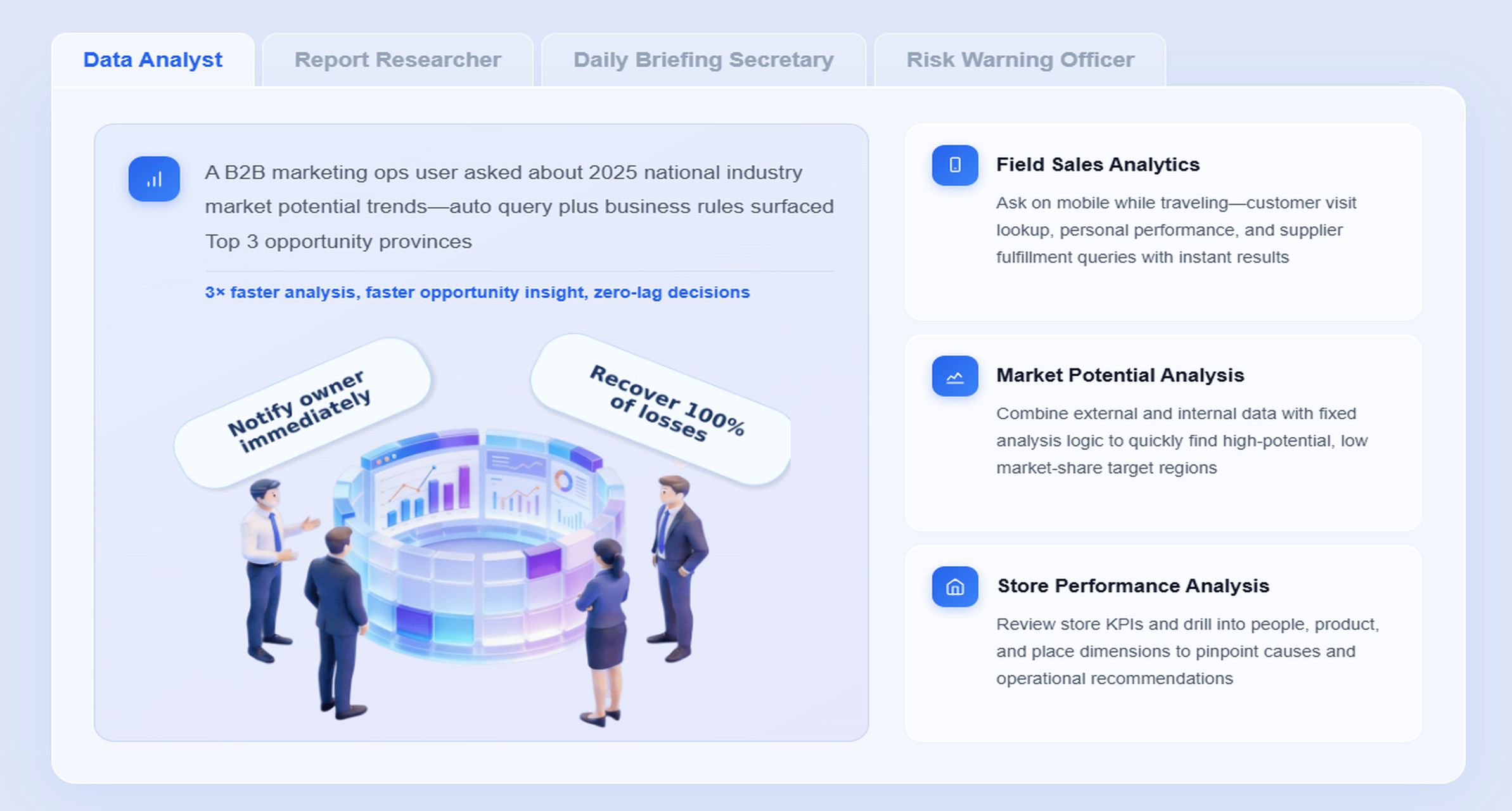
This is also where Dora adds value. Instead of waiting for someone to manually prepare review decks, a Daily Briefing Secretary or Report Researcher can retrieve trusted FineBI assets, summarize KPI changes, and prepare meeting-ready analysis in a repeatable, governed workflow.
Core procurement performance metrics every leadership team should track
Below is a practical KPI set for procurement performance management. The exact list should vary by industry and maturity, but most CPOs need coverage across cost, operational efficiency, supplier risk, and internal service.
Cost and value creation metrics
Savings realized
Metric Name: Savings realized Definition: The verified financial benefit delivered by procurement initiatives within the reporting period, usually validated against baseline and finance rules. Business value: Shows procurement’s direct contribution to profitability and budget performance. AI use:Dora can retrieve realized savings by category, region, or initiative through chat, compare performance against plan, and include exceptions in scheduled executive briefings.
Cost avoidance
Metric Name: Cost avoidance Definition: Prevented cost increases through negotiation, sourcing changes, demand management, or specification adjustments. Business value: Helps leadership understand value created beyond booked savings, especially in inflationary environments. AI use:Dora can summarize which categories contributed most to cost avoidance and flag areas where forecasted inflation pressure may erode gains.
Contract compliance
Metric Name: Contract compliance Definition: The percentage of procurement spend or transactions executed in line with approved contracts and agreed terms. Business value: Reduces leakage, supports governance, and increases savings realization. AI use:Dora can identify non-compliant spend patterns, answer questions about off-contract categories, and push exception summaries to responsible managers.
Total cost of ownership
Metric Name: Total cost of ownership Definition: The full lifecycle cost of procurement, including purchase price, freight, duties, inventory impact, maintenance, quality loss, and service costs where relevant. Business value: Prevents narrow decision-making based only on purchase price. AI use:Dora can retrieve TCO comparisons from FineBI analysis subjects and generate chart-based answers for sourcing reviews.
Process and operational efficiency metrics
Purchase cycle time
Metric Name: Purchase cycle time Definition: The average elapsed time from requisition initiation to purchase order completion or goods receipt, depending on process design. Business value: Reveals process bottlenecks that delay operations and frustrate stakeholders. AI use:Dora can compare cycle time trends by plant, category, or approver chain and highlight abnormal delays.
Requisition-to-order speed
Metric Name: Requisition-to-order speed Definition: The time required to convert an approved request into an issued purchase order. Business value: Indicates procurement responsiveness and operational agility. AI use:Dora can surface teams or workflows with deteriorating turnaround time and provide dashboard-style analysis views through chat.
Invoice matching rate
Metric Name: Invoice matching rate Definition: The percentage of invoices matched successfully against purchase orders and receipts without manual exception handling. Business value: Indicates process discipline, data quality, and AP efficiency. AI use:Dora can monitor exception spikes, summarize root patterns, and alert owners to supplier or plant-specific issues.
Automation adoption
Metric Name: Automation adoption Definition: The share of procurement transactions completed through standardized digital workflows rather than manual intervention. Business value: Reflects process scalability, control, and labor efficiency. AI use:Dora can produce periodic summaries on where manual steps still dominate and recommend where to focus process standardization next.
Supplier and risk metrics
On-time delivery
Metric Name: On-time delivery Definition: The percentage of supplier deliveries received on or before agreed dates. Business value: Critical for supply continuity, inventory planning, and production reliability. AI use:Dora can retrieve supplier scorecard trends, detect deterioration, and notify category owners when critical suppliers miss thresholds.
Defect rates
Metric Name: Defect rates Definition: The proportion of supplied materials or services that fail quality standards or require rework, return, or concession. Business value: Connects procurement to production quality, customer satisfaction, and hidden cost. AI use:Dora can correlate defect trends with supplier, plant, material family, or contract and prepare meeting-ready summaries.
Concentration risk
Metric Name: Concentration risk Definition: Exposure created by overdependence on a small number of suppliers, geographies, or logistics routes. Business value: Helps leadership identify resilience weaknesses before disruption occurs. AI use:Dora can answer natural-language questions like which categories have single-source exposure above threshold and generate visual risk breakdowns.
Disruption exposure
Metric Name: Disruption exposure Definition: The level of operational impact expected from supplier delays, geopolitical events, capacity shortages, or compliance incidents. Business value: Supports contingency planning and resilient sourcing decisions. AI use:Dora can combine trusted procurement KPIs with risk rules to produce exception alerts and follow-up notifications.
Corrective action closure
Metric Name: Corrective action closure Definition: The percentage of supplier or internal remediation actions closed within agreed timelines. Business value: Shows whether procurement is actually resolving recurring issues rather than only reporting them. AI use:Dora can track overdue actions, push reminders, and provide weekly summaries for supplier review meetings.
Metric Name: Stakeholder satisfaction Definition: Internal business user rating of procurement responsiveness, collaboration quality, and value delivered. Business value: Measures procurement’s credibility as a business partner, not just a control function. AI use:Dora can combine survey results with cycle time and service data to summarize improvement priorities.
Policy adherence
Metric Name: Policy adherence Definition: The rate at which procurement transactions follow approved procedures, authority rules, and sourcing policies. Business value: Reduces compliance risk and strengthens internal control. AI use:Dora can detect breach patterns, summarize common exceptions, and prepare governance review updates.
User adoption
Metric Name: User adoption Definition: The degree to which employees use approved procurement systems and channels rather than manual or off-process workarounds. Business value: Improves data completeness, compliance, and reporting reliability. AI use:Dora can highlight low-adoption teams and include adoption changes in periodic operational briefings.
Request responsiveness
Metric Name: Request responsiveness Definition: The time procurement takes to respond to stakeholder requests, sourcing support needs, or issue escalations. Business value: Improves internal customer experience and business agility. AI use:Dora can track unresolved requests, summarize SLA breaches, and help managers identify capacity or workflow bottlenecks.
How to turn performance measurement into a repeatable process
Procurement performance management becomes valuable only when measurement leads to consistent action. That requires assessment, standardization, and operational follow-through.
Start with a procurement performance assessment
Before building dashboards, teams should assess current reporting maturity and data readiness. That includes reviewing:
Data availability across ERP, sourcing, contracts, SRM, AP, and plant systems
KPI consistency across regions and business units
Existing reporting latency
Manual spreadsheet dependency
Decision bottlenecks in sourcing, contracting, supplier management, and purchasing operations
This step usually uncovers blind spots. A company may track savings well but have no reliable view of defect cost by supplier. Another may report contract compliance but not measure whether non-compliance is concentrated in specific plants or categories.
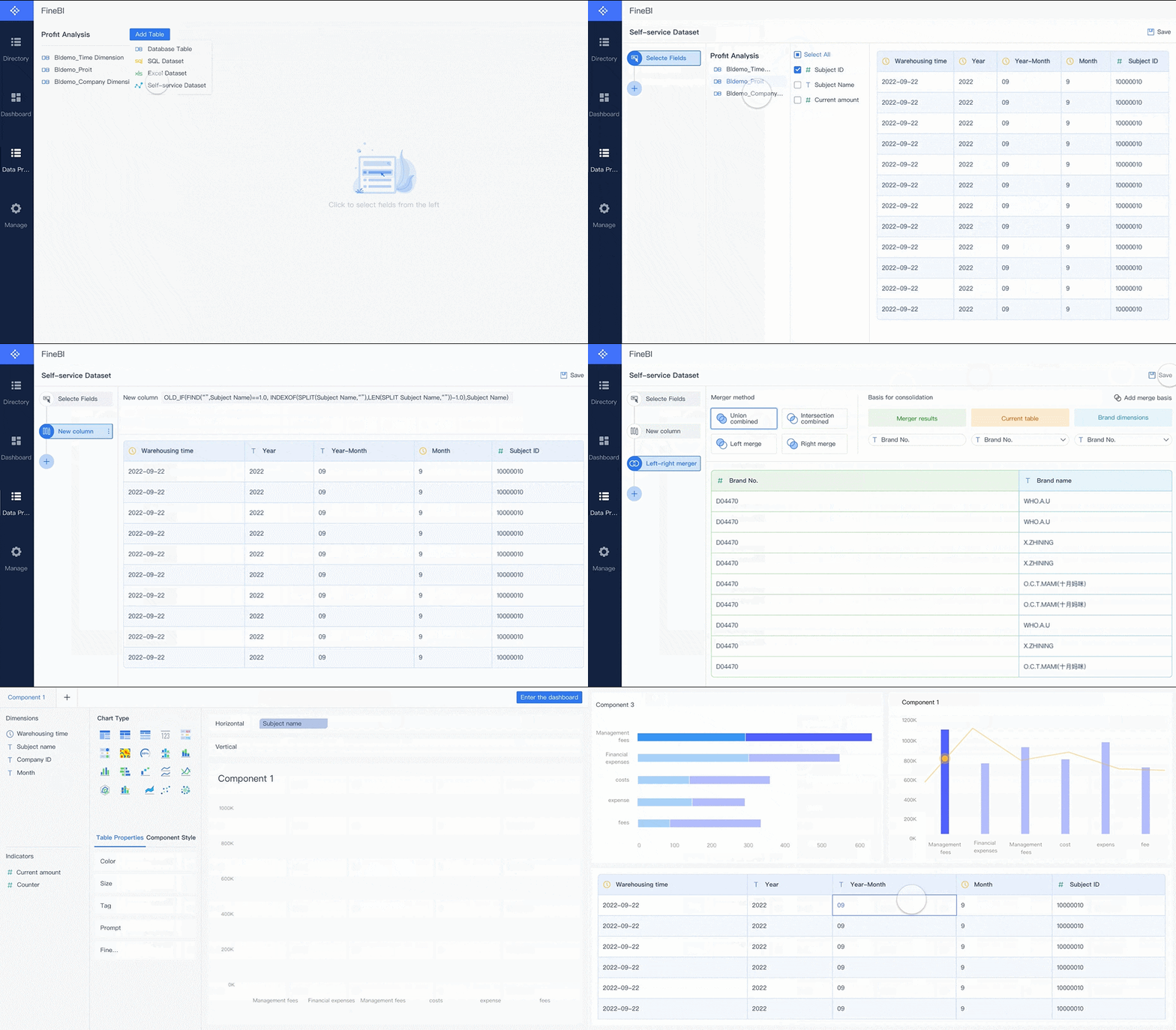
FineBI helps at this stage by consolidating data into a governed analytics model. Instead of building separate reporting logic in every team, organizations can create reusable procurement subjects, dimensions, and KPI definitions.
Standardize data, definitions, and workflows
Procurement performance management fails when the same metric means different things in different places. Savings logic, supplier naming, category mapping, defect attribution, and cycle time timestamps all need standard definition.
Best practice includes:
Harmonizing KPI logic across regions and business units
Defining synonyms and business terms in a semantic layer
Standardizing supplier, material, category, and contract master data
Reducing spreadsheet-based calculations
Aligning workflow stages to measurable timestamps
This is especially important for AI adoption. Dora works best when FineBI already provides trusted dashboards, metrics, and semantic assets. The AI assistant is then operating on governed business meaning rather than guessing from raw labels.
Move from reporting to action
The real shift in procurement performance management is moving from passive reporting to operational response. That means KPI reviews should trigger actions such as:
Supplier performance review
Contract renegotiation
Category strategy update
Corrective action plan
Policy reinforcement
Internal workflow redesign
This is where Agentic BI becomes practical. FineBI provides the trusted analysis view. Dora adds the governed AI workflow that helps users ask follow-up questions, summarize what changed, monitor thresholds, and push actions to responsible owners.
For executives, Dora is not an AI experiment. It is a landed digital employee for recurring data work such as weekly procurement briefings, supplier risk follow-up, monthly performance summaries, and exception escalation.
How an AI Data Agent Handles This Scenario
For procurement performance management, the most relevant Dora digital employees are usually the Data Analyst, Daily Briefing Secretary, and Risk Alert Officer. Together, they help procurement leaders move from reviewing dashboards manually to operating with a repeatable AI assistant layer on top of trusted BI assets.
A scenario-specific question might look like this:
“Show me this quarter’s procurement performance by category: realized savings, contract compliance, supplier on-time delivery, top disruption risks, and the plants with the biggest performance decline.”
Here is how the AI Data Agent workflow typically works:
Retrieve trusted FineBI procurement assets Dora accesses the relevant FineBI dashboard, analysis subject, or governed metric model for procurement performance management.
Understand KPI definitions and semantic rules Dora interprets terms such as savings realized, TCO, contract compliance, and concentration risk based on the enterprise semantic layer, synonyms, filters, and permission rules.
Generate a chart-based answer or dashboard-style analysis view
The user receives a structured response in chat, including charts, tables, trend summaries, and breakdowns by category, supplier, plant, or region.
Detect abnormalities or threshold breaches
If supplier delivery falls below threshold, corrective actions are overdue, or a category shows worsening compliance, Dora can flag the exception automatically.
Push alerts and follow-up tasks to owners
A Risk Alert Officer can send summaries to category managers or supplier owners, while a Daily Briefing Secretary can prepare scheduled updates before a weekly or monthly review.
Produce management-ready summaries Dora can create concise executive or operational summaries for procurement meetings, reducing the time analysts spend reformatting dashboard outputs into status updates.
This matters because procurement leaders rarely need just one metric. They need context, comparison, and follow-up. Dora helps with natural-language data query over trusted BI assets, dashboard and metric retrieval from FineBI assets, and generation of chart-based answers that are grounded in governed enterprise data.
Just as important, Dora is not a generic chatbot. It is an enterprise Data Agent platform built for governed AI workflow. That means Skills-based execution, stronger permission control, KPI governance, semantic rules, and auditable enterprise behavior. Compared with raw prompt-only agents, this creates better landing capability in real procurement environments where access boundaries, metric consistency, and data quality are non-negotiable.
A practical example:
A CPO receives a Monday morning procurement briefing generated by the Daily Briefing Secretary
The summary shows two categories with declining contract compliance and one supplier cluster with rising delay risk
The CPO asks Dora in chat for a deeper breakdown by business unit and supplier
Dora returns a chart-based answer from FineBI assets and identifies the most affected plants
A Risk Alert Officer then pushes notifications to category and plant owners with the relevant exception list
Procurement managers review the issue with a trusted common view, rather than debating whose spreadsheet is correct
This is the shift from “people looking at dashboards” to “AI helping people ask, analyze, generate, push, alert, and follow up.”
Using FineBI + Dora as procurement performance management software
Build unified dashboards for different decision levels
Procurement leaders need different views depending on decision level. A CPO wants strategic signals: savings, compliance, supplier risk, service performance, and trend direction. A category manager needs drill-down visibility into suppliers, contracts, plants, and operational bottlenecks. A plant or operations stakeholder needs issue-specific detail and response status.
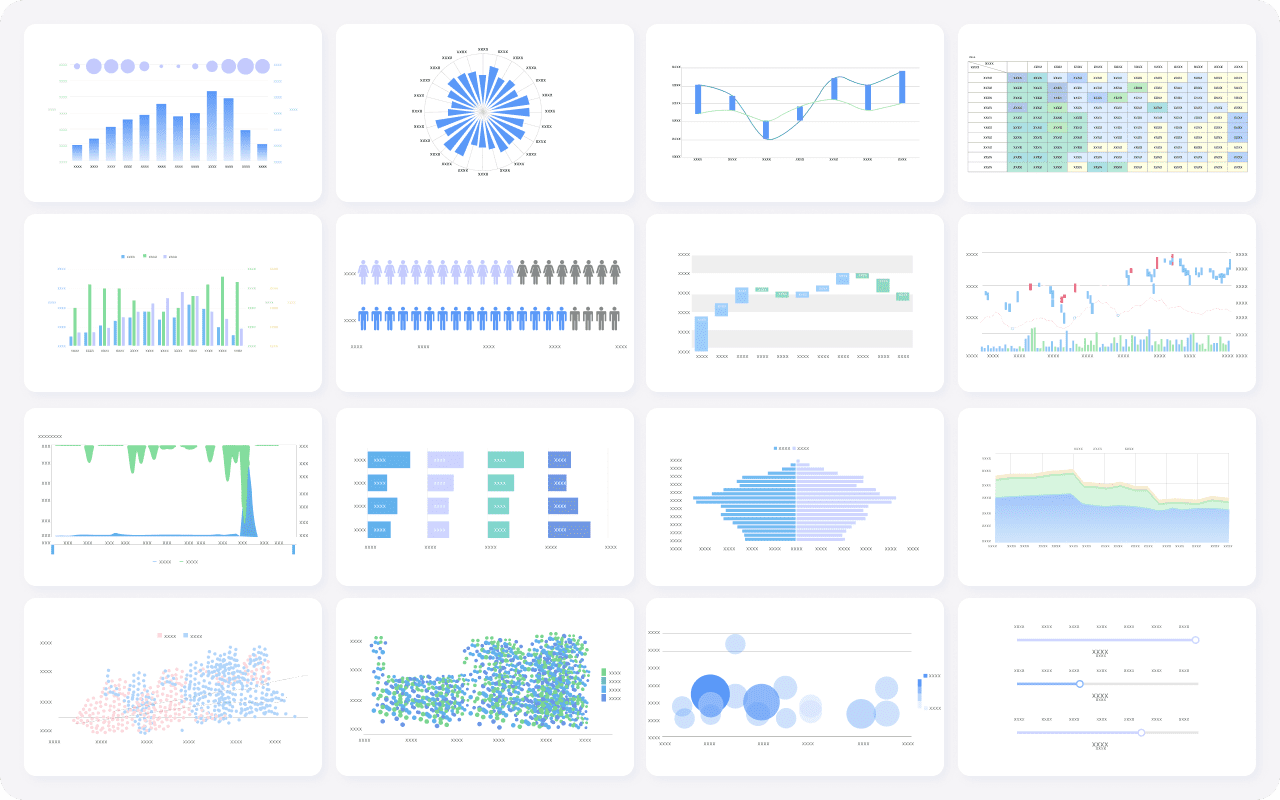
FineBI supports this with unified dashboards built on governed procurement metrics. Teams can move from enterprise overview to category, supplier, and plant-level detail without rebuilding logic in separate tools. The same KPI framework can support both executive and operational review.
Because FineBI is the foundation, dashboard consistency is maintained across procurement lifecycle stages:
Sourcing
Contract management
Purchasing operations
Supplier monitoring
Executive reporting
Combine analytics, automation, and collaboration
Visualization alone does not close performance gaps. Procurement teams also need coordination and follow-through.
FineBI handles trusted dashboards, self-service analytics, metric modeling, and visual exploration. Dora adds the AI assistant and digital employee layer for workflow follow-up, task coordination, issue summarization, alerting, and periodic briefings.
This combination is especially useful for recurring work such as:
Weekly procurement KPI briefings
Supplier exception tracking
Monthly category performance reviews
Contract compliance follow-up
Corrective action monitoring
Executive preparation before governance meetings
Because Dora runs on trusted FineBI assets, users can ask questions in natural language without losing governance. That improves adoption among procurement leaders and business users who need faster answers but cannot afford ambiguous metrics.
Scale visibility across the procurement lifecycle
Many organizations still measure procurement in isolated pockets: sourcing reports here, contract reports there, AP exceptions elsewhere, supplier scorecards in separate files. That fragmentation makes procurement performance management hard to scale.
FineBI + Dora supports a single framework across the procurement lifecycle. FineBI organizes trusted metric and dashboard assets. Dora turns those assets into a scenario-specific AI assistant that can answer questions in chat, produce dashboard-style analysis views, monitor anomalies, and follow up with responsible owners.
For IT teams, this is an important role shift. Instead of manually building every procurement report request, IT can focus on connecting systems, improving data quality, defining permissions, building semantic models, and enabling reusable agent Skills. That is a more scalable enterprise AI path than deploying disconnected prompt tools.
Common pitfalls and how CPOs can improve results faster
Several common mistakes weaken procurement performance management programs.
Measuring too many KPIs without clear business relevance
If everything is a KPI, nothing is a priority. Start with the few metrics most tightly linked to cost, resilience, compliance, supplier outcomes, and stakeholder service.
Relying only on lagging indicators
Savings and annual scorecards matter, but they do not help enough with early intervention. Add leading signals such as cycle time deterioration, late delivery trend shifts, concentration risk movement, and overdue corrective actions.
Ignoring supplier performance management as part of procurement outcomes
Procurement value is not only price. Supplier quality, continuity, responsiveness, and corrective action discipline are central to real business performance.
Failing to connect dashboards to accountability
A dashboard that nobody owns will not change supplier behavior or internal process discipline. Define metric owners, thresholds, review cadence, and escalation paths.
Letting AI run on weak definitions
AI can improve speed and accessibility, but not compensate for poor KPI governance. Dora works best when FineBI provides trusted semantic assets, metric definitions, and permission control.
Actionable Best Practices
1. Standardize KPI definitions, synonyms, and metric ownership
Define exactly how savings, cost avoidance, compliance, TCO, and supplier performance metrics are calculated. Include owners, target values, threshold logic, and approved business terms. This is essential for both dashboard trust and AI interpretation.
2. Build the semantic layer inside the BI workflow
Do not leave KPI meaning buried in tribal knowledge or spreadsheet formulas. FineBI should hold the trusted semantic foundation so every dashboard, chart-based answer, and AI summary uses the same business definitions.
3. Treat data quality as part of the AI implementation
Dora is most effective when supplier master data, contract links, category mapping, timestamp logic, and exception codes are clean enough to support governed AI workflow. AI accuracy in procurement depends on trusted data and semantic setup.
4. Start with high-value recurring workflows
Do not try to automate everything at once. Begin with repeatable, high-friction processes such as weekly procurement briefings, monthly category performance summaries, supplier risk alerts, or contract compliance follow-up. These are the best landing scenarios for an AI digital employee.
5. Preserve permissions, review outputs, and expand gradually
AI outputs should respect FineBI access boundaries. Use human review for AI-generated reports and follow-up summaries in the early phase, then expand Dora Skills as governance, trust, and workflow maturity improve.
Building this manually is complex. FineBI helps teams build trusted dashboards, metrics, and semantic assets. Dora turns those assets into an AI assistant that can answer questions in chat, generate dashboard-style analysis views, push scheduled summaries, monitor anomalies, and follow up with responsible owners.
For procurement performance management, that combination is practical because it fits how enterprises really work:
FineBI creates the governed procurement KPI foundation
Services connect data, governance, semantic setup, Skills, and rollout into an operational solution
FineBI + Dora is not only a BI upgrade; it is a practical fourth-generation Agentic BI path. FineBI provides governed metrics and visual analysis. Dora provides the AI assistant layer for scenario execution, with more controlled Skills, lower token waste, faster execution paths, and more stable workflows than prompt-only agents.
Get Ready-to-Use Dashboard Templates in Fine Gallery
For CPOs, the value is clearer decision-making, better procurement visibility, and more consistent follow-through. For procurement teams, it means less manual reporting and faster response to risk, compliance, and supplier issues. For IT, it is a more controllable enterprise AI architecture built on governed data assets rather than ad hoc prompts.
The strongest Dora pitch is scenario + product + service: FineBI provides the trusted BI foundation, Dora provides the AI digital employee, and implementation service connects data, governance, semantic setup, Skills, and rollout.
Procurement performance management is the process of measuring how well procurement supports cost control, supply continuity, compliance, supplier outcomes, and business decision-making. It moves beyond spend reporting to show whether procurement is delivering real business value.
The most useful KPIs usually cover cost, efficiency, risk, compliance, supplier performance, and stakeholder satisfaction. Common examples include realized savings, total cost of ownership, contract compliance, on-time delivery, cycle time, and supplier risk exposure.
Start by linking procurement KPIs to business priorities such as margin improvement, resilience, or regulatory compliance. Then separate executive-level strategic indicators from operational metrics so reviews stay focused and actionable.
FineBI provides governed dashboards, unified metrics, and drill-down visibility across procurement data sources. Dora adds natural language analysis, chart-based answers, scheduled briefings, and guided follow-up so teams can act faster on issues and opportunities.
Review cadence should match the metric and business risk, with some KPIs tracked weekly and others monthly or quarterly. High-impact areas like supplier risk, delivery issues, and compliance exceptions usually need more frequent monitoring.
Product Trial
FineReport
Pixel-perfect reports · Interactive dashboards · Easy data entry · Digital twins