Financial reporting services help organizations turn raw accounting activity into accurate statements, management insight, and decision-ready reporting. For finance leaders, controllers, operations directors, and business owners, the value is simple: better visibility, faster close cycles, stronger compliance, and more confidence in every strategic decision. If your team is still fighting spreadsheet version issues, delayed reconciliations, or inconsistent board reporting, improving financial reporting services is not optional—it is an operational priority.
Click To Try The Dashboard
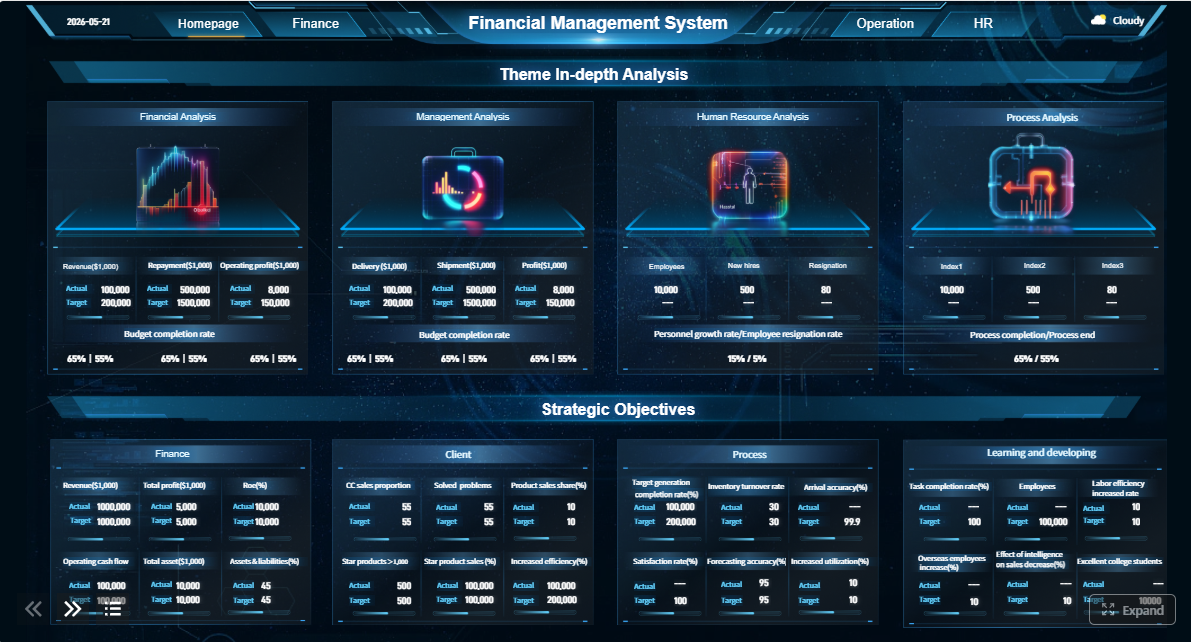
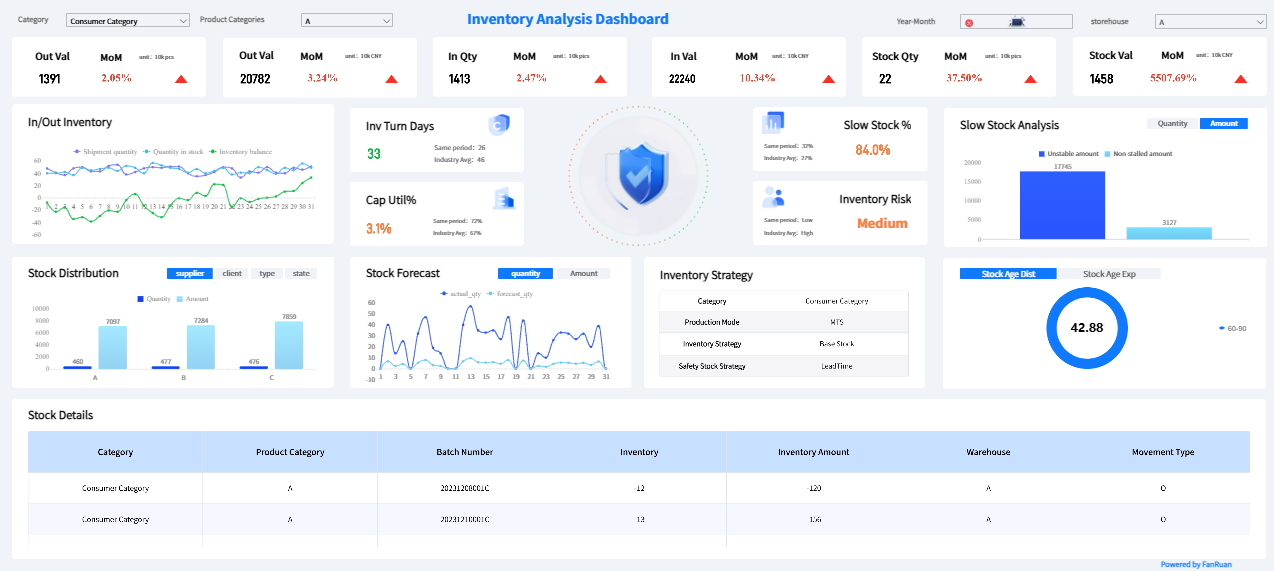
All reports in this article are built with FineReport
In practical terms, financial reporting services are the processes, tools, and professional support used to prepare, validate, present, and distribute financial information. These services are needed by companies that want reliable financial statements, leadership reporting, lender-ready packages, board materials, and audit-supporting documentation.
Small businesses may need basic monthly reports and cash flow visibility. Mid-sized companies often need faster closes, departmental reporting, and stronger controls. Larger enterprises, nonprofits, and public-sector organizations usually require more formal reporting structures, multi-entity consolidation, and compliance-focused documentation.
The typical deliverables go beyond the standard three financial statements. A mature reporting function often includes:
Compliance-ready documentation: Reconciliations, supporting schedules, control evidence, and period-end workpapers
Operational reporting: Revenue by product, cost center performance, headcount trends, project margins, and collections analysis
Key Metrics (KPIs)
To make financial reporting services useful, not just accurate, organizations should define a small set of standard KPIs:
Revenue growth: Measures top-line expansion over time
Gross margin: Shows how efficiently the business delivers products or services
Operating margin: Indicates operating profitability before financing and taxes
Net income: Reflects overall profitability after all expenses
EBITDA: Helps leaders compare operating performance across periods or entities
Cash from operations: Shows whether the core business generates cash sustainably
Days sales outstanding (DSO): Tracks how quickly receivables are collected
Current ratio: Measures short-term liquidity and ability to meet obligations
Budget variance: Compares actual performance against plan
Close cycle time: Measures how long it takes to finalize reporting after period-end
Forecast accuracy: Shows how reliable planning assumptions are
Working capital: Indicates near-term financial flexibility
A common point of confusion is the difference between routine reporting, advisory support, and assurance-related work.
Routine reporting focuses on preparing recurring statements and management reports
Advisory support goes further by interpreting results, identifying risks, and guiding decisions
Assurance-related work includes services like reviews and audits performed under defined standards to provide external credibility
That distinction matters because many organizations need all three at different stages of growth—but they should not expect them from the same workflow or at the same cost level.
Core financial statements and related reporting outputs
Financial reporting services are built around a core reporting package. The statements themselves matter, but so do the details, explanations, and service level behind them.
Balance sheet, income statement, and cash flow statement
The balance sheet shows what a business owns, what it owes, and the equity remaining at a point in time. Leaders use it to assess liquidity, leverage, and overall financial position.
The income statement shows revenue, expenses, and profit over a period. It helps management evaluate profitability, pricing, cost control, and operational performance.
The cash flow statement explains how cash moved through operating, investing, and financing activities. This is often where leadership discovers that reported profit and real cash availability are not the same thing.
Treating one-time items as normal operating performance
These errors do not just create accounting noise. They affect pricing decisions, hiring plans, investor updates, debt compliance, and credibility with stakeholders.
Notes, disclosures, and management commentary
The numbers alone rarely tell the full story. Supporting notes and disclosures explain accounting policies, unusual transactions, debt obligations, commitments, related-party activity, and risk areas. Lenders, investors, regulators, and auditors depend on these details to understand what sits behind the totals.
Narrative commentary is equally important in internal reporting. A well-prepared management note can explain why margins changed, why cash collections lagged, why inventory rose, or why a forecast was revised. That context helps boards and executives avoid overreacting to isolated figures.
Strong financial reporting services combine quantitative reporting with qualitative interpretation. That is what turns a report packet into a decision tool.
Compilations, reviews, and audits
These three service levels are often misunderstood, so plain language matters.
Compilation: An accountant organizes financial information into statement form but does not provide assurance on accuracy
Review: A CPA performs analytical procedures and inquiries to provide limited assurance that nothing appears materially wrong
Audit: A CPA performs more extensive testing and evidence gathering to provide reasonable assurance that the statements are fairly presented
Here is the practical comparison:
Compilation
Lowest scope
Lowest cost
Common for internal use or basic lender requests
Review
Moderate scope
Moderate cost
Often used by growing businesses needing more credibility without full audit burden
Audit
Highest scope
Highest cost
Usually required by investors, lenders, boards, grant agreements, or regulators
A business may only need internal reporting if ownership is closely held and external requirements are limited. But once debt covenants, investor expectations, grant compliance, acquisitions, or formal governance enter the picture, outside assurance becomes much more likely.
How the financial close process supports accurate reporting
Financial reporting quality is determined long before the final report is distributed. It starts with the close process.
Monthly, quarterly, and year-end close workflows
A disciplined close process is the engine behind reliable reporting. Whether the cycle is monthly, quarterly, or year-end, the same core activities apply:
Collect source data from ERP, bank feeds, payroll, billing, expenses, and subledgers
Reconcile key accounts such as cash, receivables, payables, inventory, debt, and intercompany balances
Post journal entries for corrections, reclasses, allocations, and period-end adjustments
Record accruals for earned expenses or revenue not yet invoiced or paid
Apply cutoff procedures to ensure transactions are recorded in the correct period
Review variances against prior month, budget, and forecast
Finalize statements and reporting packs for management and stakeholders
When this workflow is managed consistently, reports are not only more accurate—they are also faster. Timeliness matters because stale numbers reduce strategic value. A clean close lets executives act while there is still time to course-correct.
Internal controls and documentation standards
Fast reporting without control is dangerous. Effective financial reporting services rely on internal controls that reduce risk and create accountability.
Key control elements include:
Approval workflows for journal entries and adjustments
Close checklists with named owners and due dates
Evidence trails linking every balance to support
Role segregation for preparation, review, and approval
Version control for final reports and schedules
Standardized templates for recurring reconciliations and commentary
Consistency becomes critical as a company grows. Informal finance habits may work in an early-stage business, but they break down under investor scrutiny, external audit, or multi-entity complexity. Regulated organizations and nonprofits need even stronger documentation standards because reporting often supports funding, compliance, and public accountability.
Common bottlenecks and how teams solve them
Most reporting delays come from a few predictable problems:
Manual spreadsheet consolidation
Missing source data from disconnected systems
Unclear ownership of close tasks
Late accrual inputs from department heads
Rework caused by inconsistent mapping or classification
Excessive back-and-forth during review
Practical solutions usually do not require reinventing finance. They require operational discipline:
Build a formal close calendar with deadlines and accountable owners
Standardize account reconciliations and variance thresholds
Automate data pulls from source systems
Create report templates that update from governed data models
Review issues weekly, not only at month-end
A seasoned finance leader knows that shortening the close is not about skipping steps. It is about removing avoidable friction.
Technology and tools used to deliver better reporting
Technology now plays a central role in modern financial reporting services. The goal is not simply prettier charts. It is faster consolidation, less manual error, stronger control, and more usable insight.
Reporting software and dashboard automation
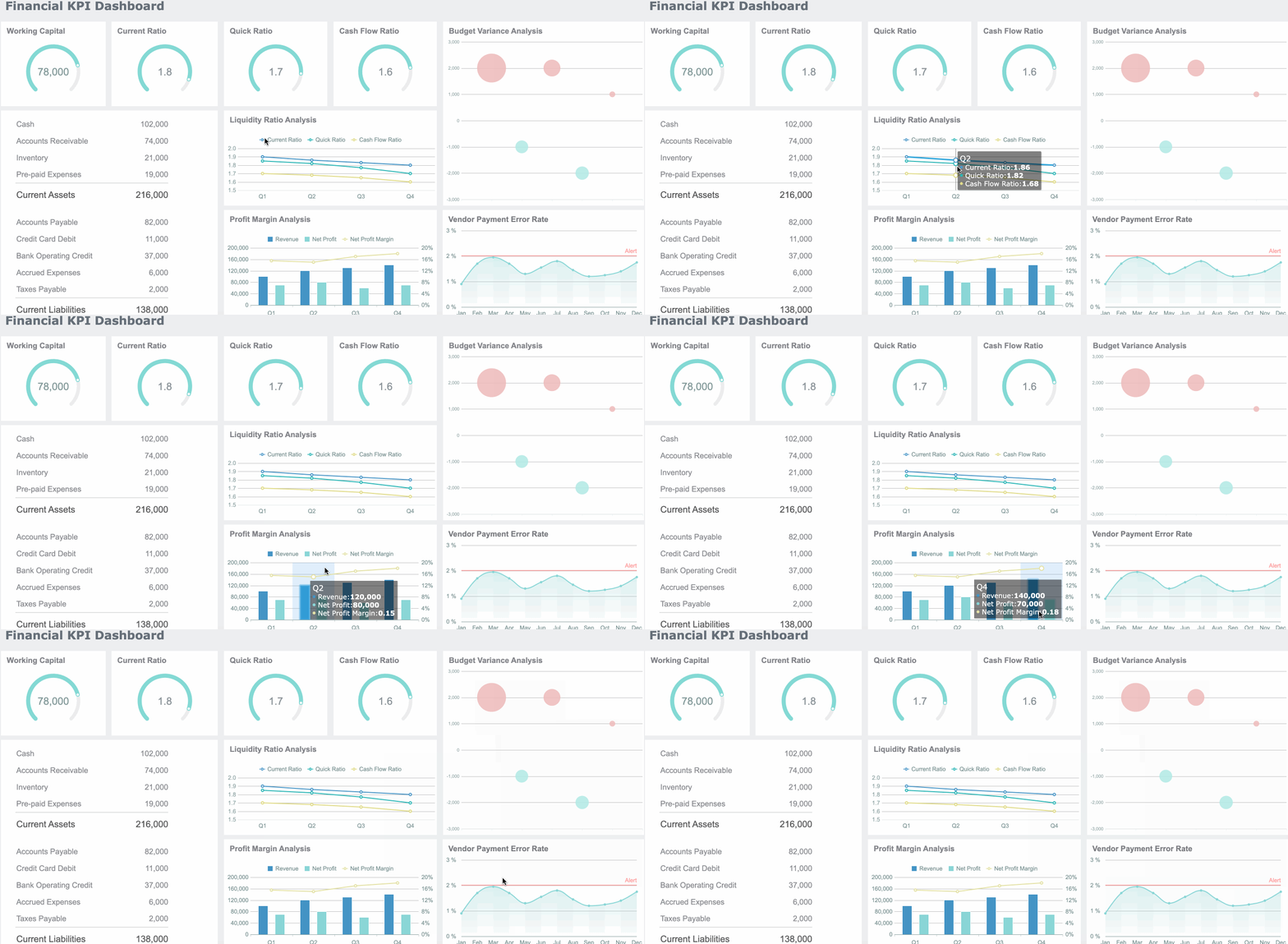
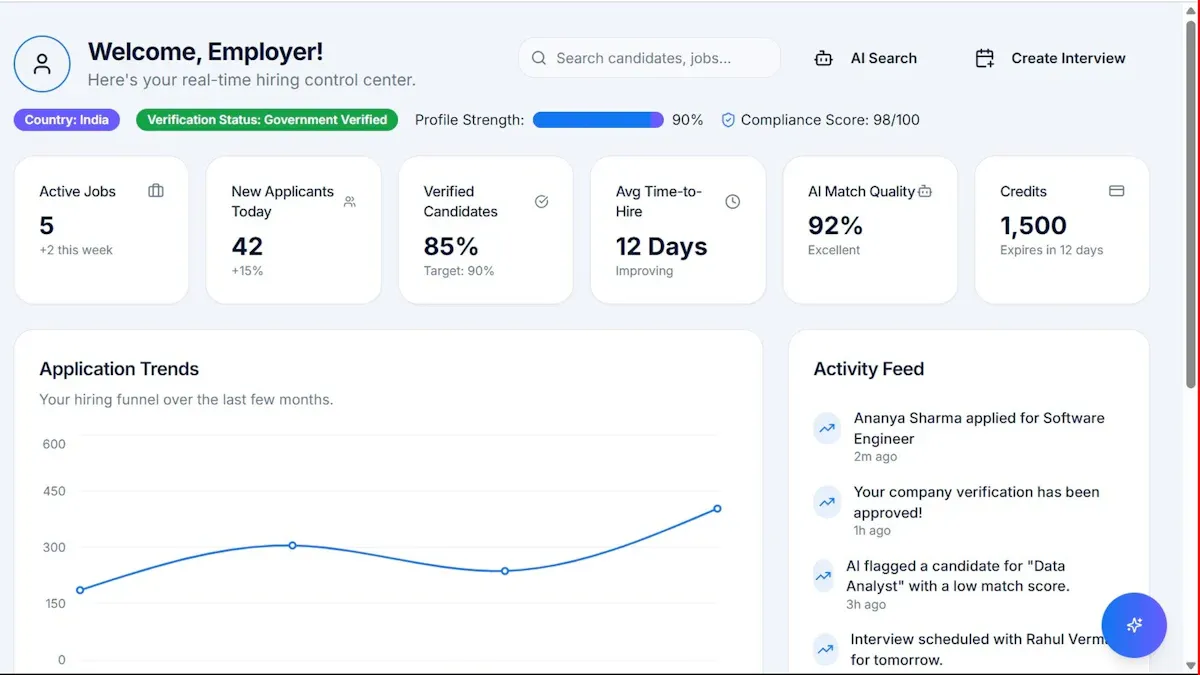
Modern reporting platforms consolidate data from multiple systems, standardize calculations, automate report formatting, and distribute dashboards in real time. That dramatically reduces dependence on spreadsheet-heavy workflows.
Finance teams should look for software that can support:
Auditability of data transformations and report logic
For accountants and controllers, the best tools improve accuracy and control. For executives and boards, the best tools improve speed of understanding.
Data integration, customization, and scalability
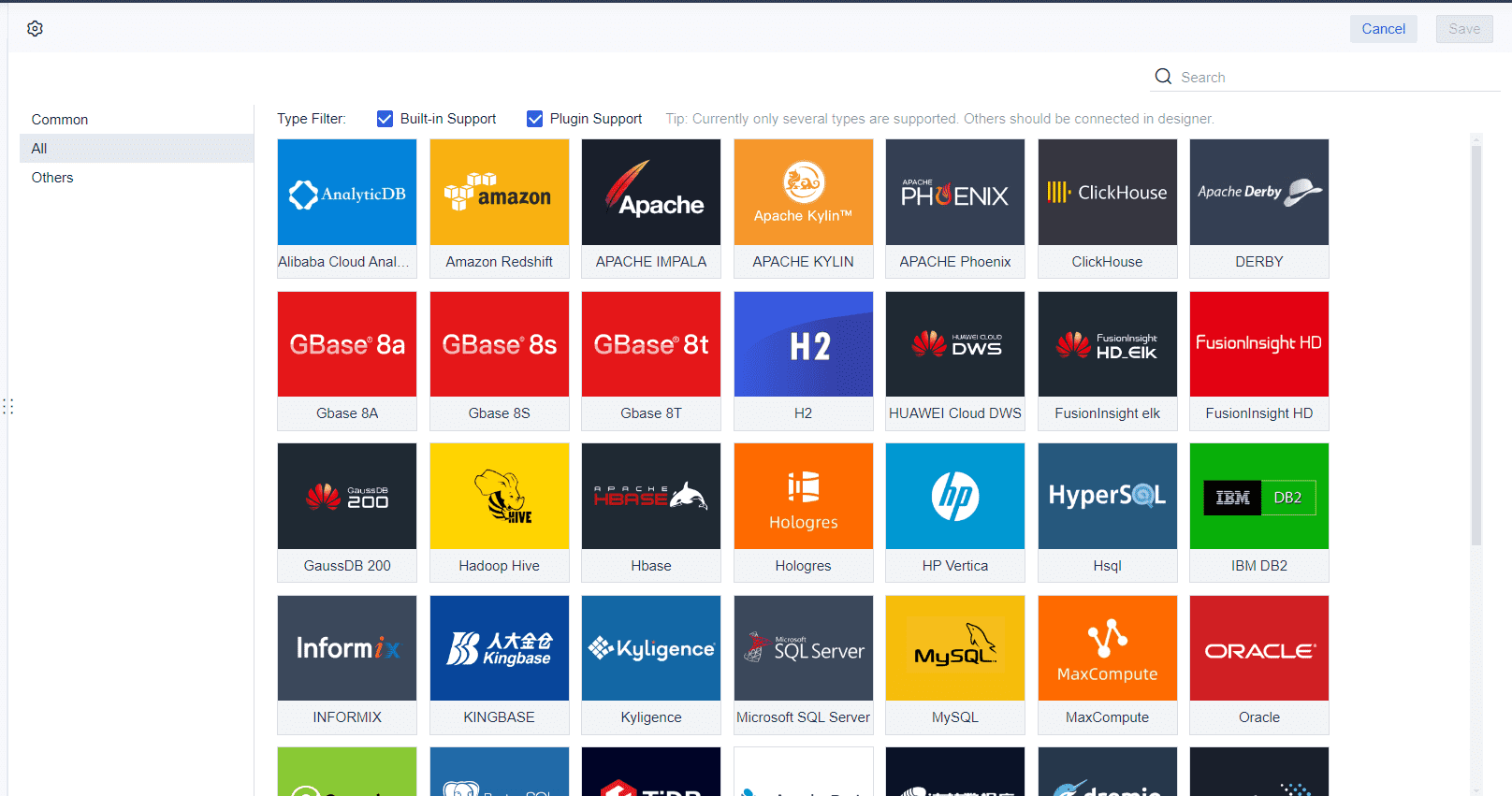
Effective reporting tools should connect with the systems where financial data originates, including:
ERP and general ledger systems
Payroll platforms
Expense management tools
Billing and subscription systems
CRM and order systems
Procurement and AP platforms
Budgeting and forecasting applications
As companies grow, spreadsheets usually become the constraint. Warning signs include broken formulas, duplicate files, slow consolidation, inconsistent departmental views, and heavy manual preparation time. That is when organizations outgrow basic reporting and need a more scalable reporting architecture.
Customization also matters. A CFO needs executive-level summaries. Department heads need operational drill-downs. Boards need concise performance narratives. Lenders may want covenant-specific reporting. One rigid report format cannot serve all of them well.
How financial reporting services support decisions and compliance
Strong reporting is not just about historical recordkeeping. It supports strategic action, governance, and stakeholder trust.
Decision support for owners, executives, and boards
Financial reporting services help leadership make decisions in areas such as:
Budgeting and resource allocation
Forecasting and scenario planning
Pricing and margin management
Hiring and compensation planning
Cash preservation and working capital control
Capital investment and financing decisions
The most useful reports move beyond backward-looking totals. They connect financial history to forward-looking action. That means monitoring metrics such as:
When financial reporting services are mature, leadership stops asking, “What happened?” and starts asking, “What should we do next?”
Compliance, external stakeholders, and public-sector reporting
Different stakeholders expect different forms of reporting.
Lenders want reliable statements, covenant calculations, and timely delivery
Investors want consistent performance reporting, commentary, and often assurance
Tax preparers need clean books and supporting schedules
Grantors may require restricted fund tracking and expenditure reports
Government oversight bodies often require strict format, fund accounting, and documentation controls
Expectations also vary by organization type:
Private companies often prioritize management reporting, lender requirements, and investor readiness
Nonprofits must track grants, restrictions, program spending, and board transparency
Public entities generally face stricter reporting standards, audit expectations, and accountability requirements
This is why financial reporting services must be designed around stakeholder use cases, not just accounting output.
Choosing the right provider or service model
There is no single best model for every organization. Common options include:
Outsourced reporting support: Good for small and mid-sized businesses needing flexibility without full in-house staffing
Controller services: Useful when a business needs stronger close oversight, reporting structure, and process ownership
CPA firms: Often best for assurance, technical accounting, and formal external reporting support
In-house finance teams: Ideal when reporting needs are ongoing, complex, and tightly linked to operations
When evaluating providers, ask direct questions:
How do you ensure reporting accuracy?
What is your standard turnaround time after month-end?
What close process discipline do you follow?
What industries do you understand deeply?
How do you handle reconciliations, review, and issue resolution?
What tools do you use for dashboards and recurring reporting?
How do you communicate findings to non-financial stakeholders?
Can your model scale as we add entities, departments, or reporting requirements?
A strong provider does more than produce financial reports. They help create a reporting system leaders can trust.
Best practices for implementing financial reporting services effectively
If you want financial reporting services to improve business performance, not just compliance, implement them with structure.
1. Standardize the reporting package first
Define a core monthly reporting pack before adding complexity. This should include the three financial statements, budget vs actual views, KPI summaries, and management commentary. Standardization reduces confusion and makes trend analysis meaningful.
2. Shorten the close by fixing data ownership
Assign owners for every key input: billing, payroll, expenses, accruals, reconciliations, and approvals. Most close delays come from unclear accountability, not accounting difficulty.
3. Build controls into the workflow, not after it
Use checklists, approval routing, and reconciliation standards as part of the normal process. Do not rely on heroic review work at the end to catch preventable issues.
4. Design reports for the audience
Executives need summary, trend, and action signals. Managers need operational detail. Boards need concise insight and governance-ready presentation. One-size-fits-all reporting creates noise.
5. Automate recurring reporting wherever possible
Automate data refreshes, dashboard updates, variance views, and scheduled distribution. This saves finance time for analysis instead of repetitive preparation.
Build financial reporting services faster with FineReport
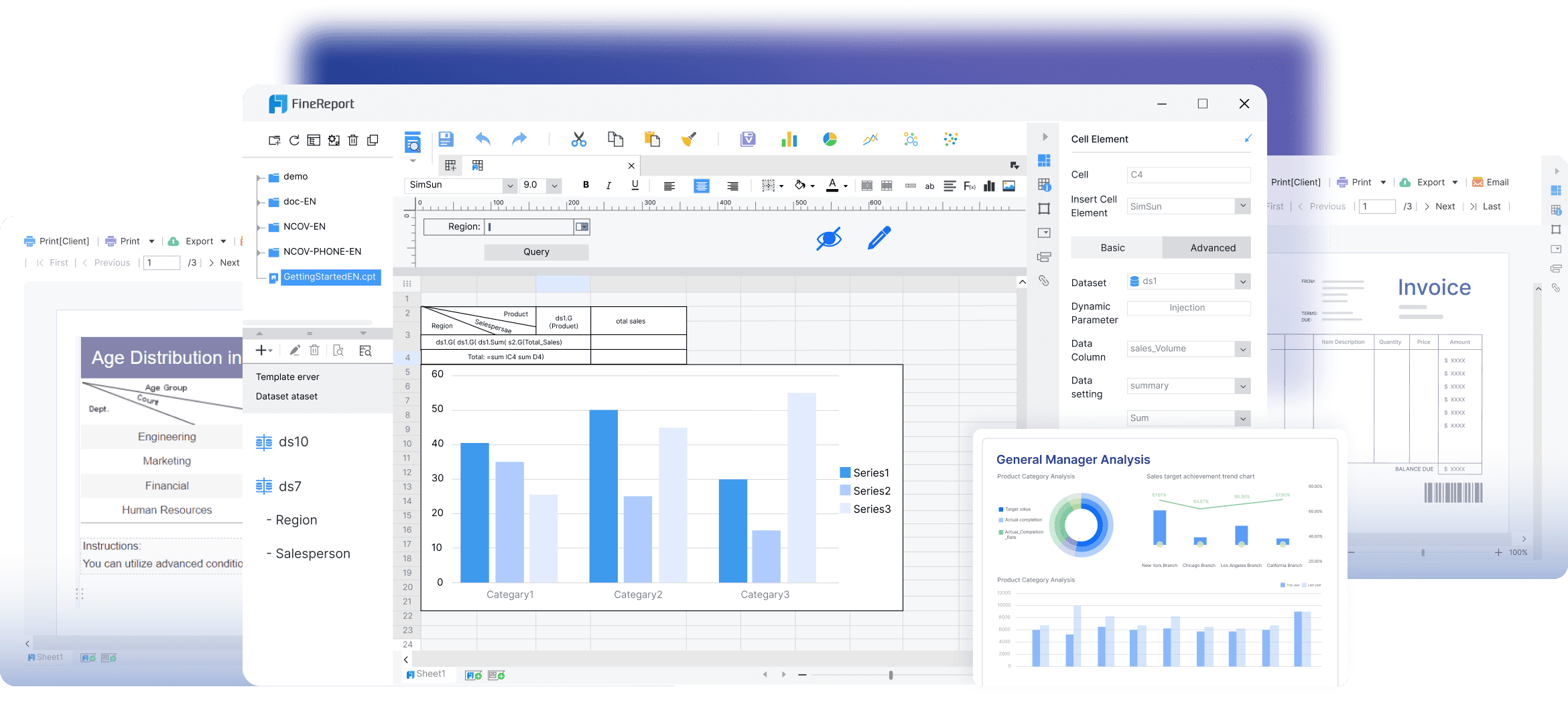
Building this manually is complex; use FineReport to utilize ready-made templates and automate this entire workflow. For organizations trying to improve close speed, reporting accuracy, dashboard consistency, and executive visibility, FineReport provides a practical path from fragmented spreadsheets to scalable financial reporting services.
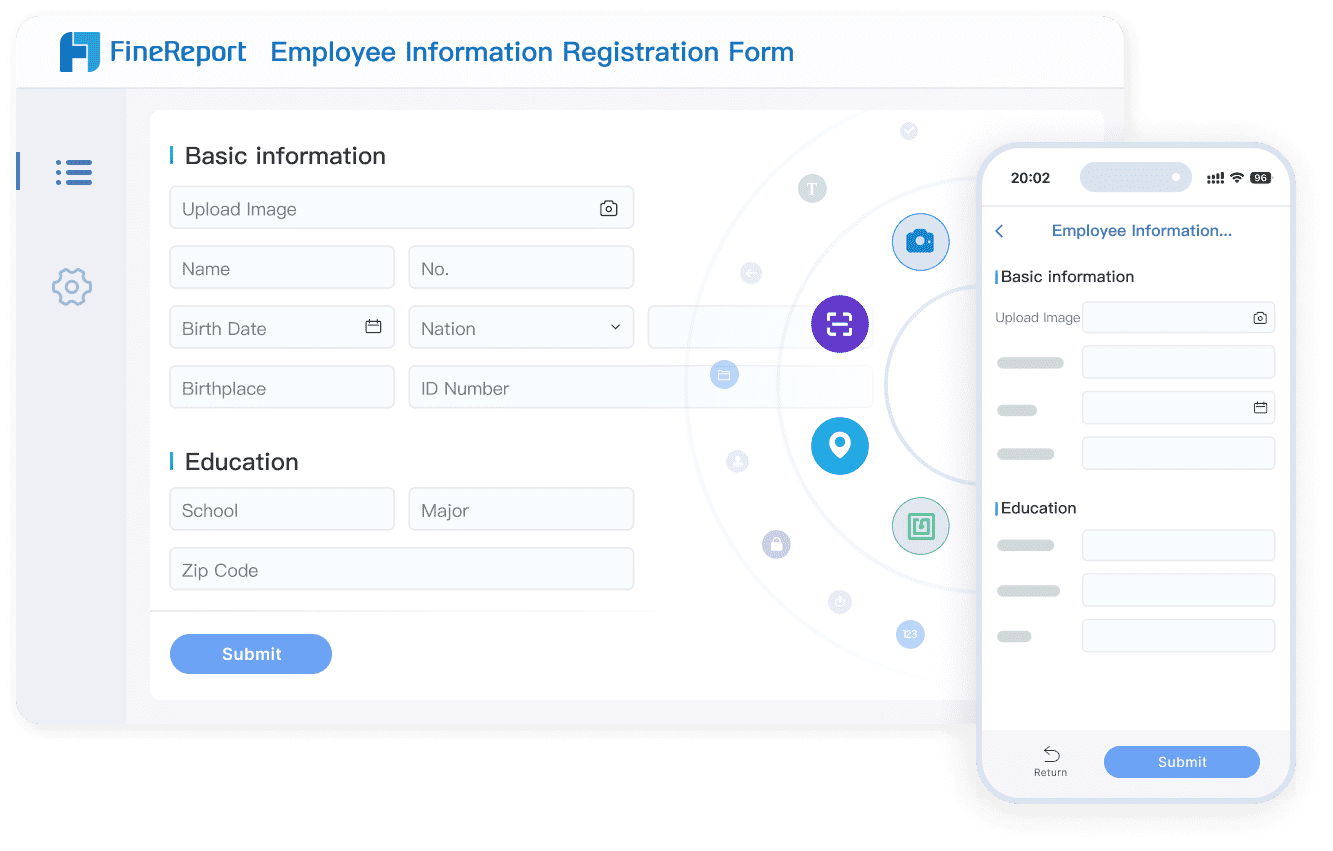
FineReport helps finance teams centralize data, standardize statement layouts, automate dashboards, and deliver role-specific reports for management, boards, and external stakeholders. Instead of rebuilding the same reporting package every month, teams can deploy repeatable workflows and keep attention on analysis, controls, and decision support.
Get Ready-to-Use Dashboard Templates in Fine Gallery
FineReport is especially useful when your organization needs to:
Consolidate data from multiple business systems
Replace manual spreadsheet reporting with governed dashboards
Create standardized monthly and quarterly reporting packs
Support drill-down analysis without sacrificing control
They usually include preparation of the balance sheet, income statement, and cash flow statement, along with management reports, reconciliations, close support, and reporting packages for leadership or boards. More advanced services may also cover consolidation, compliance documentation, and analysis of key performance indicators.
Most businesses need monthly reporting to track performance and manage the close process effectively. Some also use weekly dashboards for operations and quarterly or annual reporting for boards, lenders, or external requirements.
They improve the close by standardizing workflows, reconciling accounts on time, and reducing manual spreadsheet work. This helps teams catch errors earlier and deliver final reports faster with more consistency.
Financial reporting focuses on producing accurate recurring statements and management reports. Advisory support adds interpretation and decision guidance, while an audit is an independent assurance service performed under formal standards.
Yes, small businesses often gain clearer cash flow visibility, more reliable monthly statements, and better budgeting decisions. Outsourced reporting can also provide stronger accuracy and controls without building a full in-house finance team.
Product Trial
FineReport
Pixel-perfect reports · Interactive dashboards · Easy data entry · Digital twins