If you are searching for finance reporting software, you are likely trying to solve a familiar CFO problem: finance data exists across ERP systems, spreadsheets, and BI dashboards, but producing reliable, board-ready, repeatable reports still takes too much manual work.
For CFOs, controllers, and finance operations leaders, the right finance reporting software should do more than display charts. It should help your team automate recurring reports, support governance and auditability, handle multi-entity complexity, and produce clear outputs for executives, managers, auditors, and business stakeholders.
This guide focuses on what matters most in a real buying decision: reporting depth, automation, governance, integrations, and CFO usability. It is especially useful if you are replacing spreadsheet-based reporting, trying to close faster, or finding that your current BI tool is good for analysis but weak for structured financial reporting.
Industry-focused performance and governed reporting
Regulated or data-intensive sectors
How to use this guide if you are replacing spreadsheets, BI dashboards, or legacy financial reporting systems
Use this guide in three steps:
Identify your reporting bottleneck: data consolidation, close-cycle effort, board pack preparation, or governance.
Match software to workflow maturity: lightweight finance teams need speed; larger enterprises may need stronger controls and consolidation logic.
Separate dashboarding from reporting depth: many tools visualize KPIs well, but not all handle printable, governed, recurring financial reporting equally well.
How CFOs should evaluate finance reporting software
Reporting depth and consolidation capability
Finance reporting software should first be judged on whether it can support the actual reporting package your finance team produces every month, quarter, and year.
For CFOs, reporting depth is often the difference between a tool that looks good in demos and one that genuinely reduces finance effort. A platform may have attractive dashboards but still struggle when you need tightly formatted statements, recurring board reports, or a complete monthly close reporting workflow.
Automation, controls, and workflow
Strong finance reporting software should reduce repetitive manual work while strengthening trust in the numbers.
Governance matters because finance reports are not just internal analytics artifacts. They often inform decisions, compliance processes, lender discussions, and executive communication. If users cannot trace changes or control who sees what, reporting risk increases.
Integration and implementation quality often determine whether a finance reporting project succeeds.
CFOs should evaluate:
Native or practical ERP connectivity
Data model flexibility
Support for multiple source systems
Implementation effort
Ongoing administration burden
Pricing structure
Scalability as entities and reports grow
Vendor support responsiveness
Expected time to value
A tool that is powerful but too complex to maintain may create a new dependency problem. On the other hand, a lightweight tool may deploy quickly but hit limits when reporting structures become more complex.
The 7 best financial reporting software tools CFOs should compare
Tool 1: Best for ERP-connected operational and financial reporting
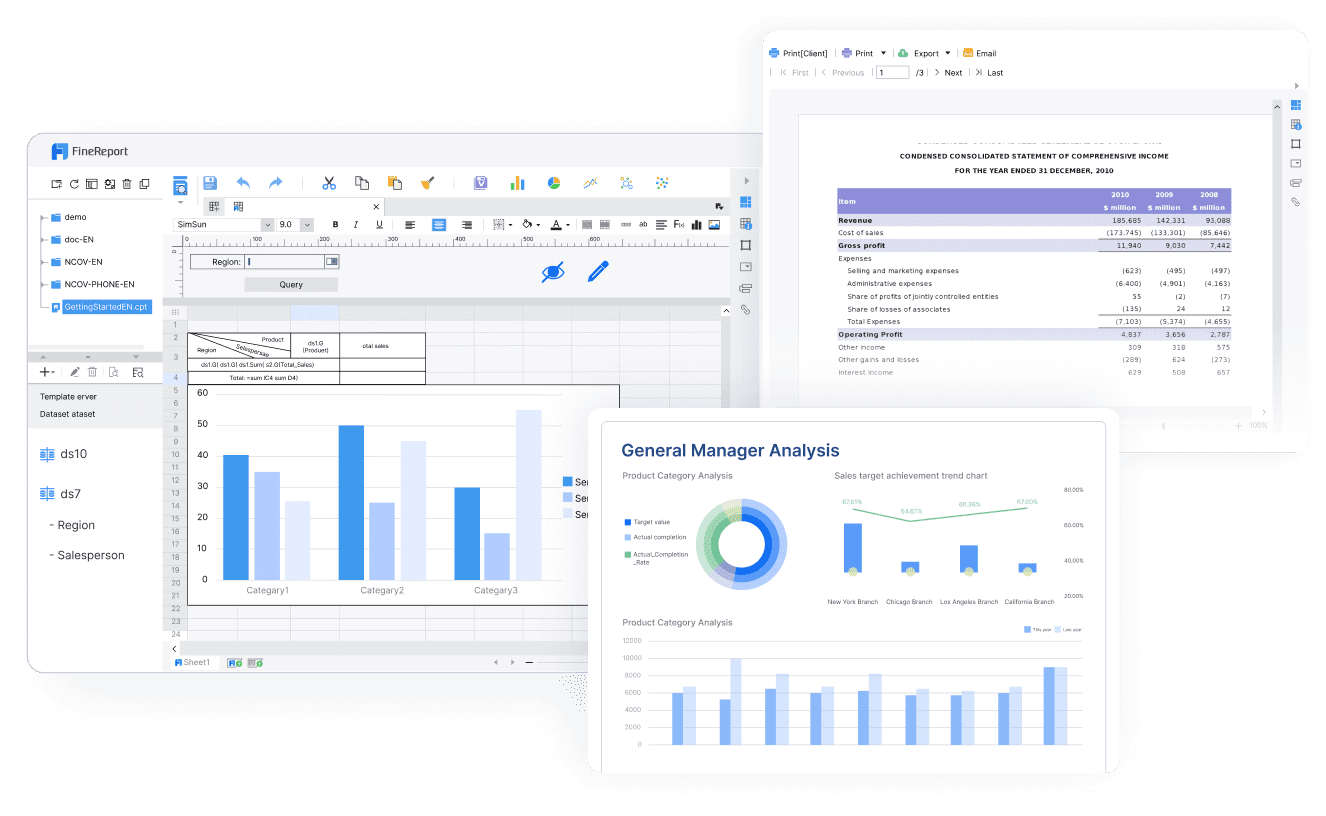
FineReport is a practical option when finance reporting is closely tied to broader enterprise reporting needs. It is especially relevant for teams that need pixel-perfect reports, scheduled distribution, parameter queries, dashboard integration, and operational reporting alongside finance outputs.
Tools like BI dashboards are helpful for visualization, but finance teams often need structured, printable, highly formatted reports that can be distributed on schedule and governed across departments. This is where FineReport fits naturally.
Core strengths
Pixel-perfect report design for highly formatted finance outputs
Supports paginated and printable reports
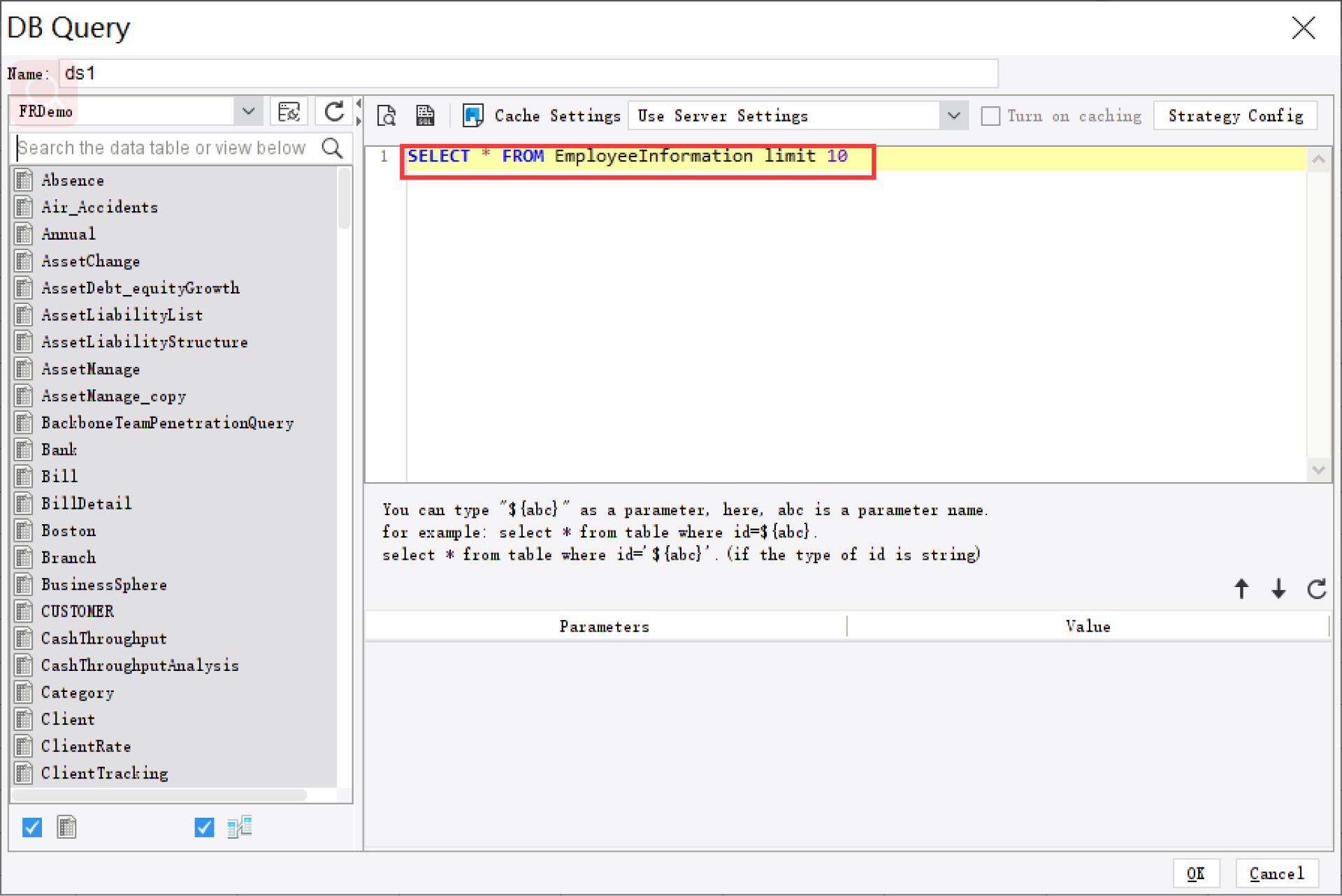
Parameter queries for flexible report filtering
Scheduled reporting and automated distribution
Combines dashboards with detailed reports
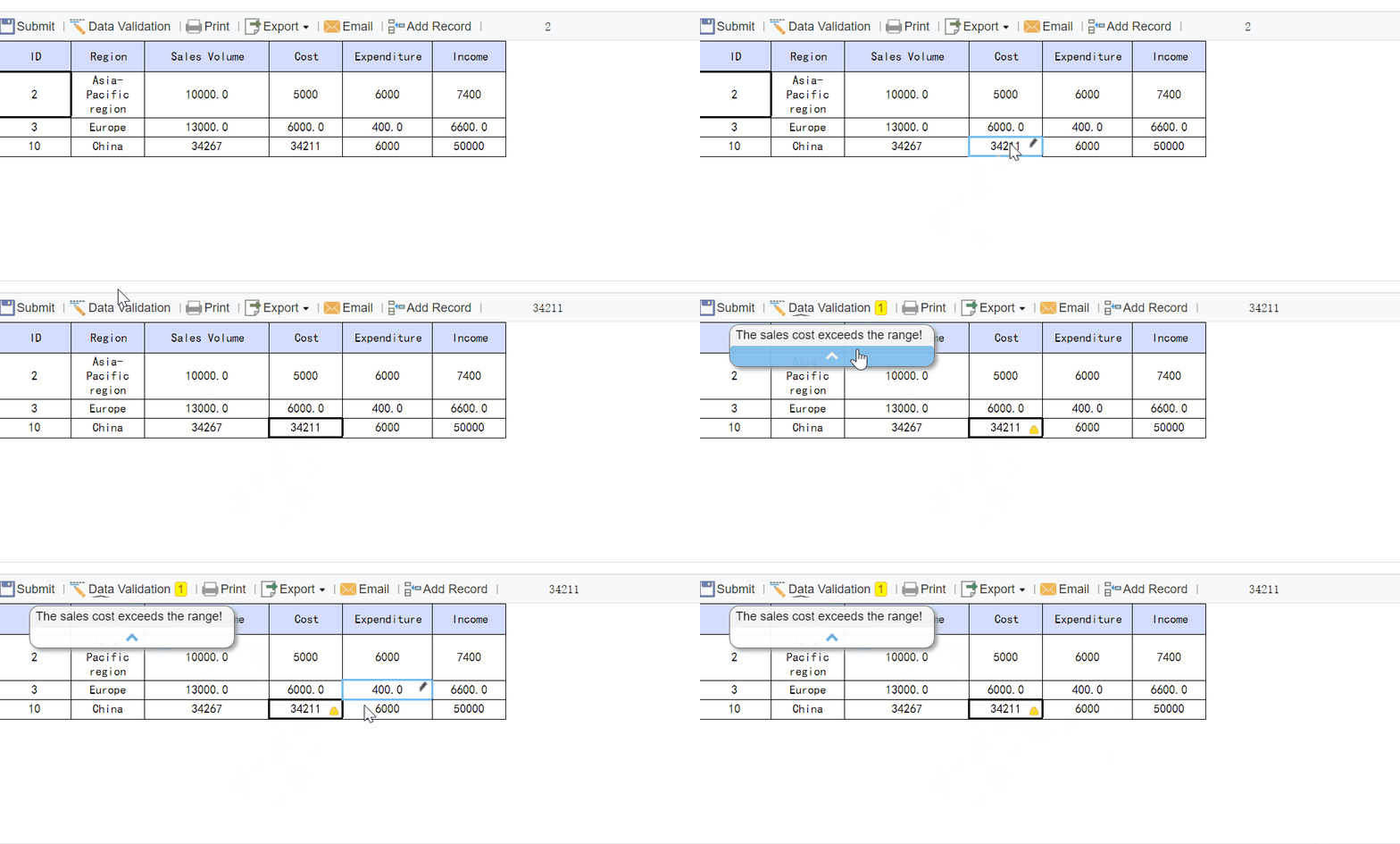
Can support data entry and form-based workflows where finance processes require controlled input
Tool 2: Best for enterprise-grade governance and close-linked reporting
OneStream is widely considered a strong choice for large enterprises that need consolidation, reporting, and performance management in a single governed environment.
Core strengths
Supports complex consolidations and multi-entity structures
Strong governance and traceability
Designed for enterprise finance processes tied to close and reporting
Useful for organizations that want a unified CPM approach
Ideal use case
Large enterprises with multiple entities, currencies, and ownership structures
Finance teams that need close-linked reporting with high control requirements
Notable limitations
Can be more than smaller teams need
Implementation effort may be significant compared with lighter tools
Reporting depth profile
Strong for board reporting, consolidations, statutory-style outputs, and finance-led drill-down review
Tool 3: Best for fast deployment in mid-market finance teams
Prophix is often shortlisted by mid-market finance teams that want structured reporting, planning support, and workflow automation without the weight of a large enterprise transformation.
Core strengths
Practical automation for recurring finance processes
Good fit for reporting, budgeting, and forecasting in one environment
Governance features such as permissions and auditability are commonly valued
Helps reduce manual effort in monthly reporting cycles
Tool 4: Best for Excel-centric teams that need stronger control
Vena appeals to finance teams that still rely heavily on Excel and want more control, workflow, and centralization without abandoning familiar reporting habits.
Core strengths
Builds on an Excel-centered user experience
Adds workflow, centralized data, and stronger control
Familiar for accountants and finance analysts
Supports recurring reporting and planning use cases
Ideal use case
Organizations with strong Excel adoption
Teams that want governance improvements without a full process redesign
Notable limitations
Teams trying to move away from Excel dependence may view this as a transitional model rather than a long-term destination
User experience is still shaped by spreadsheet logic
Reporting depth profile
Strong for finance teams producing standard statements, recurring management packs, and controlled spreadsheet-based reporting
Tool 5: Best for multi-entity and consolidation-heavy environments
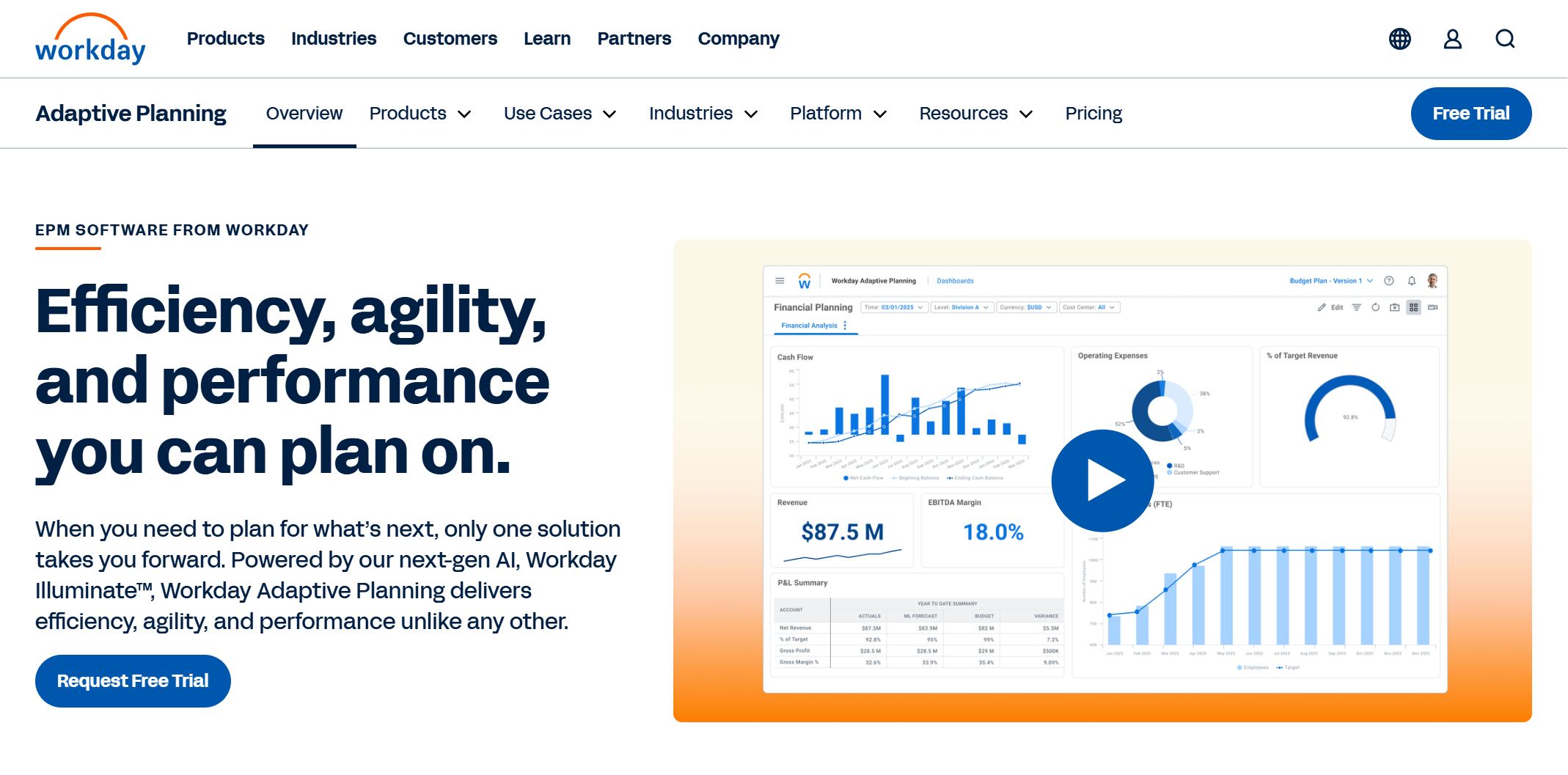
Workday Adaptive Planning is a strong option for organizations that need scalable cloud planning and reporting across multiple entities and business dimensions.
Core strengths
Multi-dimensional modeling
Supports complex entity structures and scenario planning
Cloud-based collaboration
Useful for connecting planning and reporting workflows
Ideal use case
Growing or enterprise organizations with multiple business units
Teams that need reporting and planning to work together
Notable limitations
Some organizations may find it more planning-oriented than purely reporting-focused
Buyers should validate how well final report formatting fits executive and board requirements
More tools worth shortlisting for specialized reporting needs
Tool 6: Best for accounting-led client and portfolio reporting workflows
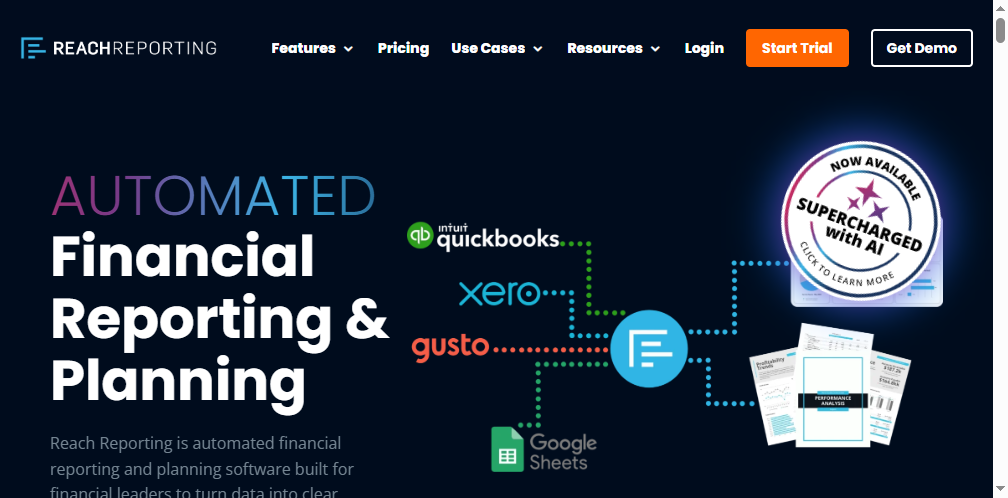
Reach Reporting is often considered by accountants, outsourced finance teams, and portfolio reporting users that prioritize straightforward financial presentation and communication.
Core strengths
Accessible reporting for accountants and advisors
Supports visual financial storytelling
Useful for recurring reporting across multiple clients or portfolio entities
Ideal use case
Accounting firms
Fractional CFO teams
Firms managing recurring stakeholder updates across portfolios
Notable limitations
May be less suitable for large enterprises with deeper governance and cross-system reporting complexity
Buyers should assess fit for highly customized internal reporting structures
Reporting depth profile
Best for simplified financial presentation and stakeholder reporting rather than deep enterprise consolidation
Tool 7: Best for compliance-sensitive and highly governed reporting environments
Syntellis Performance Solutions is often associated with organizations that operate in regulated or highly structured sectors and need governance-rich reporting with domain-specific depth.
Core strengths
Strong governance and compliance orientation
Useful analytical depth for data-intensive sectors
Supports structured decision support and governed reporting processes
Ideal use case
Healthcare, higher education, financial services, and other regulated environments
Organizations that need more controlled reporting and performance management
Notable limitations
May be more specialized than general corporate finance teams require
Industry fit should be validated early in the buying process
Reporting depth profile
Strong for governed reporting, sector-specific analysis, and controlled enterprise workflows
Side-by-side comparison: automation, governance, and reporting depth
For organizations that produce high volumes of recurring reports across entities, branches, departments, or management layers, distribution and scheduling often matter as much as data modeling.
Which tools are strongest for governance and auditability
If governance is the top priority, look for:
Role-based access
Approval or review flow support
Audit trails
Version control
Traceable report changes
Strong governance contenders
OneStream
Syntellis
Prophix
Vena
FineReport is also relevant where governed enterprise report access, scheduled delivery, and controlled report design are priorities, especially in organizations balancing finance and operational reporting needs.
Which tools are strongest for reporting depth
Reporting depth means the software can support both finance structure and executive communication quality.
That includes:
Board-ready outputs
Consolidations
Custom metrics
Variance analysis
Drill-down review
Detailed and printable report packages
Strong reporting depth contenders
OneStream for enterprise consolidation-heavy reporting
Workday Adaptive Planning for multi-dimensional finance analysis
FineReport for highly formatted, printable, parameter-driven reporting
Vena for controlled finance reporting in Excel-oriented environments
Which tool fits your finance team best
Here is a practical way to narrow the shortlist:
Large enterprise, complex ownership, strong governance needs: OneStream
Mid-market finance team seeking balanced automation and usability: Prophix
Finance team deeply invested in Excel workflows: Vena
Multi-entity cloud planning plus finance reporting: Workday Adaptive Planning
Accounting-led external or portfolio reporting: Reach Reporting
Regulated environment with strict governance and performance oversight: Syntellis
Final recommendation and shortlist guidance
For most CFOs, the right finance reporting software depends less on generic feature checklists and more on the kind of reporting operation you need to run.
If your team mainly needs planning-led finance transformation, some CPM platforms will rise to the top. If your team needs heavy consolidation and close governance, enterprise finance suites deserve serious attention. If your biggest challenge is producing large volumes of structured, repeatable, polished reports across the business, then reporting-specific capabilities become much more important.
Best overall choice for most CFOs
For broad finance needs across reporting, workflow, and usability, Prophix is often a sensible starting point for many mid-market CFOs because it balances automation, governance, and practical deployment.
Best option for complex enterprise reporting
For large-scale, consolidation-heavy, highly governed environments, OneStream is a strong fit for enterprise finance organizations with complex close and reporting requirements.
Best option for lean mid-market finance teams
For leaner teams that still want meaningful process improvement, Prophix offers a practical mix of automation and control without necessarily requiring the same level of enterprise transformation effort as larger platforms.
Best option for teams prioritizing implementation speed or accountant-led workflows
For teams prioritizing familiarity and finance adoption, Vena can be attractive. For accounting-led external reporting or portfolio-style communication, Reach Reporting may be worth exploring.
When FineReport is a good fit
Tools like Tableau and Power BI are widely used for visualization and BI analysis, but teams with complex reporting workflows may also need a dedicated enterprise reporting platform like FineReport.
FineReport is especially relevant when CFOs and reporting teams need to go beyond dashboards and support:
That makes it a natural shortlist candidate for organizations where finance reporting intersects with broader business reporting, such as sales operations, procurement, manufacturing, logistics, and management control.
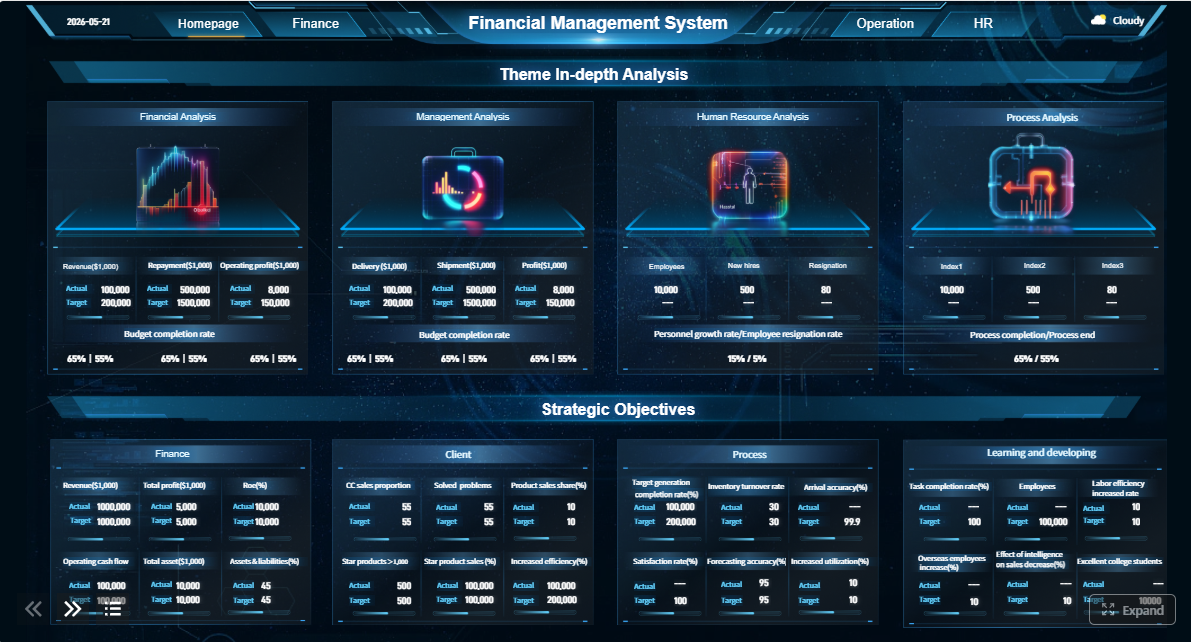
Get Ready-to-Use Dashboard and Report Templates in Fine Gallery
Practical recommendations before you book demos
Map your monthly reporting process first. List every output your team produces, who reviews it, and where delays happen.
Separate dashboard needs from financial statement needs. A strong BI tool is not always a strong finance reporting platform.
Test governance in the demo, not just visuals. Ask vendors to show permissions, change tracking, approval controls, and distribution rules.
Use a real reporting package in the pilot. Include P&L, balance sheet, cash flow, board summary, variance analysis, and at least one entity drill-down.
Assess admin effort after go-live. The best solution is not just powerful on day one, but maintainable by your team over time.
Before starting a pilot, ask vendors these questions:
How does the tool handle multi-entity reporting and consolidated views?
Can it produce pixel-perfect or board-ready printable reports?
What can be automated in refresh, generation, approval, and distribution?
How are permissions and audit trails managed?
How much technical support is needed to maintain reports after implementation?
How well does it connect to our ERP and adjacent business systems?
The best finance reporting software is the one that improves trust, speed, and repeatability across your finance operation. For some CFOs that means an enterprise CPM platform. For others, it means a reporting-first platform that can handle finance complexity without forcing everything into dashboards or spreadsheets.
Finance reporting software helps finance teams produce recurring financial statements, management packs, variance reports, and board-ready outputs from ERP and other source data. Its main value is reducing manual reporting work while improving consistency, traceability, and speed.
BI tools are often strongest for exploratory analysis and KPI visualization, while finance reporting software is built for structured, repeatable, and printable financial reports. It usually adds stronger controls, scheduling, distribution, and auditability for formal finance workflows.
CFOs should focus on reporting depth, automation, governance, ERP integration, and ease of use for finance teams. Multi-entity support, audit trails, version control, and scheduled report distribution are especially important in real-world reporting environments.
Yes, many platforms are designed to reduce or replace spreadsheet-heavy reporting by centralizing data and automating recurring outputs. Some tools still keep Excel in the process, but with better controls, workflows, and consistency.
The best choice depends on your company size, reporting complexity, and workflow maturity. Enterprises with complex consolidation and governance needs often prefer platforms like OneStream or Workday Adaptive Planning, while teams needing ERP-connected structured reporting may look at FineReport or Prophix.
Product Trial
FineReport
Pixel-perfect reports · Interactive dashboards · Easy data entry · Digital twins


 Core strengths
 Core strengths
 Core strengths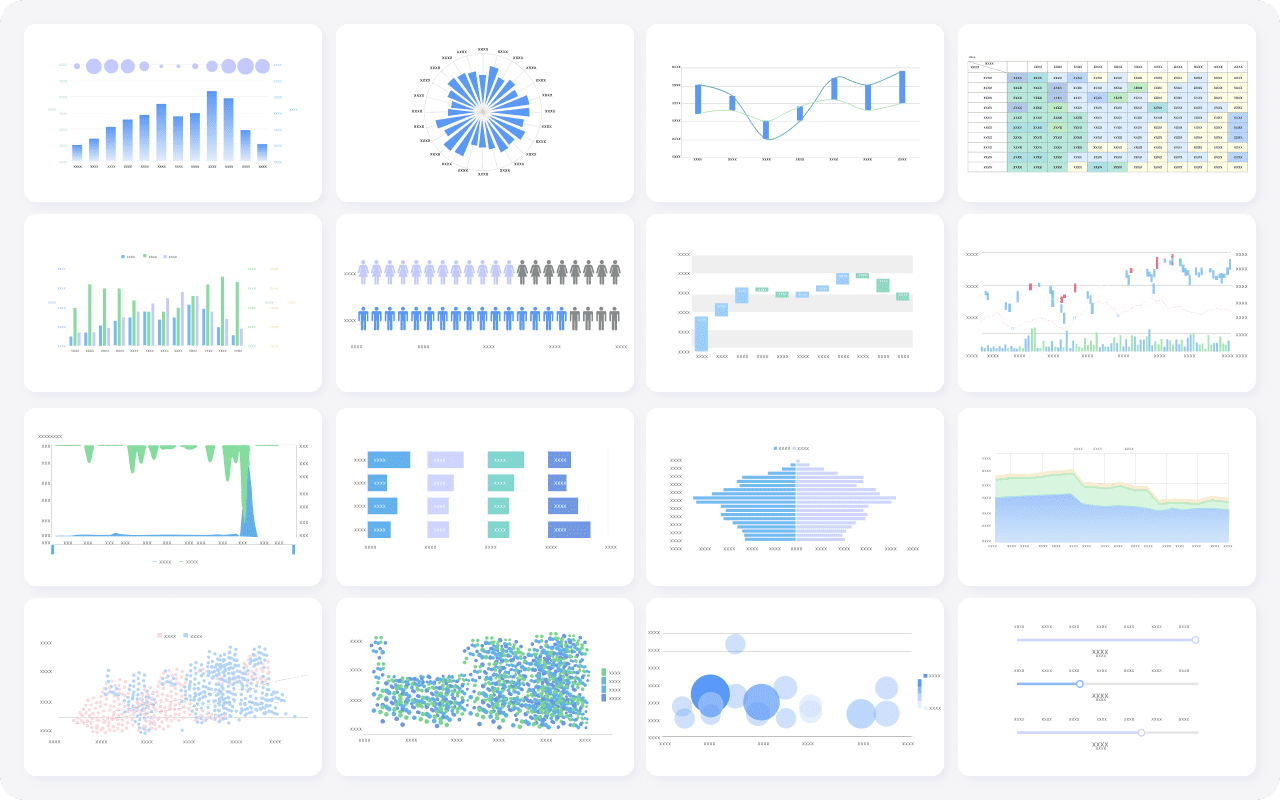
 Core strengths
 Core strengths