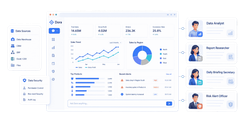

FineReport is a flexible enterprise reporting and dashboard platform that helps organizations centralize ESG data, automate disclosure workflows, and build audit-ready sustainability reporting outputs.
 Click To Try The Dashboard
Best GRI reporting software in 2026 at a glance
Below is a practical comparison of 7 tools for data collection, disclosure mapping, workflow control, and audit readiness. This guide is built for sustainability teams, ESG managers, finance leaders, and consultants that need to evaluate gri reporting software based on real operational needs rather than broad ESG marketing claims.
To compare the platforms fairly, the review focuses on four criteria:
- Data collection: Can the tool gather data from spreadsheets, business systems, site teams, and suppliers efficiently?
- Disclosure mapping: How well does it support GRI disclosures, material topics, and overlap with other frameworks?
- Workflow control: Does it provide ownership tracking, review steps, deadlines, and collaboration controls?
- Audit readiness: Are evidence, change history, and approvals easy to trace for internal review or external assurance?
Here is the short version before the detailed breakdown:
- FineReport — best for enterprise-scale data management
- Novisto — best for fast-start reporting teams
- Workiva — best for multi-framework disclosure mapping
- Sweep — best for audit-ready workflows
- Benchmark Gensuite — best for mid-market sustainability programs
- Greenly — best for supplier and operational data collection
- Intelex — best for advisory-led or consultant-supported reporting
What to look for in a GRI reporting platform
Choosing gri reporting software is less about checking a framework box and more about finding a system your team can operate repeatedly under deadline pressure. The right platform should help you collect evidence-backed data, connect disclosures to owners, and reduce rework when assurance begins.
Data collection and system integrations
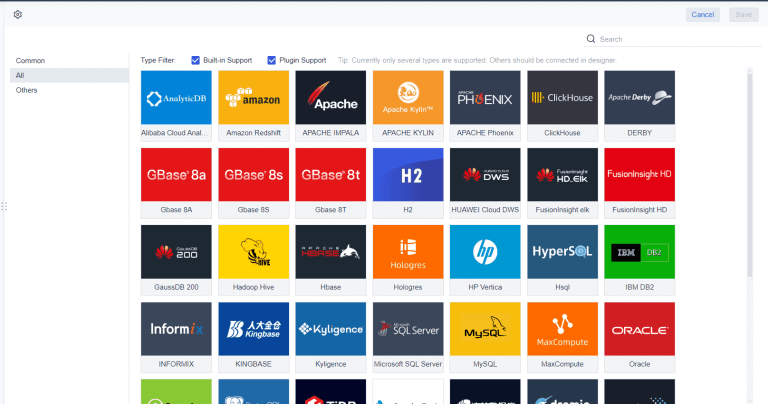
For most reporting teams, the biggest bottleneck is still data intake. ESG metrics often live in multiple places: spreadsheets from plant managers, HR systems for workforce data, ERP records for operational metrics, utility invoices, procurement platforms, and supplier questionnaires.
A capable GRI reporting platform should support:
- Spreadsheet uploads with validation rules
- ERP and finance system integration
- HR and people-data connections
- Utility, emissions, and operational data imports
- Supplier or third-party input workflows
- Entity-level data collection for multi-site organizations
Just as important are the controls around that intake. Look for:
- Approval workflows before data is locked
- Version tracking so revised figures can be compared
- Data quality checks for missing values, outliers, and inconsistent units
- Ownership assignment by metric, business unit, or disclosure
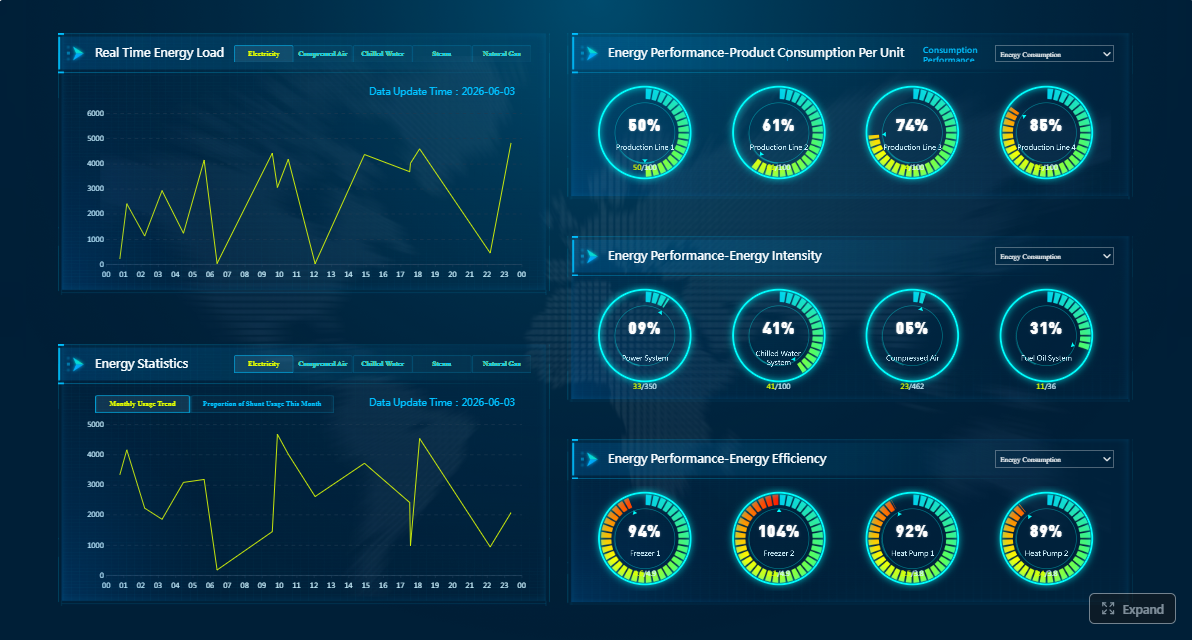
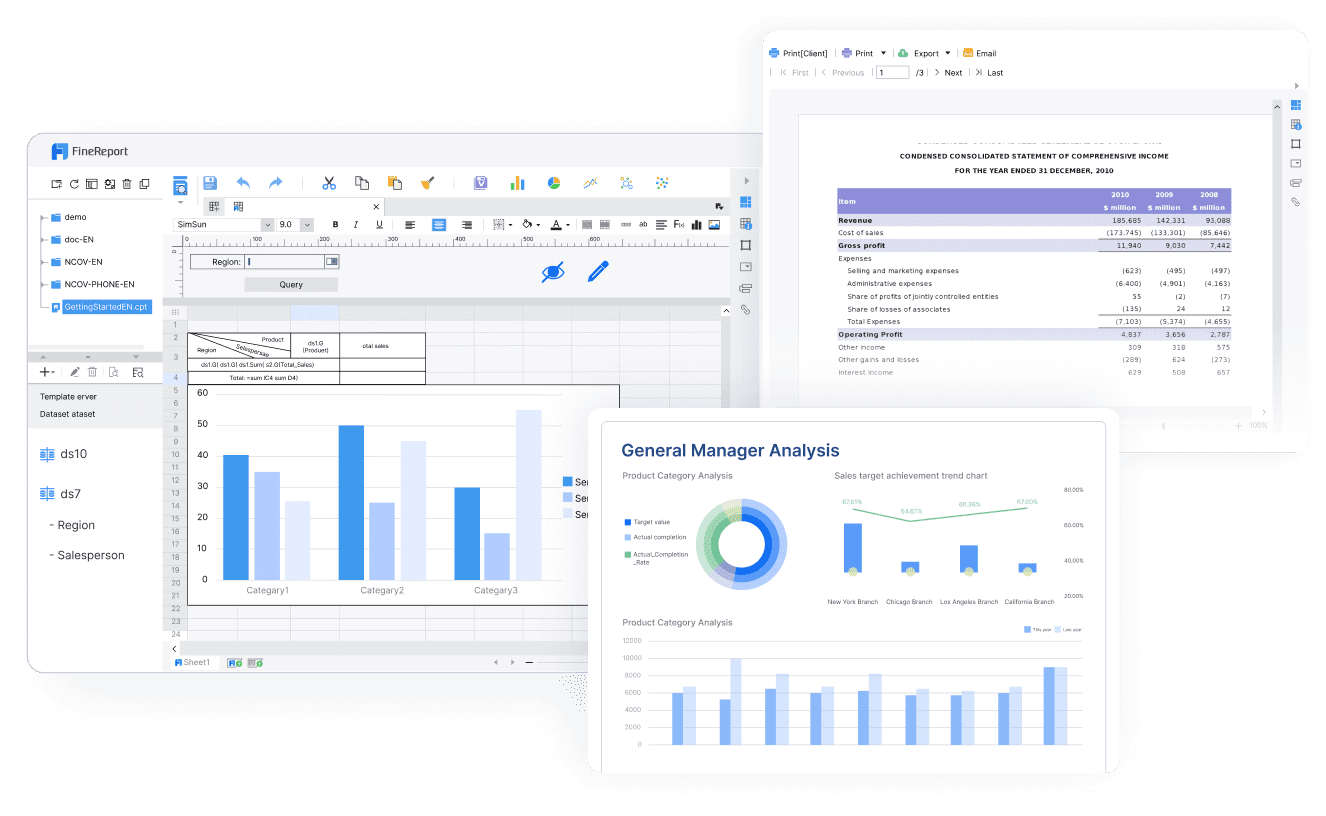
If your organization already runs BI or management reporting processes, FineReport can be especially useful here because it connects structured reporting outputs with operational data pipelines and dashboard layers, helping ESG teams avoid rebuilding reporting logic in separate tools.
Disclosure mapping and reporting workflows
Once the data exists, the next challenge is turning it into a coherent GRI-aligned report. This is where many teams discover that data management alone is not enough.
Strong disclosure mapping features should help you:
- Map metrics to GRI Universal, Sector, and Topic disclosures
- Organize reporting around material topics
- Reuse the same datapoints across other frameworks where applicable
- Link evidence and commentary to each disclosure
- Track completion status for narrative and quantitative sections
Workflow tools also matter. Look for the ability to:
- Assign owners to disclosures or sections
- Request reviews from legal, finance, HR, or operations
- Manage deadlines and reminders
- Store supporting evidence in context
- Coordinate narrative drafting alongside metric validation
This is where platforms differ sharply. Some tools are stronger on structured questionnaires, while others are better at collaborative drafting and cross-framework reuse.
Audit readiness and assurance support
Audit readiness is not only about storing documents. It is about demonstrating how a number was produced, who approved it, what changed, and whether the supporting evidence is complete.
For internal review or external assurance, the best platforms typically provide:
- Evidence trails attached to each data point or disclosure
- Document storage with controlled access
- Change logs showing edits and approvals
- Export options for reviewers and assurance providers
- Role-based permissions for governance and segregation of duties
Collaboration features also become more important at this stage. Sustainability, finance, legal, investor relations, and external advisors often need to work in the same environment without losing control of the source data.
7 tools compared for GRI reporting and sustainability disclosure
Tool 1: Best for enterprise-scale data management
FineReport
- One-sentence overview: FineReport is an enterprise reporting and analytics platform that can be adapted for ESG and GRI reporting by centralizing fragmented data, automating workflows, and producing controlled disclosure outputs.
- Key Features:
- Broad data integration across ERP, HR, operational systems, and spreadsheets
- Flexible forms for data collection from sites, departments, and business units
- Workflow configuration for approvals and review routing
- Dashboarding and report design for management review and disclosure preparation
- Role-based access, version control, and export options
- Strong capability for building customized ESG reporting views
- Pros & Cons:
- Pros: Very strong for enterprise data consolidation; highly customizable; useful when ESG reporting must align with broader management reporting; supports complex organizational structures.
- Cons: Not a pure-play ESG point solution; may require more design work to configure GRI-specific templates and workflows; best value comes when an organization already needs broader reporting infrastructure.
- Best For (Target user/scenario): Large enterprises, diversified groups, and reporting teams that need to collect ESG data at scale across entities and want to connect sustainability reporting with BI and financial reporting environments.
Strengths: FineReport stands out when the core challenge is not just disclosure mapping but the operational reality of collecting, validating, and consolidating ESG data from many systems and teams. For organizations with multi-entity structures, custom data models, or a need for tailored management dashboards before disclosure, it is a strong option.
Limitations: Teams looking for an out-of-the-box sustainability-only application may need additional configuration. GRI taxonomy support and disclosure workflow design typically depend on how the implementation is structured.
Ideal team size: Mid-size to large sustainability teams, especially those working with IT, finance, or enterprise data teams.
Likely implementation effort: Moderate to high, depending on how much of the ESG workflow is being built and whether integrations already exist.
Tool 2: Best for fast-start reporting teams
Novisto
- One-sentence overview: Novisto is a purpose-built ESG platform designed to centralize sustainability data and speed up structured reporting across GRI and adjacent frameworks.
- Key Features:
- Central ESG data management
- Built-in framework support including GRI
- Automated data requests and reminders
- Disclosure tracking and structured reporting workflows
- Evidence-backed data lineage and review controls
- Cross-framework reuse of reported data
- Pros & Cons:
- Pros: Purpose-built for ESG use cases; easier starting point for dedicated sustainability teams; solid workflow and framework alignment; strong support for recurring reporting cycles.
- Cons: May be less flexible than a broader reporting platform for highly customized internal analytics; enterprise complexity can still require significant setup.
- Best For (Target user/scenario): Reporting teams that want to move away from spreadsheets quickly and launch a more structured GRI process without building everything from scratch.
Strengths: Novisto is well suited to teams that want a clearer operating model for ESG reporting with less custom development. It typically appeals to organizations that need one centralized system of record for sustainability metrics and disclosures.
Limitations: Companies with unusual data architectures or advanced reporting customization needs may find that a generalized enterprise reporting platform offers more design flexibility.
Ideal team size: Small to large sustainability teams that want a dedicated ESG platform.
Likely implementation effort: Moderate.
Tool 3: Best for multi-framework disclosure mapping
Workiva
- One-sentence overview: Workiva is a connected reporting platform that excels at linking disclosures, narrative, controls, and multi-framework reporting processes in one governed environment.
- Key Features:
- Strong document collaboration and narrative drafting
- Cross-framework mapping and linked reporting content
- Controlled review workflows and sign-off processes
- Evidence management and traceable updates
- Integration with finance and disclosure environments
- Support for complex reporting governance
- Pros & Cons:
- Pros: Excellent for organizations juggling GRI with other reporting obligations; strong governance and collaboration; useful for finance-led reporting environments.
- Cons: Can be more process-heavy than lighter ESG tools; cost and implementation may be high for smaller teams.
- Best For (Target user/scenario): Enterprises needing GRI reporting alongside annual reporting, regulatory filing, or broader disclosure management.
Strengths: Workiva is particularly strong where GRI is one part of a larger reporting architecture. If finance, legal, IR, and sustainability all need to work in controlled documents with clear approval history, it performs well.
Limitations: It may be more platform than a first-time ESG reporter needs, especially if the immediate problem is simple data collection rather than multi-stakeholder disclosure governance.
Ideal team size: Mid-size to large cross-functional reporting teams.
Likely implementation effort: Moderate to high.
Tool 4: Best for audit-ready workflows
Sweep
- One-sentence overview: Sweep is an ESG platform focused on sustainability data governance, workflow validation, and audit-friendly reporting across operational and disclosure processes.
- Key Features:
- Data collection workflows across teams and entities
- Validation and approval controls
- Materiality and disclosure support
- Audit trails and contributor tracking
- Reporting exports for different stakeholder needs
- Structured collaboration for sustainability programs
- Pros & Cons:
- Pros: Strong governance orientation; clear validation workflows; well suited to assurance-focused teams; useful for scaling repeat reporting cycles.
- Cons: Some organizations may want deeper internal report-building flexibility; fit depends on how much customization is needed beyond standard ESG workflows.
- Best For (Target user/scenario): Organizations prioritizing traceability, internal controls, and readiness for external assurance.
Strengths: Sweep is a good fit when the reporting process is already fairly mature and the main requirement is better control over evidence, approvals, and audit trails.
Limitations: Teams wanting highly custom-designed reporting outputs or broader enterprise BI capabilities may supplement it with additional tools.
Ideal team size: Mid-size to large sustainability and compliance teams.
Likely implementation effort: Moderate.
Tool 5: Best for mid-market sustainability programs
Benchmark Gensuite
- One-sentence overview: Benchmark Gensuite provides ESG and operational sustainability workflow tools that can support GRI reporting for organizations building more formal reporting programs.
- Key Features:
- ESG data capture and centralized management
- Workflow and task coordination
- Operational sustainability tracking
- Documented review processes
- Reporting support across multiple business functions
- Pros & Cons:
- Pros: Practical for organizations building process discipline; useful where ESG reporting overlaps with EHS and operational sustainability workflows; often a reasonable fit for mid-market programs.
- Cons: User experience and reporting flexibility may vary by implementation; some teams may need stronger disclosure-specific mapping features.
- Best For (Target user/scenario): Mid-market companies formalizing ESG reporting and needing operational coordination in addition to disclosure support.
Strengths: It can work well where sustainability data collection is closely linked to EHS, plant, and operational management routines.
Limitations: It may not be the first choice for teams that prioritize polished disclosure drafting or complex multi-framework content management.
Ideal team size: Growing sustainability teams and operational ESG programs.
Likely implementation effort: Moderate.
Tool 6: Best for supplier and operational data collection
Greenly
- One-sentence overview: Greenly is a sustainability software platform that simplifies operational ESG data gathering and is often attractive to organizations that need easier supplier and emissions-related inputs.
- Key Features:
- Streamlined data intake from business operations
- Supplier and emissions data support
- Guided workflows for sustainability metrics
- Framework-aligned reporting assistance
- User-friendly interfaces for non-specialist contributors
- Pros & Cons:
- Pros: Relatively approachable user experience; useful for distributed contributors; practical for organizations still building reporting maturity.
- Cons: Enterprise governance depth may be lighter than more complex platforms; some advanced GRI mapping needs may require process workarounds.
- Best For (Target user/scenario): Companies focused on operational sustainability data, supplier engagement, and easier contributor participation.
Strengths: Greenly is often attractive to teams that need broad participation from non-experts and want to reduce friction in data collection.
Limitations: Larger enterprises with stricter assurance expectations may require more robust control frameworks than lighter platforms provide.
Ideal team size: Small to mid-size sustainability teams.
Likely implementation effort: Low to moderate.
Tool 7: Best for advisory-led or consultant-supported reporting
Intelex
- One-sentence overview: Intelex is an EHS and ESG management platform that can support GRI reporting within broader governance, risk, and operational compliance programs.
- Key Features:
- Configurable data capture and workflow management
- Governance and compliance controls
- Centralized documentation and record management
- Cross-functional operational reporting support
- Structured approval and accountability features
- Pros & Cons:
- Pros: Flexible for organizations with broader compliance architecture; useful when ESG reporting is part of a larger operational governance system; can work well in consultant-supported deployments.
- Cons: May require significant configuration for disclosure-specific use cases; user adoption depends heavily on implementation quality.
- Best For (Target user/scenario): Organizations with complex compliance structures or consultant-led ESG transformation programs that need configurable governance workflows.
Strengths: Intelex can fit companies that already think of sustainability reporting as one workstream within a wider risk, compliance, or EHS operating model.
Limitations: It is not always the fastest route for a lean team that only wants a dedicated GRI reporting solution.
Ideal team size: Mid-size to large teams with process-heavy governance needs.
Likely implementation effort: Moderate to high.
How the top platforms differ in practice
A shortlist can look balanced on paper, but the real differences appear in day-to-day work: who submits the data, how often figures change, who signs off, and how much evidence assurance providers request.
Best options for data collection at scale
If your biggest challenge is recurring data requests across sites, business units, and subsidiaries, focus on platforms that support structured intake and automated consolidation.
Strongest options:
- FineReport: Best when you need to aggregate data from multiple internal systems and build tailored collection forms or dashboards around a complex enterprise structure.
- Novisto: Strong for recurring ESG data requests with clear ownership and centralized management.
- Greenly: Useful for smoother participation from operational teams and suppliers, especially where usability is a priority.
For entity-level reporting and automated consolidation, FineReport has a clear advantage when enterprise data architecture is complex and internal reporting requirements extend beyond the final sustainability report.
Best options for disclosure mapping and report preparation
If the bottleneck is connecting metrics, evidence, and narrative into a usable reporting package, the platforms with stronger disclosure workflows matter more.
Strongest options:
- Workiva: Particularly effective for aligning responses, supporting narrative drafting, and governing collaborative disclosure preparation.
- Novisto: Good for structured ESG disclosure management with built-in framework orientation.
- Sweep: Solid for linking data, evidence, and review steps in a controlled process.
For teams preparing GRI disclosures alongside other frameworks, Workiva often has the strongest advantage in document control and multi-framework coordination.
Best options for assurance and audit readiness
When assurance teams ask how a number was derived, where evidence sits, and who changed the methodology, not every platform responds equally well.
Strongest options:
- Sweep: Strong audit trails, validations, and contributor tracking.
- Workiva: Excellent governed review environment with documentation control.
- FineReport: Strong when audit readiness depends on traceable source-system integration, controlled data flows, and internal reporting transparency.
If assurance expectations are especially high, choose a platform that can show not just final values, but the full logic from source data to disclosure output.
Pros, cons, and selection guidance by use case
The best gri reporting software depends less on marketing category labels and more on your reporting maturity, control requirements, and internal operating model.
Best fit for first-time GRI reporters
First-time reporters should avoid overbuying. Before choosing a platform, prioritize:
- Clear ownership of each disclosure
- A manageable data request process
- Basic evidence storage
- Framework guidance that reduces ambiguity
- Simpler user experience for contributors
Best fits:
- Novisto for a faster dedicated ESG setup
- Greenly for easier participation and operational data intake
- Benchmark Gensuite for teams building process discipline gradually
If the team is still moving from spreadsheets to structured workflows, implementation simplicity matters more than maximum configurability.
Best fit for mature ESG and sustainability programs
Larger organizations usually need more than framework support. They need governance, consistency, and coordination across multiple internal stakeholders.
Priorities typically include:
- Multi-entity consolidation
- Role-based access controls
- Integration with enterprise systems
- Audit trails and approval layers
- Cross-framework data reuse
- Strong internal review and sign-off processes
Best fits:
- FineReport for enterprise-scale data orchestration and custom reporting control
- Workiva for governance-heavy disclosure environments
- Sweep for assurance-focused workflow control
Mature programs should assess not just whether the platform supports GRI, but whether it supports how the company actually runs reporting.
Questions to ask before choosing a vendor
Before signing with any vendor, ask these questions:
- Implementation timeline: How long before the first usable reporting cycle?
- Framework coverage: Does the tool support only GRI, or also adjacent frameworks your stakeholders require?
- Support model: Is onboarding handled by the vendor, a partner, or your internal team?
- Pricing structure: Is pricing based on users, entities, modules, data volume, or services?
- Scalability: Will the platform still work when reporting expands across regions, suppliers, or additional standards?
- Customization: Can workflows, forms, and outputs be adapted to your process?
- Assurance readiness: How are evidence, approvals, and change logs surfaced for review?
- Integration depth: Are integrations native, API-based, or manual?
These questions often reveal more than a feature checklist.
Final verdict: which software is best for your reporting needs
If you need a fast answer, here is the shortlist by buying scenario.
- Best overall choice: FineReport
- Best value for growing teams: Novisto
- Best for complex assurance needs: Sweep
- Best for multi-framework disclosure environments: Workiva
Why FineReport is the best overall choice:
FineReport offers the broadest operational value for organizations that treat GRI reporting as a data management and governance challenge, not just a disclosure exercise. It is especially strong when sustainability data must be pulled from multiple systems, validated across entities, reviewed in dashboards, and converted into controlled reporting outputs. For enterprises that want one reporting foundation supporting ESG, finance, and management visibility, it stands out.
Why Novisto is the best value for growing teams:
Novisto is easier to position as a dedicated ESG system of record and can be a practical choice for teams that want faster time to value without building a heavily customized reporting stack.
Why Sweep is best for complex assurance needs:
Sweep performs well when the main requirement is traceability, validation discipline, and an assurance-friendly workflow.
A simple shortlist process to narrow down the right option
Use this 4-step approach:
-
Define your main bottleneck
Is the problem data collection, disclosure coordination, or audit readiness? -
Map your reporting maturity
First-time reporters need simplicity; mature programs need controls and scalability. -
Check system reality
List the actual sources of your ESG data: spreadsheets, ERP, HR, utilities, suppliers, and business units. -
Run a use-case demo
Ask each vendor to show one real workflow: collect a metric, attach evidence, approve it, map it to a GRI disclosure, and export it for review.
That process usually makes the right gri reporting software choice much clearer.
If your organization needs a platform that can do more than basic ESG data entry, FineReport deserves a place at the top of the shortlist—especially when enterprise data consolidation, reporting flexibility, and audit-ready control are non-negotiable.
FAQs
GRI reporting software helps organizations collect ESG data, map it to GRI disclosures, manage reviews, and produce more consistent sustainability reports. It is mainly used to reduce manual work and improve traceability during reporting and assurance.