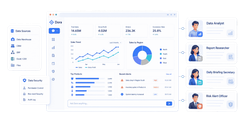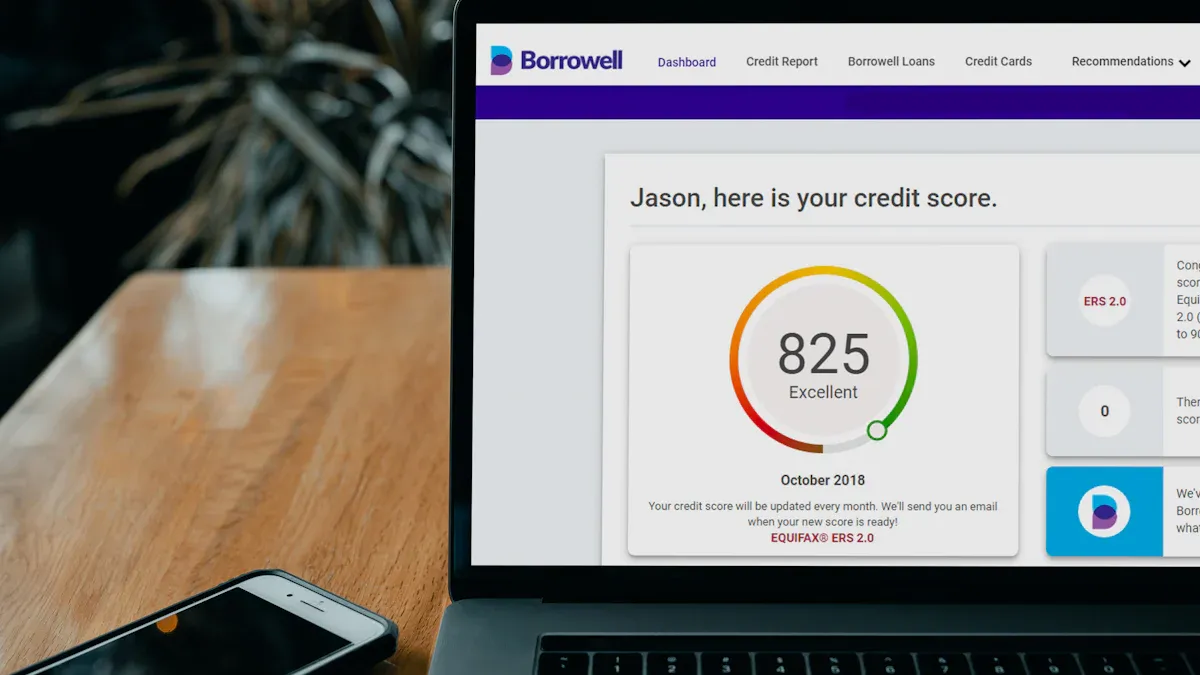

Regulatory reporting services help financial institutions collect, validate, format, and submit required data to regulators in a controlled, repeatable way. For banks, insurers, asset managers, fintechs, and enterprise compliance teams, the business value is straightforward: less manual reporting effort, fewer filing errors, stronger auditability, and lower compliance risk. If your teams are still stitching together spreadsheets across finance, risk, operations, and trading, regulatory reporting becomes slow, fragile, and expensive fast.
 Click To Try The Dashboard
All reports in this article are built with FineReport
What Are Regulatory Reporting Services?
Regulatory reporting services are the processes, tools, and managed capabilities used to prepare required disclosures and submissions for supervisory authorities. In plain language, they help institutions gather data from multiple systems, check that the data is accurate, convert it into regulator-ready formats, and submit it on time.
These services are commonly used by:
- Banks managing prudential, liquidity, capital, and transaction reporting
- Insurance companies handling solvency, reserves, and statutory reporting
- Asset managers submitting portfolio, fund, and exposure disclosures
- Fintechs and payment firms responding to fast-changing oversight requirements
- Enterprise compliance and reporting teams coordinating obligations across business units
At an operational level, regulatory reporting services reduce dependency on manual compilation and fragmented reviews. Instead of relying on disconnected files, institutions can build a reporting workflow with standardized controls, approvals, and traceable evidence.
Key Metrics (KPIs) for Regulatory Reporting Services
A strong regulatory reporting function should track a small set of operational KPIs consistently:
- On-time submission rate: Percentage of filings submitted by the required deadline.
- First-pass acceptance rate: Share of reports accepted by the regulator without rework or resubmission.
- Data quality error rate: Frequency of validation failures, missing fields, or inconsistent values.
- Exception resolution time: Average time required to investigate and clear reporting issues.
- Reconciliation completion rate: Percentage of required reconciliations completed before filing.
- Manual touchpoints per report: Number of human interventions needed to prepare a submission.
- Audit trail completeness: Degree to which each report includes source lineage, approvals, and evidence.
- Regulatory change turnaround time: Time needed to update templates, rules, and workflows after new guidance.
- Cost per filing cycle: Total reporting cost across labor, systems, and remediation.
- Control breach count: Number of failed controls identified before or after submission.
Why Regulatory Reporting Matters in Financial Institutions
Regulatory reporting is not just an administrative obligation. It is a core mechanism regulators use to monitor institutional health, market conduct, and systemic risk. Accurate reporting supports market transparency, strengthens oversight, protects consumers, and helps preserve financial stability.
When institutions submit timely and reliable data, regulators can identify concentration risk, liquidity stress, operational weaknesses, or misconduct earlier. That has direct implications for supervisory intervention and for the confidence of investors, customers, and counterparties.
In contrast, inaccurate, incomplete, or late filings can create serious consequences:
- Financial penalties and remediation costs
- Supervisory scrutiny and formal findings
- Operational disruption from rework and investigations
- Reputational damage with regulators and stakeholders
- Higher internal control and assurance burdens
The complexity is rising as financial services firms operate across more products, geographies, and legal entities. Reporting requirements are changing faster, data volumes are growing, and many institutions must interpret overlapping rules across jurisdictions. This is why regulatory reporting for financial services increasingly demands a structured operating model rather than a reactive compliance process.
Core Components of Effective Regulatory Reporting Services
Effective regulatory reporting services are built on four core components: integrated data, strong controls, regulator-ready outputs, and governance discipline. If one of these is weak, filing quality usually suffers.
Data collection and consolidation
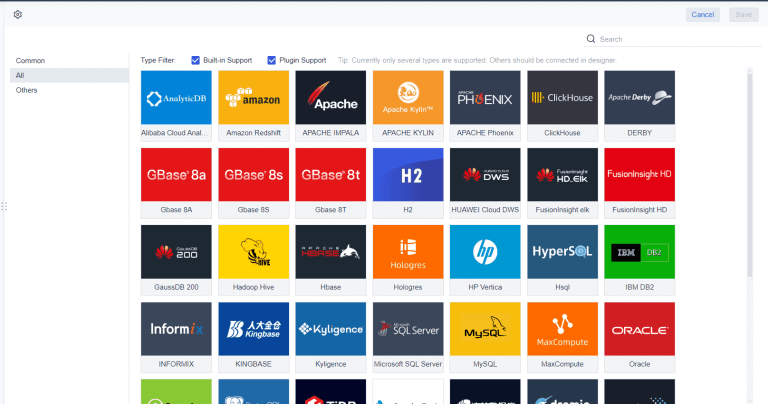
The first requirement is pulling together data from across the institution into a consistent reporting workflow. Regulatory submissions often depend on inputs from:
- Finance and general ledger systems
- Risk platforms
- Treasury and liquidity systems
- Trading and transaction platforms
- Customer and onboarding systems
- Operations and settlement tools
The challenge is not only accessing the data, but standardizing definitions and aligning timing. Different departments often use different hierarchies, field names, or calculation logic. Effective regulatory reporting services create a single flow for sourcing, transforming, and reconciling this information.
Validation, controls, and audit trails
Collection alone is not enough. High-quality reporting requires business rules, reconciliations, and evidence before submission. Mature teams apply layered controls such as:
- Field-level validation checks
- Cross-report consistency tests
- Reconciliations against source systems
- Threshold alerts for unusual changes
- Exception queues with assigned owners
- Approval logs and sign-off records
Audit trails are especially important. Regulators and internal audit teams often want to know where a number came from, who reviewed it, what changed, and when. A defensible reporting process must answer those questions quickly.
Submission workflows and regulator-ready outputs
Every authority has its own filing format, schedule, and delivery rules. Effective regulatory reporting services help institutions generate the correct templates, transform the data into the required structure, and support the final submission process.
This typically includes:
- Standardized report templates
- Scheduled production calendars
- Regulator-specific output formats
- Approval routing before release
- Submission logs and acknowledgments
- Resubmission and correction workflows
The real value here is consistency. Teams can stop rebuilding reports from scratch each cycle and instead operate with a controlled filing framework.
Governance, change management, and oversight
Even the best workflow will fail without clear ownership. Effective reporting services define who owns each report, who approves it, how policy changes are handled, and how updates are communicated across teams.
Strong governance usually includes:
- Report ownership by business and control function
- Documented reporting policies
- Version control for business rules and templates
- Regulatory change intake and impact assessment
- Escalation procedures for missed deadlines or material issues
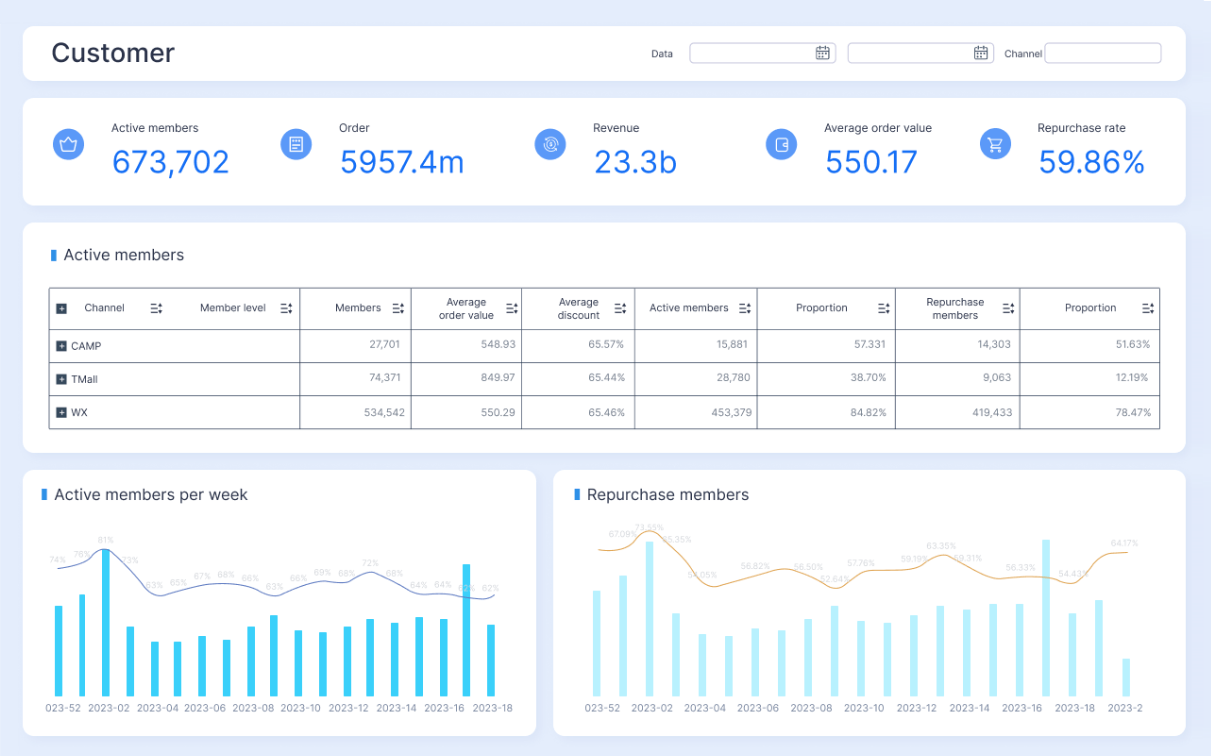
- Oversight through management dashboards
Common Reporting Challenges and How Teams Address Them
Most institutions do not struggle because they lack effort. They struggle because the reporting environment is operationally complex. The same three to four failure points appear repeatedly.
Fragmented systems and poor data quality
Reporting errors often start upstream. Data sits across disconnected systems, business definitions differ by team, and key fields are incomplete or inconsistent. That creates late reconciliations, last-minute overrides, and reporting delays.
Teams address this by creating a governed reporting data layer, aligning business definitions, and automating data quality checks before report production begins.
Evolving rules and cross-border complexity
Financial institutions rarely report under one simple rulebook. They operate across products, entities, and jurisdictions where reporting expectations can differ in format, timing, and interpretation.
The practical answer is a repeatable change process: monitor regulatory updates, assess impact quickly, update logic centrally, test changes, and communicate them to report owners before the next filing cycle.
Resource pressure and manual processes
Spreadsheets are still common in regulatory reporting, but they do not scale well. Duplicate reviews, manual consolidations, and specialist bottlenecks increase cost and reduce resilience. When one subject matter expert is unavailable, the process can stall.
Leading teams reduce this risk by standardizing workflows, minimizing manual touchpoints, and using dashboards to prioritize exceptions rather than reviewing every record the same way.
The role of regulatory reporting solutions
Purpose-built regulatory reporting solutions help teams automate recurring work, apply stronger controls, and manage growing reporting volumes without adding the same level of headcount. They support:
- Automated data integration
- Embedded validation rules
- Workflow-based approvals
- Template-driven report generation
- End-to-end auditability
- Scalable oversight across entities and jurisdictions
How to Evaluate Regulatory Reporting Solutions and Service Providers
Choosing the right regulatory reporting solution or service provider requires more than a feature checklist. Decision-makers need to assess operational fit, control maturity, scalability, and long-term maintenance effort.
Key capabilities to look for
When evaluating regulatory reporting services, prioritize the following capabilities:
- Data integration: Can the platform connect to finance, risk, trading, and operational systems efficiently?
- Rule engine: Can validation and transformation logic be maintained without constant redevelopment?
- Workflow management: Does it support task routing, approvals, escalations, and deadline management?
- Auditability: Can users trace data lineage, rule application, edits, and sign-offs?
- Security and access control: Does it protect sensitive reporting data by role, entity, and process stage?
- Reporting flexibility: Can teams adapt templates, visuals, and outputs as requirements evolve?
- Monitoring dashboards: Can managers view submission status, exceptions, and SLA risks in real time?
- Change management support: Is there a practical way to manage updates to rules and reporting structures?
Questions to ask before selecting a provider
Before selecting a provider, ask direct operational questions:
- How will you integrate with our current data environment?
- How do you maintain regulatory updates and rule changes?
- What is configurable by internal teams versus dependent on vendor support?
- How do you support audit, evidence retention, and regulator inquiries?
- What implementation timeline is realistic for our reporting scope?
- How do you handle multi-entity and multi-jurisdiction reporting?
- What training and support model is included?
- What is the true total cost of ownership over three years?
Build, buy, or outsource?
There is no universal model. The right choice depends on reporting complexity, internal expertise, budget, and regulatory exposure.
- Build in-house if you have strong data engineering, reporting governance, and ongoing maintenance capacity.
- Buy a platform if you want better control, automation, and speed without developing everything from scratch.
- Outsource or use managed services if reporting is highly specialized and internal bandwidth is limited.
- Use a hybrid model if you want strategic control internally while external partners support execution or updates.
In practice, many institutions benefit from a hybrid approach: internal ownership of governance and accountability, paired with software that standardizes production and visibility.
Practical Next Steps for Building a Strong Reporting Framework
If your institution wants to improve regulatory reporting services, start with the operating model before chasing isolated fixes. The goal is to build a reporting framework that is repeatable, controlled, and scalable.
1. Run a current-state review
Map your reporting obligations, data sources, controls, timelines, and owners. Identify where reports are built manually, where approvals are unclear, and where reconciliations regularly fail.
2. Prioritize consistency across financial and regulatory reporting
Many reporting issues come from inconsistent data definitions between teams. Align core terms, source ownership, and control points so finance, risk, operations, and compliance work from the same reporting logic.
3. Create a practical improvement roadmap
Focus on improvements that reduce risk fastest:
- Centralize reporting inputs
- Automate common validations
- Standardize approval workflows
- Improve exception tracking
- Strengthen audit evidence retention
- Build management dashboards for filing oversight
4. Train teams and formalize governance
Technology alone will not fix reporting weakness. Institutions need clear accountability, documented policies, and training that helps teams understand both the process and the regulatory intent behind it.
5. Start simple and improve in cycles
For beginners, regulatory reporting is simply the process of gathering required data and submitting it accurately and on time to regulators. Why it matters is equally simple: it helps prove compliance, supports market oversight, and reduces institutional risk. What teams should improve first is also clear: data quality, ownership, controls, and workflow visibility.
Build the Reporting Workflow Faster With FineReport
Building this manually is complex; use FineReport to utilize ready-made templates and automate this entire workflow.
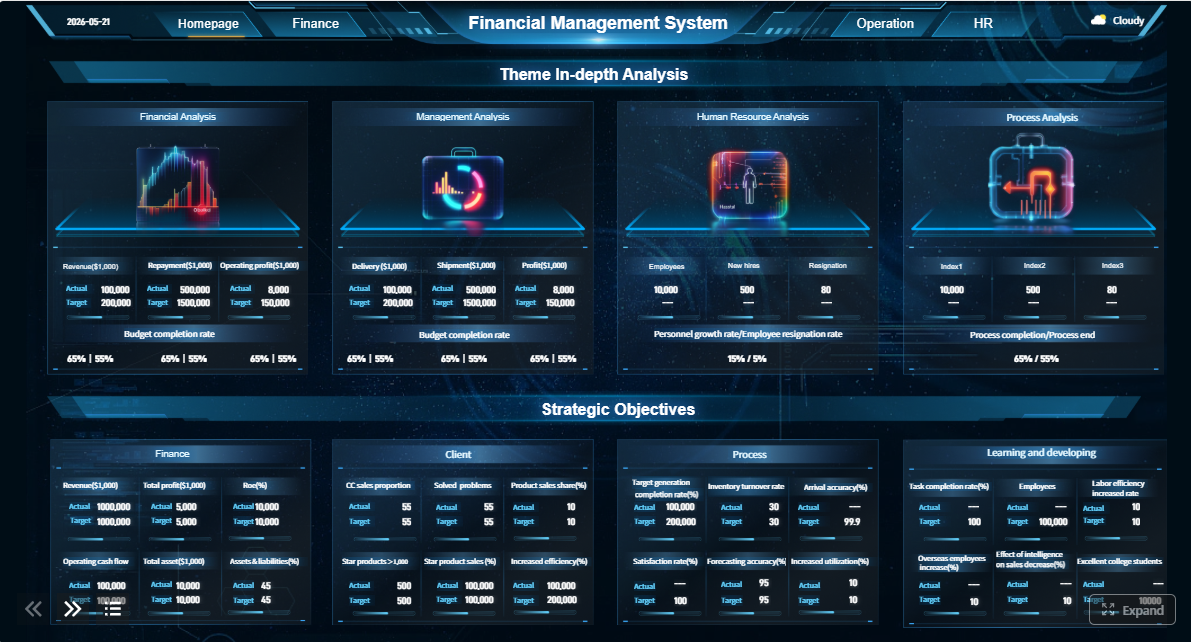
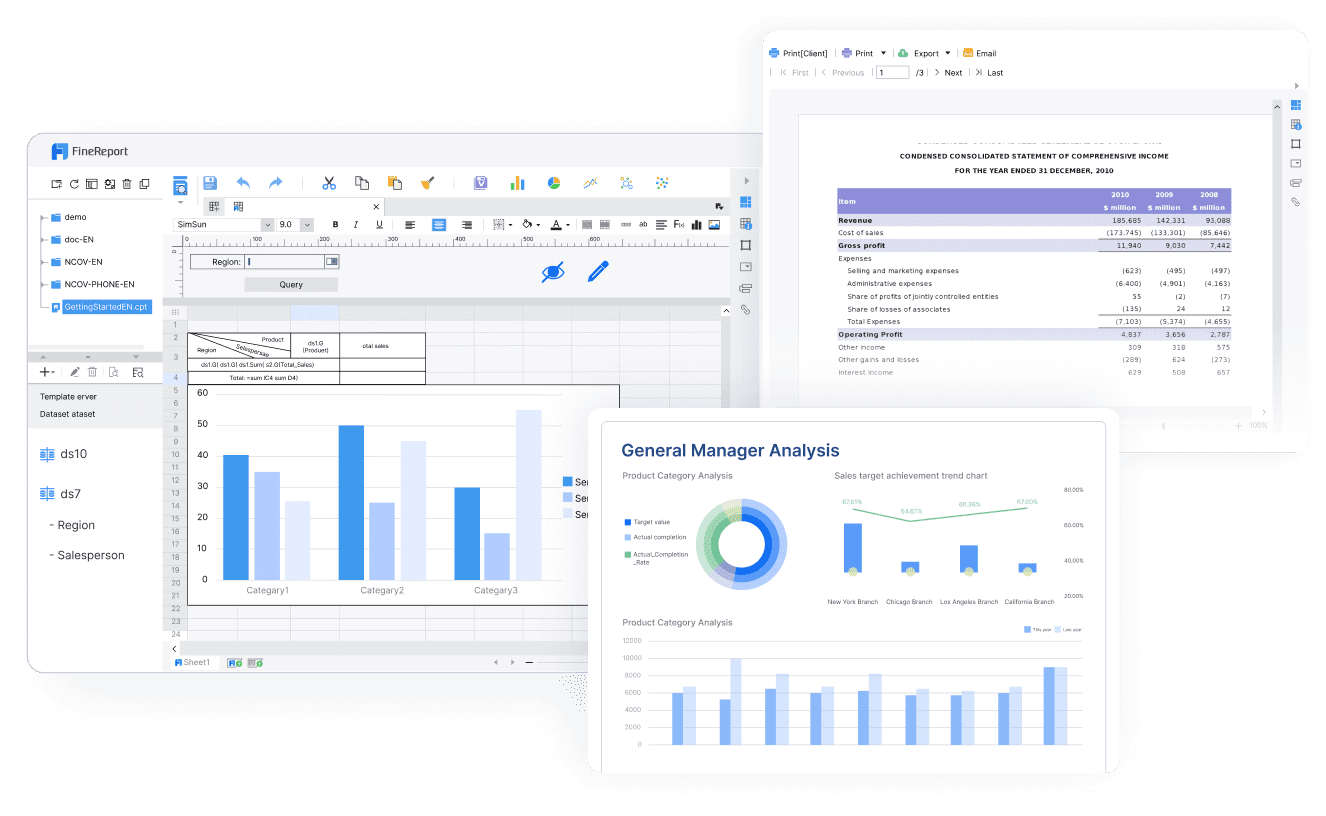
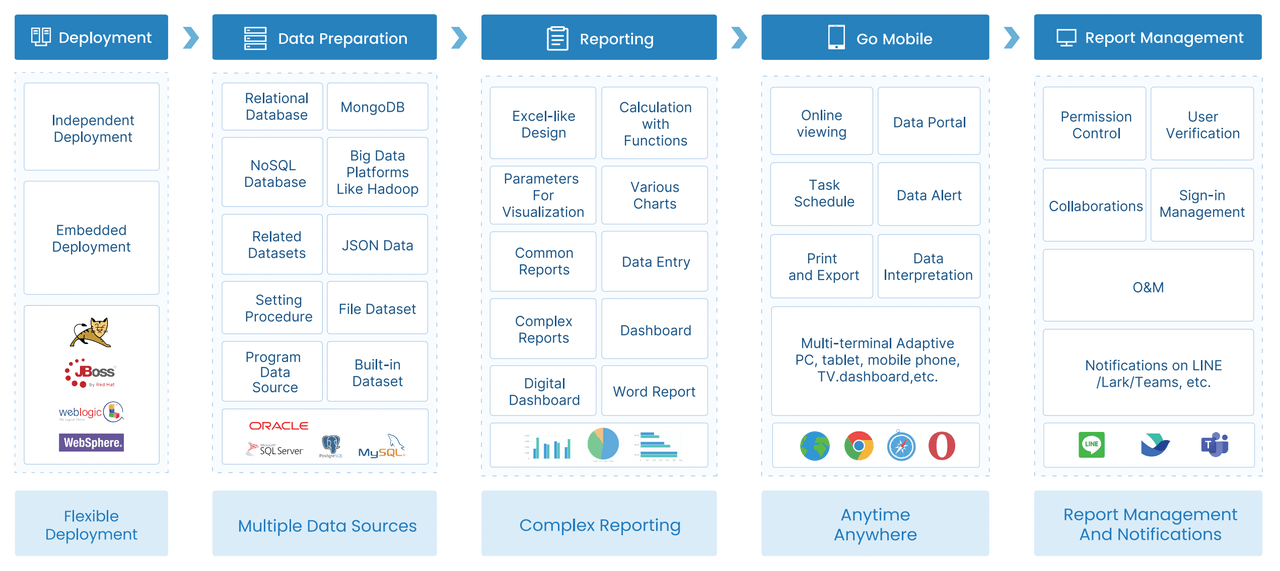
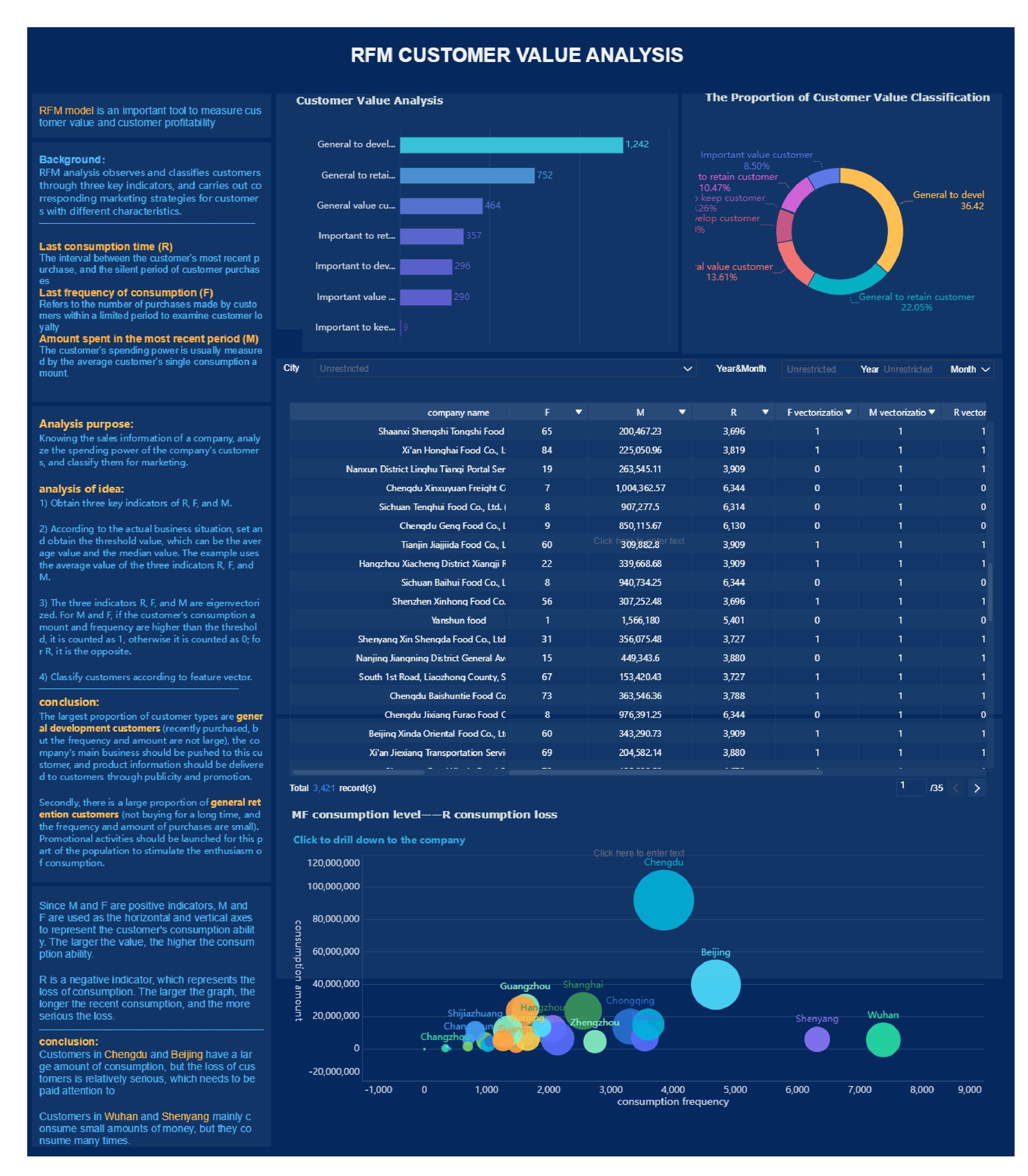
For financial institutions, FineReport can support the operational backbone behind regulatory reporting services by helping teams consolidate data, design controlled reporting workflows, monitor KPI performance, and create regulator-ready dashboards for internal oversight. Instead of relying on scattered spreadsheets and static status updates, managers can use visual reporting to track filing progress, exceptions, approvals, and control effectiveness in one place.
This is especially valuable when multiple teams contribute to the same reporting cycle. Finance, risk, operations, and compliance leaders need a shared view of deadlines, validation failures, unresolved issues, and submission readiness. FineReport helps turn that into a standardized reporting environment.

Get Ready-to-Use Dashboard Templates in Fine Gallery
Use FineReport when you need to:
- Build executive dashboards for filing oversight
- Visualize reporting KPIs and exception trends
- Standardize recurring compliance reports
- Improve cross-team accountability with workflow visibility
- Reduce manual assembly of reporting packs
- Accelerate dashboard delivery with reusable templates
The bottom line: regulatory reporting services are essential because reporting obligations are growing, data environments are fragmented, and manual processes create risk. Institutions that improve data collection, controls, governance, and reporting visibility are better positioned to meet deadlines and withstand scrutiny.
FAQs
They typically cover data collection, validation, reconciliation, report formatting, workflow approvals, and submission to regulators. Many services also support audit trails, exception management, and regulatory change updates.