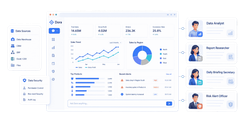

FineReport is an enterprise reporting and dashboard platform that helps organizations turn complex ESG and sustainability data into board-ready reports, automated disclosures, and executive dashboards.
10 ESG tools compared: strengths, trade-offs, and best-fit use cases
Enterprise platforms for complex compliance programs
1. Workiva
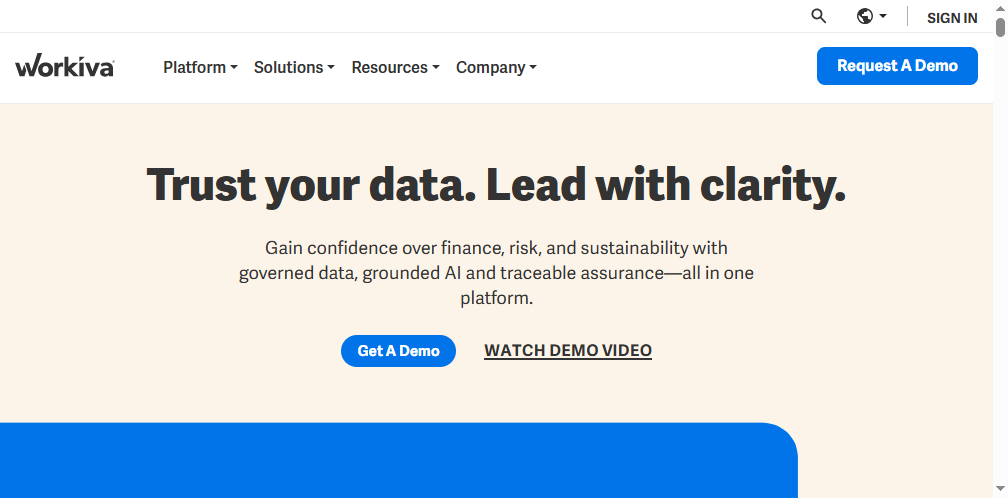
- One-sentence overview: Workiva is a connected reporting platform widely used by large organizations that need ESG, financial, and governance reporting in one controlled environment.
- Key Features:
- Multi-framework ESG reporting workflows
- Strong collaboration, approvals, and version control
- Integrated narrative reporting and linked data
- Support for audit trails and disclosure management
- Pros & Cons:
- Pros: Strong governance controls; useful for cross-functional teams; well-suited to formal reporting cycles.
- Cons: Implementation can be resource-intensive; may be more platform than smaller teams need.
- Best For: Public companies and multinational enterprises managing ESG disclosures alongside financial reporting.
2. IBM Envizi
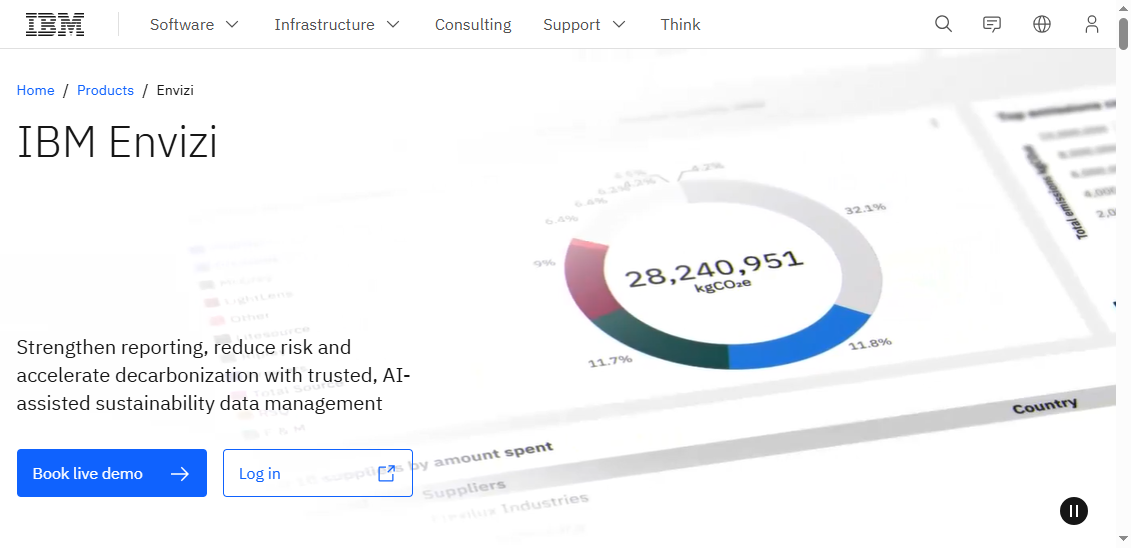
- One-sentence overview: IBM Envizi is an enterprise ESG data platform focused on consolidating environmental and operational data at scale.
- Key Features:
- Broad utility and emissions data capture
- Carbon accounting support, including Scope 1, 2, and selected Scope 3 workflows
- Centralized ESG data management
- Analytics for performance monitoring
- Pros & Cons:
- Pros: Strong for large data environments; useful for organizations with distributed facilities; solid environmental data depth.
- Cons: Can require significant configuration; reporting presentation may need complementary BI tools for executive consumption.
- Best For: Large enterprises prioritizing environmental data centralization and emissions reporting.
3. SAP Sustainability Control Tower
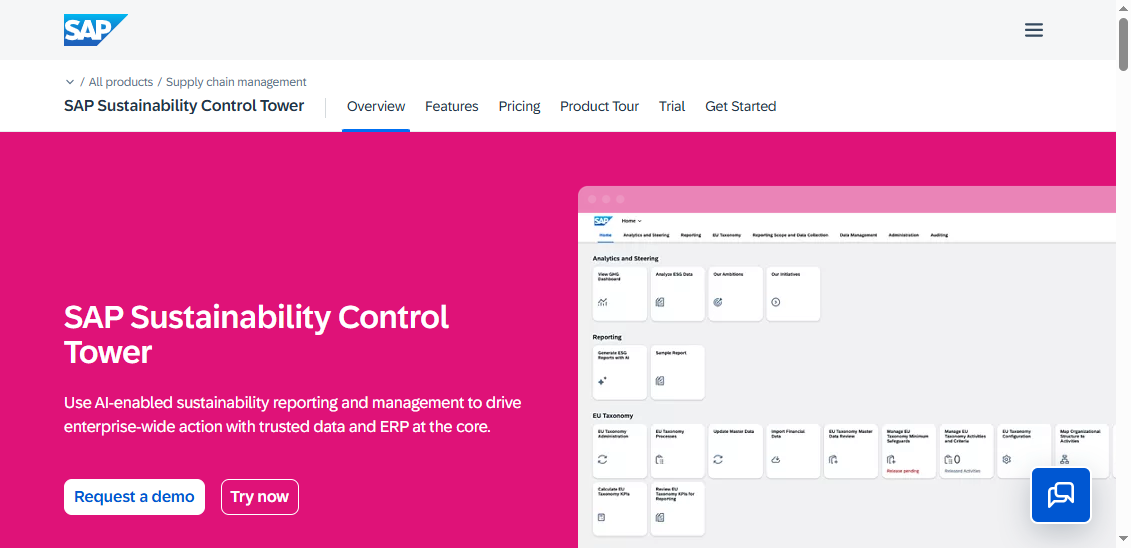
- One-sentence overview: SAP Sustainability Control Tower is designed for organizations that want ESG management tightly connected to existing SAP processes and enterprise data.
- Key Features:
- ERP-connected sustainability metrics
- KPI management across business units
- Data integration across operations and finance
- Scenario and performance monitoring capabilities
- Pros & Cons:
- Pros: Strong fit for SAP-centric organizations; good enterprise process integration; supports broad operational visibility.
- Cons: Best value usually comes when a company already runs SAP extensively; setup complexity can be high.
- Best For: Enterprises with mature SAP ecosystems and cross-entity sustainability reporting requirements.
4. Sphera
- One-sentence overview: Sphera offers robust sustainability, risk, and EHS capabilities for companies with detailed compliance and operational reporting needs.
- Key Features:
- Environmental performance tracking
- Carbon and product stewardship capabilities
- Risk and compliance workflow support
- Enterprise-scale data governance
- Pros & Cons:
- Pros: Deep operational and compliance functionality; suitable for industrial environments; broad sustainability use cases.
- Cons: May feel complex for teams focused only on annual ESG disclosures; learning curve can be steep.
- Best For: Manufacturing, energy, and asset-heavy organizations with complex sustainability and compliance programs.
Mid-market tools focused on fast implementation
5. Diligent ESG
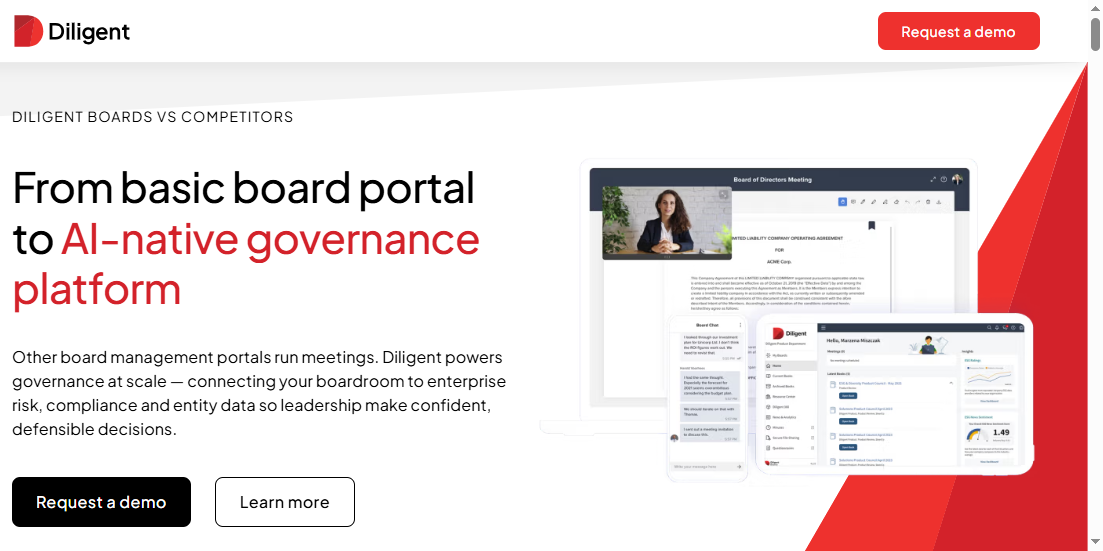
- One-sentence overview: Diligent ESG combines sustainability reporting, governance context, and board visibility in a platform built for structured oversight.
- Key Features:
- Framework mapping for common ESG standards
- Workflow automation for surveys and spreadsheets
- Dashboarding for leadership and oversight teams
- Audit-ready tracking and evidence support
- Pros & Cons:
- Pros: Good balance of governance and ESG reporting; practical for disclosure management; useful executive visibility.
- Cons: Some organizations may want deeper environmental modeling; feature depth may vary by module.
- Best For: Mid-sized to large organizations that want strong governance alignment and board-facing ESG reporting.
6. Novisto
- One-sentence overview: Novisto is an ESG data and disclosure platform aimed at companies that need organized reporting workflows without the heaviest enterprise overhead.
- Key Features:
- ESG data collection and management
- Disclosure workflows and evidence organization
- Framework alignment and reporting support
- Security and controlled access features
- Pros & Cons:
- Pros: Clear reporting focus; good for structured annual disclosures; easier to position for ESG-specific teams.
- Cons: Some advanced integration or operational use cases may require additional tooling; less broad than larger enterprise suites.
- Best For: Growing companies building a more mature ESG reporting process with reasonable implementation effort.
7. KEY ESG
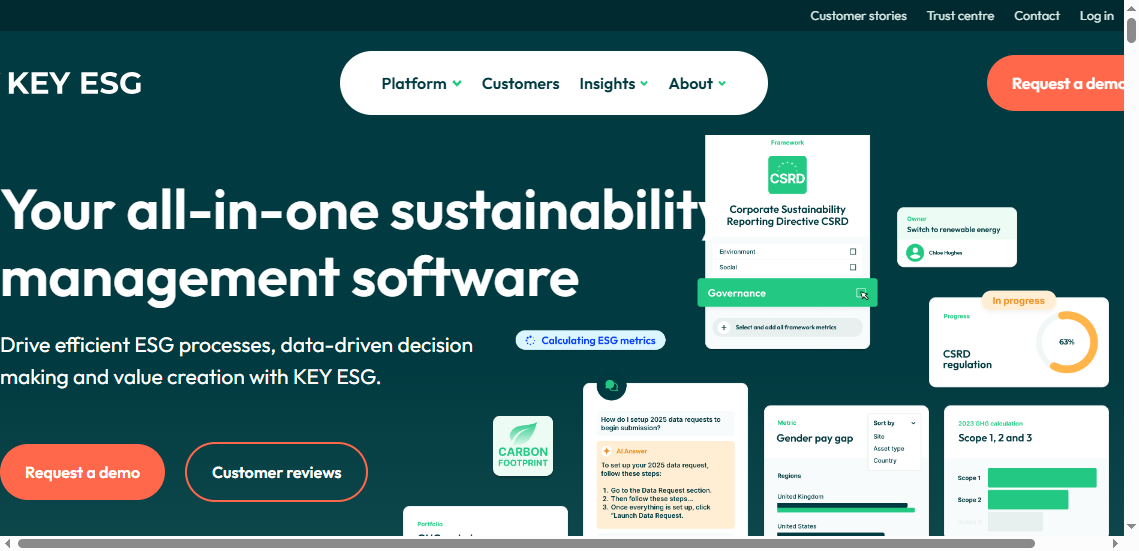
- One-sentence overview: KEY ESG is a sustainability reporting platform built around data collection, compliance workflows, and actionable ESG performance management.
- Key Features:
- Metric libraries and custom metric configuration
- Data request workflows and reminders
- API-based integration options
- Carbon accounting and CSRD support
- Pros & Cons:
- Pros: Practical workflow orientation; useful for structured data collection; flexible metric management.
- Cons: Platform fit depends on organizational reporting complexity; some teams may still want richer board-level analytics.
- Best For: Companies that want a focused ESG platform for collecting, validating, and reporting sustainability data.
Specialist ESG reporting platforms for disclosure-heavy teams
8. Novata
- One-sentence overview: Novata is tailored to private markets and helps firms standardize ESG data collection across portfolio companies and investment stakeholders.
- Key Features:
- Portfolio-level ESG data collection
- Due diligence and questionnaire workflows
- Reporting for private equity and venture capital use cases
- Benchmarking support
- Pros & Cons:
- Pros: Strong fit for private market reporting structures; practical user experience for portfolio workflows; targeted use case clarity.
- Cons: Less suitable for broad corporate enterprise reporting outside private markets; may not match complex multinational disclosure needs.
- Best For: Private equity, venture capital, and portfolio reporting teams.
9. Apiday
- One-sentence overview: Apiday is a lighter ESG reporting platform aimed at scale-ups, funds, and organizations that need faster compliance-oriented reporting.
- Key Features:
- Support for multiple ESG frameworks
- Data collection and reporting workflows
- EU-focused compliance support
- Practical questionnaire and disclosure handling
- Pros & Cons:
- Pros: Accessible for leaner teams; focused compliance workflow; lower complexity than some enterprise platforms.
- Cons: May be less suitable for highly customized global reporting environments; enterprise integration depth may be narrower.
- Best For: Scale-ups, private market firms, and lean ESG teams seeking faster deployment.
10. FineReport
- One-sentence overview: FineReport is a flexible reporting and dashboard platform that helps organizations transform ESG data from multiple systems into highly customized sustainability reports and board-ready dashboards.
- Key Features:
- Pixel-perfect report design for sustainability packs, committee reports, and regulatory submissions
- Real-time dashboards for ESG KPIs, emissions trends, workforce indicators, and supplier metrics
- Broad data connectivity to ERP, HR, finance, utility, and operational systems
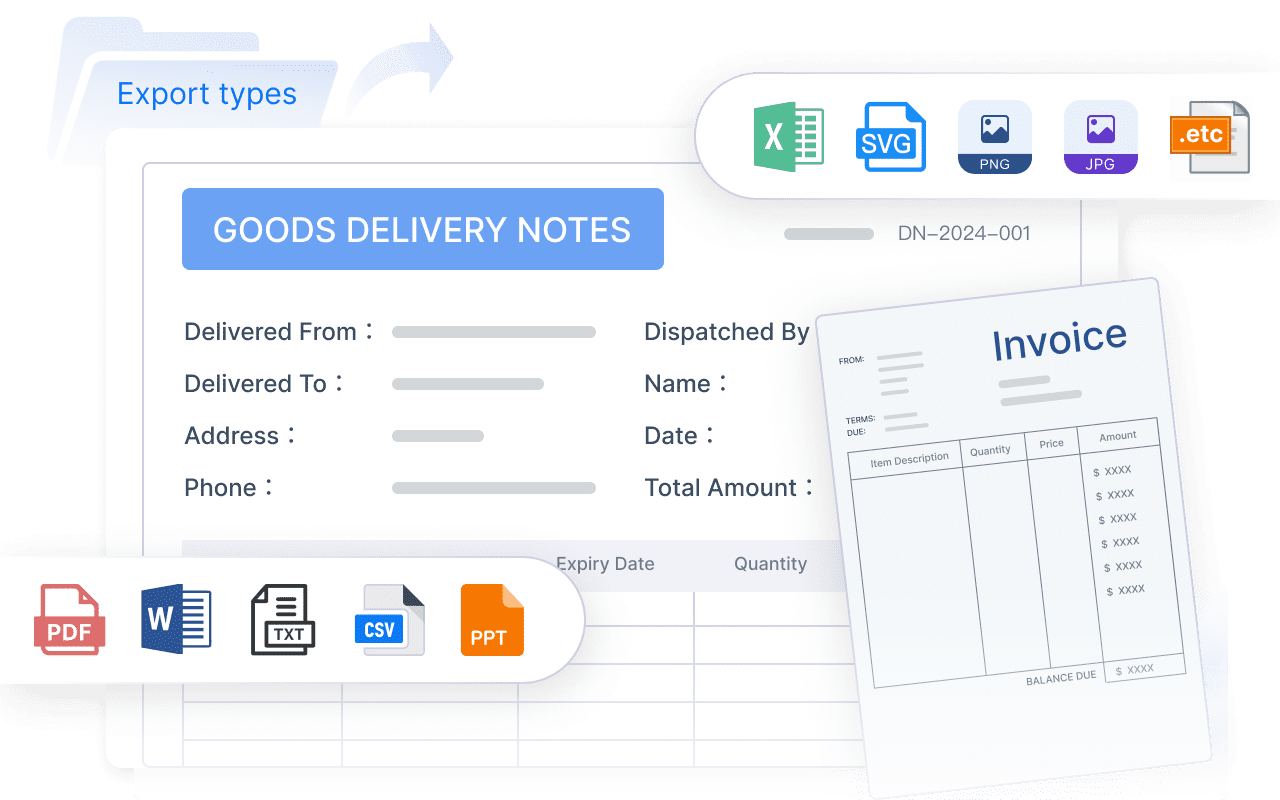
- Scheduled distribution, permissions control, drill-down analysis, and export to common business formats
- Pros & Cons:
- Pros: Excellent for board-ready presentation; highly customizable layouts; strong for organizations that already have ESG data but need better reporting output and executive visibility.
- Cons: It is not a dedicated ESG framework content database by itself; some organizations may pair it with a specialist ESG data management tool.
- Best For: Enterprises and growing companies that want polished ESG dashboards, management packs, and disclosure-ready reports without being limited by rigid templates.
How to read the comparison table
When comparing the best sustainability reporting software, use a practical scorecard rather than relying on brand familiarity alone. The most useful columns to compare are:
| Tool | Key Features | Compliance Coverage | Integrations | Implementation Effort | Pricing Model | Ideal Company Size |
|---|---|---|---|---|---|---|
| Workiva | Connected reporting, approvals, audit trails | Strong multi-framework support | Broad enterprise integrations | High | Custom enterprise pricing | Large enterprise |
| IBM Envizi | ESG data consolidation, emissions tracking | Strong environmental reporting support | Strong enterprise data integrations | High | Custom enterprise pricing | Large enterprise |
| SAP Sustainability Control Tower | ERP-connected ESG metrics, KPI visibility | Broad enterprise compliance support | Best in SAP ecosystem | High | Custom enterprise pricing | Large enterprise |
| Sphera | Compliance, EHS, environmental performance | Strong for regulated industries | Broad enterprise integrations | High | Custom enterprise pricing | Large enterprise |
| Diligent ESG | Governance-linked ESG reporting, dashboards | Good multi-framework mapping | Moderate to strong | Medium | Custom pricing | Mid-size to large |
| Novisto | ESG data management, disclosures | Good disclosure-focused support | Moderate | Medium | Custom pricing | Mid-size to large |
| KEY ESG | Data requests, metric libraries, carbon workflows | Strong CSRD-oriented positioning | API-based integrations | Medium | Custom pricing | Mid-size to large |
| Novata | Portfolio ESG workflows, due diligence | Private markets focused | Moderate | Medium | Custom pricing | PE/VC and portfolio firms |
| Apiday | Lean ESG reporting, compliance workflows | Good EU-oriented support | Moderate | Low to medium | Subscription-style pricing | Scale-ups and lean teams |
| FineReport | Board-ready dashboards, custom ESG reports | Depends on your ESG framework setup | Broad data connectivity | Low to medium for reporting layer | Custom pricing | Mid-size to enterprise |
Best Sustainability Reporting Software in 2026: how to compare the right platform
The best sustainability reporting software is the platform that helps you collect ESG data accurately, maintain a defensible audit trail, map disclosures to current frameworks, and deliver reporting that both compliance teams and boards can actually use.
This comparison focuses on four areas that matter most in 2026:
- ESG data collection
- Audit trails and evidence control
- Disclosure workflows
- Board-ready reporting
This guide is built for:
- Sustainability leaders
- Finance and controllership teams
- Compliance owners
- Internal audit stakeholders
- Executive and board audiences
To compare tools fairly, the core evaluation criteria used throughout this article are:
- Breadth of data collection support
- Automation and workflow maturity
- Auditability and evidence tracking
- Coverage of major ESG frameworks
- Dashboard and executive reporting quality
- Integration flexibility
- Implementation effort
- Best-fit company profile
What to look for in sustainability reporting software
Data collection, automation, and auditability
For most organizations, the hardest part of ESG reporting is not building the final report. It is collecting reliable data from scattered systems, site teams, suppliers, HR, finance, and operational owners.
The best sustainability reporting software should support a mix of input methods, including:
- Utility and energy data ingestion
- Supplier questionnaires and vendor submissions
- HR and workforce metrics
- Manual uploads from spreadsheets
- API connections to ERP, finance, and business systems
Strong platforms also reduce the administrative burden with workflow tools such as:
- Data request assignments
- Reminder notifications
- Validation checks
- Role-based approvals
- Locked reporting periods
Auditability matters just as much as automation. If your team expects limited assurance or reasonable assurance, look for:
- Version history
- Evidence attachments
- Change logs
- Approval records
- Methodology documentation
Without these controls, teams often end up recreating evidence manually during assurance season.
Compliance and disclosure framework coverage
ESG reporting in 2026 is shaped by overlapping frameworks and regulations. A useful platform should help teams navigate this complexity rather than force them to manage it in offline spreadsheets.
Look for support or alignment with major frameworks such as:
- CSRD
- ISSB
- GRI
- SASB
- TCFD
- CDP
- EU taxonomy and related regional requirements where relevant
Coverage alone is not enough. The software should also offer practical compliance enablers, such as:
- Built-in disclosure templates
- Materiality workflow support
- Metric libraries
- Framework mapping
- Deadline and task management
- Reviewer and approver routing
The more your organization reports to investors, regulators, customers, and lenders at the same time, the more valuable this structured framework support becomes.
Board-ready reporting and executive visibility
Many ESG tools are good at collecting data but weaker at presenting it clearly to senior leadership. Boards rarely want raw metric libraries or operational logs. They want concise, credible, decision-ready views.
That means the software should support:
- Executive dashboards
- KPI summaries
- Trend analysis
- Target versus actual views
- Scenario comparisons
- Exportable board packs
It should also let teams tailor outputs for different audiences, including:
- Board committees
- Executive leadership
- Investors
- Regulators
- Internal audit or assurance teams
This is where FineReport stands out particularly well. If your main challenge is turning validated ESG data into polished dashboards, committee packs, or presentation-quality reporting, FineReport gives teams more control over layout, formatting, visual hierarchy, and report distribution than many ESG-native tools.

Reviews of the top sustainability software providers
Platform-by-platform review format
Below is a closer look at how the leading tools compare in real-world selection scenarios.
Workiva
- One-sentence overview: Workiva is one of the strongest options for organizations that need ESG disclosures connected to financial, governance, and narrative reporting processes.
- Key Features:
- Connected reporting across teams
- Strong workflow and approvals
- Version control and traceability
- Multi-report consistency for disclosures
- Pros & Cons:
- Pros: Mature control environment; strong for public company reporting; useful for cross-functional coordination.
- Cons: Can be expensive and complex; may require a mature internal reporting model to realize full value.
- Best For: Large listed companies and enterprises with formal disclosure governance.
IBM Envizi
- One-sentence overview: IBM Envizi is best known for centralizing environmental and ESG data from multiple business units and systems.
- Key Features:
- Utility and emissions data capture
- Central repository for ESG metrics
- Analytics for trends and consumption
- Enterprise scalability
- Pros & Cons:
- Pros: Strong data consolidation; useful for environmental reporting depth; scales across distributed operations.
- Cons: Presentation and narrative reporting may need extra tooling; configuration effort can be substantial.
- Best For: Large organizations with complex environmental data estates.
SAP Sustainability Control Tower
- One-sentence overview: SAP Sustainability Control Tower is a strong candidate for businesses that want sustainability reporting linked directly to ERP-driven operational data.
- Key Features:
- SAP-native integration potential
- KPI monitoring and performance tracking
- Cross-functional enterprise metrics
- Executive visibility into operational sustainability trends
- Pros & Cons:
- Pros: Strong alignment with enterprise processes; ideal for SAP-heavy environments; good centralized governance.
- Cons: Less attractive if your systems are not centered on SAP; implementation can be lengthy.
- Best For: SAP-first enterprises needing structured ESG performance oversight.
Sphera
- One-sentence overview: Sphera is a fit for companies that treat sustainability reporting as part of a broader compliance, risk, and operational management strategy.
- Key Features:
- Environmental compliance workflows
- Carbon and sustainability management capabilities
- Risk and operational controls
- Support for industrial and regulated settings
- Pros & Cons:
- Pros: Strong depth for regulated operations; broad sustainability management scope; useful for risk-conscious sectors.
- Cons: Less lightweight than disclosure-focused buyers may want; complexity can slow adoption.
- Best For: Industrial, energy, chemicals, and manufacturing organizations.
Diligent ESG
- One-sentence overview: Diligent ESG is a practical choice for organizations that want sustainability reporting with a strong governance and board oversight lens.
- Key Features:
- ESG framework mapping
- Survey and spreadsheet ingestion
- Workflow automation
- Board-friendly dashboards
- Pros & Cons:
- Pros: Good governance alignment; board visibility is a strong point; useful reporting controls.
- Cons: Environmental depth may be lighter than specialist platforms; some organizations may need supplementary analytics.
- Best For: Mid-sized and large companies with strong governance involvement in ESG.
Novisto
- One-sentence overview: Novisto is built for ESG data management and disclosure execution, with a focus on structure and reporting maturity.
- Key Features:
- Centralized ESG data model
- Disclosure workflow management
- Framework alignment
- Controlled collaboration
- Pros & Cons:
- Pros: Clear ESG reporting orientation; easier to position than very broad enterprise suites; strong annual reporting use case.
- Cons: May not cover every operational sustainability workflow; customization depth depends on implementation scope.
- Best For: Companies professionalizing annual ESG reporting and stakeholder disclosures.
KEY ESG
- One-sentence overview: KEY ESG is a workflow-centered platform for collecting, validating, and reporting ESG data with a strong compliance focus.
- Key Features:
- Structured data requests
- Metric libraries and custom metrics
- Target tracking
- Compliance-oriented workflow support
- Pros & Cons:
- Pros: Practical and focused; useful data collection controls; good for organizations building repeatable ESG processes.
- Cons: Executive reporting design may need enhancement depending on stakeholder expectations; enterprise breadth varies by use case.
- Best For: Organizations seeking a focused reporting workflow platform with carbon and compliance support.
Novata
- One-sentence overview: Novata is optimized for private market ESG data collection and reporting across investors and portfolio companies.
- Key Features:
- Portfolio data collection
- Benchmarking and due diligence support
- Private market reporting workflows
- Standardized questionnaires
- Pros & Cons:
- Pros: Highly relevant for PE and VC use cases; simplified data gathering across portfolio companies; user-friendly for investment workflows.
- Cons: Narrower fit outside private markets; not ideal for complex multinational corporate reporting.
- Best For: Private equity firms, venture capital funds, and portfolio operators.
Apiday
- One-sentence overview: Apiday offers a simpler ESG reporting experience for leaner teams that need practical compliance support without a large enterprise rollout.
- Key Features:
- Multi-framework support
- Data collection and disclosure workflows
- EU-oriented compliance support
- Lightweight setup relative to large suites
- Pros & Cons:
- Pros: Faster to understand and deploy; accessible for smaller ESG teams; useful for focused reporting needs.
- Cons: Less suitable for very complex global governance structures; advanced integration requirements may exceed scope.
- Best For: Scale-ups, funds, and lean sustainability teams.
FineReport
- One-sentence overview: FineReport is one of the best choices for organizations that need customized ESG dashboards, polished board packs, and flexible sustainability reporting outputs from existing business data.
- Key Features:
- Pixel-perfect report authoring for ESG disclosures and board presentations
- Rich dashboarding for emissions, workforce, supplier, and governance KPIs
- Integration with databases, ERP systems, HR platforms, spreadsheets, and operational systems
- Permission controls, drill-through analysis, scheduled delivery, and multi-format export
- Pros & Cons:
- Pros: Excellent reporting flexibility; strong executive visualization; ideal for building board-ready sustainability packs; lower friction for organizations that already have core data sources in place.
- Cons: Best used as a reporting and analytics layer rather than a full ESG framework content engine on its own; some teams may combine it with ESG-specific data management software.
- Best For: Organizations that want better ESG storytelling, management visibility, and report customization across internal and external audiences.
Common strengths and weaknesses across leading vendors
Across the market, the top tools usually perform well in at least one of these areas:
- Structured ESG data collection
- Multi-framework disclosure support
- Workflow controls
- Audit readiness
- Executive dashboards
However, they differ significantly in four areas.
1. Data quality controls
Some platforms excel at collecting utility, emissions, and operational data at scale. Others rely more heavily on manual submissions and user discipline.
2. Framework depth
Certain tools are stronger in disclosure mapping and annual reporting, while others prioritize environmental measurement or private-market questionnaires.
3. Customization
Rigid template-driven platforms can be faster to launch, but they may struggle when board committees, investors, and regulators each need different reporting views. FineReport is especially strong here because it gives teams a more flexible reporting layer.
4. Usability
The most comprehensive enterprise suites are not always the easiest to administer. Mid-market buyers often prioritize simplicity, training speed, and lower dependence on consultants.
Which ESG reporting solution is best for your organization type
There is no single winner for every company. The best sustainability reporting software depends on your reporting burden, systems landscape, team maturity, and stakeholder expectations.
Best for large enterprises
Consider:
- Workiva
- IBM Envizi
- SAP Sustainability Control Tower
- Sphera
These platforms generally fit organizations that need strong controls, large-scale data consolidation, and broad compliance support.
Best for growing mid-sized companies
Consider:
- Diligent ESG
- Novisto
- KEY ESG
- FineReport
These tools are often a better fit when teams need practical workflows without the weight of a very large enterprise implementation.
Best for limited ESG resources or specialized use cases
Consider:
- Apiday
- Novata
- FineReport
Apiday and Novata fit specific operational models well, while FineReport is especially useful for teams that need to improve executive reporting quickly without rebuilding their entire system landscape.
How to choose an ESG software and reporting platform with confidence
Questions to ask before booking a demo
Before you evaluate the best sustainability reporting software for your business, ask vendors direct operational questions.
About framework and methodology updates
- How do you update support for CSRD, ISSB, GRI, SASB, and CDP changes?
- How do you handle emissions factor updates and methodology revisions?
- Can we document our methodology choices and retain historical versions?
About assurance readiness
- How are evidence files attached and stored?
- Can approvers review and sign off at metric or disclosure level?
- What does the audit trail actually show during assurance?
About implementation
- Who leads implementation: your team, a partner, or internal staff?
- What is the typical time to first usable report?
- How much configuration is required from our side?
About support and training
- What training is included after go-live?
- How responsive is customer support during reporting season?
- Is there ongoing help with workflow optimization, not just technical issues?
About reporting outputs
- Can executives get dashboards, not just static disclosures?
- How customizable are board packs and export layouts?
- Can we produce different reporting views for regulators, investors, and internal committees?
If polished leadership reporting is a major requirement, FineReport deserves a close look in the shortlist because its reporting flexibility often solves a problem that ESG-native systems leave only partially addressed.
Red flags that can slow reporting or weaken compliance
Not every tool marketed as ESG software is ready for real compliance pressure. Watch for these warning signs:
- Heavy manual work hidden behind a modern interface
- Weak audit trails that do not capture who changed what and when
- Limited integrations with finance, HR, utility, or procurement systems
- Unclear ownership workflows for reviews and approvals
- Rigid outputs that do not meet board or regulator formatting needs
- Framework claims without usable templates or workflows
- Long implementation promises without a clear scoping model
A platform that looks simple in a demo can become burdensome if your team still has to manage evidence, reconciliations, and reporting logic offline.
Final shortlist and decision checklist
Before signing a contract in 2026, validate these must-have criteria:
- The tool supports your required frameworks today
- It can adapt to future framework updates
- Data collection methods match your real sources
- Audit trails are detailed enough for assurance
- Reporting outputs work for executives, boards, and regulators
- Integrations reduce spreadsheet dependency
- Internal ownership is clear across sustainability, finance, and compliance teams
- Implementation effort matches your available resources
- Pricing aligns with your reporting scope, not just user count
- The vendor can demonstrate real post-sale support
For many organizations, the smartest decision is not choosing the most complex platform. It is choosing the platform combination that best fits your workflow. A company may use a dedicated ESG system for data collection and framework mapping, then use FineReport to deliver the board-ready dashboards, management packs, and polished sustainability reports that decision-makers actually consume.
If your priority is finding the best sustainability reporting software, focus on three outcomes: trustworthy data, defensible compliance, and reporting that drives action. The right platform should help you do all three without creating another layer of manual work.
FAQs
Sustainability reporting software helps companies collect, validate, and organize ESG data so they can produce disclosures, compliance reports, and executive dashboards more efficiently. It also supports audit trails, framework mapping, and ongoing performance tracking.