
The esg reporting process is no longer a year-end publishing task. It is an operating model for collecting decision-useful data, coordinating multiple business functions, maintaining control over disclosures, and producing reports that stand up to investor, regulatory, and assurance scrutiny. If you lead finance, sustainability, legal, risk, or operations, the pain points are familiar: fragmented systems, unclear metric ownership, inconsistent methodologies, compressed timelines, and last-minute review chaos. A cross-functional model solves this by turning ESG reporting into a repeatable workflow with clear governance, standardized controls, and year-round accountability.
 Click To Try The Dashboard
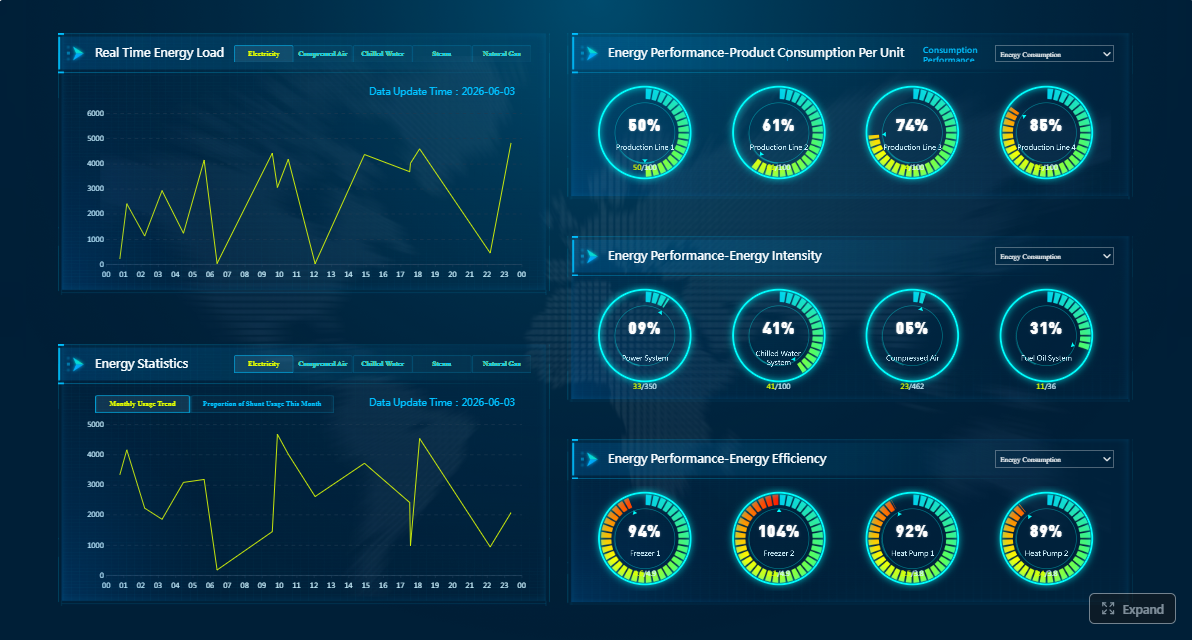
All reports in this article are built with FineReport
ESG reporting process at a glance
The esg reporting process is the structured workflow a company uses to define reporting objectives, identify disclosure requirements, collect and validate ESG data, draft disclosures, secure approvals, publish reports, and improve the next cycle. Done well, it aligns sustainability claims with financial-grade discipline.
A one-time disclosure exercise usually depends on manual spreadsheets, ad hoc emails, and a small reporting team pulling information together under pressure. That may produce a report, but it rarely produces confidence. A repeatable enterprise workflow, by contrast, defines owners, systems, review gates, evidence standards, and reporting calendars in advance. That is what improves disclosure quality over time.
For cross-functional teams, the value is operational as much as reputational. Finance brings control discipline. Legal reduces disclosure risk. Sustainability frames topics and methodologies. HR, operations, procurement, and risk contribute core source data. Investor relations helps ensure the final message is credible and aligned with market expectations.
Core elements of an enterprise ESG reporting workflow
- Objectives and scope: Defines why the report exists, who it serves, and which entities, geographies, and topics it covers.
- Governance model: Establishes executive sponsors, data owners, reviewers, approvers, and escalation paths.
- Framework mapping: Aligns disclosures to the standards, regulations, and stakeholder expectations that apply.
- Data architecture: Connects source systems, metric definitions, calculation rules, and reporting outputs.
- Control environment: Includes validations, documentation, version control, and evidence retention.
- Narrative process: Converts metrics into consistent explanations of strategy, risk, performance, and targets.
- Continuous improvement loop: Uses each reporting cycle to close gaps and strengthen future execution.
Key Metrics (KPIs)
Below are the most important KPIs to manage the ESG reporting process itself, not just the ESG outcomes:
- Data completeness rate: Percentage of required ESG data points submitted on time.
- Data accuracy exception rate: Share of submissions that fail validation or require correction.
- Ownership coverage: Percentage of metrics with a named business owner and reviewer.
- Cycle time to close: Total time required to move from data request to final approval.
- Audit trail coverage: Percentage of disclosures backed by documented evidence and methodology notes.
- Version rework rate: Frequency of disclosure revisions caused by inconsistency or missing information.
- Assurance readiness score: Assessment of whether data, controls, and documentation meet review expectations.
- Publication timeliness: Ability to release reports according to planned disclosure deadlines.
The rest of this guide follows a seven-step operating model that enterprise teams can use to make reporting more reliable, scalable, and defensible.
What ESG reporting is and why cross-functional teams matter
ESG reporting is the process of measuring and disclosing an organization’s environmental, social, and governance performance, risks, policies, and targets. Its purpose is not simply to state values. It is to provide stakeholders with evidence.
Investors use ESG disclosures to evaluate resilience, governance quality, and long-term risk exposure. Regulators use them to assess compliance and disclosure integrity. Customers and supply-chain partners increasingly use them to screen vendors and validate claims. Internal leaders use them to monitor execution, identify operational gaps, and allocate resources.
The reason cross-functional teams matter is straightforward: no single department owns the full ESG picture.
Typical functional contributions in the ESG reporting process
- Finance: Control design, reporting discipline, reconciliation, sign-off standards, and alignment with annual reporting cycles.
- Legal and compliance: Disclosure review, regulatory interpretation, claim substantiation, and risk mitigation.
- Sustainability team: Topic prioritization, framework alignment, methodology guidance, and overall coordination.
- HR: Workforce, DEI, training, labor, and health-related metrics.
- Operations: Energy, emissions, waste, water, safety, and facility-level performance data.
- Procurement and supply chain: Supplier due diligence, upstream impacts, and value-chain metrics.
- Risk and internal audit: Controls, assurance readiness, evidence standards, and process testing.
- Investor relations and communications: Stakeholder messaging, consistency across channels, and narrative positioning.
Business value of a cross-functional operating model
A mature operating model creates measurable enterprise value:
- Stronger governance through named owners and approval checkpoints.
- Better data quality through standardized definitions, controls, and system-based collection.
- More credible disclosures through traceability, documentation, and review discipline.
- Lower reporting risk by reducing unsupported claims and inconsistent messaging.
- Higher efficiency through repeatable workflows instead of annual reporting scrambles.
- Better management insight because the same data used for disclosure can support operational decisions.
The 7-step ESG reporting process
Step 1: Set reporting objectives and governance
Start by defining what the report must achieve. Different stakeholders care about different outcomes. Investors may need decision-useful risk disclosures. Regulators may require specific metrics and narratives. Customers may want supply-chain transparency. Leadership may want performance visibility tied to strategic targets.
That is why effective teams begin with a reporting charter. It should define scope, target audiences, reporting objectives, material business priorities, timing, and intended outputs across annual reports, sustainability reports, investor materials, and digital channels.
Governance comes next. Assign executive sponsors who can unblock decisions. Name process owners for each reporting phase. Define who prepares, reviews, challenges, approves, and publishes. Without this structure, ESG reporting turns into a coordination problem with no real accountability.
Best-practice governance components
- Executive sponsor with authority across business units
- Central reporting lead to coordinate the full cycle
- Metric owners for every required data point
- Review checkpoints for finance, legal, and subject-matter experts
- Escalation path for data gaps, delays, or disputed methodologies
- Board or committee approval process where required
Step 2: Identify reporting requirements and material topics
The second step is determining what you actually need to disclose and why. This requires mapping relevant standards, frameworks, customer requirements, and jurisdiction-specific obligations. Large enterprises often face overlapping expectations, so the goal is not to chase every acronym. It is to build a practical disclosure map.
Then prioritize topics through a materiality lens. Focus on issues that matter most to the business and to stakeholders. This can include climate, emissions, energy, health and safety, workforce metrics, ethics, supply-chain practices, privacy, or board oversight, depending on your industry and footprint.
Cross-functional participation is essential here because materiality decisions affect data collection burden, legal exposure, and executive messaging. If operations, finance, legal, and sustainability are not aligned at this stage, rework later is almost guaranteed.
Key outputs of this step
- List of applicable frameworks and regulations
- Disclosure requirement matrix by topic and business entity
- Material topic prioritization
- Boundary decisions for organizational and operational scope
- Initial list of required metrics and narratives
Step 3: Build the data model and collection workflow
This is where many ESG programs either mature or stall. The data model is the backbone of the esg reporting process. It defines what will be measured, how it will be calculated, where it will come from, who owns it, when it is due, and how it will be reviewed.
A strong data model includes metric definitions, calculation logic, units of measure, boundaries, assumptions, source systems, and evidence requirements. It also distinguishes between actual values, estimates, and externally sourced data. If these rules are vague, comparability breaks down and confidence drops.
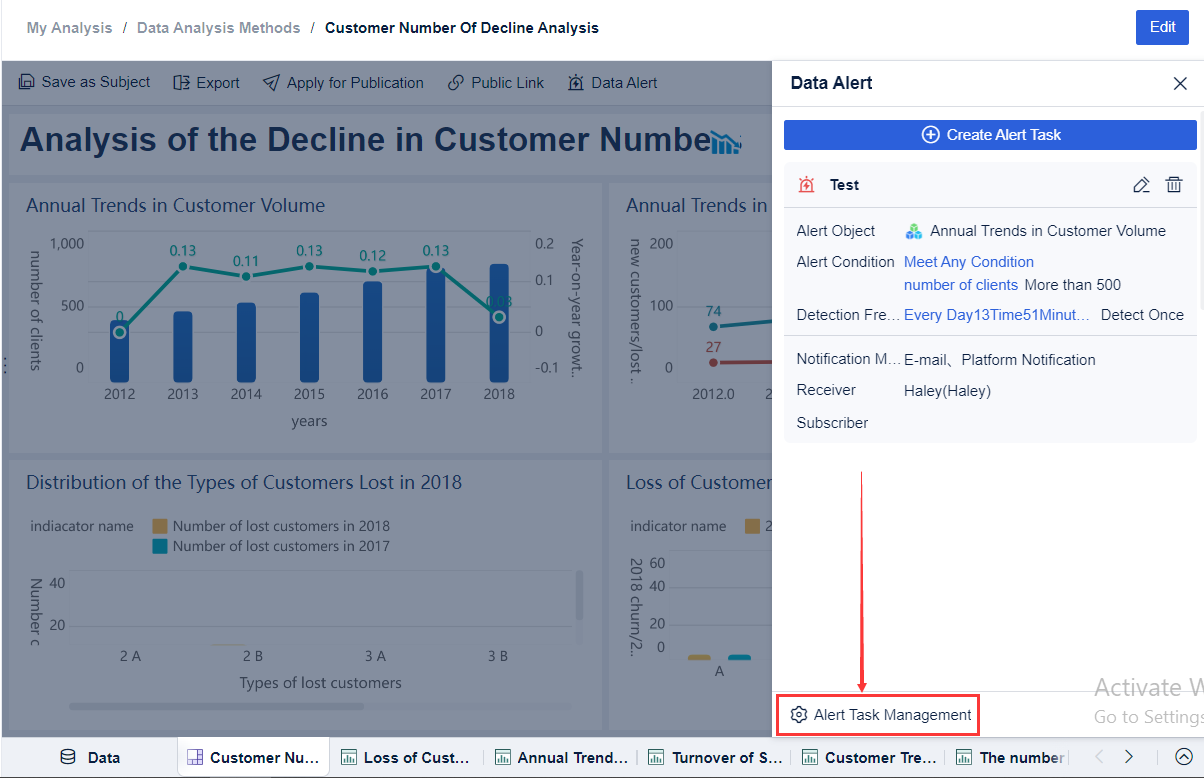
Collection workflows should reduce manual work as much as possible. Pull data from source systems where feasible. Standardize input templates where system integration is not yet available. Set reporting calendars by function. Build alerts for late submissions and exception handling.
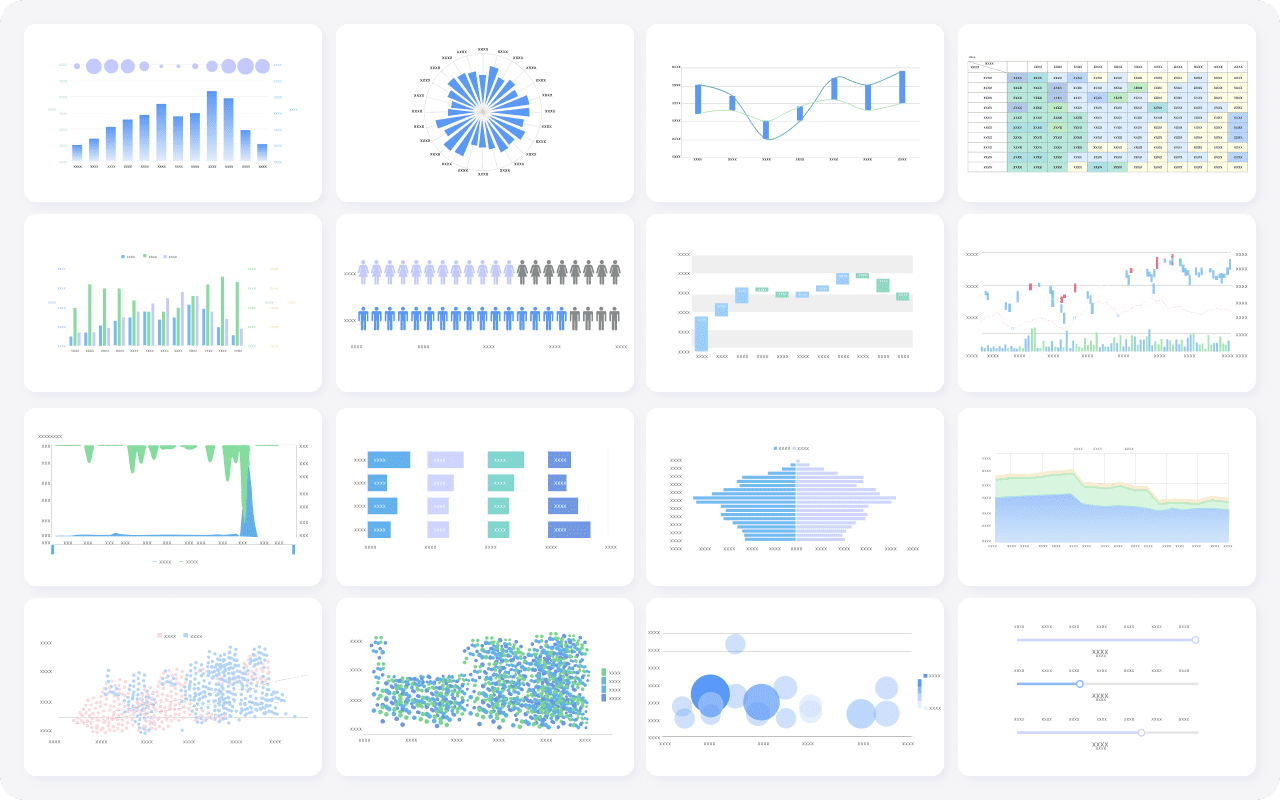
Key Metrics (KPIs) to include in the ESG data model
- Scope 1 emissions: Direct emissions from owned or controlled operations.
- Scope 2 emissions: Indirect emissions from purchased electricity, steam, heating, or cooling.
- Scope 3 emissions: Value-chain emissions upstream and downstream, where relevant.
- Energy consumption: Total energy use by source and business unit.
- Water withdrawal and discharge: Water use volume and water-related operational intensity.
- Waste generation and diversion: Waste produced, recycled, reused, or sent to landfill.
- Health and safety incident rate: Frequency of recordable incidents or lost-time injuries.
- Workforce diversity metrics: Representation by gender, ethnicity, leadership level, or other defined categories.
- Employee turnover rate: Percentage of employees leaving during a reporting period.
- Training completion rate: Share of employees completing required ethics, safety, or compliance programs.
- Board independence ratio: Percentage of independent directors on the board.
- Ethics incident resolution rate: Speed and completeness of issue investigation and closure.
Step 4: Validate data and maintain an audit-ready trail
Collection is only half the job. Validation is what makes ESG data usable. Every mature reporting workflow needs controls for completeness, consistency, reasonableness, approval, and evidence retention.
At minimum, set up checks for missing fields, out-of-range values, changes versus prior periods, duplicate submissions, and inconsistent units or boundaries. Then require data owners to attach supporting documentation and methodology notes. This creates traceability and reduces back-and-forth during review.
Version control also matters. ESG reporting often involves multiple draft cycles across legal, finance, sustainability, and communications. If teams are working from conflicting versions, the risk of inconsistency across channels rises sharply.
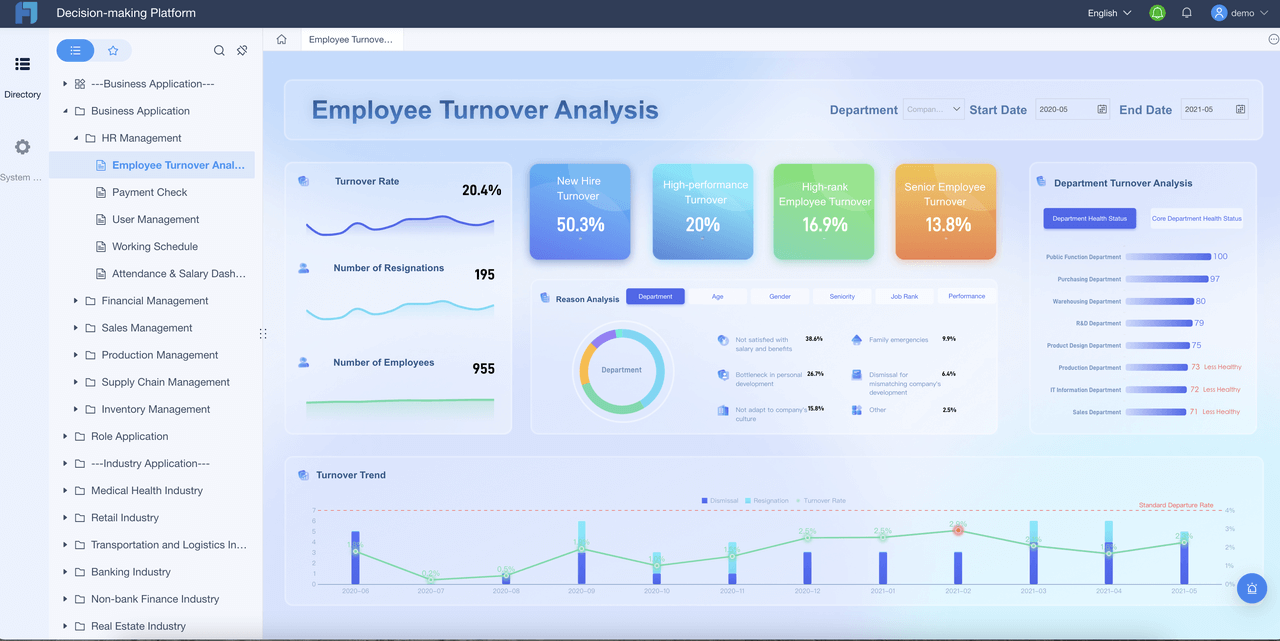
What an audit-ready trail should include
- Source file or system record
- Metric definition and calculation method
- Reporting boundary and assumptions
- Named preparer and reviewer
- Timestamped submission history
- Exception and correction log
- Final approved value with evidence retained
Step 5: Draft the narrative and disclosures
Strong ESG reports do more than list numbers. They explain strategy, governance, risks, targets, performance trends, and methodology in a way stakeholders can actually understand.
The narrative should answer practical questions: What are the company’s priority ESG issues? How are they governed? What progress was made? Where did performance miss expectations? What methodologies were used? Which limitations or estimates should readers understand?
This step requires close coordination between sustainability, finance, legal, and communications. The same information often appears in multiple formats: annual reports, sustainability reports, investor decks, websites, questionnaires, and procurement responses. If the core narrative is not harmonized, credibility suffers.
Narrative drafting principles
- Lead with material issues, not generic claims
- Separate targets, current performance, and future ambition
- Explain methodologies in plain language
- Acknowledge data limitations honestly
- Keep terminology consistent across all channels
- Align charts, tables, and text to the same approved dataset
Step 6: Review, approve, and publish
Before publication, the report should move through a formal approval process. Legal checks disclosure exposure. Finance reviews consistency with reported figures and control standards. Executives confirm strategic positioning. In some organizations, the board or a designated committee provides final oversight.
Publication planning should also be deliberate. Decide what goes where, when, and for whom. A sustainability report may be the flagship document, but the same disclosures may need to appear in annual filings, investor materials, web content, customer responses, and internal communications.
A controlled publication process reduces the risk of conflicting statements, missed deadlines, and public corrections after release.
Approval checklist
- Legal review completed
- Finance sign-off obtained
- Subject-matter expert review closed
- Executive approval documented
- Board review completed if required
- Publication assets synchronized across channels
- Final archived copy stored with evidence
Step 7: Measure gaps and improve the next reporting cycle
The best ESG reporting teams treat publication as the end of one cycle and the start of the next. Run a post-report review while lessons are still fresh. Identify where delays occurred, where controls failed, which metrics required heavy manual intervention, and which disclosures triggered the most review comments.
This step turns reporting into an operating capability rather than a recurring emergency. Over time, organizations can move more metrics into system-based capture, improve control design, refine materiality decisions, and better align ESG reporting with enterprise planning cycles.
Questions to ask in the post-cycle review
- Which data points were hardest to collect and why?
- Where did teams rely too heavily on spreadsheets or manual consolidation?
- Which metrics lacked clear ownership or methodology?
- What legal or assurance concerns surfaced late?
- Which disclosures generated the most stakeholder questions?
- What should be automated before the next cycle?
Corporate ESG reporting best practices
Create clear ownership across functions
Ambiguity is one of the biggest causes of ESG reporting delays. Every metric should have a named owner, a backup owner, a reviewer, and a final approver. The same principle applies to narratives, methodology notes, and publication assets.
A practical approach is to build a responsibility matrix covering data preparation, review, escalation, and sign-off. Keep it visible and linked to the reporting calendar. When ownership is explicit, bottlenecks surface earlier and governance becomes enforceable.
Standardize definitions and controls
Enterprise ESG reporting breaks down when business units use different formulas, units, or assumptions for the same metric. Standardization is not bureaucracy. It is the only way to produce comparable and defensible disclosures.
Use shared templates, approved methodologies, validation rules, and controlled data dictionaries. If local business units need flexibility, define it in governed exception rules rather than informal workarounds.
Plan for assurance and regulatory change
Even when assurance is limited or not yet required, build the process as if it will be reviewed. That means documented methods, retained evidence, clear approval histories, and reproducible calculations.
Regulatory requirements also evolve. A rigid workflow tied to one narrow framework can become obsolete quickly. Design your reporting model so it can map one internal dataset to multiple external disclosure requirements.
Balance compliance with decision-useful reporting
Compliance is necessary, but it is not enough. The most effective reports are also useful to management, investors, customers, and business partners. That means focusing on clarity, comparability, context, and relevance.
Do not overload the report with low-value content. Prioritize the metrics and explanations that reveal performance, direction of travel, risk exposure, and management response.
Common challenges and when to use ESG reporting services
Most enterprises struggle with the same four issues: fragmented systems, unclear ownership, inconsistent metrics, and tight reporting timelines. These problems usually show up together. Data sits in separate operational, HR, and finance systems. Teams interpret metrics differently. Review cycles start too late. The final report becomes a manual reconciliation exercise.
Other common obstacles include:
- Limited traceability for non-financial metrics
- Weak documentation for methodologies and assumptions
- Inconsistent disclosures across reports and websites
- Lack of internal capacity during peak reporting periods
- Poor alignment between sustainability and finance calendars
There are times when outside support makes sense. Consider ESG reporting services when your team needs a formal gap assessment, a better data model, framework mapping, reporting production support, or assurance readiness planning. External specialists can accelerate setup and reduce rework, especially during the first few reporting cycles.
That said, outsourcing should not remove internal accountability. The company must still own its metrics, assumptions, controls, and final disclosures.
How to evaluate ESG reporting service partners
- Can they support both methodology and workflow design?
- Do they understand finance-grade controls, not just sustainability content?
- Can they help standardize data definitions across functions?
- Do they improve internal capability rather than creating dependency?
- Can they support dashboarding, traceability, and ongoing reporting operations?
How to make the operating model sustainable year-round
The shift from annual sprint to continuous process is where reporting maturity really develops. Instead of waiting until reporting season, leading teams check critical data quarterly, review methodology changes in real time, and maintain governance routines throughout the year.
This approach does three things. First, it reduces year-end compression. Second, it improves data quality because issues are caught earlier. Third, it makes ESG data more useful for actual business management, not just disclosure.
4 actionable best practices to operationalize the ESG reporting process
1. Build a quarterly ESG control cadence
Review high-priority metrics every quarter, not once a year. Validate submissions, document exceptions, and resolve ownership issues before they compound.
2. Create a central reporting calendar
Map all deadlines for data submission, review, executive sign-off, and publication. Align ESG reporting with financial close and board meeting schedules where possible.
3. Use a governed data repository
Move away from scattered spreadsheets and email-based evidence storage. Centralize metric definitions, submissions, approvals, and supporting documents in one controlled environment.
4. Run an annual governance refresh
Reconfirm sponsors, metric owners, frameworks, material topics, and approval paths at the start of each cycle. Organizational changes can quietly break reporting workflows if governance is not reset.
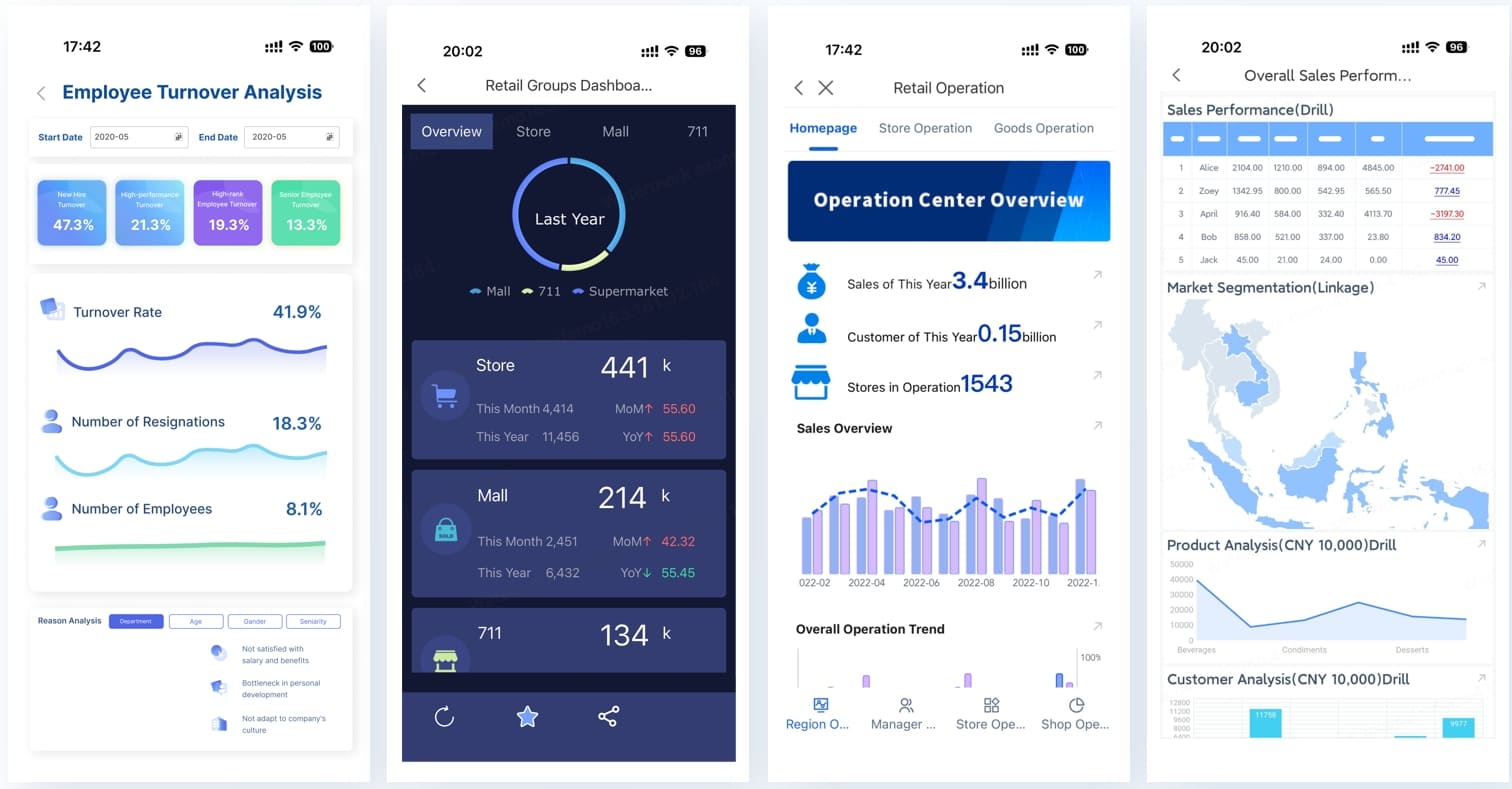
Practical ESG reporting maturity checklist
Use this checklist to assess where your team stands today:
- Do we have a documented end-to-end esg reporting process?
- Does every required metric have a named owner and reviewer?
- Are methodologies standardized across all business units?
- Can we trace each published metric back to source evidence?
- Do we run validation checks before the drafting stage?
- Is our narrative consistent across reports, website content, and investor materials?
- Can we support external assurance without major manual reconstruction?
- Do we review the process after publication and track improvement actions?
- Are key ESG metrics monitored throughout the year, not just at reporting time?
Build the ESG reporting process faster with FineReport
Building this manually is complex; use FineReport to utilize ready-made templates and automate this entire workflow.
For enterprise teams, that means more than nicer dashboards. It means a practical way to connect data sources, standardize ESG KPIs, automate collection workflows, manage validation rules, and give each function visibility into status, exceptions, and approvals. Instead of chasing spreadsheets across departments, teams can manage the esg reporting process in a centralized, scalable reporting environment.
FineReport is especially useful when you need to:
- Consolidate ESG data from multiple systems
- Design executive dashboards for KPI monitoring
- Standardize submission templates across business units
- Track workflow status, approvals, and exceptions
- Maintain a more audit-ready reporting trail
- Reuse reporting outputs across multiple disclosure formats

Get Ready-to-Use Dashboard Templates in Fine Gallery
If your ESG team is still relying on disconnected files, manual reconciliations, and last-minute review cycles, now is the time to move to a governed operating model. The right workflow, ownership structure, and reporting platform can turn ESG disclosure from a reactive burden into a reliable enterprise capability.
FAQs
The ESG reporting process is a structured workflow for defining scope, mapping disclosure requirements, collecting and validating data, drafting disclosures, securing approvals, and publishing a credible report. It turns ESG reporting from a one-time exercise into a repeatable operating model.