
Chemical data reporting under TSCA is a recurring compliance obligation that directly affects how manufacturers and importers manage product stewardship, site-level records, and regulatory risk. If your organization makes or imports chemical substances into the United States, the real challenge is rarely just filing a form. It is determining whether a substance is reportable, aligning data across plants and business units, validating volumes and use information, and submitting defensible information on time. For operations leaders, EHS managers, regulatory affairs teams, and supply chain stakeholders, strong chemical data reporting processes reduce the risk of missed obligations, rushed submissions, and avoidable EPA follow-up.
 Click To Try The Dashboard
All reports in this article are built with FineReport
What Chemical Data Reporting Means Under TSCA
Under the Toxic Substances Control Act, chemical data reporting refers to the requirement for certain manufacturers, including importers, to submit information to EPA about chemical substances they manufacture or import. In plain language, it is the government’s way of collecting structured data on what chemicals are in U.S. commerce, in what volumes, and how they are used.
For companies, this matters because chemical data reporting is not just a regulatory exercise. It affects compliance planning, product portfolio visibility, supplier coordination, and audit readiness. If your internal records are fragmented, your reporting burden increases sharply during the filing window.
The reporting cycle also fits into a broader TSCA compliance framework. EPA uses reported data to understand manufacturing, processing, and use patterns, support chemical prioritization, and inform oversight decisions. That means your submission has implications beyond one filing period. It becomes part of the regulatory profile of substances in commerce.
Businesses that should pay close attention include:
- Domestic manufacturers producing TSCA-listed substances at or above reportable thresholds
- Importers bringing chemical substances, formulations, or certain article-related materials into the U.S. market
- Multi-site enterprises that must consolidate site-specific production and use records
- Companies with complex supply chains where substance identity and sourcing records may be incomplete or inconsistent
- Organizations managing tolling, contract manufacturing, or private-label imports where responsibility can be misunderstood
Who Must Report and Which Substances Are Covered
The most important starting point in chemical data reporting is applicability. Many companies do not fail because they ignore the rule entirely. They fail because they apply thresholds incorrectly, misclassify import activity, or assume an exemption applies without documentation.
In general, reporting obligations turn on a few core questions:
- Is the substance on the TSCA Inventory?
- Did the company manufacture or import the substance during the relevant reporting period?
- Was the site-specific volume threshold met in any applicable year?
- Does an exemption remove the reporting duty, fully or partially?
Key Metrics (KPIs) for Applicability and Scope
- TSCA Inventory Status: Confirms whether the substance is listed or otherwise recognized for TSCA reporting purposes.
- Annual Site Production Volume: Measures pounds manufactured at a specific site in a calendar year.
- Annual Site Import Volume: Measures pounds imported for a specific U.S. site in a calendar year.
- Threshold Attainment Year: Identifies the year in the reporting cycle when the reporting threshold was exceeded.
- Number of Reportable Substances: Counts substances that likely require review or submission.
- Exemption Rate: Shows the share of substances screened out due to valid exemptions.
- Data Completeness Score: Indicates whether required fields such as site data, use codes, and volume records are fully populated.
- Submission Readiness Status: Tracks each substance or site as not started, in review, pending certification, or ready to file.
Basic thresholds and reportable activities can vary based on the rule structure and substance-specific circumstances, so companies should verify current requirements against official EPA materials each cycle. As a practical matter, reporting typically centers on whether a listed substance was manufactured, including imported, above the applicable threshold at a site during the covered years.
Manufacturing and importing responsibilities often create confusion. A domestic producer can usually trace manufacturing volumes from production records. Importers, however, must determine whether incoming materials contain chemical substances that trigger reporting, even if the commercial documentation emphasizes product names rather than chemical identities. Customs records alone are rarely enough.
Common gray areas include:
- Byproducts: Some byproducts may be reportable depending on how they are generated and managed.
- Polymers: Companies often assume polymers are broadly exempt, but each case requires careful review.
- Impurities: Impurities may not be treated the same way as intentionally manufactured substances.
- Mixtures: Reporting usually focuses on the individual chemical substances in the mixture, not just the blend name on an invoice.
A disciplined applicability review should document each assumption. If an exemption is used, retain the rationale and supporting records.
How to Confirm Whether a Substance Is on the TSCA Inventory
Before preparing any submission, confirm substance identity with precision. This is where many reporting problems begin. A trade name, internal material code, or incomplete SDS entry is not enough to support accurate chemical data reporting.
Focus on three essentials:
- Chemical identity
- CAS number or accession information
- Inventory status validation
Your regulatory or product stewardship team should compare internal records against publicly available EPA tools and inventory-related resources. The goal is to ensure that the substance record used for reporting matches the actual manufactured or imported substance, not a commercial shorthand used in purchasing or sales systems.
Where companies struggle most:
- Different business units use different names for the same substance
- Imported materials list generic names that mask reportable components
- Legacy ERP records contain outdated CAS references
- Product changes occurred, but regulatory master data was never updated
What Information Companies Need for a CDR Submission
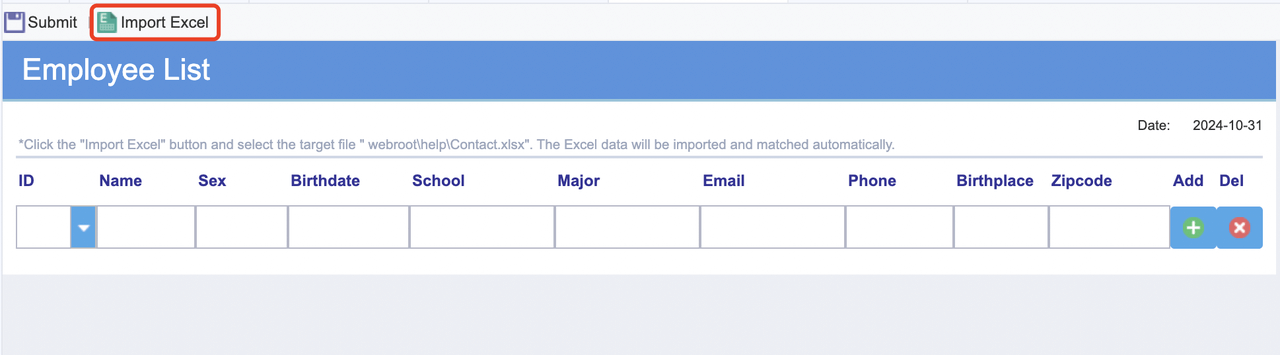
Once applicability is confirmed, the next challenge is data assembly. Chemical data reporting requires more than a volume total. Companies typically need a structured set of information that connects the substance, the reporting site, the manufacturing or import activity, and downstream processing or use.
Core data elements often include:
- Company and site identification
- Chemical identity information
- Production or import volumes
- Manufacturing details by site
- Industrial processing and use data
- Commercial and consumer use information
- Confidentiality claim support where applicable
The operational difficulty is that this data rarely lives in one system. Volumes may sit in ERP or plant systems, site contacts in master data tools, use information with product stewardship, and customer-facing application knowledge with commercial teams. Without a central process, data conflicts are almost guaranteed.
Key Metrics (KPIs) for Submission Data Quality
- Production Volume Accuracy: Degree to which reported volume matches plant, ERP, or import records.
- Site Record Completeness: Percentage of required site fields fully validated.
- Use Code Coverage: Share of reportable substances with complete industrial and consumer use coding.
- CBI Claim Validation Rate: Percentage of confidentiality claims supported by complete substantiation.
- Cross-System Reconciliation Rate: Extent to which ERP, procurement, customs, and EHS records align.
- Exception Count: Number of unresolved discrepancies before certification.
- Approval Cycle Time: Time required for legal, regulatory, and business sign-off.
- Audit Trail Availability: Whether supporting documentation is stored and retrievable for each reported substance.
Common documentation gaps that delay submissions include missing annual volume history, unclear import ownership, outdated use descriptions, and incomplete support for confidentiality claims. These gaps are not just administrative annoyances. They increase the likelihood of rework, late-cycle escalation, and weak defensibility if EPA asks follow-up questions.
How to Prepare Data Collection Internally
A strong internal process starts with cross-functional ownership. Chemical data reporting is usually too broad for one department to handle alone.
The teams that should typically be involved include:
- Legal or regulatory affairs for applicability interpretation and reporting decisions
- Operations or plant management for manufacturing volumes and site details
- Procurement and supply chain for imported material visibility and supplier confirmations
- EHS or product stewardship for substance identity, use patterns, and documentation
- IT or data management for extraction, reconciliation, and workflow control
- Executive approvers or authorized officials for final certification
A practical internal timeline should begin well before the reporting window. Mature organizations do not wait for the filing portal to open. They use the off-cycle period to validate substance master data, flag threshold risks, and pre-map recurring use codes.
A consultant-grade approach looks like this:
-
Create the reportable universe early
Build a preliminary list of all substances manufactured or imported during the covered years. Tag likely reportable substances, probable exemptions, and unresolved items. -
Assign data owners by field
Do not assign one owner per submission. Assign one owner per data type, such as site volume, import data, use coding, and confidentiality documentation. -
Run reconciliation before review meetings
Compare ERP, customs, inventory, and plant records before cross-functional review. Meetings should resolve exceptions, not discover them for the first time. -
Use a formal approval workflow
Regulatory, legal, and business owners should sign off in sequence. This creates accountability and a clean audit trail. -
Lock and archive support packages
Preserve the final reported values and the backup files used to justify them. This is essential for future reporting cycles and post-submission inquiries.
When Outside CDR Support May Help
External support is often valuable when the reporting burden exceeds internal capacity or when applicability is uncertain. This is especially true for multi-site enterprises, first-time importers, private equity portfolio companies, and businesses with recent acquisitions.
You may benefit from outside help if:
- Your team lacks confidence in TSCA Inventory or exemption analysis
- Imported products have unclear chemical composition records
- Your sites use inconsistent naming conventions and volume methods
- You need help validating use codes and confidentiality claims
- You want an independent pre-submission review to reduce compliance risk
Advisors can accelerate data gathering, challenge assumptions, and improve documentation quality. The key is to use external expertise to strengthen internal control, not replace it entirely.
Deadlines, Reporting Windows, and Recent EPA Updates
Chemical data reporting follows a recurring cycle, but planning should never rely on old calendar assumptions. EPA may update submission windows, tools, instructions, and operational guidance. Companies that use a prior-cycle checklist without validating current requirements risk timing errors and incomplete preparation.
In practice, reporting periods work on two levels:
- The covered data years used to determine what activity must be reported
- The submission window during which companies must file electronically
For management teams, the real issue is not just the deadline date. It is the effect of timing changes on staffing, legal review, data refreshes, and executive certification. Even a modest deadline extension can create confusion if internal milestones are not re-baselined.
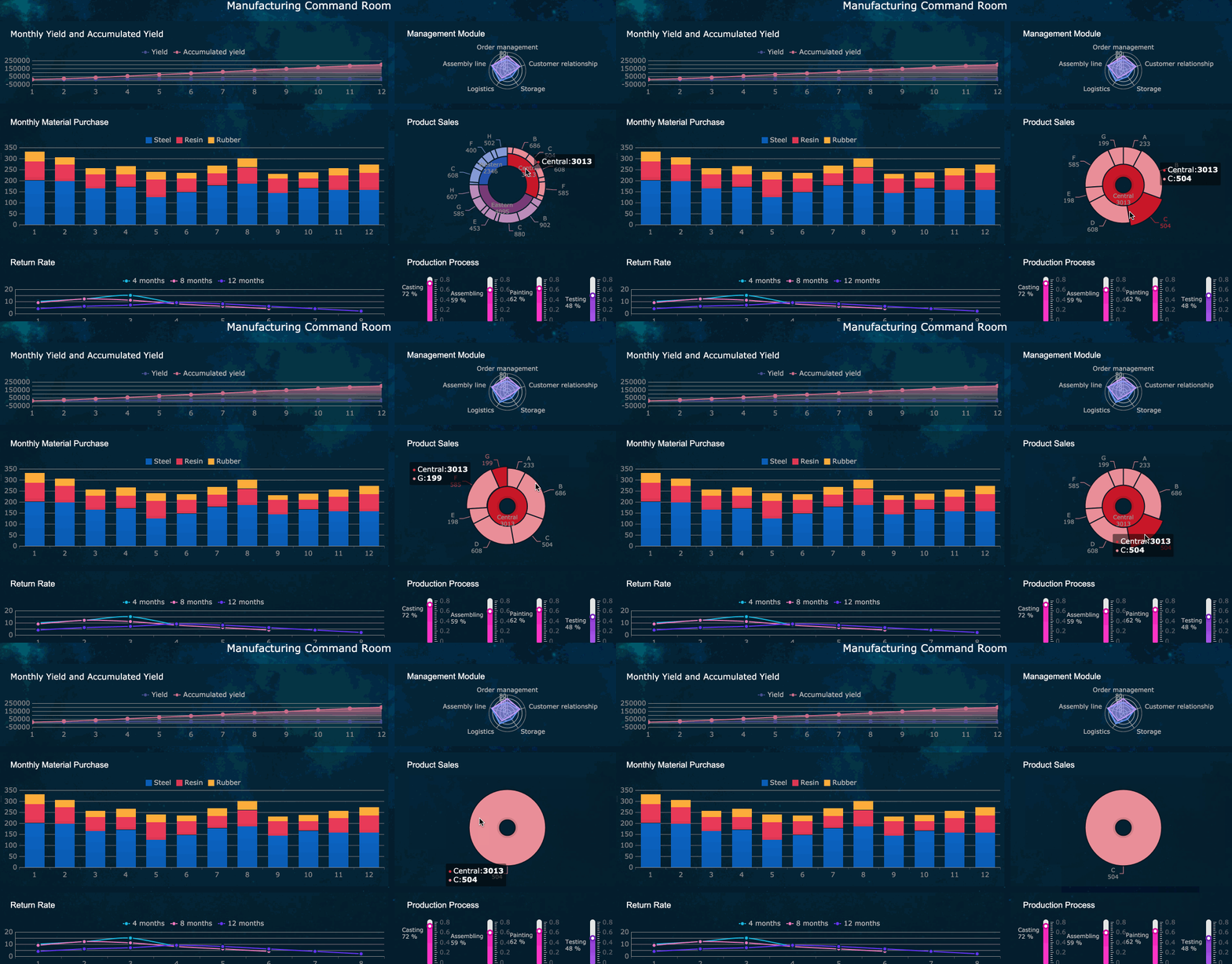
Key Metrics (KPIs) for Timeline Control
- Days to Submission Deadline: Live countdown for each filing cycle.
- Milestone Completion Rate: Percentage of internal tasks completed against schedule.
- Late Data Owner Rate: Share of contributors missing assigned deadlines.
- Tool Access Readiness: Status of account registration, permissions, and filing environment setup.
- Escalation Volume: Number of unresolved issues requiring management intervention.
- Extension Dependency Risk: Measure of whether the company is relying on a possible regulator extension to finish on time.
What to Know About Recent Deadline Extensions
Deadline extensions can help, but they should never be treated as a planning strategy. When EPA extends a submission period, it may provide short-term relief, but it also compresses internal quality review if teams assume the extension solves underlying data issues.
Extensions can affect:
- Submission timing by shifting final certification and filing milestones
- Documentation readiness if unresolved discrepancies are simply deferred
- Escalation planning when leadership assumes extra time means lower urgency
- Resource allocation if compliance staff are pulled into overlapping regulatory projects
The safer approach is to build your project plan around the original published window, then use any extension only as contingency.
How to Submit and Review CDR Data Accurately
At a high level, chemical data reporting submission typically moves through several stages: account access, form preparation, data entry or upload, internal review, certification, and record retention. The mechanics may seem straightforward, but the real risk lies in data consistency and reviewer discipline.
A practical submission workflow should include:
-
Confirm account access early
Ensure the right personnel have current access to the required electronic reporting systems and roles. -
Prepare forms from validated source data
Do not key in values from ad hoc spreadsheets that were never reconciled. Use a controlled data set. -
Review chemical identity and site mapping
Make sure each substance is associated with the correct site, volume history, and use profile. -
Validate confidentiality claims carefully
If confidentiality is claimed, verify that substantiation is complete, consistent, and retained internally. -
Certify only after exception closure
Final certification should follow documented sign-off, not happen in parallel with unresolved data questions.
Common errors that lead to corrections or delays include:
- Reporting the wrong substance due to poor master data
- Using inconsistent production volumes across years or systems
- Entering use information that conflicts with internal product knowledge
- Overlooking missing support for confidentiality claims
- Failing to archive the exact records used for the submission
Where to Access Public CDR Information
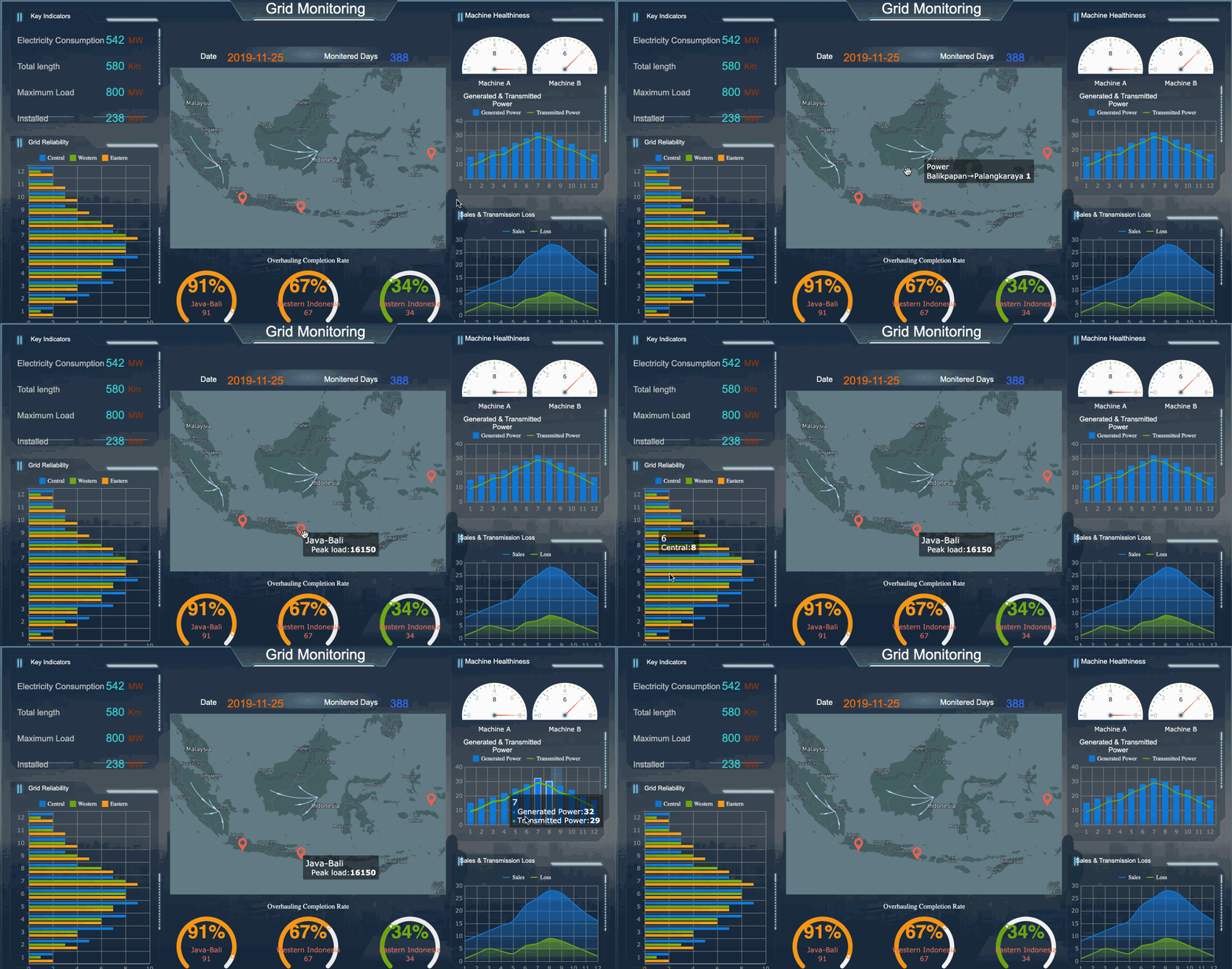
Public CDR information can be useful well beyond compliance filing. Manufacturers and importers can use EPA-accessible data for benchmarking, portfolio review, market intelligence, and internal regulatory planning.
Potential uses include:
- Comparing whether similar substances appear broadly in commerce
- Reviewing reported use patterns in adjacent market segments
- Identifying substances with visible reporting histories across cycles
- Supporting internal prioritization for product stewardship reviews
That said, public datasets have limits. They may exclude confidential details, aggregate certain information, or reflect historical reporting periods rather than current commercial reality. Use them as directional intelligence, not as a substitute for your own compliance assessment.
Best Practices for Ongoing TSCA Reporting Readiness
The strongest companies treat chemical data reporting as a standing capability, not a once-every-four-years scramble. If you want fewer surprises in the next cycle, build repeatable controls now.
Here are the most effective best practices I recommend to enterprise manufacturers and importers:
1. Build a rolling compliance calendar
Track data years, internal cutoffs, account access checks, management reviews, and record retention milestones in one shared calendar. This prevents last-minute coordination failures.
2. Maintain a governed substance master
Create a single source of truth for chemical identity, CAS references, TSCA inventory status, and reporting notes. This reduces recurring confusion across sites and business units.
3. Standardize supplier and importer communication
For imported materials, require consistent disclosure fields and update protocols. If a supplier changes formulation details, your regulatory master data should change too.
4. Link change management to reporting impact
Any formulation change, sourcing change, acquisition, or new import channel should trigger a TSCA reporting review. Do not leave this to annual manual checks.
5. Preserve defensible records continuously
Store the assumptions, calculations, approvals, and support files that underpin reporting decisions. A well-organized archive makes future cycles dramatically easier.
Practical Checklist for the Next Cycle
- Confirm all potentially reportable substances are identified
- Verify TSCA Inventory status and CAS mapping
- Review annual manufacturing and import volumes by site
- Document all exemptions and applicability decisions
- Assign data owners across regulatory, operations, procurement, and EHS
- Reconcile ERP, customs, and plant records
- Validate industrial processing and consumer use information
- Prepare and review confidentiality substantiation where needed
- Secure account access and submission tool readiness early
- Archive final submissions and supporting records
After implementing these best practices, most organizations realize the same thing: building this manually is complex; use FineReport to utilize ready-made templates and automate this entire workflow.
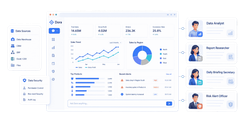
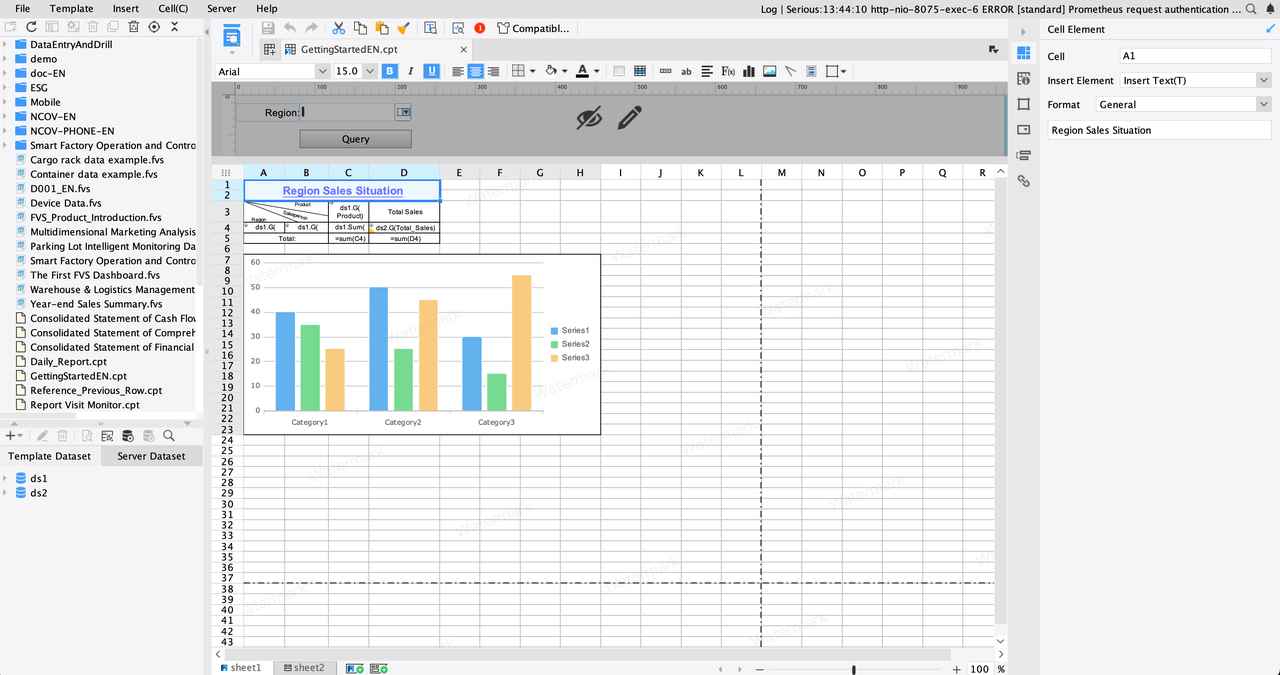
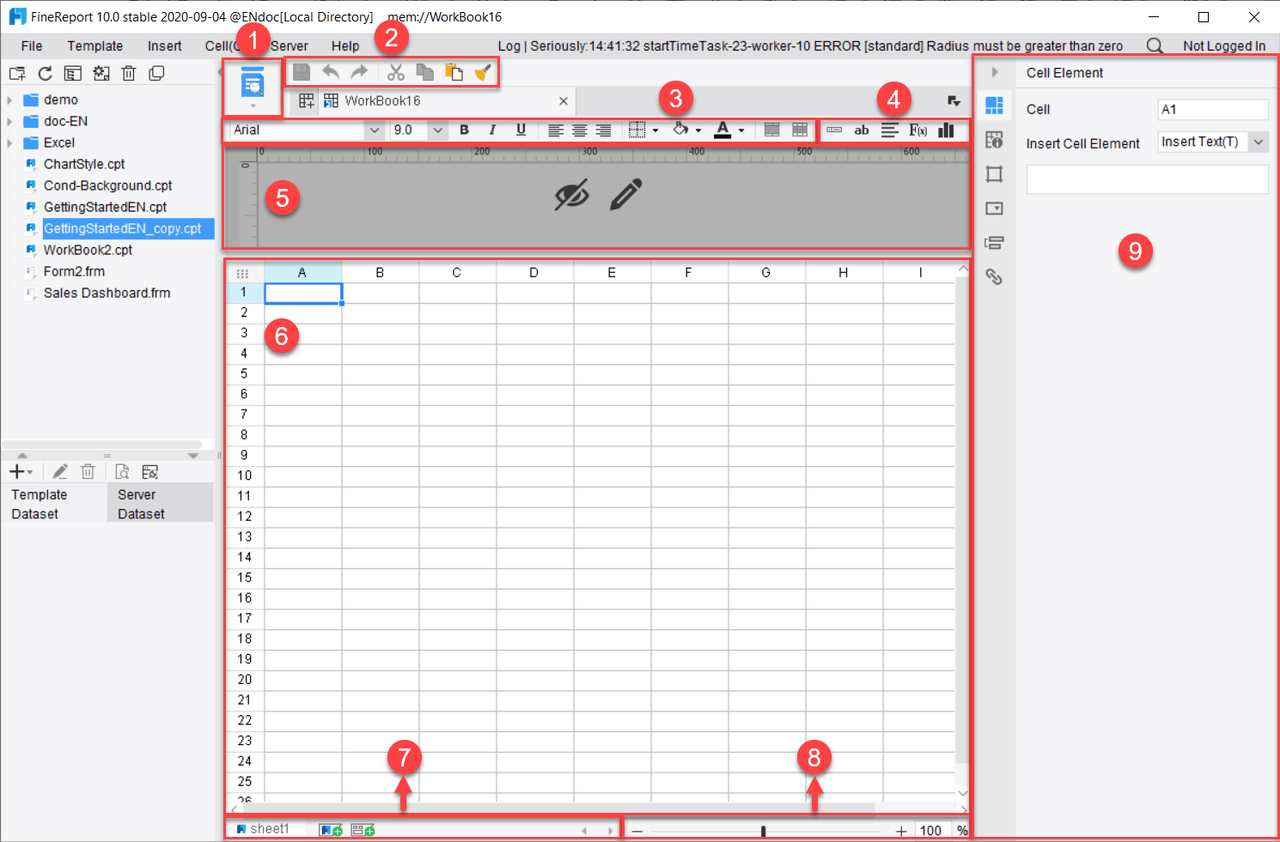
FineReport helps compliance and operations teams centralize chemical data reporting inputs, monitor site-level thresholds, standardize validation workflows, and visualize readiness across business units. Instead of managing disconnected spreadsheets, email approvals, and version-control problems, teams can build a controlled reporting layer with dashboards, alerts, and auditable workflows.

Get Ready-to-Use Dashboard Templates in Fine Gallery
If your organization wants a more scalable way to manage TSCA reporting readiness, cross-functional data collection, and executive-level compliance visibility, this is the point where a dedicated reporting platform creates real operational value.
FAQs
In general, manufacturers and importers of certain chemical substances on the TSCA Inventory may need to report if they meet applicable site-specific volume thresholds during the reporting period. Applicability depends on factors such as inventory status, manufacture or import activity, threshold attainment, and whether an exemption applies.