If you are searching for an ESG and sustainability reporting tools comparison, you are probably not just looking for the nicest dashboard. You are trying to answer a harder question: which platform can actually support your reporting process, evidence collection, internal controls, stakeholder disclosures, and future regulatory demands without creating more spreadsheet chaos.
For sustainability leaders, finance teams, compliance managers, and enterprise reporting teams, that distinction matters. Many tools can visualize ESG metrics. Fewer can support the full reporting lifecycle: collecting source data, validating calculations, managing approvals, preparing disclosure outputs, and maintaining audit readiness across functions and regions.
A useful ESG and sustainability reporting tools comparison should therefore focus on business fit, data governance, framework adaptability, workflow control, and long-term scalability rather than dashboard design alone.
Before evaluating vendors in depth, use this balanced checklist to compare ESG and sustainability reporting tools on the capabilities that often matter most in practice.
Criteria
What to Evaluate
Why It Matters
Best for
Disclosure reporting, ESG data management, audit readiness, or program oversight
Different tools are built for different priorities
Reporting should support decisions, not just disclosure
Scheduling and output
Disclosure reports, printable reports, board packs, recurring distribution
Many stakeholders still need structured reports, not only dashboards
Scalability and cost
Entity expansion, global rollout, implementation effort, pricing model
ESG programs often grow faster than initial tool assumptions
A strong comparison should not assume every company needs the same type of platform. Some need a specialist ESG disclosure solution. Others need a broader enterprise reporting platform that can collect operational data, standardize workflows, and generate structured outputs across sustainability and management reporting.
ESG and Sustainability Reporting Tools Comparison: Start With Business Fit, Not Just Features
The most common mistake in ESG software selection is starting with a feature demo instead of a business requirement map. Dashboards, carbon charts, and framework logos may look convincing, but the better question is: what job does the tool need to do inside your organization?
Some companies mainly need support for annual or quarterly disclosures. Others need ongoing data collection from multiple business units. Some are preparing for assurance. Others want to connect sustainability performance to procurement, operations, budgeting, or executive management.
Define the reporting goals, stakeholder expectations, and internal workflows the tool must support
Start with the reporting outcomes you are responsible for delivering. These often include:
A tool that works well for a central sustainability team may still fail if local contributors cannot submit data efficiently or if reviewers cannot verify supporting evidence.
Separate must-have capabilities from nice-to-have features before reviewing vendors
This step prevents teams from overbuying based on product marketing. Build a shortlist of must-haves such as:
Multi-source data collection
Validation rules and exception handling
Audit trail and evidence storage
Flexible metric definitions
Framework mapping
Role-based approval workflow
Disclosure-ready output
Scalable governance across entities
Nice-to-have items may include advanced benchmarking, supplier portals, scenario planning depth, or built-in content libraries.
Identify whether the platform is primarily for disclosure, data management, audit readiness, or broader sustainability program oversight
Not all ESG platforms are built for the same purpose. In broad terms, tools usually lean toward one of these models:
Disclosure-oriented tools: Stronger on templates, framework mapping, and report preparation
ESG data management tools: Better for collecting and organizing data from many systems and contributors
Audit and controls-focused tools: Emphasize traceability, approvals, and evidence
Program management tools: Support target tracking, action planning, and broader sustainability governance
If your organization needs both sustainability disclosures and recurring operational reporting, you may need to compare specialist ESG software with more flexible reporting platforms.
Data Quality and Integration Readiness
No ESG reporting tool will create trustworthy outputs if the input process is weak. Data quality is often where implementations succeed or fail.
Source data coverage and collection methods
ESG data typically comes from many disconnected sources. A realistic evaluation should ask how the tool handles:
Utility and energy consumption data
Emissions factors and carbon calculations
Supplier submissions
HR and diversity metrics
Finance and spend data
Facility and operations records
Travel and fleet data
Waste and water tracking
You should also review how data enters the system:
A polished dashboard does not solve the real problem if contributors still need to email spreadsheets every month.
Source data coverage and collection methods
Look for practical collection options that match your current maturity level. Many organizations are still in a hybrid state where some data can be integrated automatically while other inputs still require structured forms or templates.
Questions to ask vendors include:
Can the platform combine automated imports with controlled manual submissions?
Can different business units use standardized input templates?
How are missing values, outliers, and late submissions managed?
Can contributors attach supporting files at the point of entry?
Can the system support entity-by-entity data collection across regions?
This is especially important for organizations dealing with supplier data or Scope 3 estimates, where completeness and consistency are ongoing challenges.
Data validation, traceability, and audit trails
Good ESG reporting requires more than collection. It also requires control. Every reported metric should be traceable back to its source, logic, and approval path.
Key features to evaluate include:
Validation rules for ranges, units, and completeness
Exception flags and data quality alerts
Approval workflows
Version history
User activity logs
Linked evidence or supporting documentation
Metric calculation transparency
Ability to explain restatements or corrections
If your organization expects external assurance or internal audit review, these controls are not optional.
Reporting Framework Support and Regulatory Adaptability
Framework support is often a headline feature in ESG software, but it should be evaluated carefully. The real issue is not just whether a vendor mentions a framework. It is whether the platform can map data efficiently and adapt when standards change.
Alignment with major frameworks and standards
Most buyers will review support for frameworks and standards such as:
GRI
SASB
TCFD
ISSB
CSRD
Regional disclosure requirements
Industry-specific expectations
The most useful platforms help teams avoid rebuilding the same dataset for every reporting requirement. Instead, they allow one controlled data foundation to serve multiple outputs.
What to look for:
Flexible metric mapping
Reusable disclosure data points
Configurable templates
Support for narrative and quantitative reporting outputs
Crosswalks between internal KPIs and external reporting requirements
A vendor may support common frameworks at a high level but still require heavy manual work to create final reports.
Ability to keep pace with changing rules
Regulatory change is one of the biggest reasons ESG reporting software selections go wrong over time. Requirements evolve, regional expectations expand, and internal governance matures.
Ask how the platform handles change:
Are reporting templates updated regularly?
Can admins configure metrics and mappings internally?
Will every new requirement need vendor services or custom development?
How are changes versioned and governed?
Can the system support both global consistency and local adjustments?
A rigid tool may work for the current reporting cycle but create major friction as obligations expand.
ESG reporting is rarely owned by a single team. The best tools make cross-functional coordination easier instead of simply concentrating data in one dashboard.
Cross-functional ownership and approvals
A practical ESG platform should support collaboration across:
Sustainability
Finance
Legal
Procurement
Operations
HR
Regional or entity-level teams
Review how the system handles:
Role-based permissions
Contributor assignments
Approval chains
Review cycles
Escalations for overdue tasks
Entity-level accountability
Executive sign-off
The more your process resembles a controlled reporting cycle, the more important workflow design becomes.
Usability beyond the dashboard
This is where many evaluations become too superficial. Executives may see dashboards during demos, but day-to-day users live in the collection and review process.
Test the user experience for three groups:
Contributors: Can they submit data easily, understand requirements, and provide evidence?
Reviewers: Can they identify anomalies, reject entries, request clarification, and sign off cleanly?
Executives: Can they view summary KPIs, drill into issues, and receive board-ready outputs?
A strong ESG reporting tool should reduce spreadsheet dependency, not simply display spreadsheet-fed charts in a nicer interface.
Analytics, Scenario Planning, and Decision Support
ESG reporting should not end at compliance. The more advanced use case is turning sustainability data into operating insight.
Material insights, not just charts
When evaluating analytics, look beyond visual appeal. Ask whether the platform helps users answer meaningful business questions such as:
Which sites are driving emissions increases?
Which suppliers create the biggest reporting gaps?
Where are diversity targets off track?
Which business units are underperforming on energy efficiency?
What factors explain year-over-year changes?
Useful capabilities may include:
Configurable KPIs
Benchmarking across sites or business units
Trend analysis
Variance analysis
Drill-down reporting
Exception views
Threshold alerts
Forecasting and target tracking
As ESG programs mature, companies often need more than backward-looking reporting. They need to monitor progress against commitments and model future scenarios.
Not every organization needs advanced scenario planning immediately. But if your sustainability program is tied to capital allocation or procurement decisions, this area becomes much more important.
Implementation Effort, Vendor Reliability, and Total Cost
A tool can look impressive in evaluation and still fail in rollout if the implementation burden is underestimated.
Time to value and support model
Compare vendors on the practical realities of deployment:
Onboarding effort
Data migration complexity
Integration dependencies
Internal admin requirements
Training quality
Documentation quality
Support responsiveness
Availability of implementation partners
Ask what internal resources you will need from sustainability, IT, finance, and operations. A platform that requires constant technical intervention may be difficult to sustain during recurring reporting cycles.
Pricing transparency and long-term scalability
Cost evaluation should go beyond headline subscription numbers. Review:
Base licensing structure
Charges for additional modules
Implementation costs
Costs for new entities or business units
Additional framework or content fees
User-based pricing implications
Ongoing support and enhancement costs
Scalability is equally important. Can the system support:
Assign a weight to each based on your actual risk and reporting needs. For example, a company preparing for assurance may weight audit trail and control more heavily. A company early in its ESG journey may prioritize ease of deployment and data collection flexibility.
5 Practical Recommendations for Evaluating ESG Reporting Tools
Here are five practical recommendations based on how enterprise reporting and sustainability projects typically succeed.
1. Start with the reporting process, not the demo
Map your current reporting cycle first: data owners, deadlines, review points, evidence requirements, and output formats. Then evaluate whether the tool supports that process end to end.
2. Test one real reporting scenario
Ask vendors to demonstrate a realistic use case, such as collecting site-level energy data, validating submissions, routing approval, and generating a disclosure-ready output. This reveals far more than a generic dashboard demo.
3. Evaluate dashboards and structured reporting together
ESG teams often need both executive visuals and printable, auditable, recurring reports. Do not assume a dashboard-centric platform can automatically meet reporting pack or disclosure workflow needs.
4. Ask how the platform adapts to change
Frameworks, internal KPIs, organizational boundaries, and assurance expectations will evolve. Favor tools that can be configured without major redevelopment every time requirements shift.
5. Score total operating effort, not just software features
A tool that looks powerful but requires heavy spreadsheet preparation, manual reconciliation, or external consulting can become expensive in practice. Evaluate the day-to-day operating model as carefully as the product itself.
When an Enterprise Reporting Platform Like FineReport Is Relevant
Tools built specifically for ESG disclosures can be valuable, especially when framework content and sustainability-specific workflows are the top priority. But some organizations have a broader need: they must combine sustainability data with finance, operations, procurement, HR, and management reporting in one governed reporting environment.
In those cases, a dedicated enterprise reporting platform like FineReport may be worth considering alongside specialist ESG tools.
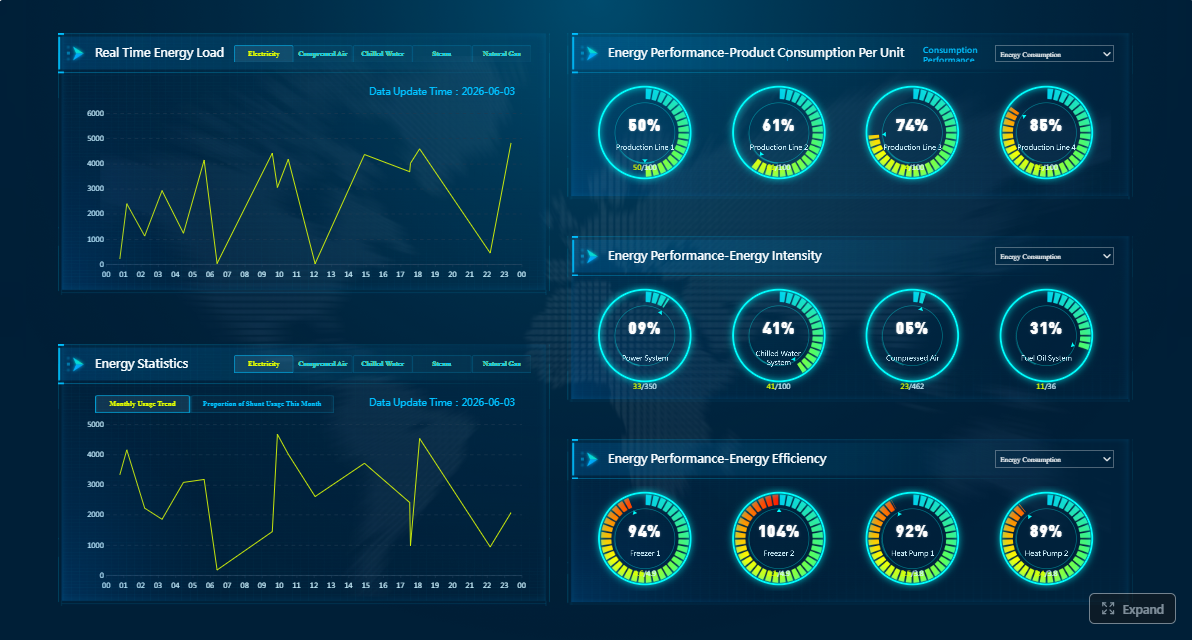
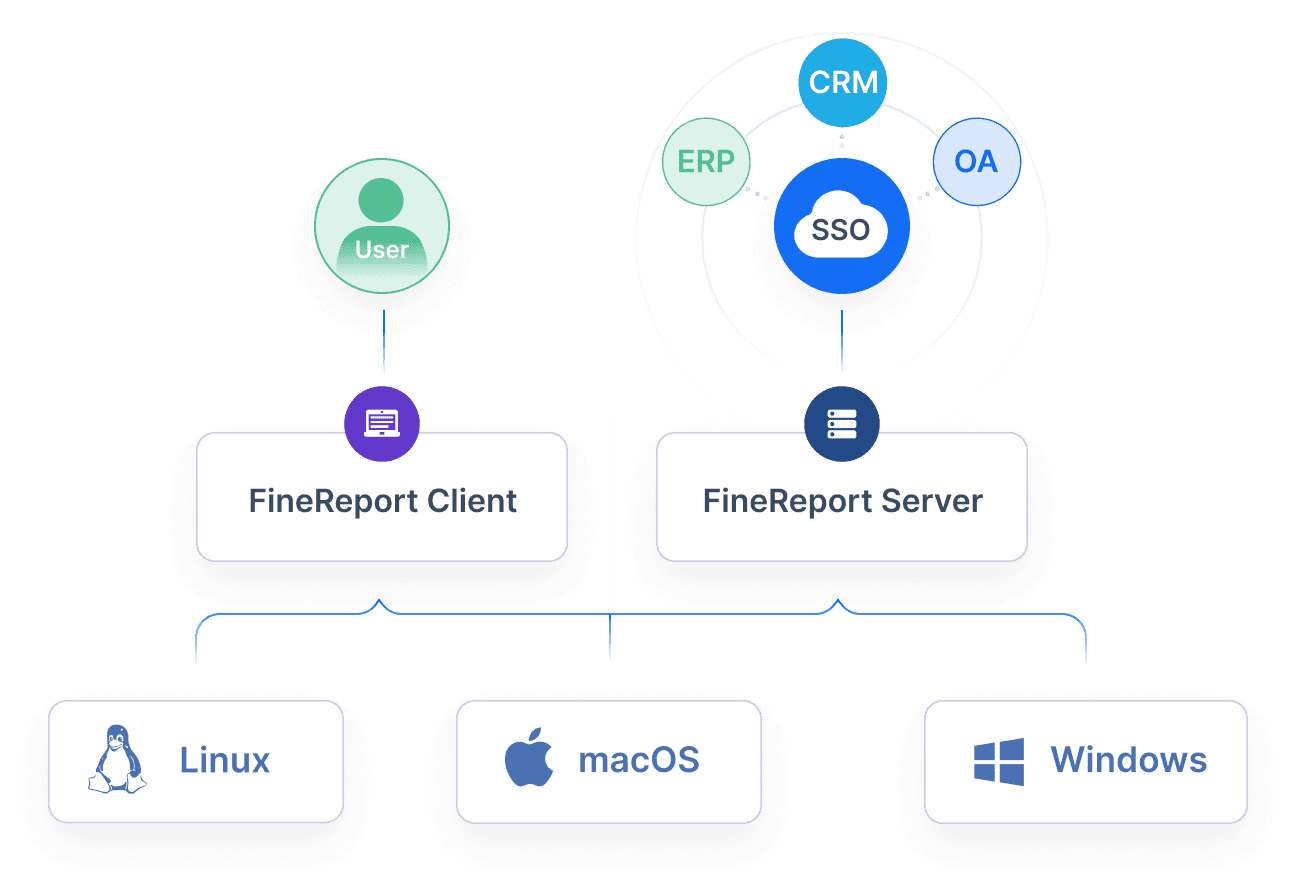
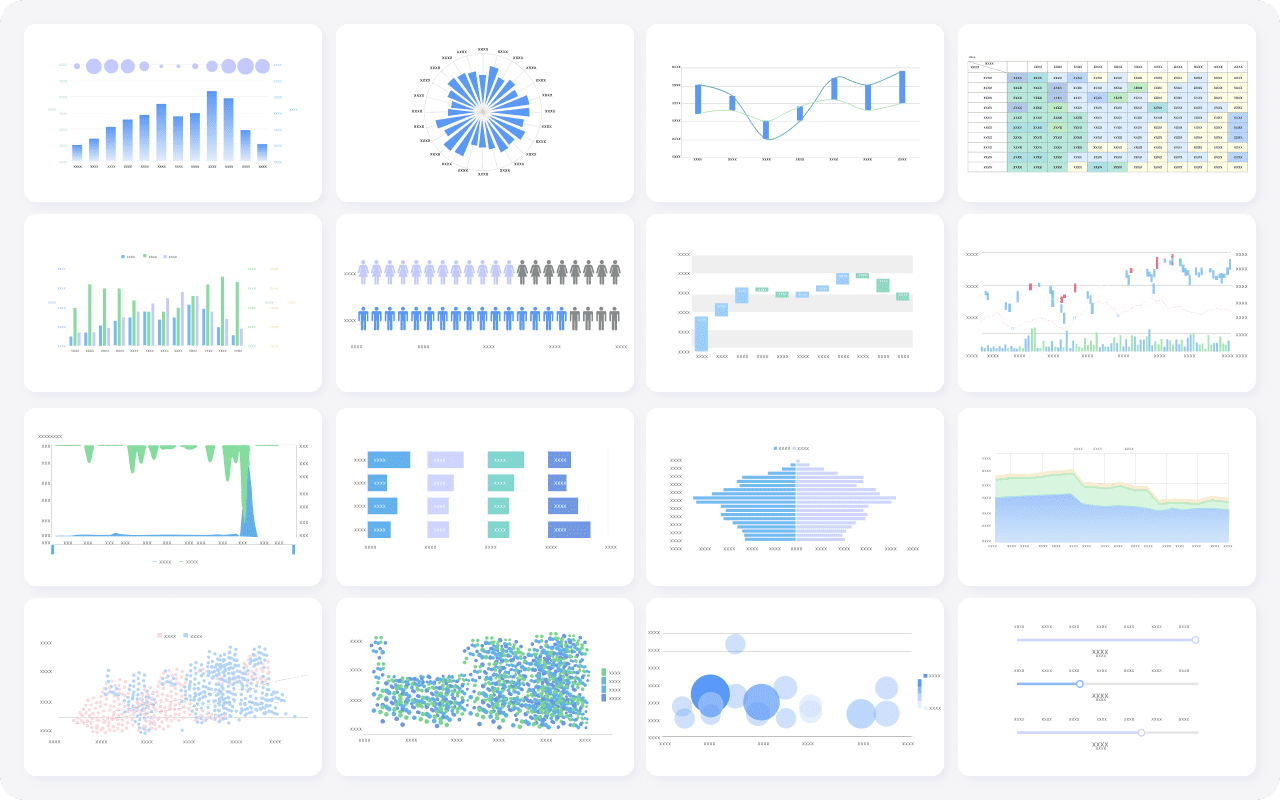
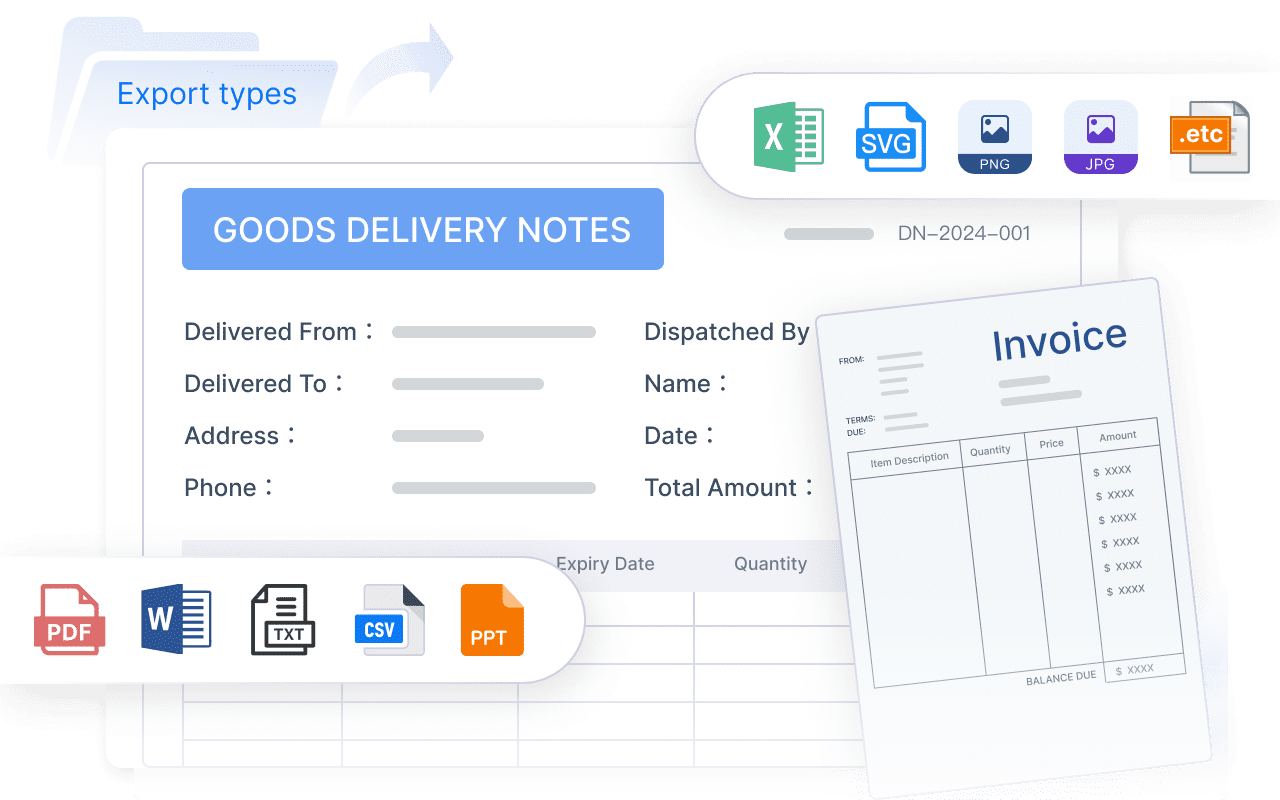
FineReport is commonly used for enterprise reporting, pixel-perfect reports, paginated outputs, dashboards, parameter queries, scheduled distribution, and form-based data entry workflows. That makes it relevant when ESG reporting is part of a larger operational reporting landscape rather than a standalone sustainability application.
For example, FineReport can be a practical fit for teams that need to:
Build structured ESG or sustainability reports with precise layouts
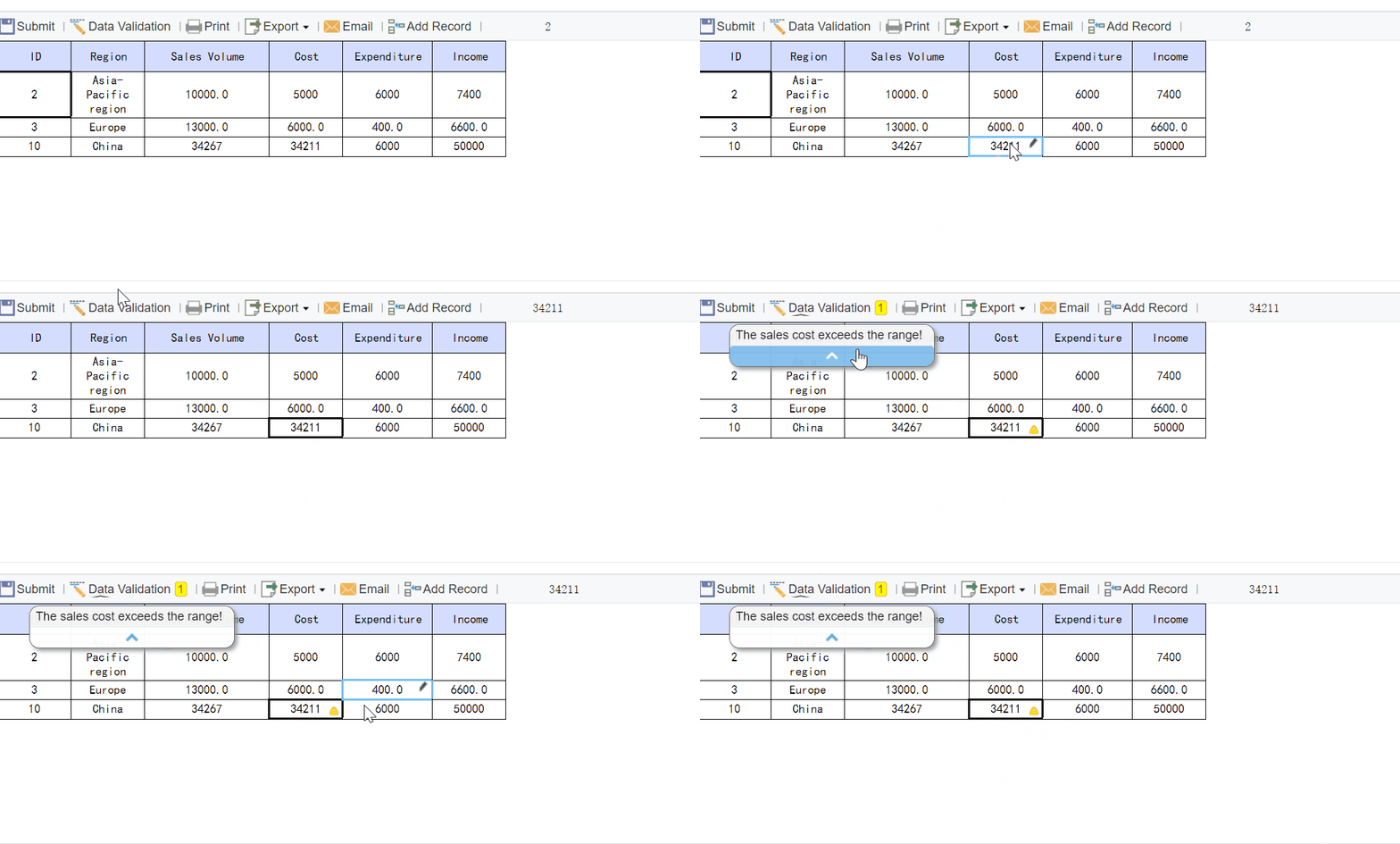
Collect data through controlled forms and input workflows
Standardize recurring reports across departments and entities
Schedule and distribute reports automatically
Support drill-down analysis from high-level sustainability KPIs into detailed operational data
This is particularly useful when sustainability reporting depends on enterprise systems and business-owned reporting processes rather than a single ESG data repository.
Tools like Tableau and Power BI are widely used for visualization and BI analysis, but teams with complex reporting workflows may also need a dedicated enterprise reporting platform like FineReport. Compared with dashboard-first tools, FineReport is especially relevant where pixel-perfect formatting, paginated reporting, workflow-driven data collection, and scheduled recurring distribution matter.
That does not make it a replacement for every specialist ESG platform. Instead, it can be a strong option for organizations that want ESG reporting to work as part of a broader governed reporting and operational decision-support environment.
Get Ready-to-Use Dashboard and Report Templates in Fine Gallery
Final Thoughts: Compare ESG Reporting Tools Based on Reporting Reality
A strong ESG and sustainability reporting tools comparison should go beyond dashboards and vendor feature lists. The real evaluation comes down to whether the platform can support your reporting reality:
Multi-source data collection
Validation and traceability
Framework adaptability
Cross-functional collaboration
Actionable analysis
Structured reporting outputs
Scalable governance
Sustainable operating effort
If your needs center on disclosure content and framework-specific workflows, a specialist ESG solution may be the right fit. If your challenge is broader enterprise reporting, recurring operational data collection, or combining dashboards with controlled, printable, and scheduled reports, FineReport is worth evaluating as part of your shortlist.
Focus on business fit, data governance, workflow control, framework flexibility, and audit readiness rather than dashboard appearance alone. The right tool should support your full reporting process from data collection to disclosure output.
Dashboards help visualize metrics, but they do not guarantee strong validation, approvals, evidence management, or traceability. ESG reporting usually requires controls and documentation that support assurance and regulatory review.
Look for validation rules, exception handling, evidence attachments, version history, source traceability, and role-based sign-off workflows. These features help teams defend reported numbers and maintain a clear audit trail.
If your main goal is preparing periodic sustainability disclosures, a disclosure-focused tool may be enough. If you also need cross-functional data collection, internal controls, operational reporting, and scalable workflows across entities, a broader reporting platform is often a better fit.
The better platforms can adjust metric definitions, mappings, calculations, and workflows as standards evolve. This flexibility is important because ESG frameworks, regional rules, and internal KPIs often change over time.
Product Trial
FineReport
Pixel-perfect reports · Interactive dashboards · Easy data entry · Digital twins