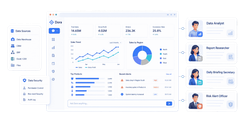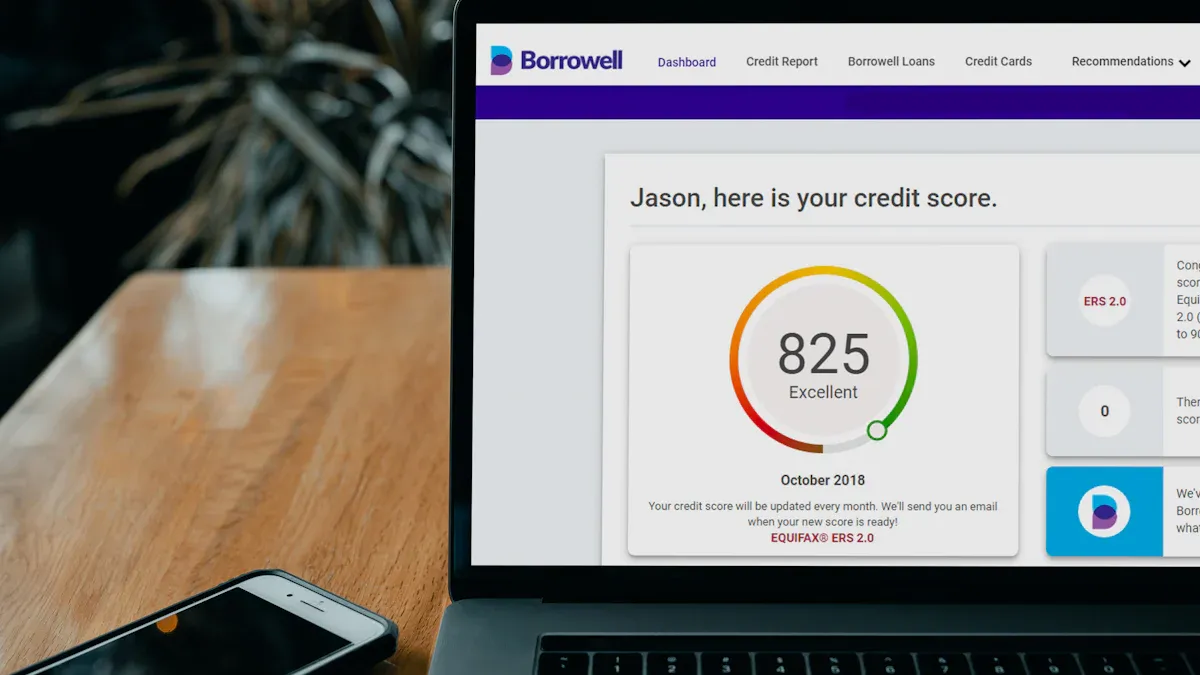

Financial reporting solutions help finance teams turn raw accounting data into accurate, review-ready reports for management, boards, auditors, regulators, and investors. If you are still stitching together spreadsheets, chasing file versions, and reconciling last-minute number changes before a filing deadline, you already know the business value: better accuracy, faster reporting cycles, stronger controls, and less operational risk.
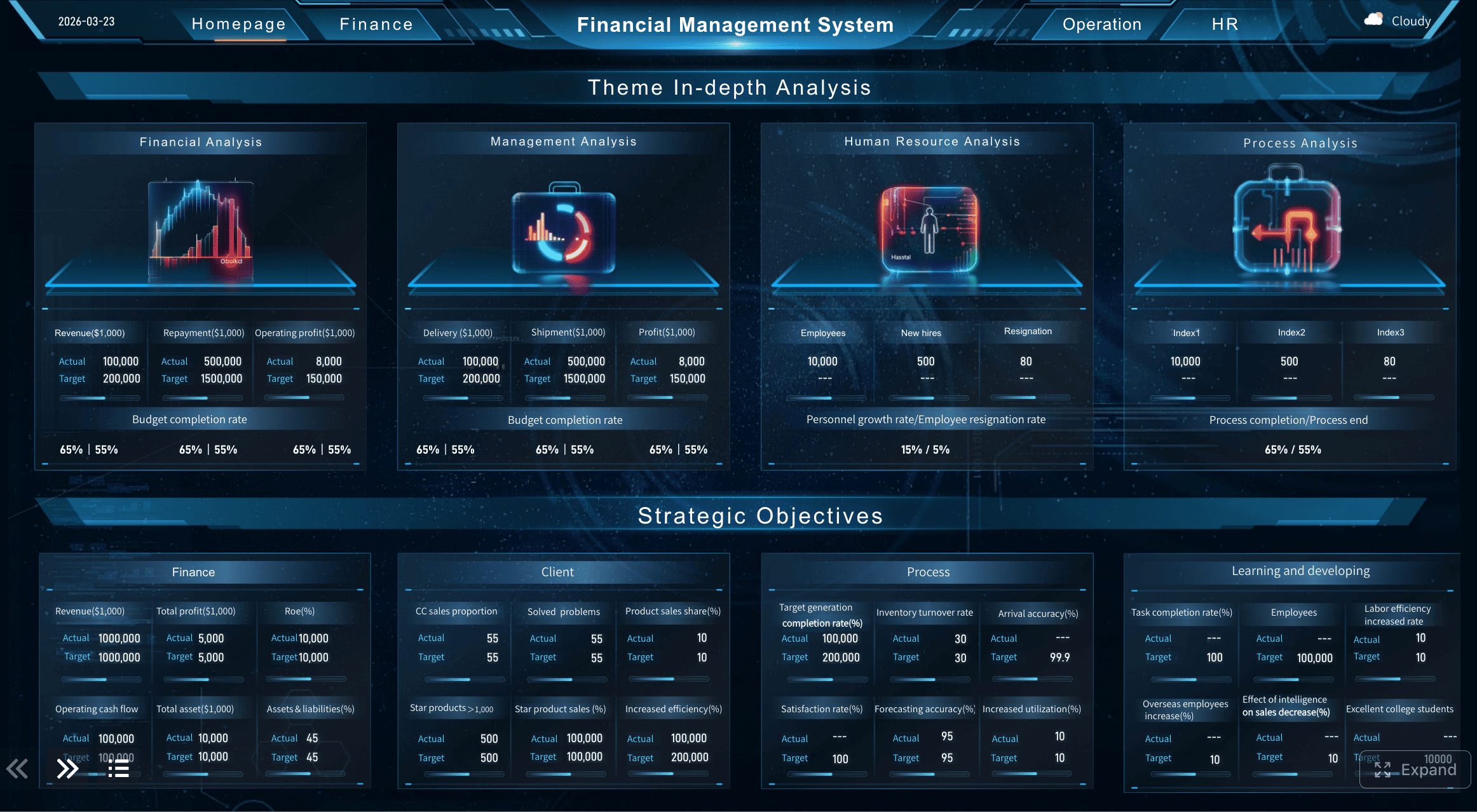
All reports in this article are built with FineReport.
What Are Financial Reporting Solutions and Why Do They Matter?
Financial reporting solutions are software tools and reporting workflows used to collect, validate, consolidate, format, review, and distribute financial information. In plain language, they help organizations produce financial statements and related reports without depending entirely on manual spreadsheets and email chains.
These solutions are used by a wide range of teams:
- Controllers and accounting teams preparing monthly, quarterly, and annual statements
- FP&A teams building management packs and board reports
- Private companies needing faster close and clearer investor reporting
- Public companies managing disclosure controls and SEC filing deadlines
- Nonprofits and regulated entities that must maintain audit-ready documentation
- Growing businesses moving from basic reporting to multi-entity or more formal reporting environments
The difference between manual reporting and software-supported reporting is significant. In a manual process, teams often export data from ERP systems, copy figures into spreadsheets, rekey tables into slide decks, and update narrative documents separately. That creates version-control issues, broken links, hidden formula errors, and review bottlenecks. In a software-supported workflow, reports pull from governed data sources, templates update consistently, and reviewers can approve changes inside a structured process.
For most organizations, the goals of financial reporting solutions are consistent:
- Accuracy: Reduce formula mistakes, duplicate files, and inconsistent numbers
- Speed: Shorten close cycles and reporting turnaround time
- Compliance: Support audit trails, approvals, and regulatory requirements
- Decision support: Give executives and stakeholders reliable numbers in time to act
Key Metrics (KPIs) to Track in Financial Reporting Workflows
If you are evaluating financial reporting solutions, focus on operational reporting KPIs, not just accounting outputs.
- Close Cycle Time: The number of days required to close books and publish reports
- Report Turnaround Time: How quickly finance can deliver board, management, or regulatory reports after period-end
- Adjustment Rate: The frequency of post-close corrections or reclassifications
- Version Count: The number of report versions circulated before final sign-off
- Approval Lag: Time spent waiting for reviewers, legal, auditors, or executives
- Data Reconciliation Exceptions: The number of unresolved mismatches across systems or entities
- Audit Trail Completeness: Whether changes, comments, and approvals are fully documented
- Filing Timeliness: On-time completion of annual, interim, or SEC reporting deadlines
- Template Reuse Rate: How often standardized report structures can be rolled forward without rebuilding
- Stakeholder Confidence: A practical measure of whether leaders trust the reported numbers enough to act on them
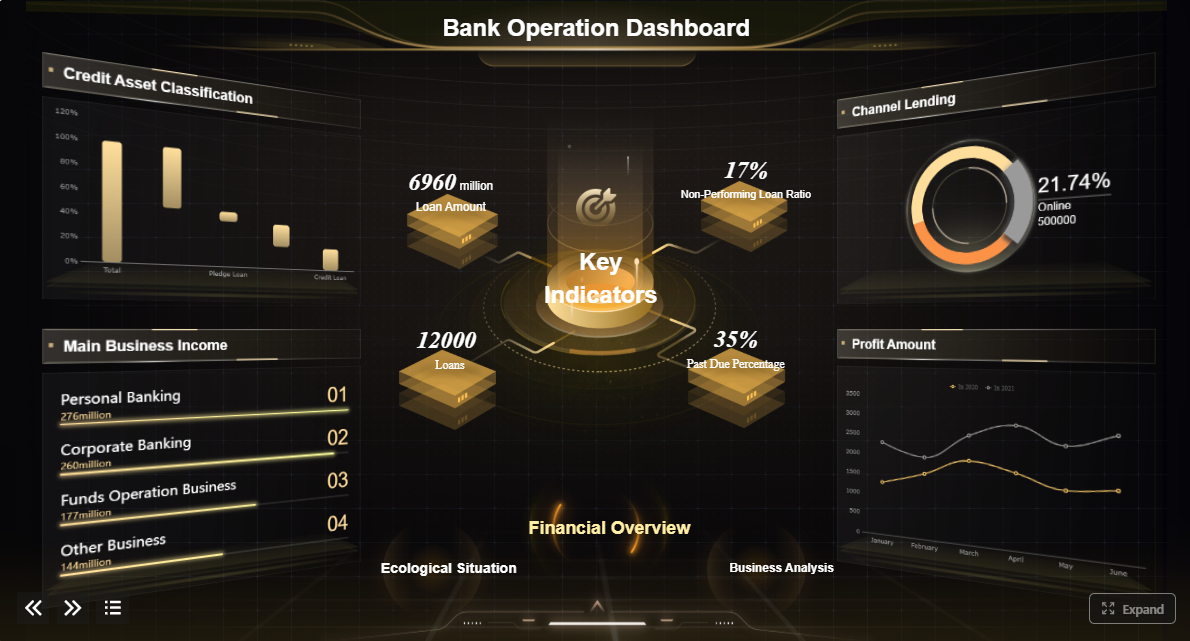
Core Types of Financial Reporting Solutions: Annual, Interim, and SEC Filings
Not all financial reporting solutions serve the same purpose. The right setup depends on the type of reporting your organization must produce and the scrutiny attached to it.
Annual reporting
Annual reporting is the most comprehensive reporting cycle. It typically includes:
- Full-year financial statements
- Notes and disclosures
- Management commentary
- Audit-related support
- Board and investor-facing materials
For private companies, the annual cycle is often tied to lender, owner, or investor expectations. For public companies, annual reporting is much more formal and deadline-driven. It requires coordinated input from accounting, finance, legal, investor relations, auditors, and executives.
Annual reporting solutions need to support:
- Period-end consolidation
- Standardized statement formatting
- Disclosure consistency
- Narrative updates
- Detailed review workflows
- Strong documentation retention
Interim reporting
Interim reporting covers shorter cycles, usually quarterly or half-year periods. These reports are less extensive than annual reports, but they are often more time-sensitive. The challenge is not only producing numbers quickly, but doing so with enough control to satisfy boards, lenders, and external stakeholders.
Interim reporting tools are especially valuable when teams must:
- Roll forward prior-period templates
- Update recurring disclosures fast
- Maintain consistency across earnings materials and management reports
- Coordinate multiple reviewers under tight deadlines
Because interim cycles repeat frequently, automation has an outsized impact here. A small improvement in data consolidation or approval routing can save many hours every quarter.
SEC reporting requirements
For public companies and regulated filers, SEC reporting introduces another layer of complexity. Beyond preparing accurate financials, teams must manage formal filing structures, internal controls, review stages, and often XBRL-tagged disclosures.
SEC-focused financial reporting solutions typically support:
- Structured disclosure preparation
- Role-based review and approvals
- Change tracking and sign-off history
- Filing package management
- XBRL readiness or integration
- Deadline visibility across 10-K, 10-Q, 8-K, and related filings
The main operational shift is that SEC reporting is not just an accounting exercise. It is a coordinated compliance process with legal, governance, and reputational implications.
How these reporting types differ in practice
Here is the practical difference beginners should understand:
| Reporting Type | Typical Frequency | Main Audience | Main Pressure Point |
|---|---|---|---|
| Annual reporting | Yearly | Auditors, boards, investors, lenders | Completeness and formal review |
| Interim reporting | Quarterly or semiannual | Management, boards, investors | Speed and consistency |
| SEC reporting | Event-driven plus quarterly/annual | Regulators and public markets | Compliance, deadlines, and disclosure control |
A company may handle all three at once. That is why scalable financial reporting solutions matter: they let teams use one controlled workflow across multiple reporting obligations instead of rebuilding the process every time.
How Financial Reporting Solution Tools Work in Practice
A good financial reporting solution is not just a report builder. It is an operational system for controlling how financial data becomes trusted output.
Data collection and consolidation
Most reporting starts with fragmented data. General ledger balances may sit in an ERP, operational details in subledgers, entity-level adjustments in spreadsheets, and commentary in separate documents. Financial reporting solutions bring those inputs together into one governed workflow.
In practice, teams use these tools to:
- Pull data from ERP, accounting, payroll, billing, or spreadsheet sources
- Map accounts and entities into a standard reporting structure
- Reconcile differences before reports are drafted
- Reduce manual copy-paste work between systems
The real value is standardization. Once inputs are structured consistently, each reporting cycle becomes more repeatable and less dependent on finance staff remembering where every source file lives.
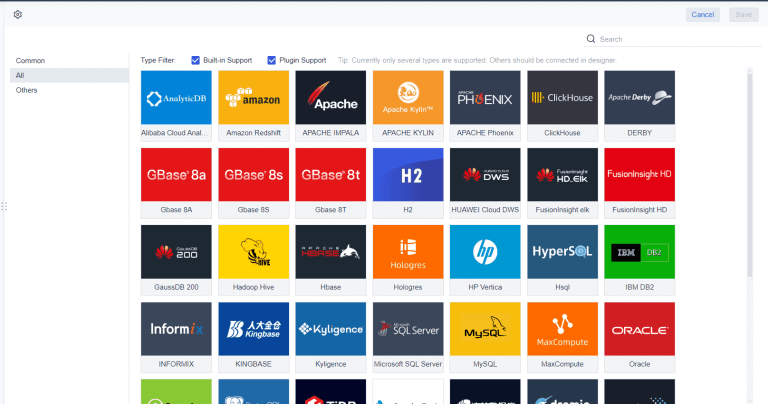 FineReport's Data Connection
Report creation and collaboration
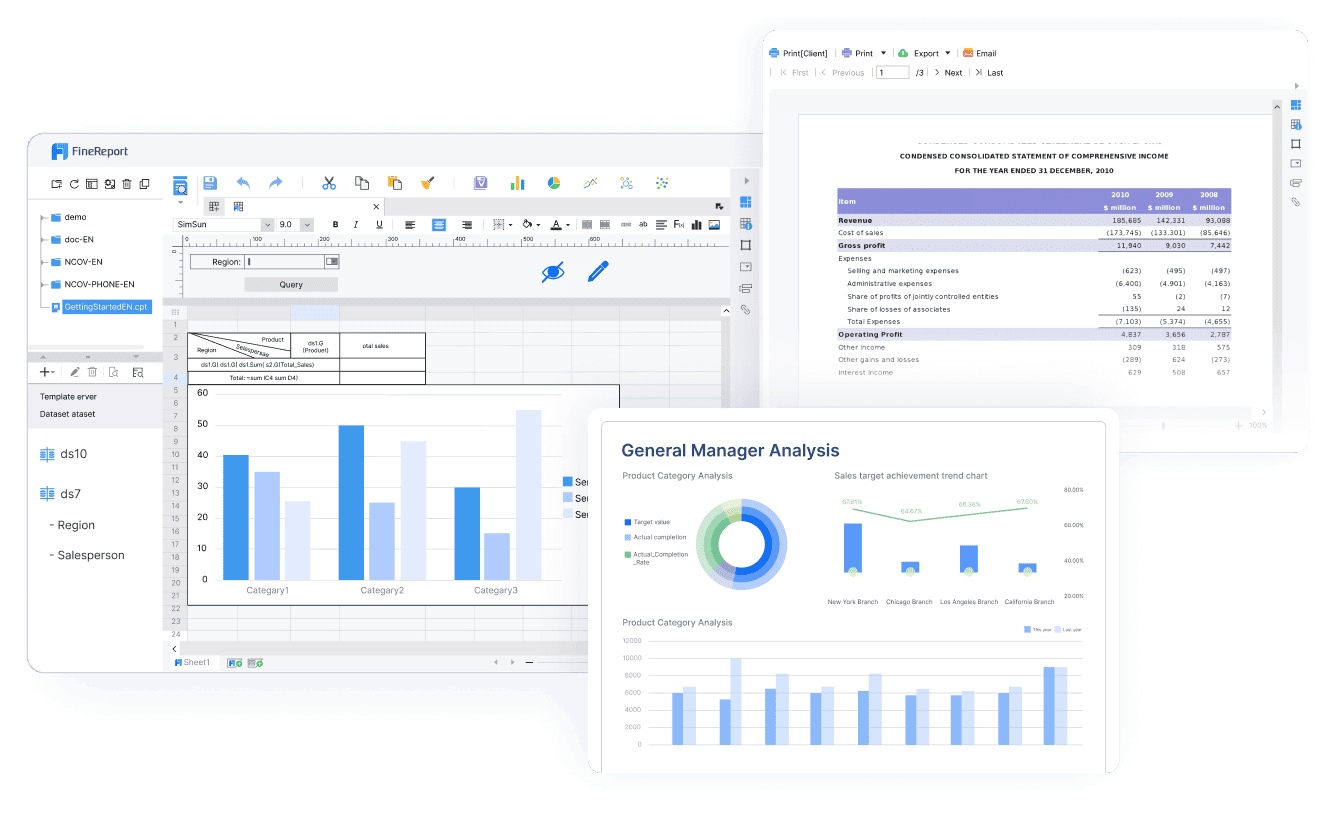
After data is consolidated, teams need to create financial statements, management packs, and supporting narratives. This is where financial reporting solutions replace disconnected spreadsheets and email attachments with templates, linked data, and collaborative editing.
Common capabilities include:
- Reusable templates for annual and interim reports
- Linked tables and charts that update from source data
- Standard commentary sections for recurring disclosures
- Shared workspaces for accounting, finance, legal, and leadership
- Approval routing for draft, review, and final sign-off
For beginners, the most important concept is this: a modern reporting workflow separates data maintenance from report assembly. That means your team updates the number once and the related tables, charts, and summaries update consistently across outputs.
Compliance, controls, and audit readiness
Reporting does not end when the PDF is exported. Finance leaders need to know who changed what, whether approvals happened on time, and whether support exists for the final numbers. This is where financial reporting solutions strengthen control environments.
Core control functions usually include:
- Change history and version control
- User permissions by role or department
- Approval logs and sign-off checkpoints
- Attached workpapers and supporting documents
- Review dashboards for open issues or pending approvals
These features matter for more than audits. They also reduce internal fire drills before board meetings, lender updates, and regulatory submissions.
Core Elements of an Effective Financial Reporting Workflow
Every strong setup should include the following elements:
- Source Connectivity: Direct access to ERP, GL, and spreadsheet inputs
- Data Standardization: Consistent account mappings, entity structures, and period definitions
- Template Governance: Controlled report formats that can be reused across cycles
- Workflow Automation: Task routing, review alerts, and sign-off tracking
- Narrative Management: Structured commentary linked to current financial data
- Auditability: Full visibility into edits, approvals, and supporting evidence
- Security Controls: Role-based access for sensitive financial information
- Output Flexibility: Delivery to PDF, Excel, dashboards, presentations, or filing formats
- Scalability: Support for increasing entity count, reporting frequency, and compliance complexity
Common Use Cases and Financial Reporting Services to Know
Financial reporting solutions are used far beyond annual statement preparation. Most finance teams depend on them across the full reporting calendar.
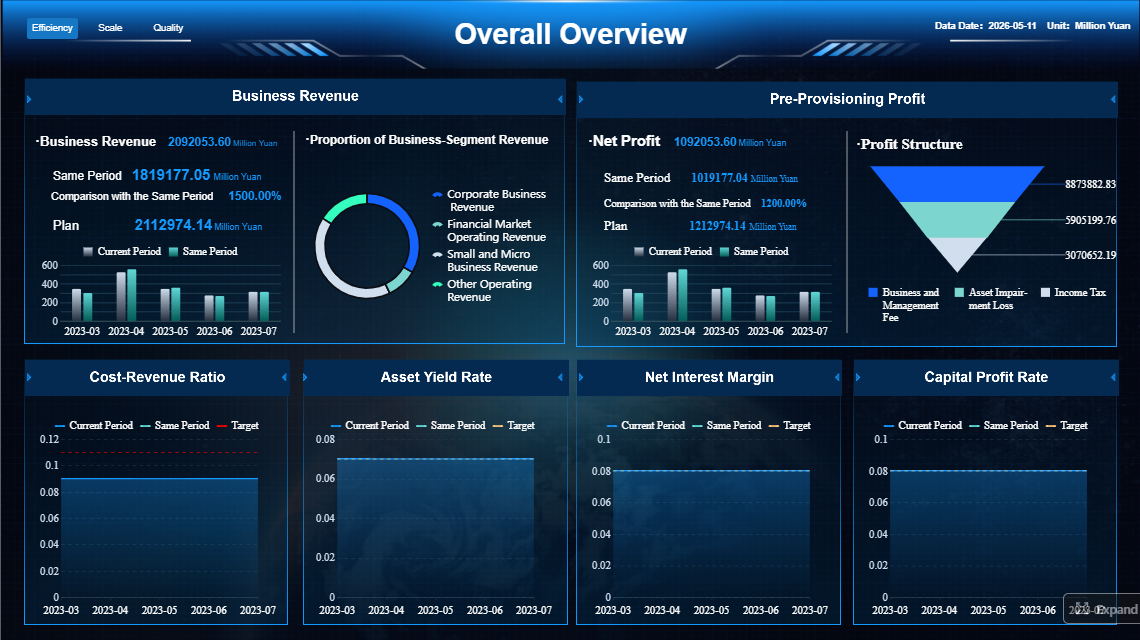
Common use cases include:
- Monthly close reporting: Internal statements, variance summaries, and department views
- Board packs: Concise financial summaries, KPIs, commentary, and risk updates
- Management reports: Operating performance, margin trends, cash flow, and forecasts
- Investor communications: Earnings materials, performance summaries, and disclosure support
- Audit preparation: Workpaper organization, review evidence, and tie-out documentation
- Multi-entity reporting: Consolidated views across subsidiaries, geographies, or business units
Companies also need to decide whether they should rely on internal software, external financial reporting services, or a hybrid model.
When internal software makes sense
Internal financial reporting solutions are usually the right fit when:
- Reporting is recurring and process-driven
- Finance wants more control over turnaround time
- The business needs reusable templates and dashboards
- Multiple stakeholders need secure access to current data
- Management depends on frequent internal reports, not just year-end packages
When outsourced financial reporting services make sense
Outsourced financial reporting services can be useful when:
- The company lacks specialized disclosure expertise
- A transaction, IPO, or new regulation creates one-time complexity
- Internal finance resources are thin
- Technical areas such as stock compensation or XBRL need outside support
- The company wants an interim bridge before building internal capability
How needs change by organization type
Different organizations use financial reporting solutions differently:
- Startups and early-stage firms: Often begin with basic statements and cash reporting, then need better board reporting as investors demand more rigor
- Mid-sized private companies: Usually need consolidation, faster closes, and repeatable management reporting
- Nonprofits: Need fund, grant, donor, and board reporting with audit support
- Public issuers: Need formal disclosure control, filing discipline, and regulator-ready documentation
The key takeaway is that reporting maturity evolves. A system that works for a founder-led business may break down once multiple entities, external audits, or SEC filings enter the picture.
How to Choose the Best Financial Reporting Solution for Your Needs
The best financial reporting solutions are not necessarily the most feature-heavy. They are the ones that match your reporting complexity, control requirements, and team capacity.
Evaluate features that matter most
Start with the capabilities that directly affect risk and efficiency.
- Consolidation: Can the tool combine data across entities, currencies, or departments?
- Automation: Does it reduce manual exports, formula maintenance, and repetitive report building?
- Disclosure management: Can teams manage statements, notes, and narratives in one process?
- XBRL support: Is it available if you file with regulators or plan to?
- Security: Are permissions, access controls, and audit logs strong enough for sensitive reporting?
For many teams, advanced visuals are useful, but they are secondary to data governance and review control.
Match the tool to your reporting complexity
A beginner mistake is buying enterprise-grade software for a simple environment or choosing lightweight tools for a regulated one.
Here is a practical way to think about fit:
| Company Stage | Typical Needs | Best-Fit Tool Characteristics |
|---|---|---|
| Startup | Basic statements, cash visibility, investor updates | Easy setup, simple templates, low admin burden |
| Mid-sized firm | Multi-department reporting, board packs, faster close | Consolidation, workflow controls, flexible templates |
| Public or pre-IPO company | Formal disclosures, filing support, audit trail, XBRL | Strong governance, review control, compliance-ready workflow |
Assess implementation and long-term fit
Selection should not stop at the feature checklist. Ask harder operational questions:
- How difficult is implementation?
- Can finance own the workflow without constant IT support?
- Does the tool integrate with your ERP and spreadsheets?
- Will it scale if you add entities or reporting obligations?
- What training and support are available?
- What is the total cost of ownership over three years?
4 Best Practices for Implementing Financial Reporting Solutions
As a consultant, I would recommend these steps before rolling out any platform:
-
Document your current reporting cycle end to end.
Map where data comes from, who reviews what, where delays occur, and which reports are mission-critical. -
Standardize templates before automating them.
If every report has a different structure, automation will only reproduce inconsistency faster. -
Start with one high-value use case.
Monthly management reporting, quarterly board packs, or interim reporting are often better starting points than trying to overhaul every reporting process at once. -
Build controls into the workflow from day one.
Version history, approvals, ownership, and source traceability should not be afterthoughts. They are the foundation of trust. -
Plan for next-stage complexity.
Choose a solution that can handle tomorrow’s needs, such as multi-entity consolidation or public-company readiness, without forcing a complete rebuild.
What Beginners Should Look for in the Best Financial Reporting Solutions in 2026
By 2026, the best financial reporting solutions will likely share a few traits regardless of category. This is useful for beginners because it helps you compare platforms based on your own needs instead of relying only on rankings articles.
Look for platforms that offer:
- Connected data models rather than isolated report files
- Automation for recurring reporting cycles such as monthly, quarterly, and annual workflows
- Template-based reporting for consistency and roll-forward efficiency
- Built-in collaboration and approvals to reduce email-driven review chaos
- Strong audit trails and permissions for control and compliance
- Flexible outputs including dashboards, printable statements, and presentation-ready formats
- Scalability from internal reporting to more formal external reporting needs
When reviewing lists of the best financial reporting tools and platforms in 2026, compare products by category first:
- Accounting-centered tools for basic statement generation
- FP&A and management reporting tools for performance analysis
- Disclosure and filing tools for annual, interim, and SEC reporting
- BI and dashboarding tools for broader distribution and operational visibility
That comparison method is more useful than jumping straight to a product ranking. It keeps your evaluation grounded in workflow fit, not market buzz.
Building Financial Reporting Solutions with FineReport to Automate the Workflow
Building this manually is complex; use FineReport to utilize ready-made templates and automate this entire workflow.
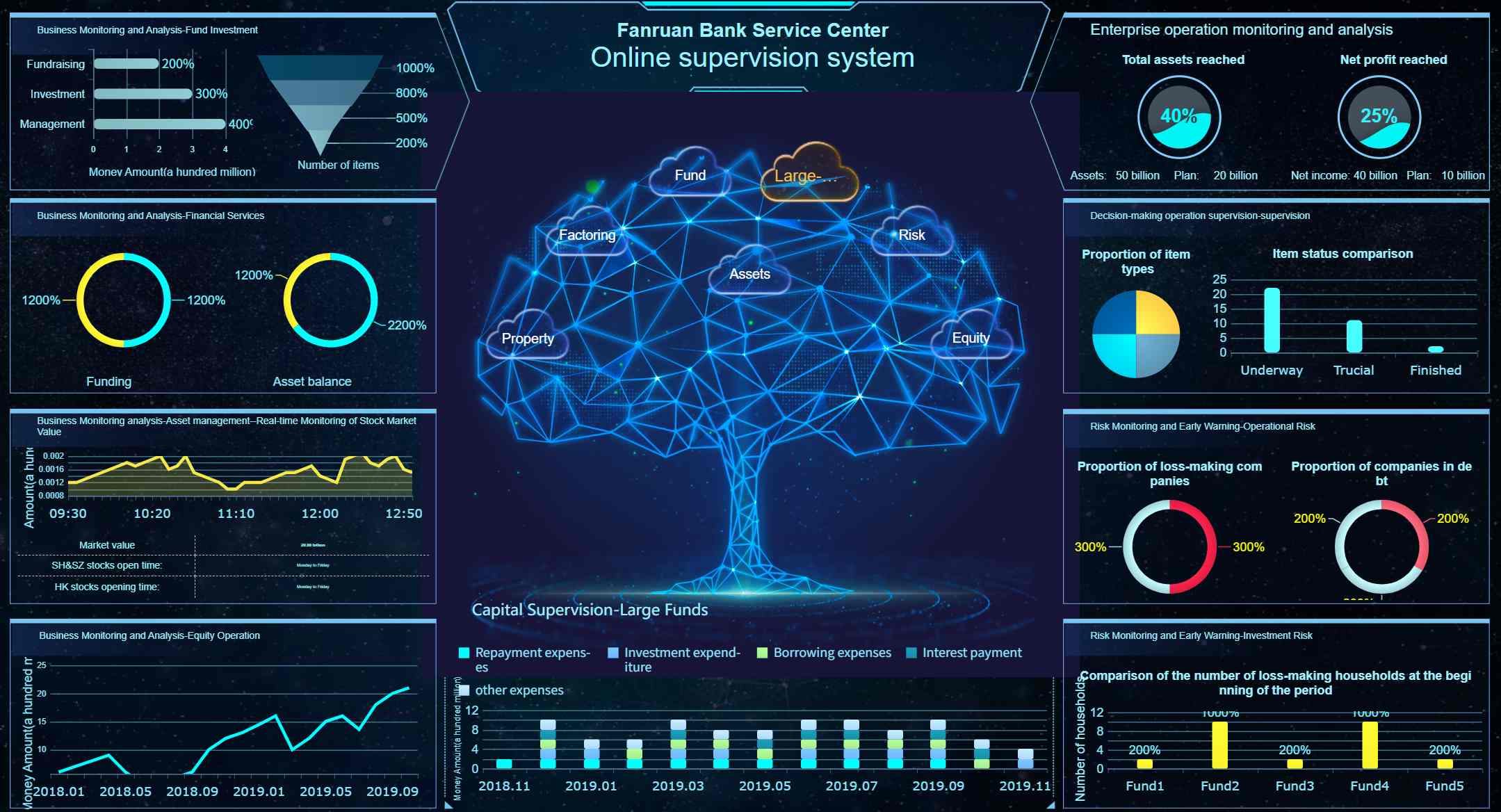
For finance teams, the challenge is not just creating one report. It is maintaining a repeatable, controlled system for annual, interim, and management reporting while reducing errors and keeping stakeholders aligned. FineReport helps solve that by turning raw financial data into standardized dashboards, board-ready reports, and governed reporting workflows.
With FineReport, teams can:
- Connect multiple data sources into one reporting environment
- Build reusable financial reporting templates
- Create dashboards for close status, KPIs, and executive summaries
- Automate recurring report generation and distribution
- Strengthen review visibility and reporting consistency across teams
For beginners, that means less spreadsheet sprawl and a faster path to trusted reporting. For growing businesses and enterprise finance teams, it means a scalable reporting foundation that can support more entities, tighter deadlines, and more demanding stakeholders.
If your current process depends on manual exports, disconnected workbooks, and last-minute tie-outs, this is the right moment to modernize.
FAQs
Financial reporting software helps teams collect, validate, consolidate, and format financial data into reports for management, boards, auditors, regulators, and investors. It reduces manual spreadsheet work and improves accuracy, speed, and control.