Hong Kong financial reporting standards matter because they determine how your business recognises revenue, values assets, reports risk, and withstands audit scrutiny. For finance teams, controllers, and compliance leaders, the challenge is rarely the existence of the rules. It is applying them consistently across messy contracts, fragmented data, tight close timelines, and changing business structures. If your team operates in Hong Kong or reports for a Hong Kong entity, a working grasp of HKFRS is essential for accurate reporting, smoother audits, and lower compliance risk.
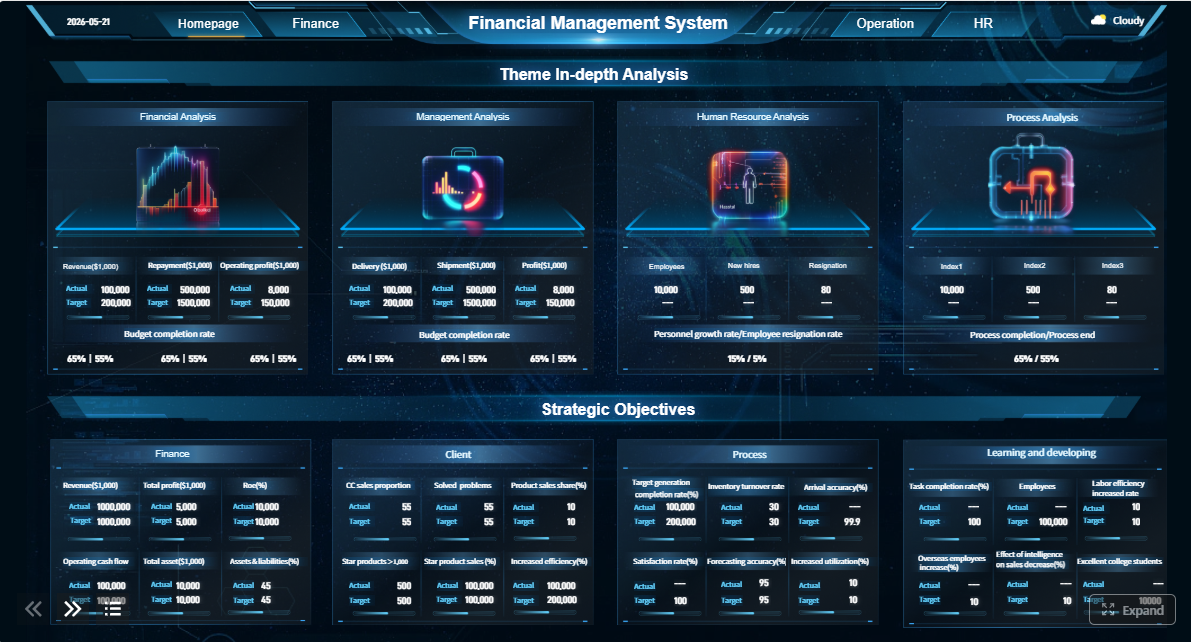 Click To Try The Dashboard
All reports in this article are built with FineReport
What Hong Kong Financial Reporting Standards are and why they matter
Hong Kong financial reporting standards, commonly referred to as HKFRS, form the core reporting framework used to prepare general purpose financial statements in Hong Kong. In practice, they apply to a wide range of reporting entities that need financial statements that are credible, consistent, and suitable for audit, governance, financing, or regulatory review.
For operational finance teams, HKFRS is not just a technical accounting manual. It directly affects how transactions are coded, how month-end entries are supported, how management judgements are documented, and how disclosures are assembled at reporting time. When teams misunderstand the framework, the result is often late adjustments, avoidable audit findings, and inconsistent reporting across subsidiaries or reporting periods.
The real business value of HKFRS lies in three areas:
- Comparability: Stakeholders can compare performance across periods and entities using a common framework.
- Transparency: Management judgements, estimates, risks, and financial impacts are presented more clearly.
- Audit readiness: Well-applied standards reduce rework, strengthen evidence trails, and improve review efficiency.
Finance leaders need a practical understanding of HKFRS because the standards shape daily decision-making. Revenue teams need to know when income can be recognised. Treasury teams need clarity on financial instruments. Group finance needs consistent consolidation logic. Compliance teams need confidence that disclosures match the underlying accounting treatment.
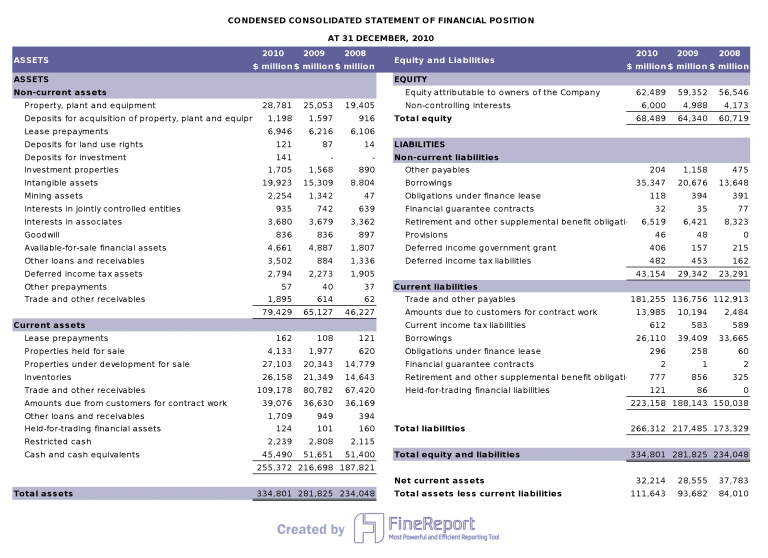
How the Hong Kong reporting framework is structured
Understanding the structure of the framework helps teams avoid a common mistake: treating all guidance as if it carries the same weight. In reality, HKFRS includes formal standards, accounting standards, interpretations, and supporting guidance that work together.
The role of the Hong Kong Institute of Certified Public Accountants
The Hong Kong Institute of Certified Public Accountants, or HKICPA, plays the central role in issuing and maintaining the reporting framework. It is responsible for publishing standards, amendments, interpretations, and implementation-related materials that shape reporting practice in Hong Kong.
From a finance operations perspective, this means your team should understand three layers of authority:
- Hong Kong Financial Reporting Standards (HKFRS): These address major reporting areas and often mirror internationally recognised reporting principles.
- Hong Kong Accounting Standards (HKAS): These remain important components of the framework and cover many core accounting topics such as presentation, impairment, and disclosures.
- Interpretations and guidance materials: These help clarify how standards should be applied in specific scenarios or where ambiguity tends to arise.
This structure matters during close and review cycles. If a technical issue surfaces, teams need to know whether they are dealing with a binding standard requirement, an interpretation issue, or a best-practice implementation matter.
How HKFRS aligns with global reporting principles
HKFRS is closely aligned with international financial reporting principles, which is one reason it is widely respected by investors, auditors, and multinational groups. For many organisations, this alignment reduces friction when preparing group reporting packages or explaining financial statements to international stakeholders.
That said, alignment does not eliminate practical local considerations. Businesses still need to evaluate:
- local filing and governance expectations
- entity-specific reporting elections
- differences in readiness across subsidiaries
- interpretation challenges in complex transactions
For multinational finance functions, the key takeaway is simple: do not assume that “mostly aligned” means “no local work required.” The standards may be familiar, but implementation discipline still matters at the Hong Kong entity level.
9 practical rules finance teams need to know
The most effective HKFRS compliance programmes focus on repeatable controls, early issue identification, and strong documentation. Below are the nine practical rules that finance teams should build into their reporting process.
Key Metrics (KPIs) finance teams should track
Before diving into the rules, establish a KPI layer that tells you whether compliance is under control.
- Close cycle duration: Measures the number of days needed to complete month-end or year-end reporting.
- Post-close adjustment rate: Tracks how many journal entries are posted after draft financial statements are prepared.
- Disclosure completeness score: Assesses whether required notes and narrative disclosures are fully prepared.
- Technical issue resolution time: Measures how quickly the team resolves accounting questions or policy decisions.
- Audit query recurrence rate: Shows how often the same issues reappear across reporting periods.
- Contract review coverage: Tracks the percentage of revenue, lease, and financing contracts reviewed under relevant standards.
- Impairment review timeliness: Measures whether trigger assessments and testing are completed before reporting deadlines.
- Related-party confirmation completeness: Indicates whether all related-party balances and transactions have been identified and validated.
- Standards update readiness: Tracks whether new or amended standards have been assessed, assigned, and implemented on time.
1. Identify which reporting framework your entity should use
The first rule is foundational. Your entity must determine which reporting framework applies before policies, templates, and disclosures are set. Some entities may use full standards, while others may qualify for simplified or private-entity reporting options.
A wrong framework decision creates downstream errors in recognition, measurement, and disclosure. This is especially risky in groups with mixed entity types or changing reporting obligations.
Best practice:
- confirm the legal entity status and reporting obligations
- assess whether simplified or private-entity options are available
- document the basis for framework selection
- align the selected framework with statutory and group reporting needs
2. Apply revenue recognition consistently
Revenue issues are among the most common sources of audit scrutiny. Under HKFRS, finance teams need a clear and repeatable method for identifying contract terms, performance obligations, transaction prices, and the timing of recognition.
In practice, inconsistency usually appears when sales contracts vary across business units, discount structures are not well tracked, or operations and finance interpret fulfilment milestones differently.
What strong teams do:
- standardise contract review procedures
- map common contract types to revenue treatment
- document judgements on timing and performance obligations
- reconcile revenue system outputs to accounting conclusions
3. Classify and measure financial instruments correctly
Financial instruments require early attention, not end-stage review. Classification errors can affect measurement basis, impairment treatment, and disclosures. That includes receivables, loans, investments, derivatives, and intercompany funding arrangements.
Finance teams should review financial instruments early in the close process because late identification often triggers valuation delays and disclosure gaps.
Focus areas include:
- classification based on business model and cash flow characteristics
- valuation method selection
- impairment assessment methodology
- completeness of supporting disclosures
4. Test assets for impairment when indicators appear
Impairment is not a year-end formality. It is a trigger-based discipline. When indicators appear, teams must assess whether assets or cash-generating units need testing and whether carrying amounts remain supportable.
Weak impairment processes usually fail in three places: indicators are spotted too late, assumptions are not evidence-based, or documentation is too thin to survive challenge.
A repeatable impairment process should include:
- trigger monitoring by business unit
- defined ownership for assessment preparation
- support for forecasts, discount rates, and assumptions
- review evidence for cash-generating unit conclusions
5. Account for leases using a complete contract inventory
Lease accounting breaks down when contract data is incomplete. Many finance teams focus only on obvious property leases and miss embedded leases in service or supply agreements. That leads to understated liabilities, incomplete right-of-use assets, and poor reassessment control.
To avoid this, maintain a complete contract inventory and review it regularly for reassessment triggers such as renewals, modifications, or changing term expectations.
6. Prepare clear consolidation and related-party reporting
Group reporting problems often start with unclear control assessments. If the team does not fully understand who controls what, the consolidation perimeter and related-party disclosures quickly become unreliable.
This is especially important in structures with joint arrangements, layered ownership, management influence, or frequent corporate changes.
Finance teams should:
- validate the legal structure and ownership map
- document control assessments for each entity
- maintain a related-party register
- reconcile intercompany balances and disclosures before final reporting
7. Present financial statements with consistent disclosures
Strong accounting can still fail if the statements are poorly presented. HKFRS compliance depends not only on the numbers but also on how line items, comparatives, and notes are presented together.
Common issues include mismatched note references, inconsistent accounting policies, and comparative figures that do not align with current-year classifications.
To improve consistency:
- use standard line-item mapping
- perform cross-note validation checks
- review comparative presentation early
- align policy wording with actual accounting treatment
8. Keep documentation strong enough for audit and review
If a judgement is not documented, it is difficult to defend. Documentation should support not just balances, but also the thinking behind them. That includes technical conclusions, estimates, approvals, reconciliations, and review evidence.
This rule has direct operational value. Good documentation reduces dependence on individual memory, speeds up audit response, and helps new team members understand prior treatment.
Documentation should retain:
- key technical memos
- estimate models and assumptions
- reconciliation workpapers
- approval and review trails
- evidence of policy application and consistency
9. Monitor standard updates and implementation dates
HKFRS compliance is not static. Amendments, new requirements, and implementation guidance can create operational impacts long before the effective date arrives. Teams that track updates too late often end up using manual workarounds or pushing policy decisions into the final reporting window.
The right approach is to assign ownership and make standards monitoring part of your finance governance model.
At minimum, assign responsibility for:
- tracking amendments and effective dates
- assessing impact on policies, systems, and disclosures
- communicating changes to stakeholders
- planning implementation testing before go-live
Common problem areas and how to avoid them
Most HKFRS issues do not stem from a lack of effort. They come from fragmented workflows, weak ownership, and technical reviews that happen too late. Fixing these pain points requires process discipline, not just better intentions.
Frequent errors in first-time or changing-reporting environments
First-time adopters and entities undergoing change face elevated risk. Mergers, restructurings, ERP changes, new financing arrangements, and expansion into new contract models all increase the chance of technical mistakes.
Frequent issues include:
- missing or incomplete disclosures
- inconsistent accounting policies across entities
- incomplete assessments of new transaction types
- weak support for management judgement
- failure to update prior templates for current facts
A practical response is to build a technical accounting intake process. Any non-routine transaction should trigger a formal assessment before period-end rather than during final review.
Where finance teams lose time during month-end and year-end close
Close delays usually come from predictable operational failures:
- issues are identified late
- source data is incomplete or poorly structured
- contract information sits outside finance systems
- reviewers do not have clear sign-off responsibilities
- disclosure drafting starts too close to deadline
The answer is to move technical accounting upstream. Revenue contracts, lease assessments, impairment triggers, and related-party updates should be reviewed continuously, not only at quarter-end or year-end.
Practical controls that reduce compliance risk
Seasoned finance teams use lightweight but consistent controls to reduce errors before they become audit issues.
Recommended controls include:
-
Use reporting checklists by standard
Create close checklists tied to major HKFRS topics such as revenue, leases, impairment, consolidation, and disclosures. -
Prepare technical memos for non-routine transactions
Require documented conclusions for acquisitions, restructurings, unusual contracts, financing events, and policy changes. -
Apply version control to financial statements and note support
Prevent confusion by controlling file ownership, review status, and final-approved versions. -
Set recurring training for finance and business owners
Commercial teams often create the transactions that finance must later interpret. Train them early on contract terms and data capture needs. -
Build review accountability into the close calendar
Assign named owners for preparation, review, escalation, and final approval across all critical reporting areas.
Where to find authoritative guidance and stay current
A strong HKFRS process depends on knowing where to get authoritative answers and how to operationalise them internally. Many teams make the mistake of relying too heavily on summary articles or informal interpretations. Those can be useful starting points, but they are not enough for policy decisions.
Core reference sources for standards and interpretations
Finance teams should anchor their work in primary materials and controlled internal references. That means maintaining access to official standards, interpretations, and internal accounting policy documents that reflect the entity’s chosen framework.
At a minimum, your reference stack should include:
- official Hong Kong standards and amendments
- interpretations and implementation-related materials
- entity accounting policies and technical memos
- disclosure checklists and reporting templates
- internal issue logs for recurring accounting questions
When to use regulator, professional, and advisory resources
External resources are useful when your team needs context, benchmarking, or confirmation that an issue is being interpreted appropriately. They are especially helpful for emerging topics, industry-specific transactions, or periods of significant standard change.
But the rule is simple: use external commentary to inform judgement, not replace it. The final accounting conclusion should still be grounded in the actual standard, the facts of the transaction, and your documented analysis.
Building an internal HKFRS knowledge process
The most resilient finance teams treat technical accounting as a managed process, not a heroic effort by one expert. That means creating an internal operating model for standards tracking, issue escalation, and policy consistency.
A practical internal HKFRS knowledge process should include:
- an update calendar for new and amended standards
- named owners for technical monitoring and implementation
- an escalation path for complex accounting issues
- a controlled repository for policies, memos, and conclusions
- periodic training tied to real reporting issues
- post-audit reviews to capture lessons learned
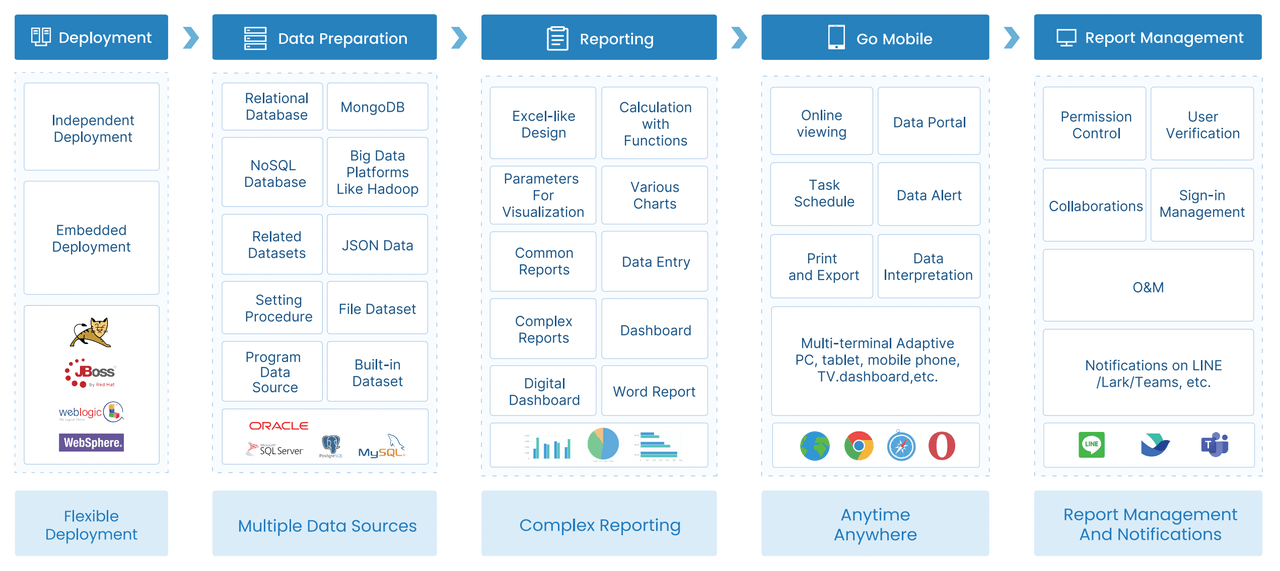
Build the process once, then automate it with FineReport
Building this manually is complex; use FineReport to utilize ready-made templates and automate this entire workflow. For enterprise finance teams, the challenge is not only understanding Hong Kong financial reporting standards. It is turning those rules into a repeatable operating system across entities, departments, and reporting periods.
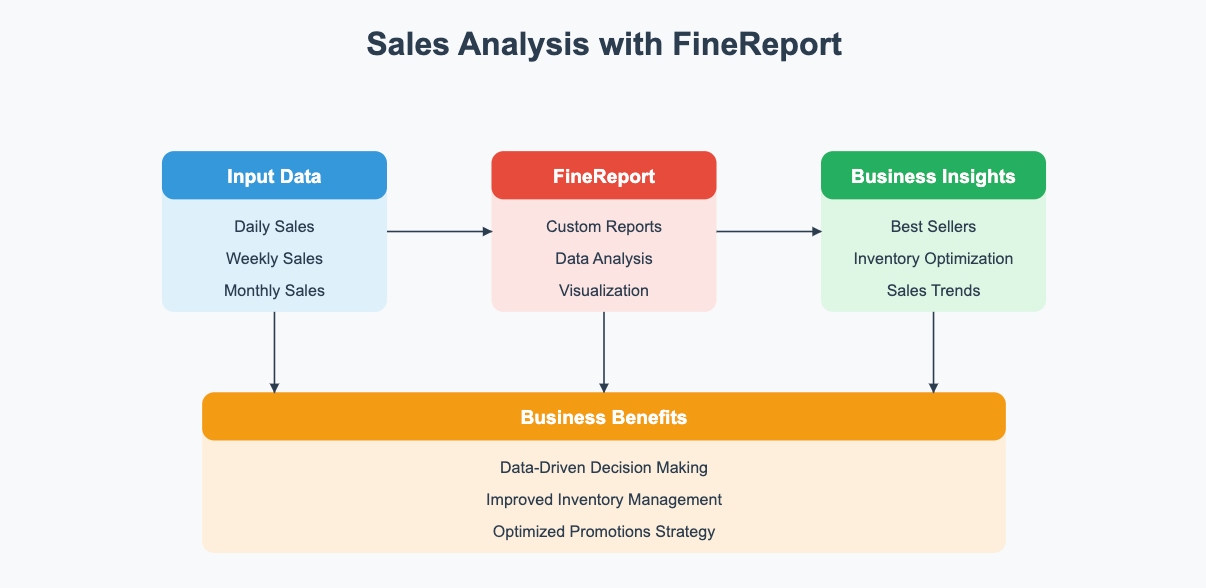
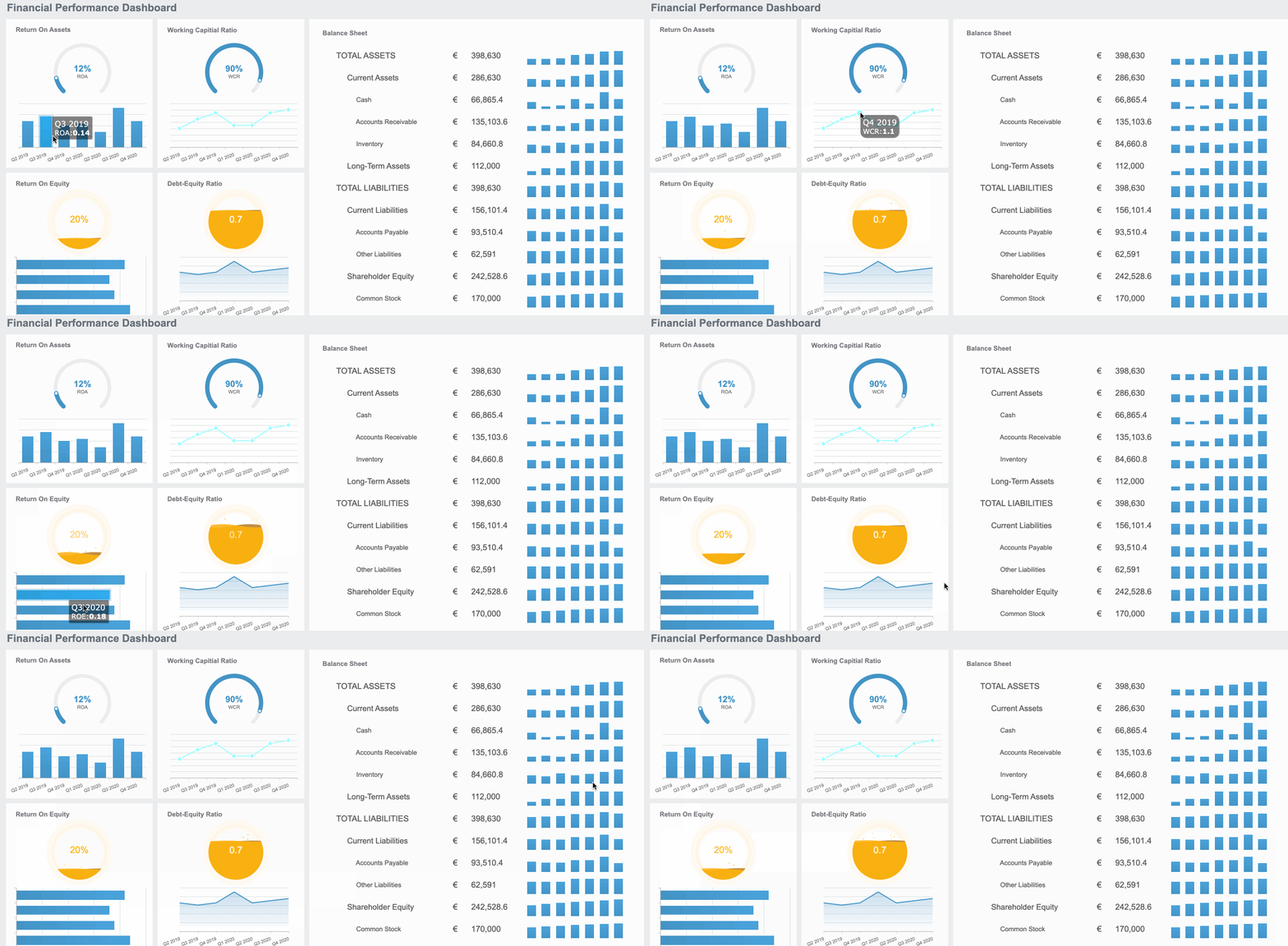
FineReport helps teams centralise source data, standardise reporting templates, track close tasks, monitor disclosure completeness, and visualise compliance risk in real time. Instead of chasing spreadsheets across departments, your team can manage revenue assessments, lease inventories, impairment triggers, related-party reporting, and standards update tracking through one controlled reporting layer.
That is especially valuable when your organisation needs to:
- unify statutory and management reporting workflows
- reduce manual reconciliation work
- improve audit trail visibility
- create dashboard-level oversight for controllers and CFOs
- scale reporting discipline across multiple entities

Get Ready-to-Use Dashboard Templates in Fine Gallery
With the right framework, clear controls, and the right reporting platform, HKFRS compliance becomes far more manageable. Your team spends less time reacting to technical issues and more time delivering accurate, decision-ready reporting.
FAQs
Hong Kong Financial Reporting Standards are used to prepare financial statements that are consistent, auditable, and suitable for investors, regulators, and management. They guide how businesses recognise income, measure assets and liabilities, and present disclosures.