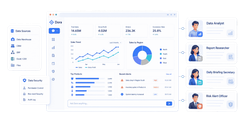
You oversee operational performance, manage investor relations, or are tasked with creating transparency around your company's non-financial impact. The pressure is mounting: regulators are demanding disclosures, investors are screening for risk, and customers are aligning purchases with values. Yet, ESG data—Environmental, Social, and Governance metrics—is often trapped in disparate spreadsheets, lacks consistency, and fails to inform strategic decisions. ESG data reporting is the structured process of collecting, validating, and communicating this data to provide a clear, accurate, and actionable view of your company's sustainability performance. For an IT manager, data analyst, or operations director, this is not a fluffy PR exercise; it's a critical operational function that, when executed well, mitigates risk, uncovers efficiencies, and builds durable trust with all stakeholders.
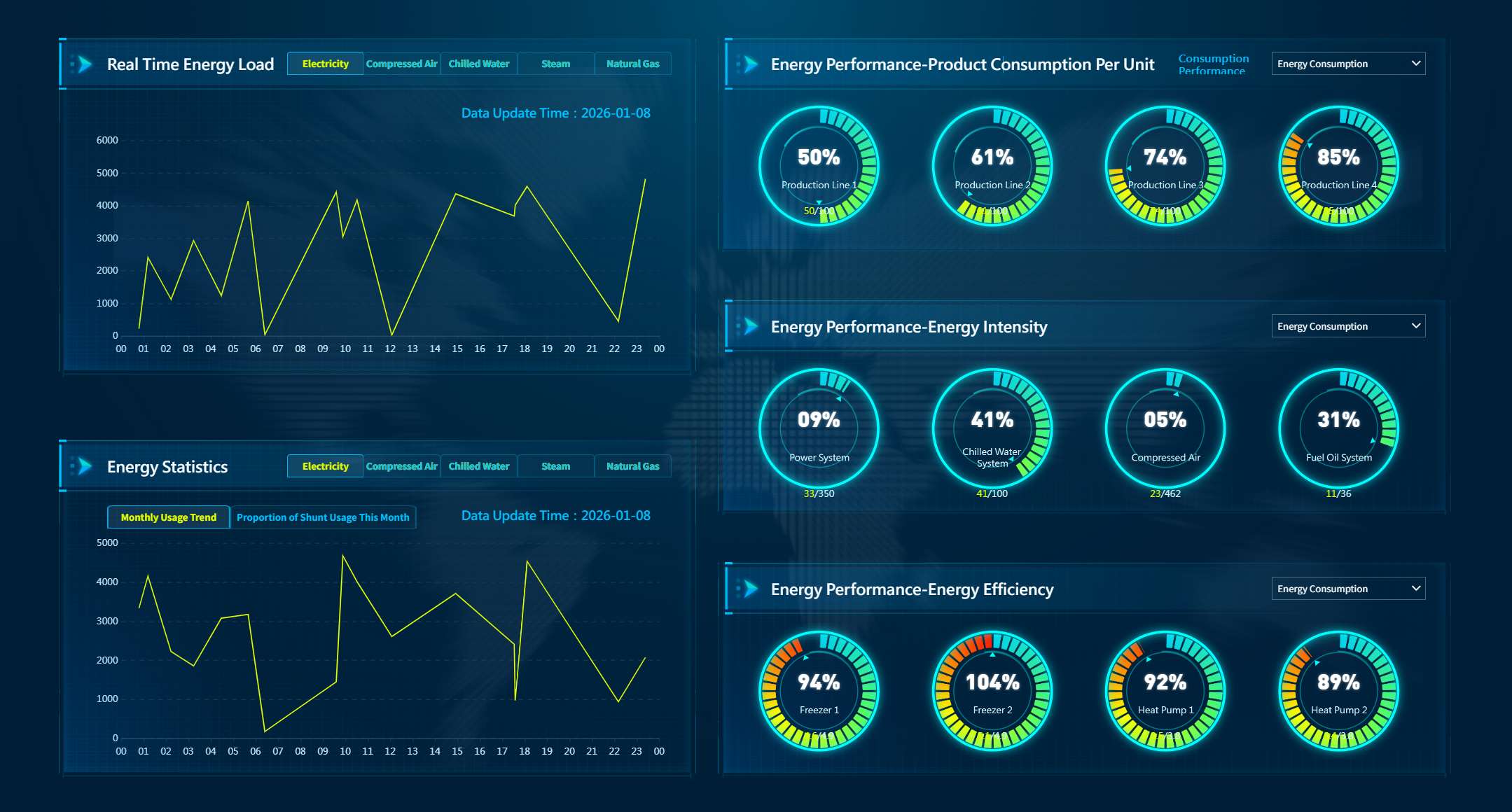
All reports in this article are built with FineReport.
What Is ESG Data Reporting and Why It Matters
ESG data reporting is the systematic disclosure of quantitative and qualitative information related to a company's environmental footprint, social responsibilities, and governance structures. Unlike broader sustainability communication, which can be narrative-driven, ESG reporting is fundamentally metric-based, designed for comparability, auditability, and integration into financial and strategic analysis.
This discipline matters because key constituencies now rely on it to make high-stakes decisions. Investors use ESG data to assess long-term risk, portfolio resilience, and alignment with sustainable finance principles. Regulators, through frameworks like the EU's CSRD and the SEC's proposed climate rules, are making comprehensive disclosures mandatory. Customers and employees increasingly factor ESG performance into purchasing and employment decisions. Internally, leadership teams gain visibility into operational efficiencies, supply chain vulnerabilities, and workforce dynamics.
The business value is unequivocal: superior ESG data reporting leads to better risk management, often lower capital costs, enhanced brand reputation, and a clearer roadmap for operational improvement. It transforms sustainability from a cost center into a strategic lens for the entire business.
Key Elements Included in ESG Data Reporting
A robust ESG report is built on a foundation of comprehensive, high-quality data across three core pillars. To be actionable, this data must be accurate, comparable across periods, timely, complete in scope, and prepared for audit.
Environmental Data
This quantifies a company's impact on the natural world and its management of environmental risks. Key metrics include:
- Greenhouse Gas (GHG) Emissions: Scopes 1 (direct), 2 (indirect from energy), and increasingly 3 (value chain).
- Energy Consumption & Mix: Total energy used and the percentage from renewable sources.
- Water Usage & Management: Total withdrawal, consumption, and recycling rates.
- Waste Generation: Total waste produced and the proportion diverted from landfill via recycling or reuse.
- Climate-Related Risks: Physical and transitional risks assessed and managed.
Social Data
This measures a company's relationships with its people and communities. Essential elements are:
- Workforce Metrics: Employee turnover, training hours, and health & safety incidents (TRIR).
- Diversity, Equity, & Inclusion (DEI): Representation data across gender, ethnicity, and other dimensions at all levels.
- Labor Practices: Adherence to fair wages, working hours, and freedom of association in global operations.
- Community Impact: Investments, volunteer hours, and partnerships within local communities.
- Customer Privacy & Data Security: Incidents of data breaches and complaints resolved.
Governance Data
This evaluates the systems and processes for corporate oversight and ethical conduct. Critical data points cover:
- Board Oversight: Board diversity, expertise in ESG matters, and frequency of ESG discussions.
- Ethics & Compliance: Code of conduct violations, anti-corruption training completion, and whistleblower cases.
- Executive Pay: The linkage between executive compensation and ESG performance targets.
- Risk Controls: The structure and effectiveness of the enterprise risk management framework, including ESG risks.
- Tax Strategy: Approach to tax transparency and payments.
How to Use ESG Data in ESG Data Reporting
Collecting data is only the first step; its real power is unlocked in application. Effective use of ESG data involves turning raw metrics into strategic insights.
First, use it for internal strategy and operations. Analyze energy data to identify efficiency projects with clear ROIs. Examine workforce metrics to tackle attrition hotspots and improve productivity. Set baselines from your data to establish ambitious, yet credible, reduction targets for emissions or waste.
Second, leverage data for external stakeholder communication and capital allocation. Robust, assured data forms the backbone of your sustainability report, investor presentations, and regulatory filings. It provides the evidence needed to secure green financing or to demonstrate progress to customer procurement teams.
Finally, connect your data to established frameworks. Map your metrics to the Global Reporting Initiative (GRI), Sustainability Accounting Standards Board (SASB), or Task Force on Climate-related Financial Disclosures (TCFD) standards. This enables benchmarking against peers and satisfies the specific information demands of different stakeholder groups.
Common use cases across teams
- Finance and CFO Teams: They use ESG data to evaluate long-term risk exposure, ensure the quality and audit-readiness of disclosures for the annual report, and manage growing investor expectations for integrated financial and sustainability performance.
- Operations Teams: For these teams, ESG data pinpoints resource efficiency opportunities—like reducing water usage in a manufacturing line—and provides a clear timeline to track operational improvements and cost savings.
- Leadership Teams: Executives rely on consolidated ESG dashboards and KPIs to guide corporate priorities, allocate resources, and monitor outcomes against strategic sustainability goals.
ESG Data Reporting Examples and Common Reporting Approaches
In practice, ESG reporting takes several forms, tailored to different audiences and purposes.
Company-Level Examples: A technology firm might disclose its annual Scope 1 & 2 GHG emissions in tons of CO2e, its global gender pay gap analysis, and its board's skills matrix showing climate expertise. A manufacturer could report on water recycled per unit of production, its recordable injury rate, and supplier code of conduct audits conducted.
Common Reporting Formats:
- Annual Integrated Reports: Weave ESG performance into the main financial annual report, showing its connection to value creation.
- Standalone Sustainability Reports: Dedicated, in-depth documents following GRI standards, often published annually.
- Regulatory Filings: Mandatory disclosures, such as the EU's ESRS under CSRD or climate risk in a 10-K filing with the SEC.
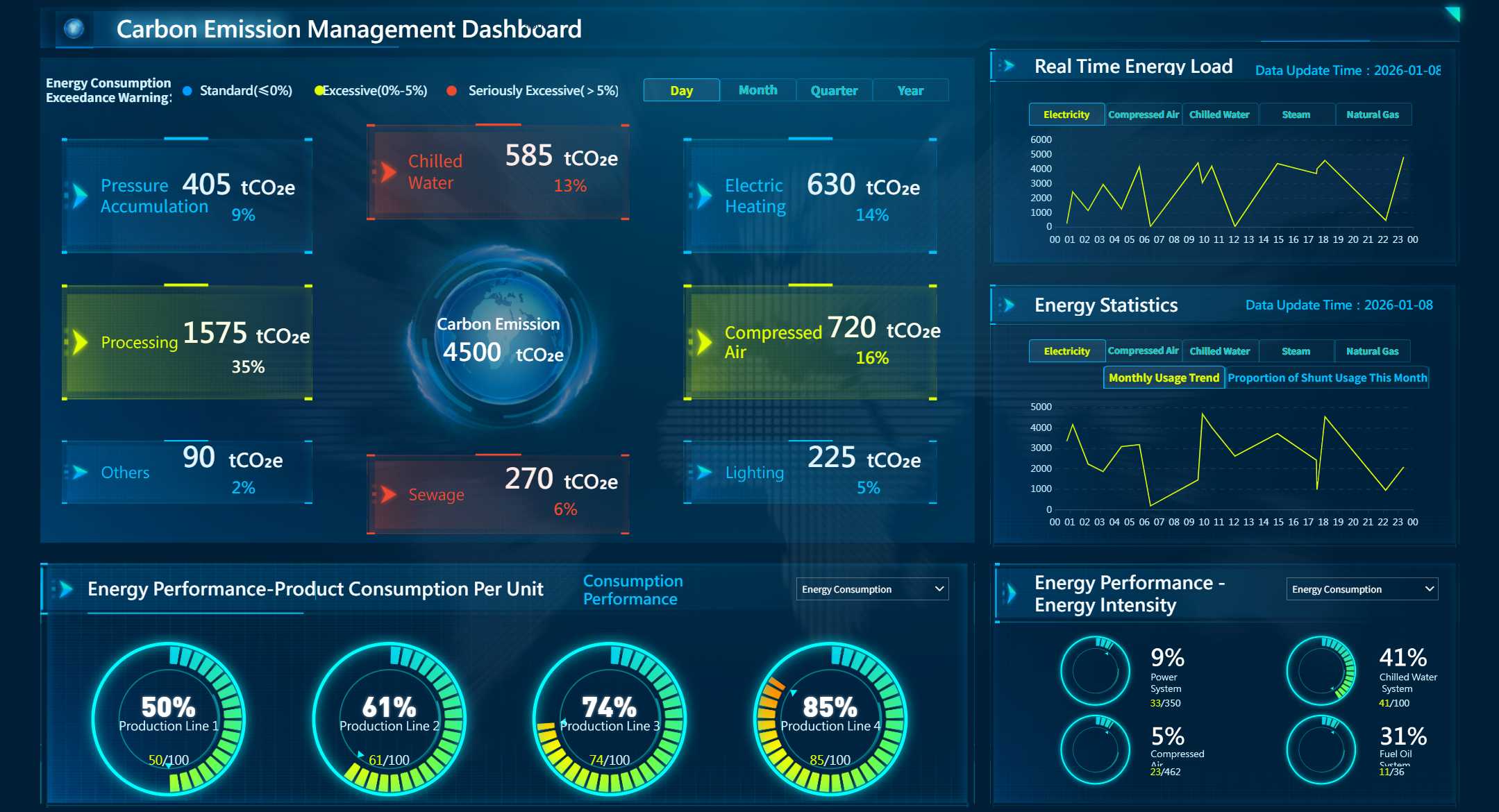
- Digital & Interactive Reporting: Dynamic online reports or dashboard portals that allow stakeholders to explore the data.
Organizations may manage reporting with an internal cross-functional team (spanning Sustainability, Finance, Legal, and HR) or engage external reporting services for specialized support, especially in the early stages or for complex assurance needs.
Where ESG reporting services can help
External expertise is valuable for navigating complexity. Services can assist with:
- Data Collection & Gap Analysis: Establishing processes and identifying missing data points.
- Framework Mapping: Aligning your data with the correct disclosure standards.
- Assurance Preparation: Getting your data and processes ready for third-party audit.
- Report Development: Writing and designing the final communication output. The goal is to build internal consistency and reduce the reporting burden over time.
Best Practices for Building a Sustainable Path to Cleaner Data in ESG Data Reporting
Treat your ESG data with the same rigor as your financial data. Here are actionable best practices from seasoned consultants:
- Establish Clear Governance: Assign clear ownership for each data source (e.g., Facilities owns energy data, HR owns DEI metrics). Create a governance committee with authority from Finance, Operations, and Legal to oversee standards and resolve disputes.
- Standardize from the Start: Before scaling, lock down definitions, organizational boundaries (e.g., operational control vs. financial control), and calculation methodologies. This document should be your single source of truth.
- Implement Data Quality Controls: Build validation rules into data collection tools—flag outliers, require unit checks, and mandate supporting documentation. Conduct periodic internal reviews or "pre-assurance" checks.
- Create a Roadmap for Evolution: Recognize that reporting requirements will change. Plan for incremental improvements: Year 1, get core metrics under control; Year 2, expand to Scope 3 emissions; Year 3, integrate with enterprise performance management systems.
Common challenges to avoid
- Inconsistent Methodologies: Changing calculation methods year-over-year destroys comparability and credibility.
- Data Silos & Poor Integration: Relying on manual spreadsheet collation from disparate business units is error-prone and unscalable.
- Weak Executive Alignment: Treating ESG as a compliance-only, back-office function ensures it will lack the resources and strategic importance to succeed.
- The One-Time Exercise Trap: Reporting is not an annual sprint. It must be part of an ongoing management process with regular performance reviews.
Getting Started With ESG Data Reporting
The path to effective ESG reporting begins with focused, pragmatic steps.
1. Begin with Materiality: Don't try to report on everything at once. Conduct a materiality assessment to identify the ESG topics most critical to your business success and stakeholders. Prioritize data collection for these areas.
2. Choose Your Frameworks: Align your efforts with the reporting standards your key stakeholders recognize—be it GRI for a broad audience, SASB for investors in your specific industry, or TCFD for climate risks. This gives your data collection immediate structure.
3. Build a First-Step Plan: Start small with a pilot. For example, choose to fully document and report on energy use and workforce diversity in the first cycle. Create a simple process for collecting, validating, and approving this data. Use it to create a basic internal dashboard or a section of your annual report.
4. Assess Capabilities for Scaling: Be honest about your internal bandwidth and expertise. For many organizations, the initial lift is best supported by specialized software or consultants. The goal is to build internal competence over time, not to shoulder an unsustainable burden from day one.
Solution
Manually orchestrating this entire workflow—from data collection across departments to framework alignment and dashboard creation—is complex, resource-intensive, and prone to error. This is where purpose-built technology becomes the ultimate enabler.
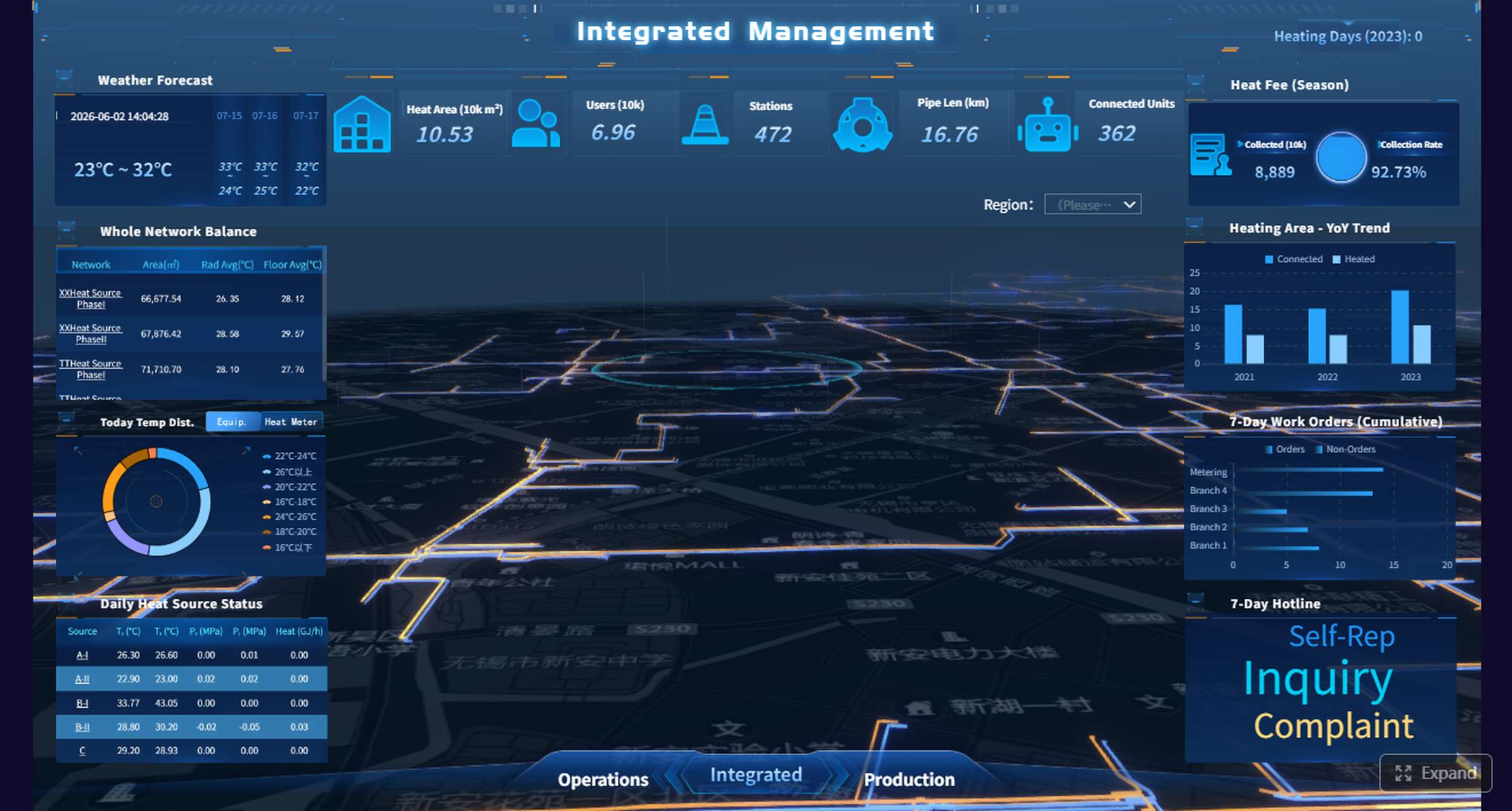
Instead of wrestling with disconnected systems, you can utilize a platform like FineReport to automate and streamline ESG data reporting. FineReport provides the tools to connect directly to your data sources (ERP, HRIS, facility management systems), standardize calculations with built-in logic, and populate ready-made report templates aligned with major frameworks like GRI. It transforms the reporting process from a chaotic annual scramble into a managed, continuous flow of validated information, giving you back the time to focus on strategy and analysis.
FAQs
The main purpose is to provide a clear, accurate, and actionable view of a company's sustainability performance for stakeholders like investors, regulators, and customers, enabling better risk management and strategic decisions.