A data governance platform is software that helps organizations define, manage, monitor, and enforce how data is cataloged, accessed, trusted, and used across the business.
7 best data governance platforms compared at a glance
Below is a practical comparison of seven widely considered data governance platform options, with an emphasis on strengths, trade-offs, deployment effort, and the kinds of teams they fit best.
Platform
Core Strength
Main Limitation
Best For
Pricing Approach
Deployment Complexity
Time to Value
Collibra
Mature enterprise governance workflows and policy management
Can require significant implementation effort
Large enterprises with formal governance programs
Custom enterprise pricing
High
Medium to long
Alation
Strong discovery, search, and business-friendly catalog experience
Governance depth may depend on add-ons and process maturity
Analytics-focused organizations
Custom pricing
Medium
Medium
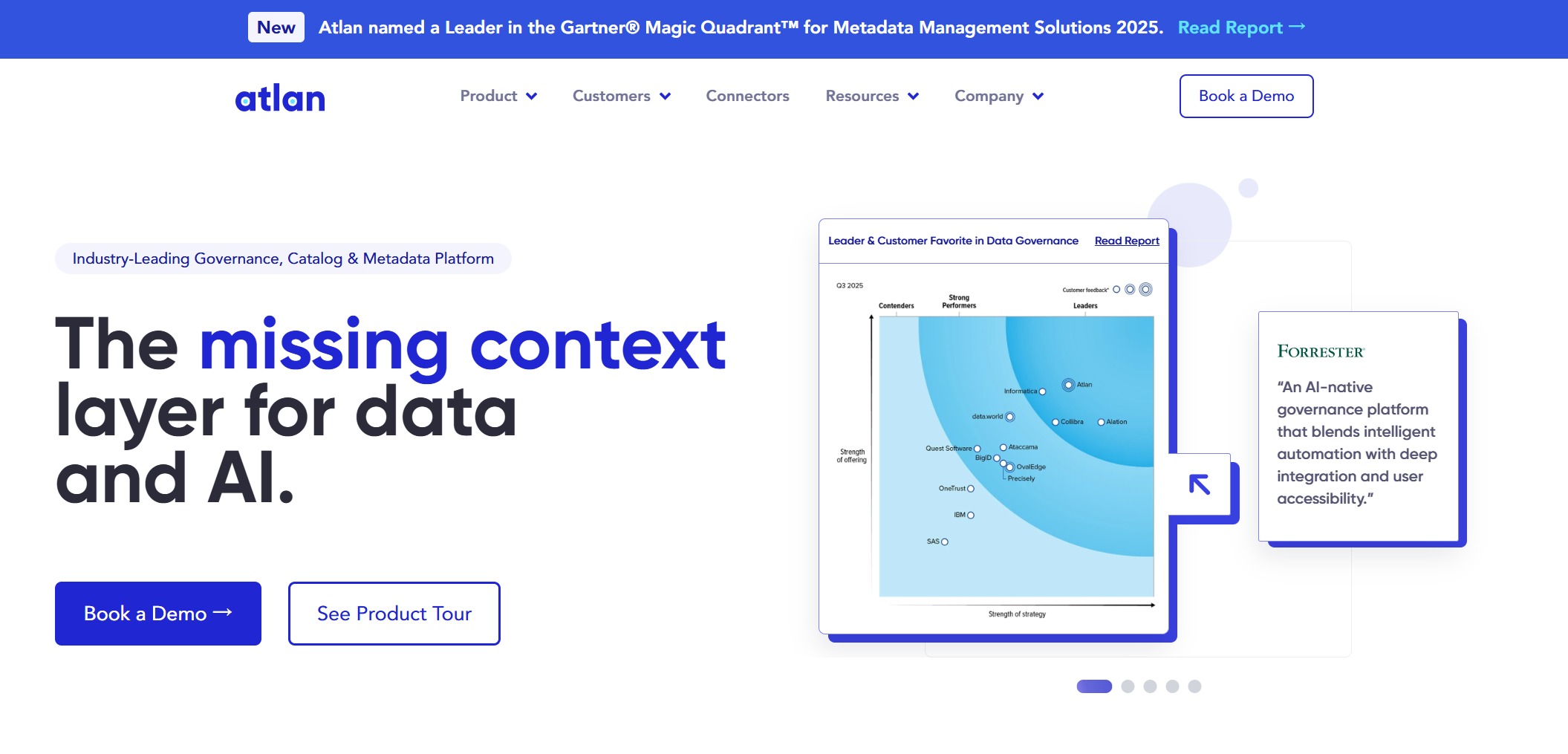
Atlan
Modern user experience, active metadata, and collaboration
Enterprise buyers may still need to validate governance depth for highly regulated use cases
Fast-growing mid-market and modern cloud data teams
Custom pricing
Medium
Fast to medium
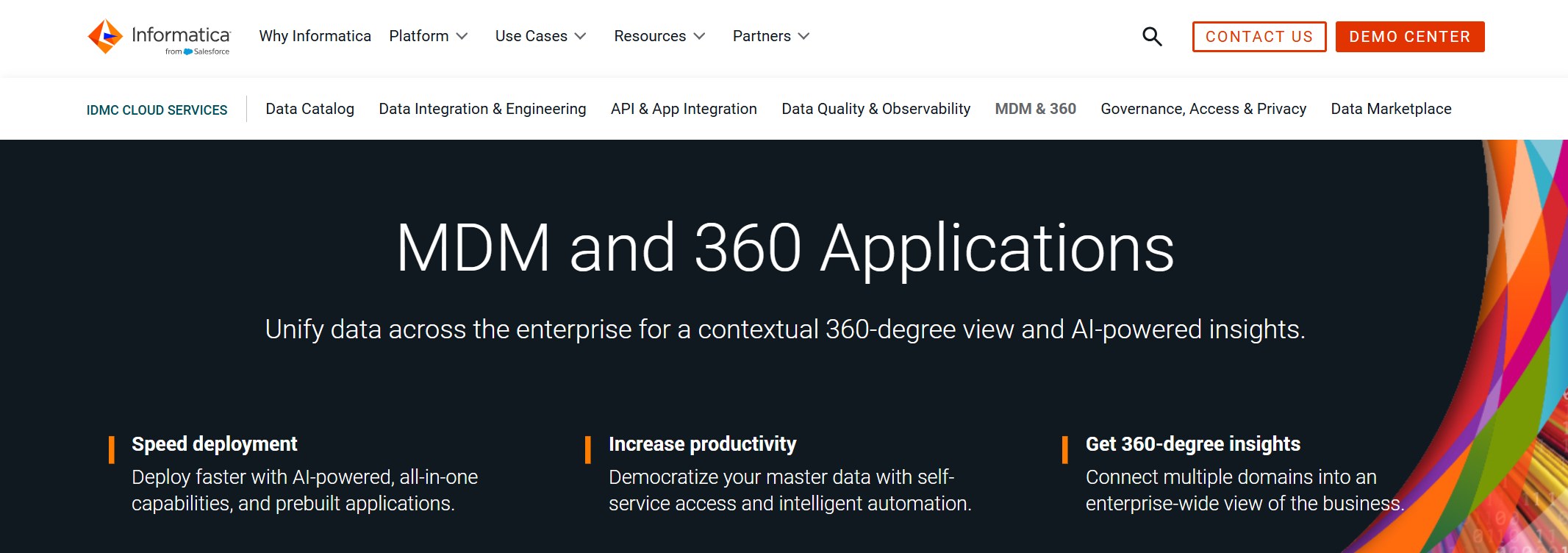
Informatica IDMC
Broad suite spanning catalog, quality, MDM, and governance
Can feel complex if you only need governance
Enterprises already invested in Informatica
Custom/module-based pricing
High
Medium
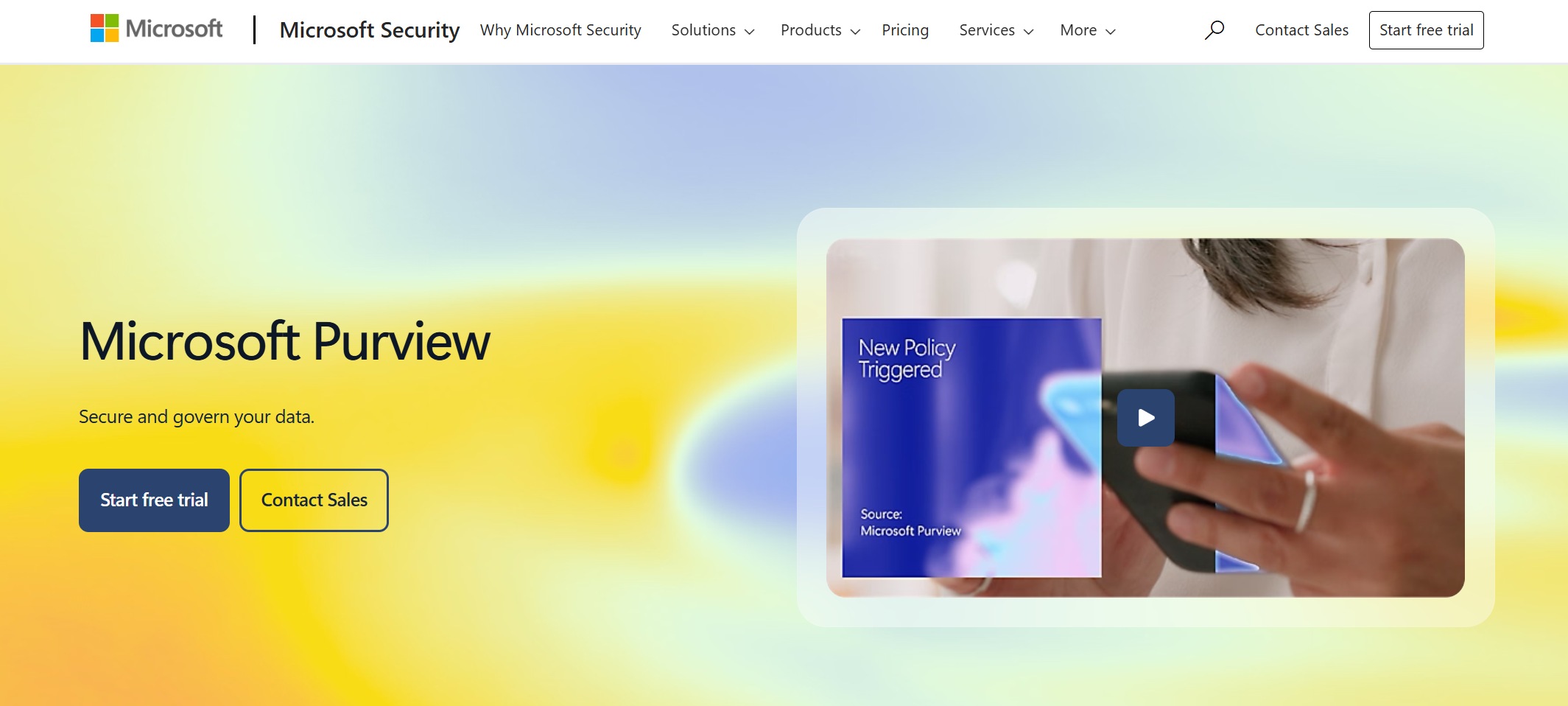
Microsoft Purview
Strong fit for Microsoft-centric estates and cloud governance
Strong support for governed data movement, integration visibility, and practical control across systems
Not positioned as a pure-play catalog-first governance suite
Teams that need governance tied closely to data integration and operational delivery
Contact sales
Low to medium
Fast
Quick take by team profile
Small teams:FineDataLink, Atlan, and Microsoft Purview are often easier starting points depending on stack and governance scope.
Mid-market organizations: Atlan, Alation, Microsoft Purview, and FineDataLink usually offer a better balance of usability and control.
Enterprise environments: Collibra, Informatica IDMC, BigID, and Microsoft Purview are commonly shortlisted for scale, compliance, and integration breadth.
Snapshot of strengths and limitations
If your primary need is formal stewardship, policy workflows, and enterprise accountability, Collibra is typically strong.
If your priority is discovery, trust in reporting, and analyst adoption, Alation stands out.
If you need modern collaboration and faster rollout, Atlan is often attractive.
If you want governance plus broader data management, Informatica IDMC is a logical option.
If your estate is heavily Microsoft and Azure-based, Purview deserves a close look.
If privacy and sensitive data controls are central, BigID is highly relevant.
If your governance initiative depends on reliable, governed data movement across systems, FineDataLink is especially worth considering.
What to look for in data governance platforms
Choosing the right data governance platform starts with understanding what the platform must actually do for your organization, not just what appears on a feature checklist.
Core capabilities that matter most
Most buyers should evaluate these core governance capabilities first:
Data cataloging: Can users find, understand, and trust available data assets?
Data lineage: Can teams trace where data came from, how it changed, and what downstream assets it affects?
Policy management: Can governance rules be defined, standardized, and monitored consistently?
Stewardship workflows: Can data owners, stewards, and reviewers collaborate through structured approval and issue-resolution processes?
Access controls: Can the platform support role-based access, policy enforcement, and appropriate protection of sensitive data?
A strong data governance platform should connect these capabilities rather than treating them as isolated modules. For example, lineage should support policy enforcement, and the catalog should expose business context, ownership, and trust signals.
Governance goals vary by team type
Not every company buys a data governance platform for the same reason.
Visibility into lineage behind dashboards and models
Adoption by analysts and business users
Here, governance is often measured by how much it improves data confidence and decision-making speed.
Fast-growing companies
These organizations usually need:
Faster implementation
Lower administrative burden
Scalable metadata management
Enough control without heavy process overhead
Flexible integrations with modern cloud tools
For them, the best data governance platform is often the one that prevents chaos without slowing growth.
Practical evaluation criteria
When comparing platforms, use practical buying criteria instead of feature-volume alone:
Implementation effort: How much setup, consulting, and operating design is required?
Scalability: Will the platform still fit when data domains, users, and regulations expand?
Usability: Will business users, stewards, engineers, and analysts actually use it?
Integration depth: Does it connect well to your warehouse, BI stack, pipelines, cloud platforms, and security ecosystem?
Total cost of ownership: Include license costs, services, training, admin effort, and future expansion costs.
A platform that looks comprehensive on paper may still underperform if adoption is weak or if rollout drags on for months.
Data governance platforms: pros, cons, and best-fit teams
Platform 1: Best for enterprise-scale governance
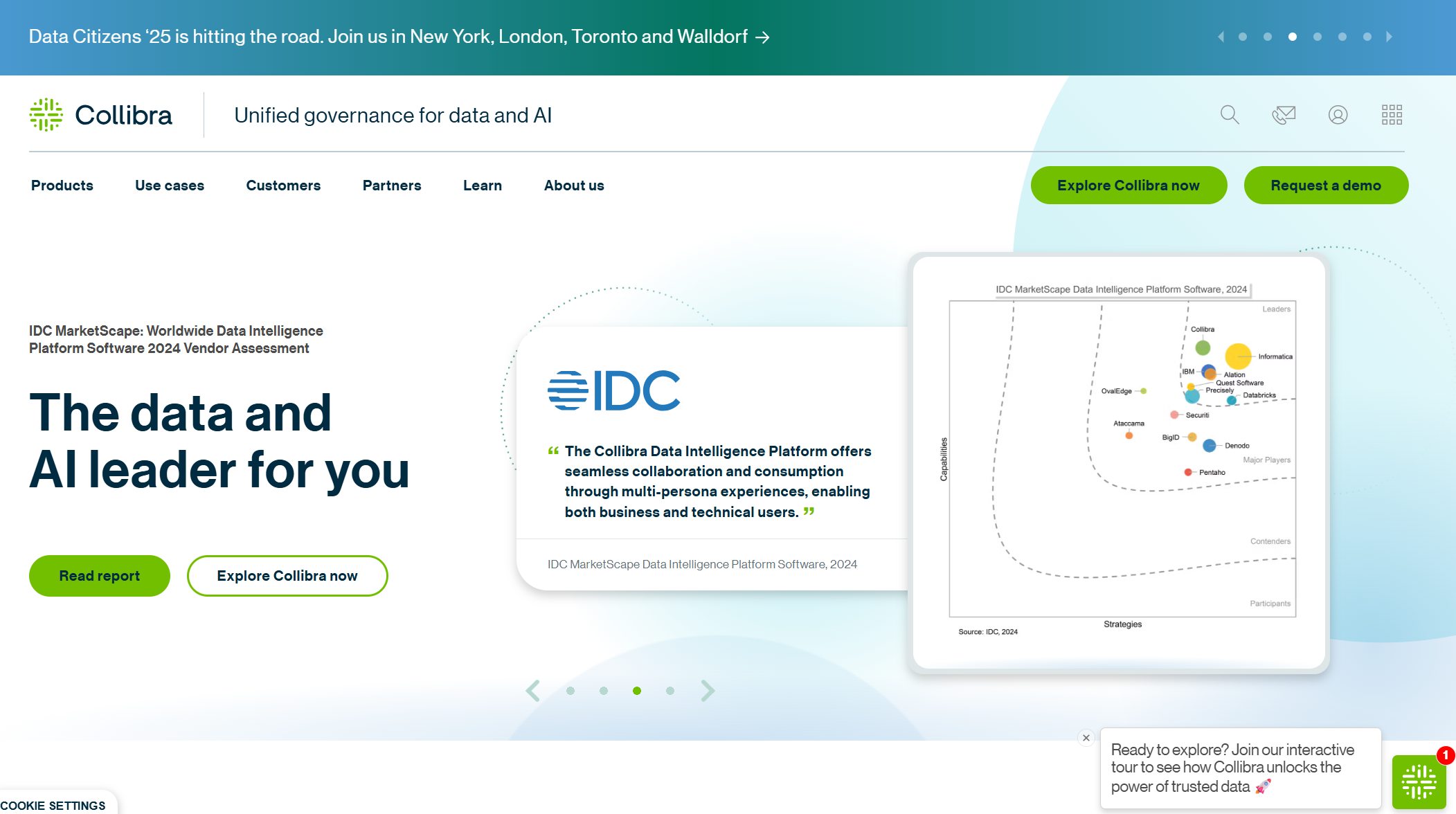
Collibra
One-sentence overview: Collibra is a mature enterprise data governance platform built for formal governance operating models, policy control, stewardship, and broad metadata visibility.
Key Features:
Business glossary and catalog
Stewardship workflows
Policy and governance process management
Data lineage
Data quality and privacy extensions
Role-based governance structures
Pros & Cons:
Pros:
Strong governance depth for complex organizations
Well-suited to regulated industries
Good support for formal stewardship and accountability models
Broad recognition in enterprise buying cycles
Cons:
Can be expensive and implementation-heavy
May require significant operating-model design before value is realized
Adoption can suffer if business users find the experience too process-centric
Best For (Target user/scenario):
Large enterprises
Organizations with mature governance offices
Teams with high regulatory complexity
Companies needing centralized or federated governance at scale
Where it stands out: Collibra is strongest when governance is a formal cross-functional program, not just a catalog initiative.
Main trade-off: You gain rigor and structure, but often at the cost of longer rollout cycles and higher overhead.
Platform 2: Best for analytics-focused organizations
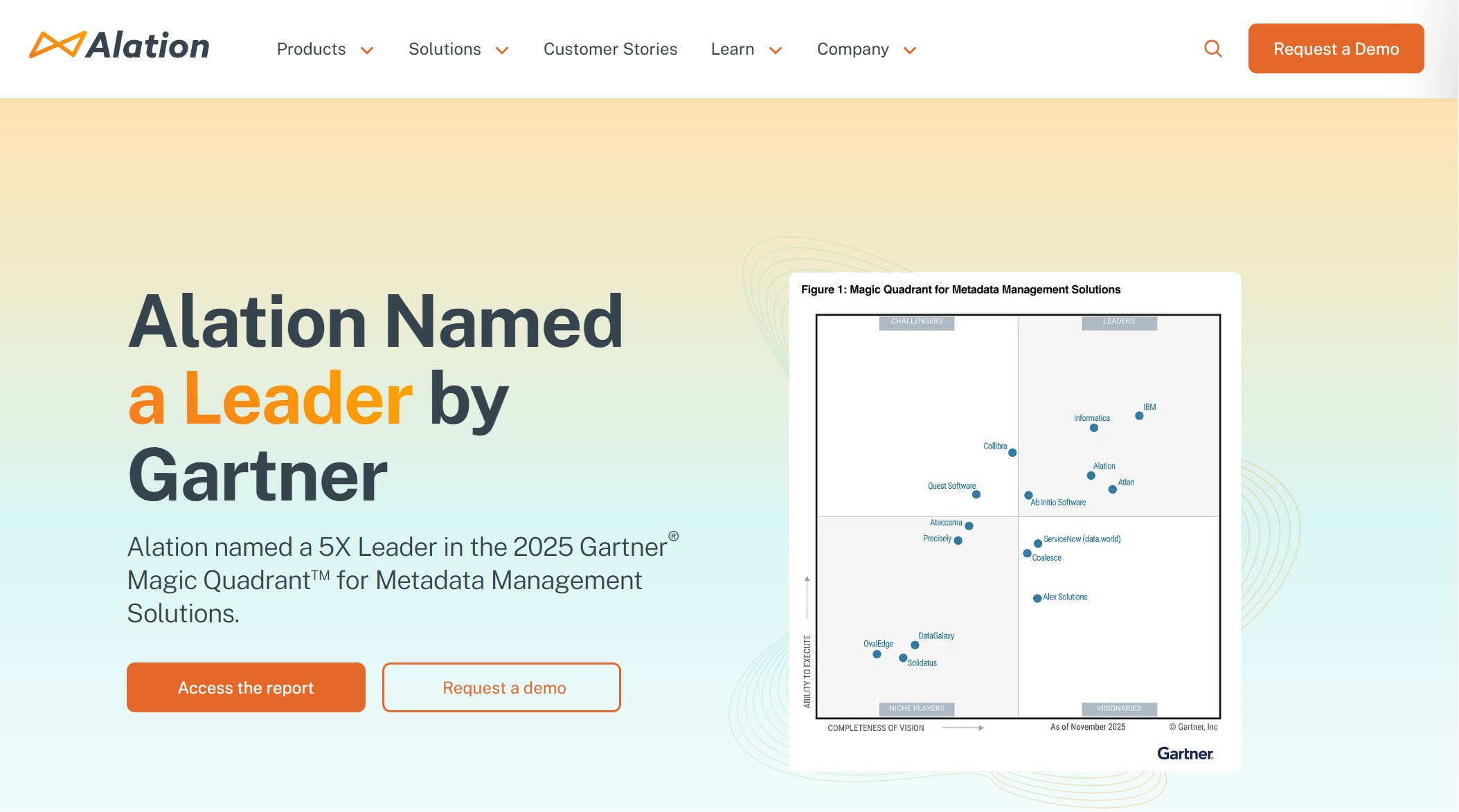
Alation
One-sentence overview: Alation is a data intelligence and catalog platform known for making data discovery, search, and business context more accessible to analytics users.
Key Features:
Data catalog and search
Business glossary
Usage signals and trust indicators
Lineage support
Collaboration and documentation tools
Policy-related governance capabilities
Pros & Cons:
Pros:
Strong user experience for analysts and business teams
Effective for improving discoverability and shared definitions
Often easier to position as a productivity tool, not just governance software
Cons:
Some organizations may want deeper governance workflow rigor
Full governance outcomes still depend on internal ownership and process discipline
Pricing and packaging can require careful review
Best For (Target user/scenario):
Analytics-heavy organizations
BI teams focused on report trust and metric consistency
Companies prioritizing discovery, lineage, and reporting confidence
Mid-sized and enterprise teams seeking broad adoption
Where it stands out: Alation is especially effective when governance is tied closely to analytics enablement.
Main trade-off: It can be easier to adopt than heavier governance suites, but highly regulated teams may want deeper operational controls.
Platform 3: Best for fast-growing mid-market teams
Atlan
One-sentence overview: Atlan is a modern data governance platform centered on active metadata, collaboration, and cloud-first usability for data teams moving quickly.
Key Features:
Modern data catalog
Active metadata and automation
Lineage and context sharing
Collaboration workflows
Business glossary support
Integrations for modern cloud data stacks
Pros & Cons:
Pros:
Strong user experience and modern interface
Often faster to roll out than traditional enterprise suites
Good fit for collaborative data teams
Works well in cloud-native environments
Cons:
Buyers in highly regulated industries should validate workflow depth carefully
Enterprise-wide standardization needs may require more design work
Custom pricing may be less transparent for smaller teams
Best For (Target user/scenario):
Fast-growing mid-market companies
Modern data teams using cloud warehouses and BI tools
Organizations needing governance without heavy overhead
Teams prioritizing speed, collaboration, and metadata visibility
Where it stands out: Atlan is appealing when time to value and user adoption are major buying priorities.
Main trade-off: It is often easier to love in demos, but enterprises with extensive compliance demands should test governance workflows in real scenarios.
Platforms 4–7: Where each option stands out
Informatica IDMC
One-sentence overview: Informatica IDMC is a broad data management suite that combines governance with cataloging, quality, integration, and master data capabilities.
Key Features:
Data catalog
Data quality
Lineage
Privacy and access-related governance
MDM alignment
Broad enterprise integrations
Pros & Cons:
Pros:
Strong breadth across governance and adjacent data management needs
Good fit for complex enterprise ecosystems
Particularly compelling for existing Informatica customers
Cons:
May be more platform than some teams need
Complexity can increase implementation effort
Can require more training and specialized administration
Best For (Target user/scenario):
Large enterprises
Organizations already invested in Informatica
Teams that want governance tied to quality, integration, and MDM
When to shortlist: If you want one strategic vendor spanning multiple data management disciplines.
When to rule it out: If your primary need is a lightweight, business-friendly governance layer with fast rollout.
Microsoft Purview
One-sentence overview: Microsoft Purview is a governance and compliance platform that fits naturally into Microsoft and Azure-centric data environments.
Key Features:
Integration with Microsoft security and cloud services
Unified governance experience across Microsoft ecosystems
Pros & Cons:
Pros:
Strong architectural fit for Microsoft-heavy organizations
Useful for cloud governance and classification use cases
Can simplify governance where Azure, Power BI, and Microsoft security tools are already in place
Cons:
Value is strongest inside the Microsoft ecosystem
Less attractive if your stack is highly mixed or non-Microsoft
Some organizations may want deeper stewardship workflows
Best For (Target user/scenario):
Mid-market and enterprise Microsoft customers
Azure-first organizations
Teams combining compliance, cataloging, and cloud governance
When to shortlist: If Microsoft is already a strategic platform across your data estate.
When to rule it out: If you need broad neutrality across many non-Microsoft tools and deeper standalone governance workflows.
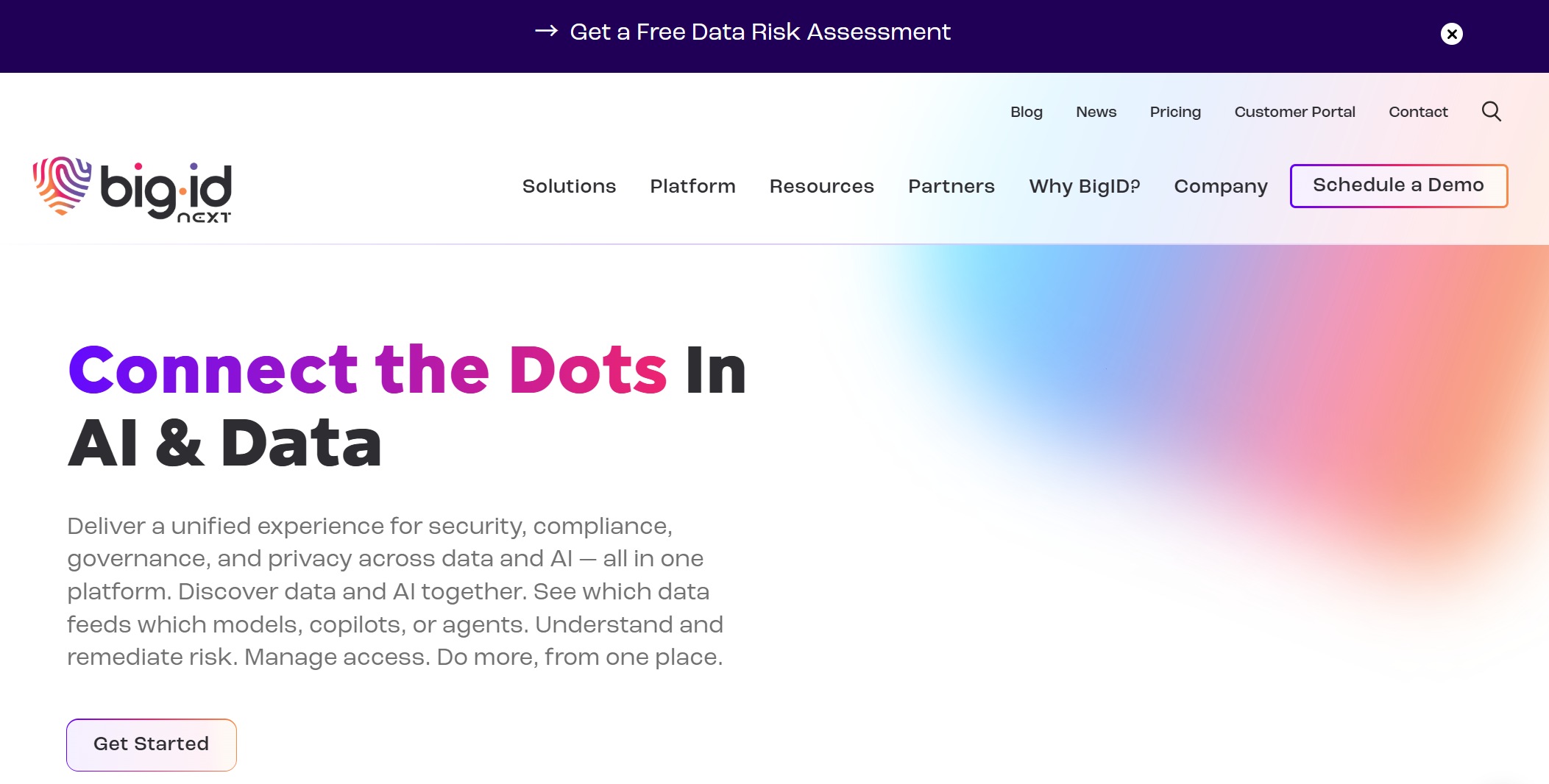
BigID
One-sentence overview: BigID is a data governance platform with a strong emphasis on sensitive data discovery, privacy, security, and regulatory risk reduction.
Key Features:
Useful for identifying regulated and sensitive data at scale
Well-suited to organizations with heavy compliance obligations
Cons:
Less oriented toward broad business glossary and catalog adoption than some alternatives
Analytics-centric teams may need complementary tools
May not be the best standalone choice for collaborative governance programs
Best For (Target user/scenario):
Compliance-heavy enterprises
Privacy, legal, and security stakeholders
Teams focused on regulated data visibility and risk management
When to shortlist: If privacy, classification, and risk are leading your governance business case.
When to rule it out: If your top priority is business-user adoption for analytics discovery and trust.
FineDataLink
One-sentence overview:FineDataLink is a practical data governance platform option for teams that need governed data movement, integration reliability, and better control across distributed systems.
Key Features:
Operational support for consistent, governed data delivery
Lower-friction support for teams standardizing data flows
Pros & Cons:
Pros:
Strong fit when governance depends on how data actually moves between systems
Helps reduce fragmentation across operational and analytics environments
Can support faster time to value for teams that need practical control, not just metadata documentation
Useful for organizations aligning governance with integration execution
Cons:
Not a direct replacement for every deep catalog-first enterprise governance suite
Buyers needing advanced standalone stewardship frameworks should assess fit carefully
Best value appears when integration governance is part of the requirement
Best For (Target user/scenario):
Teams managing complex cross-system data flows
Mid-market organizations that need governance with less overhead
Companies improving data reliability before scaling broader governance programs
Organizations that want a more operational path to trusted data
Where it stands out:FineDataLink is especially relevant when governance cannot be separated from integration quality, synchronization consistency, and end-to-end data delivery.
When to shortlist: If your governance problems are tied to fragmented pipelines, inconsistent movement of data, or weak control across systems.
When to rule it out: If you only want a pure-play catalog-led governance workspace and have no major integration governance challenge.
How to choose the right data governance platform for your team
The best data governance platform depends less on market visibility and more on your team’s operating model, maturity, and constraints.
For small teams with limited governance resources
Small teams should prioritize tools that minimize setup burden and ongoing administration.
Look for:
Easy adoption for non-specialists
Built-in automation
Clear interface for cataloging and ownership
Low dependency on consultants
Fast onboarding across a limited set of systems
In many cases, a simpler platform with good integrations beats a heavyweight suite that will be underused. If your immediate need is controlling data movement and reducing operational inconsistency, FineDataLink can be a practical option because it supports governance in the flow of data itself, not just in documentation layers.
For mid-sized teams balancing control and speed
Mid-sized organizations often need more governance discipline without sacrificing agility.
Prioritize:
Flexible workflows
Cross-functional collaboration between data, analytics, and business teams
Scalable metadata management
Good lineage visibility
Usability strong enough to drive adoption across domains
This is where platforms like Atlan, Alation, Microsoft Purview, and FineDataLink often fit well, depending on whether your emphasis is cataloging, analytics trust, stack alignment, or governed integration.
For large enterprises with complex requirements
Large enterprises should evaluate platforms through the lens of governance operating model maturity.
Focus on:
Policy standardization
Federated governance support
Advanced lineage
Broad integration coverage
Role clarity across stewards, custodians, and domain owners
Auditability and compliance evidence
Scalability across business units and regions
In this segment, Collibra, Informatica IDMC, Microsoft Purview, and BigID often come up most often, with the right choice depending on whether the priority is governance workflow depth, suite breadth, Microsoft ecosystem alignment, or privacy risk management.
Common trade-offs buyers should weigh before deciding the data governance platform
Every data governance platform involves compromise. The goal is not to avoid trade-offs, but to choose the right ones deliberately.
Breadth of features vs. simplicity of rollout
Broader platforms may cover more governance scenarios, but they usually require:
Longer onboarding
More stakeholder alignment
More implementation services
More internal process definition
Simpler tools may deliver value faster, but could leave gaps if your governance program becomes more formal over time.
Governance rigor vs. day-to-day usability
A platform can be excellent for control and still fail if business users avoid it.
Ask:
Will analysts use the catalog?
Will stewards keep workflows updated?
Can non-technical users understand lineage and definitions?
Does governance fit into daily work, or feel like separate overhead?
The best data governance platform is one people actually use consistently.
Built-in capabilities vs. custom configuration
Some platforms offer strong out-of-the-box governance structures. Others are more flexible but require greater design effort.
Consider whether your team has the capacity to configure:
Roles and responsibilities
Approval flows
Policy models
Data domains
Certification workflows
Integration mappings
If not, a more opinionated platform may be the safer choice.
Short-term budget fit vs. long-term platform scalability
A cheaper starting point is not always the lower-cost long-term option.
Review:
License expansion costs
Connector charges
Services dependency
Admin and maintenance load
Training and enablement needs
Cost of replacing the tool later
TCO matters more than headline pricing.
Final shortlist framework and next steps for data governance platform
Once you narrow the market, move from broad comparison to scenario-based validation.
1. Narrow the list based on your must-haves
Create a shortlist using these filters:
Required integrations
Governance priorities
Team capacity
Regulatory demands
Deployment preferences
Budget and operating model fit
If governed data movement is central to your use case, make sure FineDataLink is on the shortlist alongside more catalog-centric tools.
2. Run a proof of concept
A proof of concept should validate real workflows, not just product navigation.
Test:
Catalog usability
Stewardship assignment
Lineage visibility
Policy enforcement logic
Reporting trust signals
Integration reliability
Accuracy of metadata and operational visibility
This is also the best way to see whether the platform fits your actual users, not just your architecture diagrams.
3. Build a decision matrix
Use a weighted matrix to compare options across:
Product fit
Implementation risk
User adoption potential
Governance depth
Integration strength
Time to value
Total cost of ownership
Expected business value
A structured scorecard helps prevent buying based on feature volume or brand familiarity alone.
4. Match the platform to your governance stage
As a final check, align your choice to current maturity:
Early-stage governance: prioritize usability, automation, and quick wins
Scaling governance: prioritize cross-functional workflows and metadata scalability
The best data governance platform is the one that fits your governance goals, technical stack, and team capacity without creating more process than your organization can sustain.
For formal enterprise governance, Collibra remains a strong choice. For analytics-led trust and discoverability, Alation is compelling. For fast-growing cloud data teams, Atlan offers strong usability. For suite breadth, Informatica IDMC is a serious contender. For Microsoft-aligned environments, Purview makes sense. For privacy-led governance, BigID is highly relevant. And for teams that need practical governance tied directly to data movement and cross-system consistency, FineDataLink deserves close consideration.
If you are evaluating a data governance platform this quarter, start with your real bottleneck: policy control, analytics trust, privacy compliance, or governed data delivery. That single choice will usually tell you which two or three platforms are actually worth your time.
FAQs
A data governance platform helps organizations define, monitor, and enforce how data is cataloged, accessed, trusted, and used. Companies use it to improve data quality, support compliance, reduce risk, and make data easier for teams to find and trust.
Start with your main goal, such as compliance, analytics trust, privacy, or governed data movement. Then compare platforms on core capabilities, deployment effort, integration fit, total cost, and how quickly your teams can get value.
Enterprise teams often shortlist Collibra, Informatica IDMC, BigID, and Microsoft Purview because they support scale, compliance, and broader integration needs. The best choice depends on whether you need formal governance workflows, privacy controls, or alignment with an existing vendor ecosystem.
The most important features usually include data cataloging, lineage, policy management, stewardship workflows, access controls, and support for sensitive data handling. Strong platforms connect these capabilities so teams can manage trust, ownership, and compliance in one place.
No, smaller and mid-market teams can also benefit, especially when they need clearer ownership, better data discovery, and less manual governance work. Lighter-weight options or platforms with faster time to value are often a better fit for growing teams.
Product Trial
FineReport
Pixel-perfect reports · Interactive dashboards · Easy data entry · Digital twins


 Key Features:
 Key Features:
 Key Features:
 Key Features:
 Key Features:
 Key Features:
 Key Features: