A data intelligence platform is a software layer that helps organizations discover, understand, govern, and activate trusted data across analytics, AI, and business operations.
11 tools compared: features, pros, cons, and best fit
1. FineBI
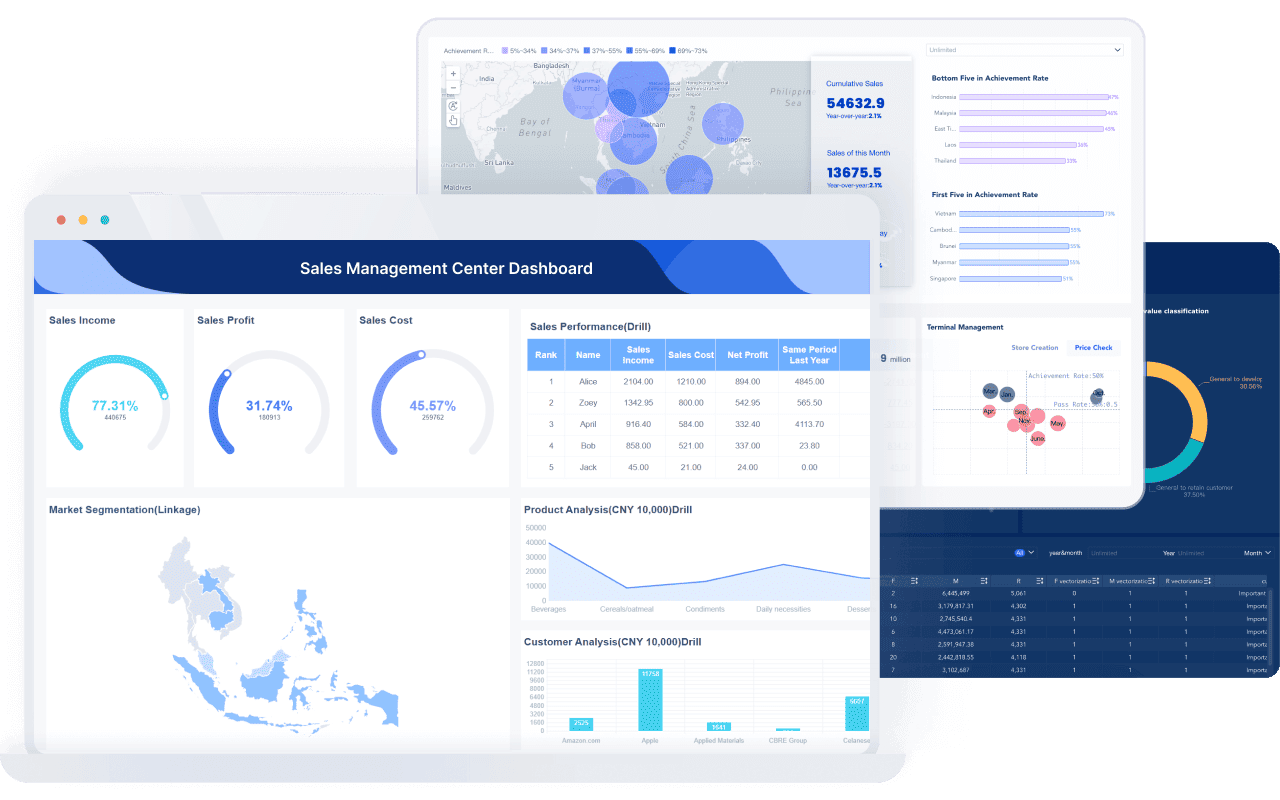
One-sentence overview:FineBI is a self-service business intelligence and analytics platform that overlaps with data intelligence by combining governed data access, reusable semantic modeling, and fast dashboard-driven analysis for business teams.
Key Features:
Faster time to value than many governance-heavy platforms
Good balance between centralized control and self-service
Well suited for operational reporting and enterprise dashboarding
Cons:
Not as lineage-centric as dedicated enterprise catalog platforms
Advanced governance depth may require pairing with broader data management processes
AI metadata automation is less central than in some catalog-first tools
Best For (Target user/scenario): Organizations that want practical, scalable analytics with enough governance to support trusted decision-making, especially teams prioritizing self-service BI and fast adoption.
FineBI stands out because many buyers looking for a data intelligence platform are not only trying to catalog data—they also need people to actually use it. That is where FineBI is especially relevant. It gives business teams a governed environment for discovery, reporting, and analysis without forcing every request through engineering. For companies that want measurable adoption, shorter rollout cycles, and strong business-facing analytics, FineBI is one of the most pragmatic choices in the 2026 market.
Unlike tools that focus primarily on metadata operations, FineBI is stronger on the consumption side of data intelligence. It helps teams move from trusted datasets to dashboards, drill-down analysis, and recurring decision workflows. That makes it particularly attractive for organizations that already understand their data challenges and now need a platform that can turn governed data into everyday business value. If your priority is not just documenting data but making it usable across finance, sales, operations, and management, FineBI deserves a place near the top of your shortlist.
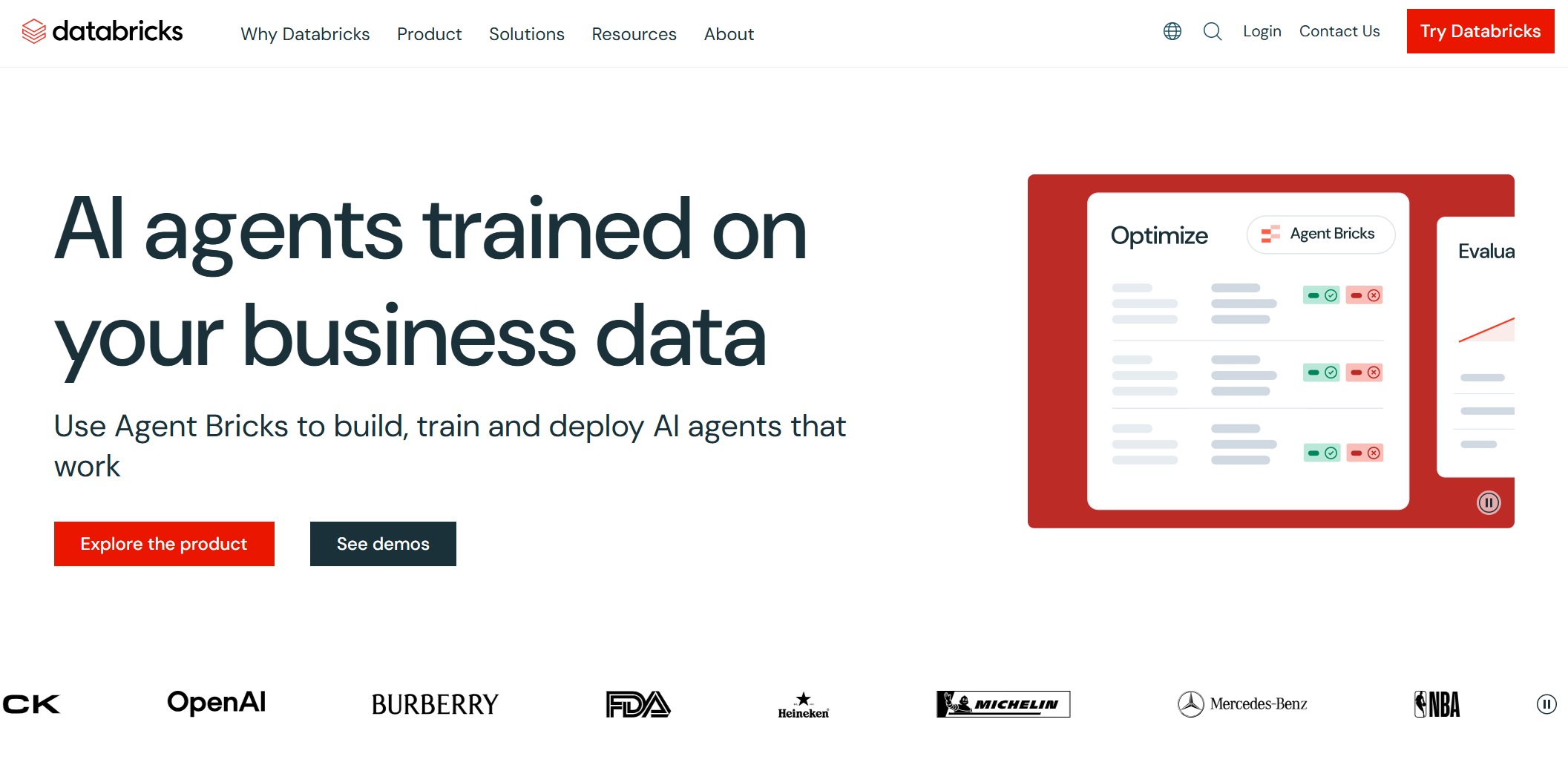
One-sentence overview: Databricks IQ extends the Databricks Data Intelligence Platform with AI-assisted analytics, conversational experiences, and semantic understanding aimed at accelerating insight generation.
Key Features:
Natural language querying and conversational analytics
AI-assisted dashboarding and insight generation
Tight integration with lakehouse architecture
Unified environment for data engineering, analytics, and AI workloads
Powerful for organizations unifying data, analytics, and AI on one platform
Supports advanced technical and enterprise-scale use cases
Cons:
Platform complexity can be high for non-technical organizations
Rollout effort may be significant
Total cost can rise quickly with scale and broad usage
Best For (Target user/scenario): Organizations already invested in the Databricks ecosystem and looking to add AI-driven analytics and conversational exploration on top of their lakehouse strategy.
Databricks IQ is one of the most visible entrants in the current data intelligence platform conversation because it connects intelligence, AI, and analytics in one environment. Its core appeal is not just cataloging metadata or enforcing policy, but helping users ask better questions faster. For teams already running pipelines, notebooks, and analytics inside Databricks, that native experience can reduce friction.
The trade-off is that Databricks remains a substantial platform rather than a lightweight adoption play. Technical maturity helps. Companies with strong platform engineering teams often get more value from Databricks IQ than organizations seeking a simple business-led rollout. In short, it is compelling for AI-forward enterprises, but not always the shortest path to broad business self-service.
3. Actian Data Intelligence
One-sentence overview: Actian Data Intelligence is an enterprise-oriented platform focused on metadata management, governance, lineage, observability, and broad data estate visibility.
Support for compliance and enterprise-scale oversight
Pros & Cons:
Pros:
Strong governance and metadata depth
Good fit for regulated and complex enterprises
Mature features for stewardship and compliance
Broad estate coverage across enterprise environments
Cons:
Implementation may require sustained organizational effort
Feature richness can create adoption complexity
Business users may need enablement for full value realization
Best For (Target user/scenario): Large organizations that need control, compliance, metadata visibility, and governed data access across diverse systems.
Actian Data Intelligence is best understood as a governance-first data intelligence platform. It is built for environments where ownership, policy enforcement, and trust matter as much as speed. That makes it appealing to data leaders in financial services, healthcare, public sector, and other audit-heavy sectors.
Its strength is depth. Its challenge is that depth requires process maturity. If your organization lacks clearly defined owners, stewardship responsibilities, or governance operating models, implementation can take longer than expected. But for enterprises that need defensible controls and estate-wide visibility, Actian is one of the stronger fits in 2026.
4. DDN Data Intelligence Platform
One-sentence overview: DDN Data Intelligence Platform is designed for high-performance, data-intensive environments that require infrastructure-aware intelligence, fast throughput, and large-scale AI data handling.
Best For (Target user/scenario): Organizations running data-intensive, performance-sensitive, or AI infrastructure-heavy workloads that need intelligence built close to the storage and compute layer.
DDN is different from most tools on this list because its definition of data intelligence is deeply tied to infrastructure performance. It is not primarily about dashboard usability or catalog-first business discovery. Instead, it addresses environments where AI pipelines, GPU utilization, and large-scale data movement are the core priorities.
That makes it highly relevant for research, autonomous systems, large model training, and enterprise AI infrastructure teams. For general business intelligence buyers, however, it may be too specialized. DDN is strongest when the problem is not “How do more people find trusted dashboards?” but “How do we keep high-scale AI data pipelines fast, efficient, and governed?”
5. Alation
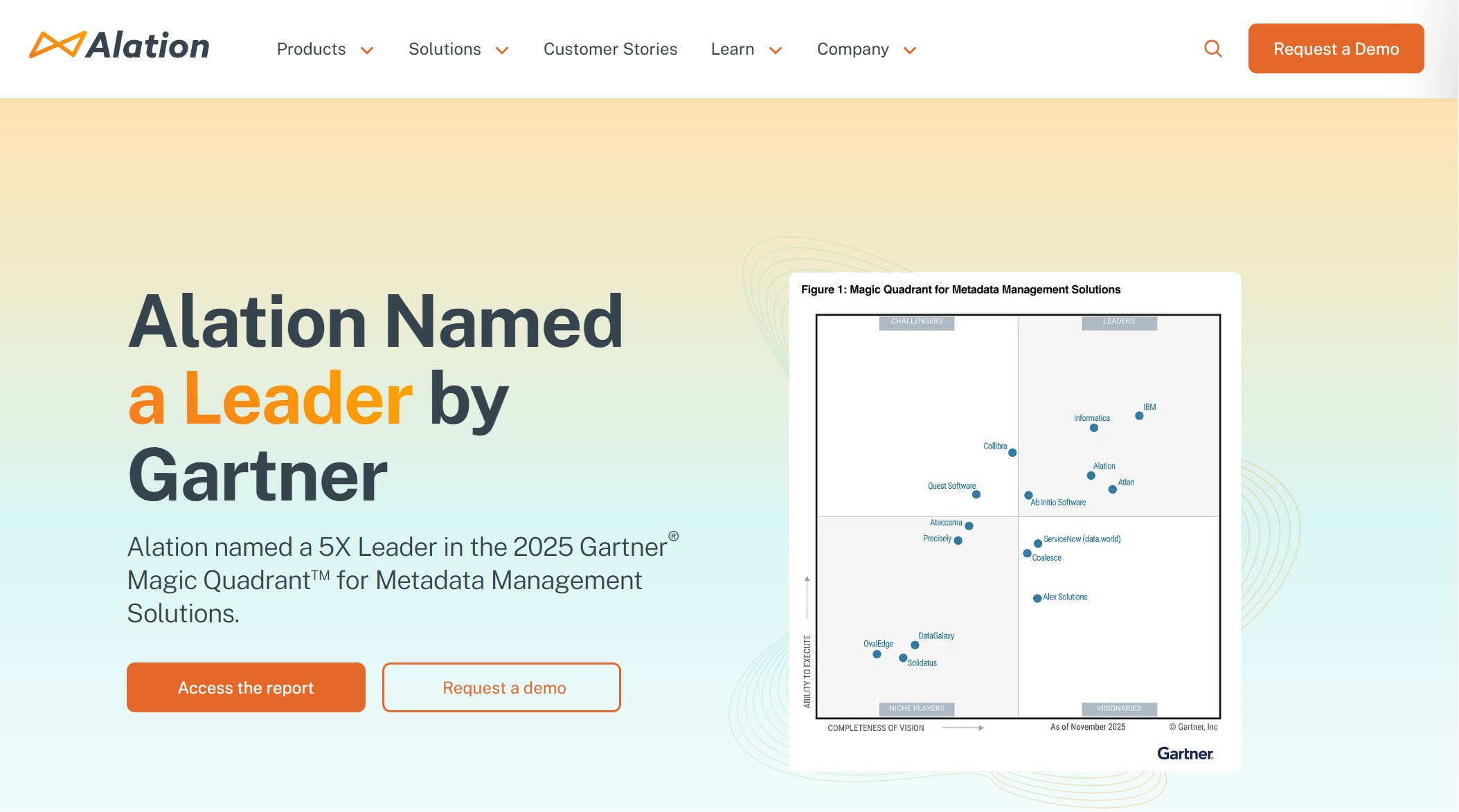
One-sentence overview: Alation is a widely adopted enterprise data catalog platform that emphasizes search, stewardship, metadata intelligence, and governed data discovery.
Key Features:
Trust flags, certification, and collaboration features
Integrations with common BI and data stack tools
Pros & Cons:
Pros:
Strong catalog usability
Good business glossary and stewardship experience
Mature ecosystem and enterprise credibility
Useful for improving data discovery across large organizations
Cons:
Can require significant curation to stay valuable
Analytics execution is limited compared with BI-first tools
ROI depends heavily on adoption discipline
Best For (Target user/scenario): Enterprises that want to improve discoverability, documentation, and trust in distributed data environments.
Alation remains a leading option when the primary challenge is helping people find and understand data. It is less of an analytics consumption tool and more of a trust-and-context layer. Compared with FineBI, Alation is usually stronger in discovery governance and weaker in day-to-day dashboard execution.
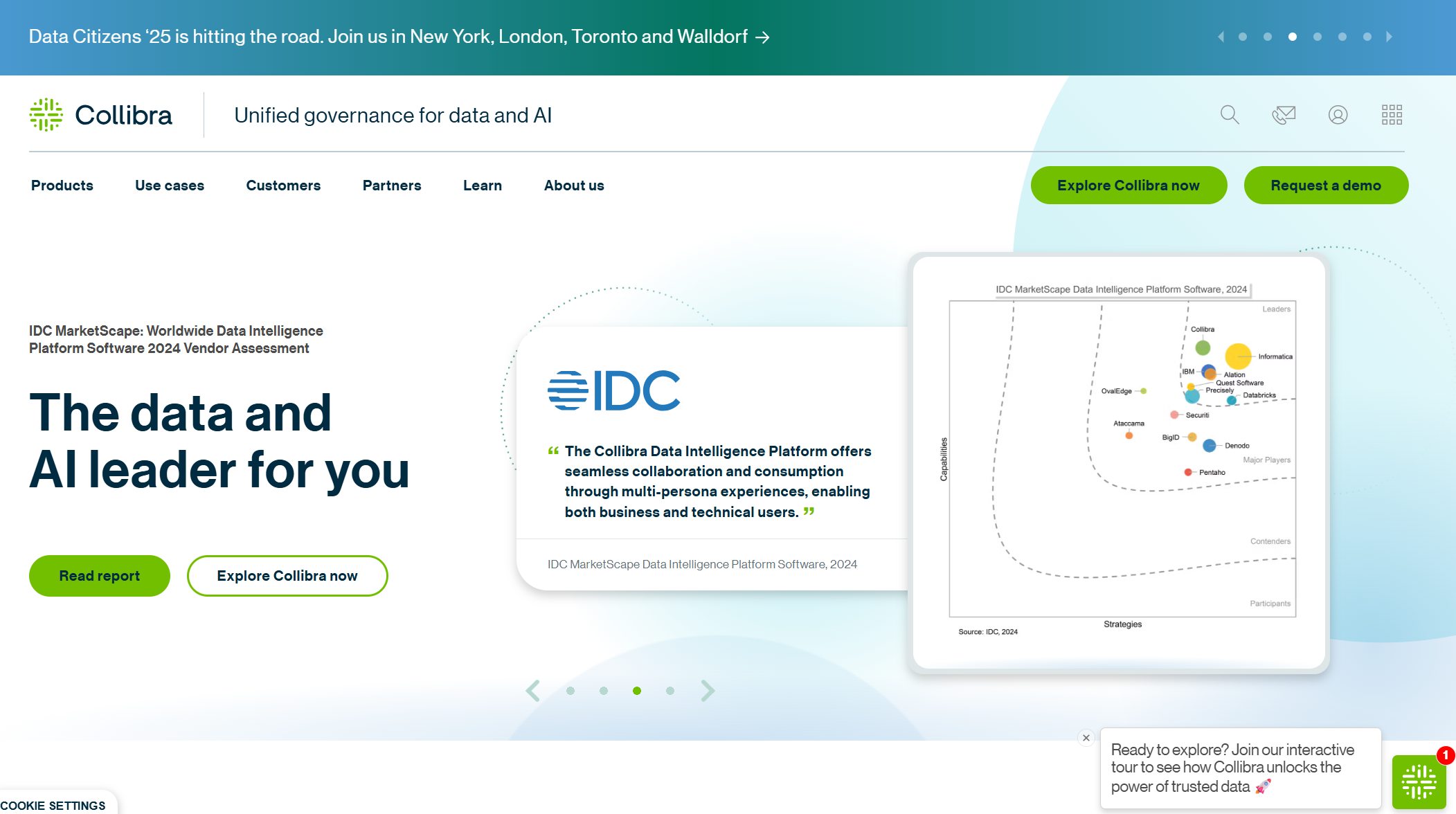
6. Collibra
One-sentence overview: Collibra is a governance-centric data intelligence platform known for policy management, lineage, data cataloging, and enterprise data stewardship.
Key Features:
Data catalog and business glossary
Governance operating model support
Lineage and impact analysis
Policy workflows and stewardship management
Data quality and compliance support
Broad enterprise integrations
Pros & Cons:
Pros:
Strong governance maturity
Suitable for complex regulatory environments
Flexible stewardship and policy workflows
Widely recognized in enterprise governance programs
Cons:
Can be heavyweight for smaller teams
Adoption outside governance functions may require extra effort
Time to value may lag simpler platforms
Best For (Target user/scenario): Large enterprises prioritizing governance, compliance, stewardship, and formal control frameworks.
Collibra is often shortlisted when governance is the primary buying trigger. It excels when organizations need structure, accountability, and repeatable policy enforcement. For users expecting a more direct analytics experience, though, it often works best alongside BI tools rather than instead of them.
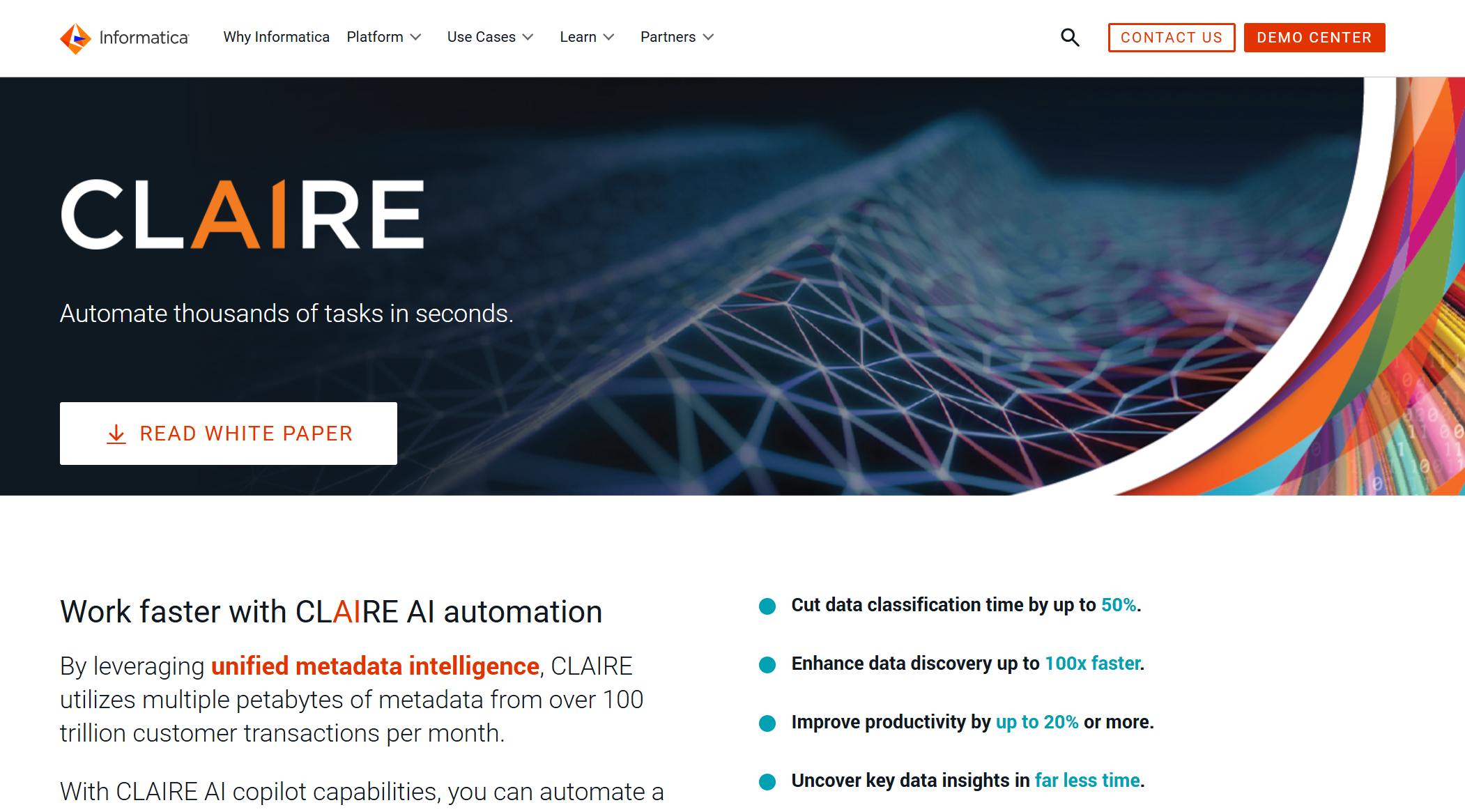
7. Informatica CLAIRE and IDMC
One-sentence overview: Informatica combines metadata intelligence, governance, integration, and AI assistance within its broader Intelligent Data Management Cloud ecosystem.
Key Features:
Good integration story across multiple data disciplines
Helpful for organizations standardizing on one strategic vendor
Cons:
Can be complex to navigate and license
May be more platform than some teams need
Best results often require structured implementation planning
Best For (Target user/scenario): Enterprises seeking an end-to-end data management and intelligence stack with strong integration and governance capabilities.
Informatica appeals to organizations that want data intelligence as part of a larger controlled data management program. Its advantage is breadth; its downside is operating complexity. It tends to fit mature enterprises better than fast-moving, lean teams.
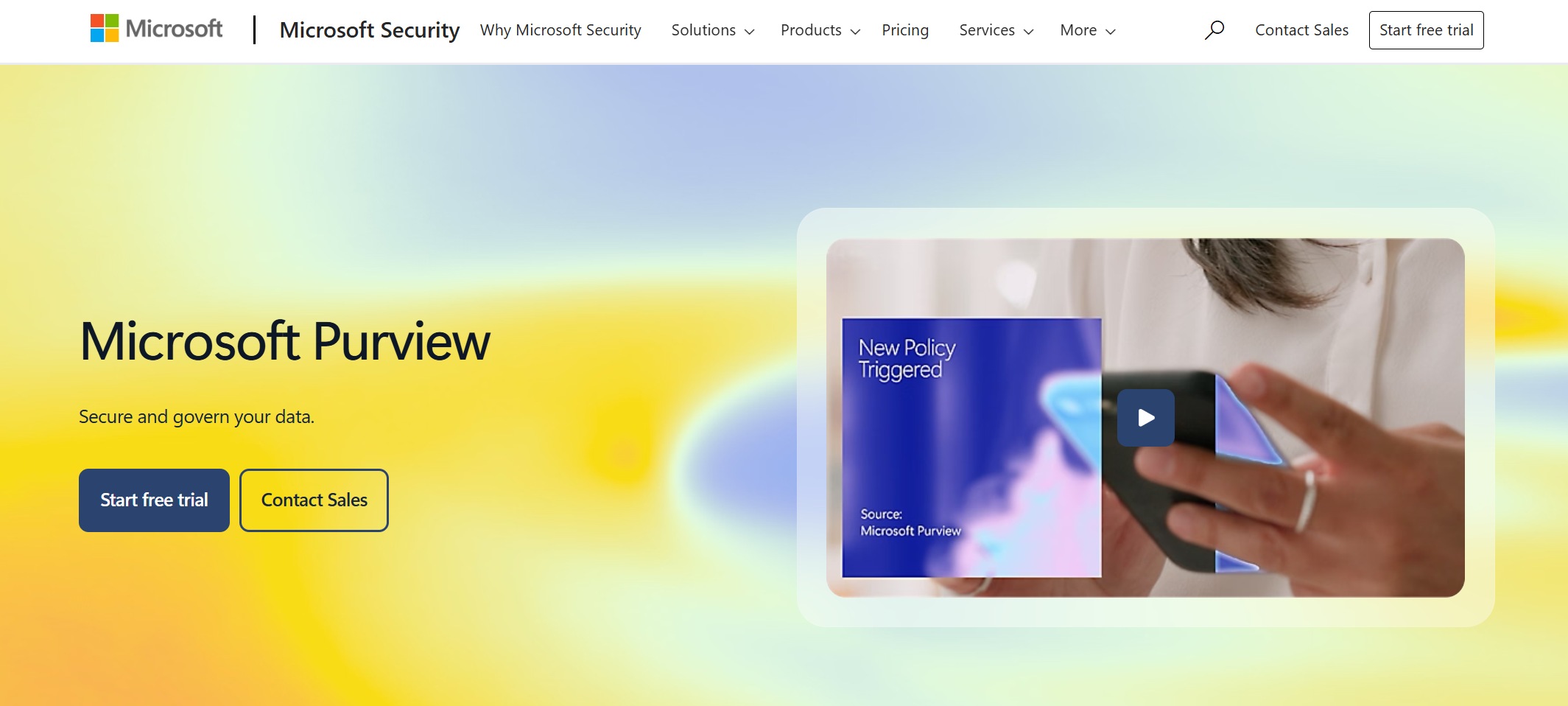
8. Microsoft Purview
One-sentence overview: Microsoft Purview is a unified governance and data intelligence offering focused on cataloging, lineage, compliance, and security visibility across Microsoft-centric environments.
Key Features:
Best value depends on Microsoft ecosystem commitment
User experience can vary by use case
Less compelling for organizations with highly heterogeneous stacks
Best For (Target user/scenario): Enterprises already standardized on Azure, Microsoft Fabric, and Microsoft security/governance tooling.
Purview is a practical option for buyers who value ecosystem alignment over best-of-breed specialization. It may not always be the most advanced standalone data intelligence platform, but it is often the easiest governance starting point for Microsoft-centric estates.
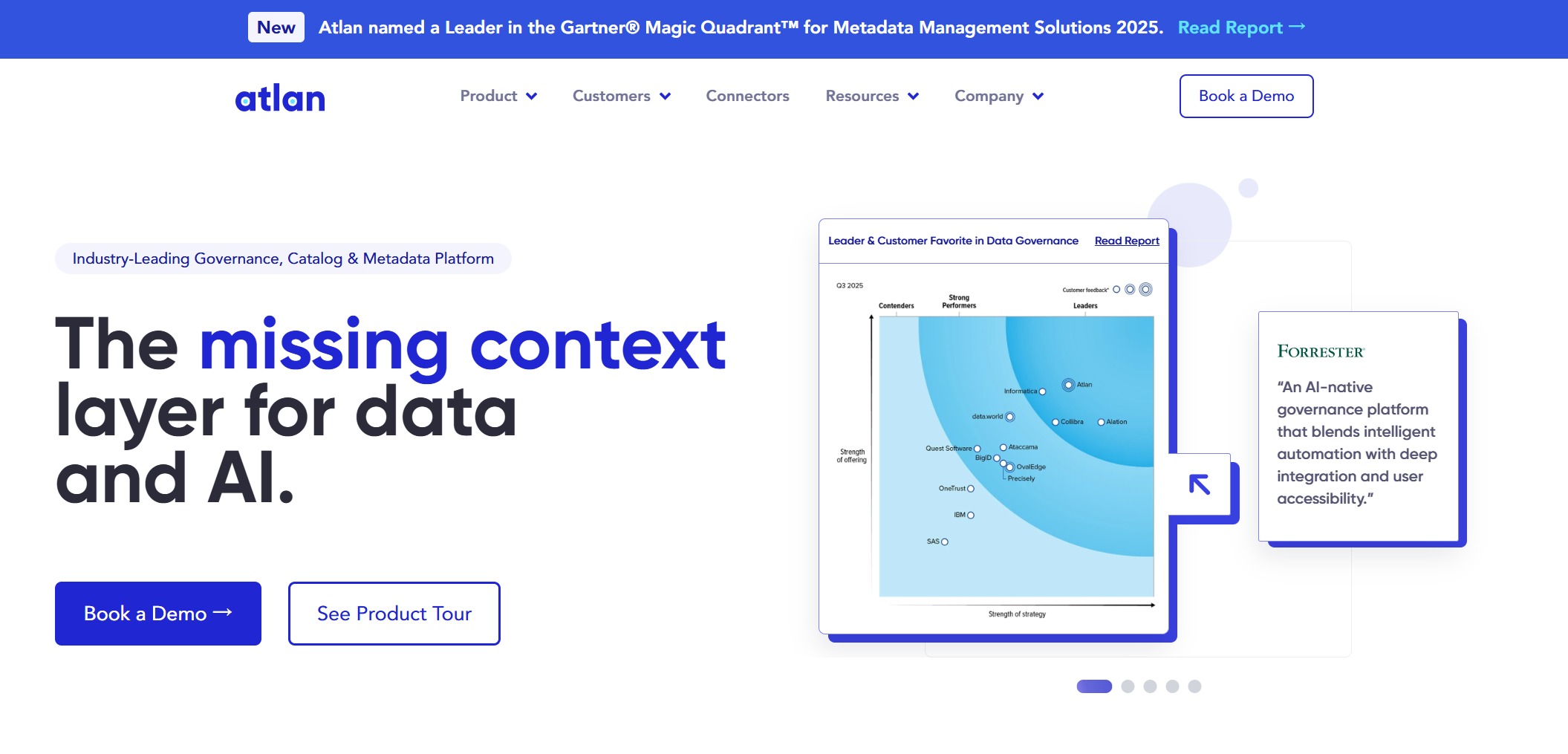
9. Atlan
One-sentence overview: Atlan is a modern data workspace that blends cataloging, collaboration, lineage, and active metadata for cloud-native data teams.
Key Features:
Active metadata and modern catalog UX
Lineage and asset discovery
Collaboration workflows for analysts and engineers
Integrations with modern cloud data stacks
Tagging, glossary, and governance features
API-first extensibility
Pros & Cons:
Pros:
Modern user experience
Strong fit for cloud-native teams
Good interoperability with modern data tools
Encourages cross-functional collaboration
Cons:
Enterprise governance depth may trail more traditional leaders
Long-term fit depends on governance maturity needs
Less ideal for highly rigid compliance-led programs
Best For (Target user/scenario): Modern data teams that want agile discovery, collaboration, and metadata operations in cloud-first environments.
Atlan is often attractive to teams that want a lighter, more collaborative approach to data intelligence. It is especially strong where analysts, engineers, and data product teams need to work together across a modern stack.
10. Qlik
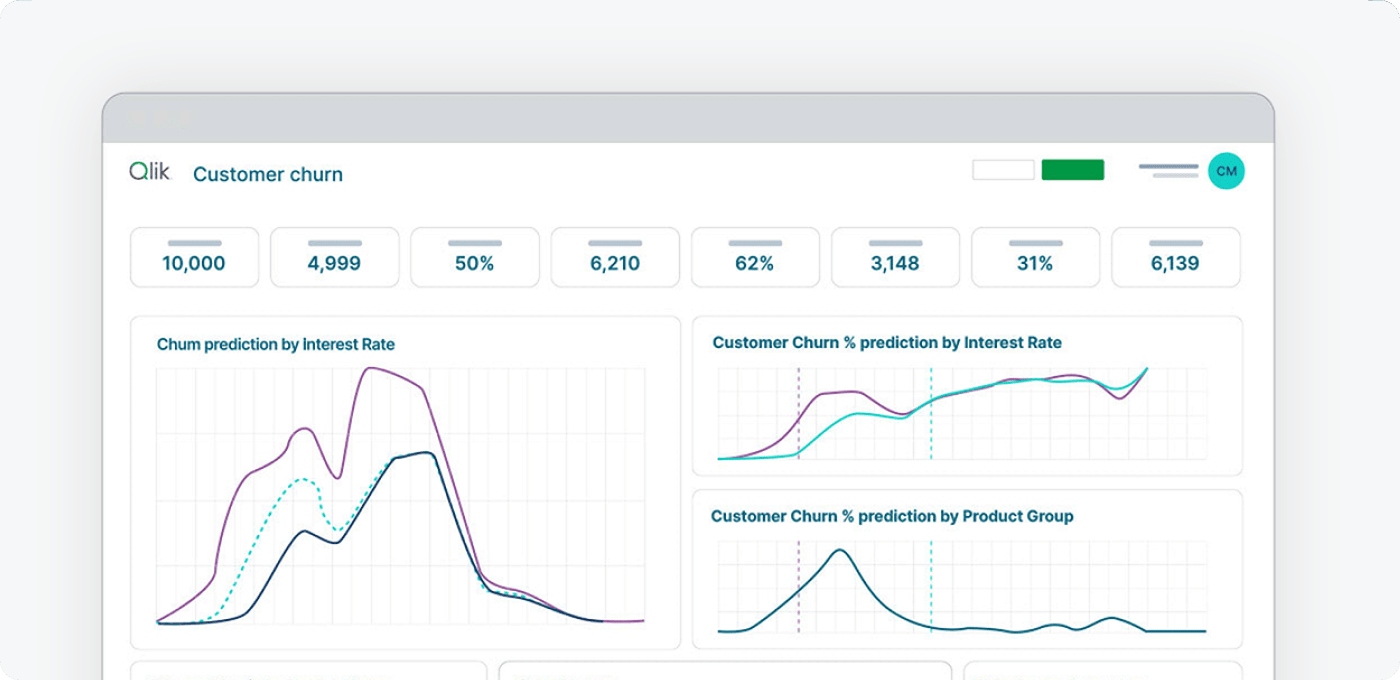
One-sentence overview: Qlik is an analytics platform with growing data intelligence overlap through cataloging, AI-assisted insights, integration, and governed self-service exploration.
Key Features:
Fit varies depending on metadata and stewardship needs
Best For (Target user/scenario): Organizations seeking a blended analytics and data intelligence approach, especially for self-service exploration and decision support.
Qlik sits in the overlap zone between analytics platforms and data intelligence platforms. It is stronger than classic BI on integration and governed exploration, but it is not always the first choice for organizations whose top priority is lineage-heavy governance.
11. Tableau
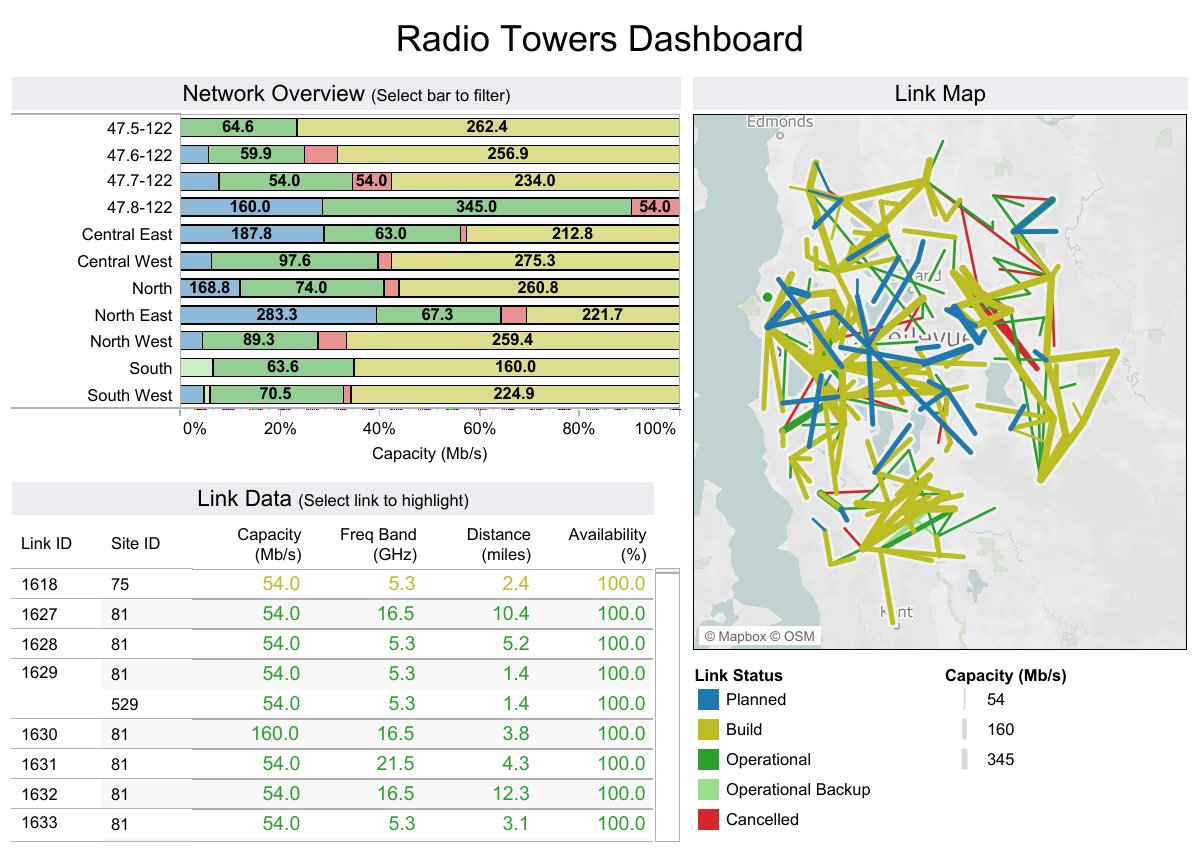
One-sentence overview: Tableau is a leading analytics and visualization platform that increasingly incorporates AI assistance and governed data access, but remains primarily BI-centric rather than a full data intelligence platform.
Key Features:
Interactive dashboards and visual analytics
Natural language and AI-assisted insights
Broad connector ecosystem
Semantic and metric layer support through the wider ecosystem
Often needs complementary catalog or governance tooling
Metadata intelligence depth is not its main strength
Best For (Target user/scenario): Organizations prioritizing visualization, dashboard adoption, and broad analytics access rather than deep metadata governance.
Tableau deserves inclusion because many buyers confuse BI leaders with true data intelligence platforms. It supports part of the outcome—making data useful—but usually does not replace a dedicated governance and metadata layer.
What to look for in a data intelligence platform in 2026
A modern data intelligence platform is not the same as a traditional BI tool, a basic data catalog, or a standalone governance product.
Traditional BI platforms focus on reports, dashboards, and visual exploration. They answer business questions well, but they do not always provide the deeper metadata context, lineage visibility, policy enforcement, and trust workflows required across the full data lifecycle.
A data catalog helps users find datasets and documentation, but many catalog-only tools stop short of operational governance, AI assistance, quality signals, or workflow-driven activation. A catalog may tell you what exists; a data intelligence platform should also help you assess whether it is trusted, permitted, and useful.
A standalone governance solution often emphasizes control, policy, and compliance. That is important, but it can become too narrow if users still struggle to discover, understand, and apply data in everyday analytics. The best platforms in 2026 combine context, governance, usability, and activation.
When evaluating vendors, these are the buying criteria that matter most:
Discovery: Can users quickly find relevant datasets, reports, metrics, and owners?
Lineage: Does the platform show where data came from, how it changed, and what downstream assets are affected?
Governance: Are policies, stewardship, classifications, and access controls built in or well integrated?
AI assistance: Does the tool improve productivity with natural language, recommendations, classification, or semantic understanding?
Integration depth: How well does it connect with warehouses, lakehouses, BI tools, transformation frameworks, security layers, and AI environments?
Scalability: Can it handle growing volumes, users, domains, and complex hybrid environments?
Time to value: How long does it take to deliver usable results, not just configure metadata?
Different teams benefit in different ways:
Data leaders need visibility, trust, and measurable adoption.
Analysts need faster discovery and easier access to governed data.
Governance teams need policy enforcement, lineage, and auditability.
Data engineers need operational context, impact analysis, and integration with pipelines.
Business stakeholders need trusted answers without navigating technical complexity.
That mix of stakeholders is why platform fit matters more than category labels. A tool may be impressive in governance yet weak in daily business usage, or excellent in analytics but shallow in compliance. The right choice depends on which gap is most urgent.
Pros, cons, and trade-offs by use case
Best for enterprise governance and compliance
If your top priority is governance, the strongest options are usually Collibra, Actian Data Intelligence, Informatica, and in Microsoft-centric estates, Microsoft Purview.
Trade-off: Governance-first platforms are often slower to roll out and may require stronger operating discipline. If business adoption is weak, the platform can become an administrative layer rather than a productivity engine.
Best for AI-driven analytics and faster insights
For organizations focused on natural language querying, recommendation engines, semantic understanding, and productivity acceleration, Databricks IQ and, in analytics-led environments, Qlik, Tableau, and FineBI are strong options.
Trade-off: Some AI-driven analytics platforms are not as strong in governance depth as enterprise catalog leaders. Others, such as Databricks IQ, may require a technically mature environment to unlock full value.
Best for modern data stacks and cloud-native teams
For cloud-native organizations using warehouses, lakehouses, transformation tools, orchestration platforms, and modern metadata workflows, Atlan, Databricks IQ, and sometimes Alation are strong contenders.
Look for strengths in:
Interoperability with warehouses and lakehouses
Compatibility with dbt, orchestration, and observability workflows
Active metadata and API extensibility
Collaboration between analysts and engineers
Trade-off: Modern stack tools often move fast on usability, but enterprise compliance depth can vary. Teams in regulated sectors should verify governance maturity before committing.
Best for complex or high-scale data environments
For organizations operating at significant scale, especially where performance and workload diversity matter, DDN Data Intelligence Platform, Databricks IQ, Informatica, and Actian can be compelling.
Key factors here include:
Performance under heavy workloads
Reliability across multiple data domains
Extensibility for long-term architecture changes
Support for hybrid or distributed environments
Ability to serve AI, analytics, and operational use cases together
Trade-off: High-scale platforms can come with higher rollout burden, steeper learning curves, and more demanding architecture decisions.
How to choose the right platform for your team
Start by matching platform capabilities to your primary goal.
If your biggest issue is governance and compliance, shortlist governance-led tools first. If your problem is data discovery and trust, prioritize catalog and metadata strength. If you need analytics acceleration, focus on platforms that combine governed access with self-service usage. If you care most about cost control and operational efficiency, pay close attention to rollout effort, infrastructure demands, and long-term operating burden.
Before shortlisting vendors, confirm integration requirements across:
Can your people realistically implement and operate it?
Use case urgency
Will it improve current bottlenecks within months, not years?
Integration fit
Does it work with your actual stack, not a theoretical future stack?
Adoption likelihood
Will analysts, stewards, and business users use it regularly?
Operating burden
How much administration, tuning, and governance overhead does it create?
ROI potential
Will gains in trust, speed, or compliance justify total cost?
For many mid-sized and enterprise teams, FineBI is worth serious consideration because it reduces a common failure point in data programs: strong control with weak usage. It gives organizations a more practical bridge between governed data and everyday decision-making. If your users need insights, not just metadata documentation, FineBI can be a more effective choice than governance-heavy tools alone.
Final verdict: which platform is best in 2026?
There is no single best data intelligence platform for every organization in 2026, but there are clear winners by scenario.
Best all-around option for business-facing analytics and practical adoption:FineBI
Best for AI-driven analytics in the Databricks ecosystem:Databricks IQ
Best for enterprise governance and metadata depth:Actian Data Intelligence and Collibra
Best for Microsoft-centered governance environments:Microsoft Purview
Best for modern cloud-native metadata collaboration:Atlan
Best for high-performance AI and infrastructure-heavy workloads:DDN Data Intelligence Platform
Best for broad enterprise data management alignment:Informatica
Best for discovery-led catalog initiatives:Alation
Choose an all-around platform if you need multiple capabilities working together and want to avoid stitching too many tools into one workflow. Choose a specialized solution if your biggest risk is clearly defined—for example, regulatory compliance, GPU-heavy AI performance, or a strict lakehouse standardization strategy.
The practical path forward is simple:
Define your primary use case.
Build a shortlist of 3 to 5 platforms.
Validate integrations early.
Run a proof of value with real users and real governance requirements.
Measure success by adoption, trust, and operational burden—not vendor claims.
If your organization wants a data intelligence platform that business teams can actually use at scale, FineBI should be on that shortlist. It is especially strong for companies that need governed self-service analytics, faster time to insight, and a more direct connection between trusted data and business action.
FAQs
A data intelligence platform helps organizations discover, understand, govern, and use trusted data across analytics, AI, and business operations. It typically combines cataloging, lineage, governance, quality signals, and activation features in one layer.
A traditional data platform stores and processes data, while a data intelligence platform adds context, governance, and trust on top of that data. In simple terms, one manages the data itself and the other helps people understand and safely use it.
Look for metadata cataloging, search and discovery, lineage, governance controls, data quality monitoring, and support for analytics or AI use cases. Ease of adoption, integrations, and business-user accessibility also matter when comparing tools.
FineBI is a strong option for teams that want self-service analytics with governed access to trusted data. It is especially useful when the goal is turning curated datasets into dashboards, reporting, and day-to-day business decisions.
Companies with growing data complexity, compliance demands, or AI initiatives often benefit the most. They are especially valuable for organizations that need both strong governance and faster access to reliable data across multiple teams.
Product Trial
FineReport
Pixel-perfect reports · Interactive dashboards · Easy data entry · Digital twins
See how Dora turns trusted BI data into chat-based answers, scheduled briefings, and automated follow-up — built for real enterprise workflows, not just chat.


 Key Features:
 Key Features:
 Key Features:
 Key Features:
 Key Features:
 Key Features:
 Key Features:
 Key Features:
 Key Features: