Choosing among regulatory reporting software vendors should not start and end with a feature matrix. In most regulated environments, the real question is not whether a platform can generate forms, validations, dashboards, or workflow steps. It is whether the vendor can support a controlled, auditable, scalable reporting operation over time.
For banks, finance teams, compliance leaders, and reporting operations managers, this distinction matters. Two vendors may appear similar in a demo, yet deliver very different outcomes once implementation begins. Differences in data integration, regulatory update handling, audit evidence, service quality, and governance discipline often drive the real cost and risk.
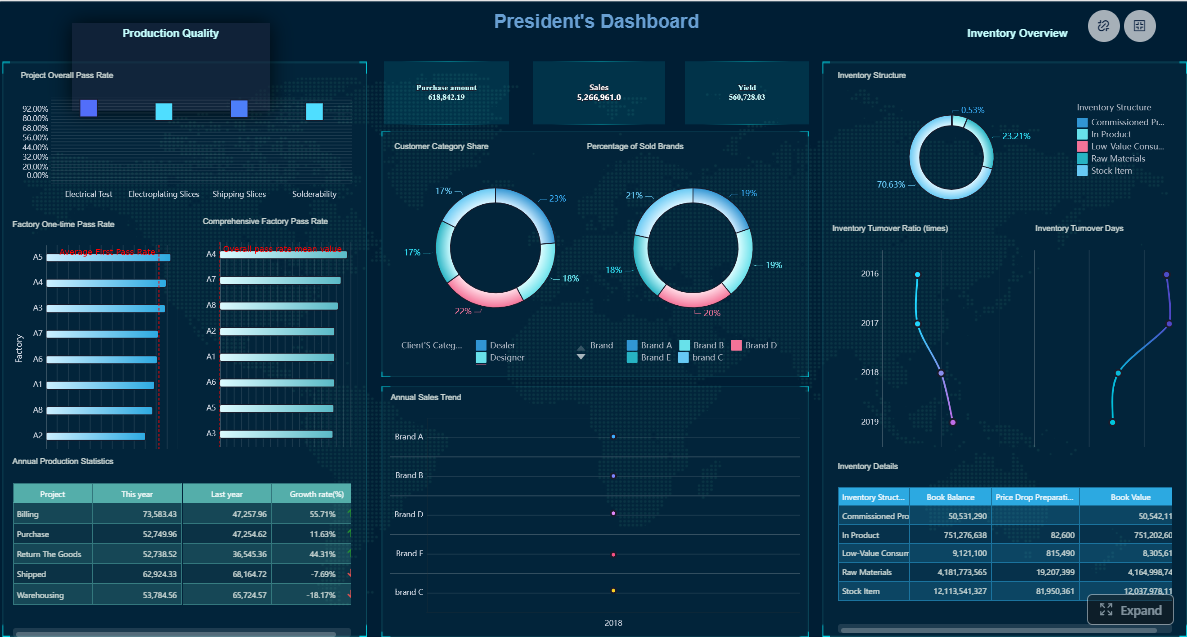
This is also where modern AI can create practical value. With FineReport + Dora, teams can ask for a report summary in chat, generate structured narratives from trusted report assets, receive scheduled briefings, and push exceptions to the right owner. Instead of relying only on manual report consumption, organizations can add an enterprise Data Agent layer on top of governed reporting assets.
Click To Try The Dashboard
All reports in this article are built with FineReport
Why regulatory reporting software vendors should be evaluated beyond feature checklists
Feature lists flatten important differences. Most vendors can claim support for templates, workflows, validations, approvals, and submission processes. What those lists rarely show is how the platform behaves under real operating conditions:
when reporting rules change unexpectedly
when source data is incomplete or inconsistent
when multiple teams need to review and approve filings
when auditors ask for evidence behind an adjustment
when a new legal entity or jurisdiction must be added quickly
This comparison framework is designed for organizations that need more than product marketing. That includes:
Banks and financial institutions managing recurring and high-risk filings
Finance teams responsible for submission timeliness and data integrity
Compliance leaders accountable for controls and regulator confidence
Reporting operations managers trying to reduce spreadsheet dependency
IT and data teams supporting integration, permissions, and governance
The goal is to compare platforms based on operational fit, audit readiness, scalability, and vendor reliability, not just on broad claims. In practice, the best regulatory reporting software vendor is often not the one with the longest feature sheet, but the one that best fits your control environment, reporting complexity, internal team maturity, and long-term compliance model.
The 10 criteria that matter most when comparing platforms
1. Regulatory coverage and update speed
A platform may support your current filings today, but the more important question is how well it keeps up with future regulatory change. Evaluate how quickly the vendor reflects rule changes, form revisions, taxonomies, jurisdiction-specific logic, and reporting deadlines.
Look closely at:
supported jurisdictions and filing types
how regulatory changes are monitored and released
whether updates are productized or treated as billable services
how customers are notified, tested, and trained on changes
A slow update cycle can create hidden compliance risk. If a vendor relies heavily on custom work for every change, ongoing maintenance can become costly and unpredictable.
Report Element: Regulatory change library Definition: The maintained set of supported rules, forms, formats, and updates across required jurisdictions. Business value: Reduces the burden of manually tracking and implementing changing reporting requirements. AI use:Dora can summarize recently updated reporting assets, explain which reports were affected, and push a scheduled briefing to filing owners.
2. Data integration, validation, and report preparation workflow
Reporting quality usually breaks down before form generation. It breaks down in source system extraction, data mapping, reconciliation, and exception resolution. That is why vendor evaluation should focus heavily on the end-to-end preparation workflow, not just the final report output.
Compare vendors on:
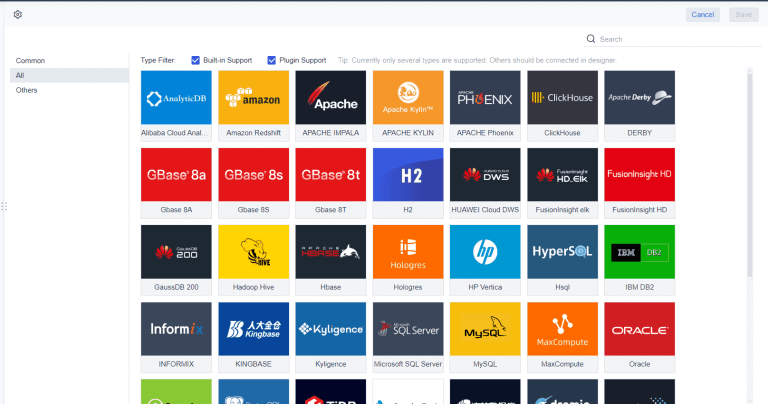
integration with core systems, ERP, risk, ledger, and operational platforms
ability to ingest structured data from multiple sources
reduction of spreadsheet handoffs and offline manipulation
A strong platform should make the reporting workflow more controlled, not simply digitize the last mile.
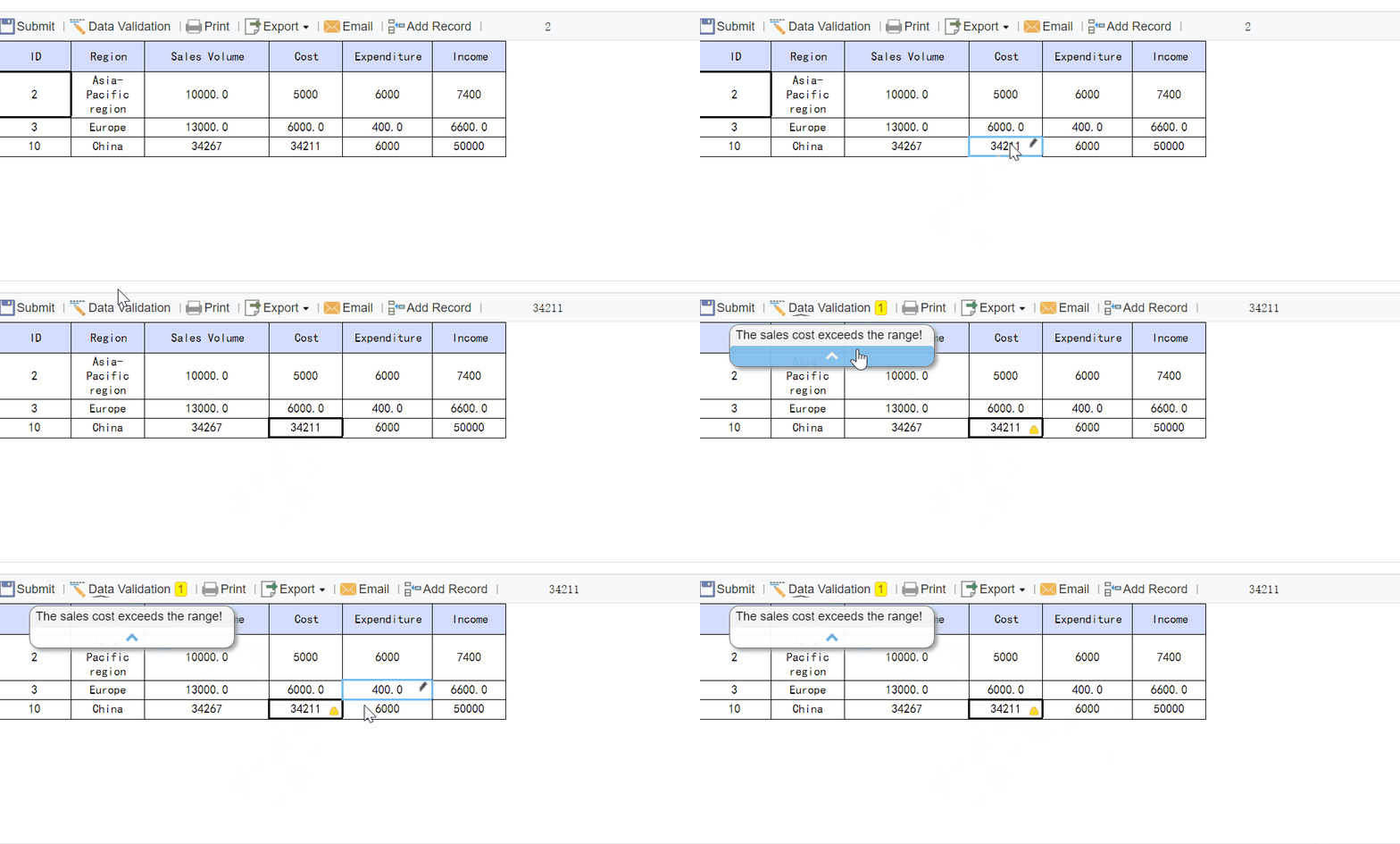
Report Element: Validation and exception queue Definition: The rules and worklists used to identify missing, inconsistent, or suspicious data before filing. Business value: Prevents avoidable submission errors and shortens review cycles. AI use:Dora can retrieve exception lists from FineReport, summarize top issues by entity or owner, and send follow-up reminders through a governed AI workflow.
3. Audit trail, controls, and compliance transparency
When evaluating regulatory reporting software vendors, traceability should be non-negotiable. Every material step should be visible and attributable: who changed what, when it changed, why it changed, and who approved it.
Check whether the platform supports:
full version history
adjustment logs
approval and sign-off records
linked evidence and commentary
timestamped workflow actions
submission history and status tracking
This is especially important for internal audit, external audit, and regulator review. If evidence must still be reconstructed manually from emails and spreadsheets, the platform has not solved the real control problem.
Report Element: Audit evidence record Definition: The complete trace of report changes, approvals, comments, and supporting documents. Business value: Strengthens defensibility during audit and reduces the time needed to respond to review requests. AI use:Dora can generate a structured summary of approval status, outstanding evidence gaps, and delayed sign-offs for managers.
4. Product fit for annual, quarterly, and risk-based capital reporting
Some platforms are impressive in general compliance workflows but weak in recurring, form-heavy reporting cycles. Others are better suited to specific reporting categories, such as annual, quarterly, or capital-focused submissions.
Ask whether the platform can support:
recurring filing cycles without repeated heavy customization
different entities and reporting structures
varied filing frequencies
jurisdiction-specific packaging
capital adequacy or risk-based reporting logic where relevant
If your environment includes complex entity hierarchies, multiple legal units, or capital reporting obligations, you need a solution that can handle recurring complexity with repeatability.
Report Element: Filing calendar by entity and report type Definition: The schedule of obligations across annual, quarterly, monthly, and event-driven reporting requirements. Business value: Improves reporting readiness and resource planning. AI use:Dora can deliver periodic filing briefings, highlight upcoming deadlines, and summarize which entities are at risk of delay.
A platform may work for today’s volume and scope but struggle as your organization expands. Future-proofing means more than technical scale. It also means adaptability to new regulations, new business lines, and new governance expectations.
Evaluate:
support for additional entities and jurisdictions
release discipline and product roadmap clarity
maintainability of rules, templates, and workflows
ability to absorb new reporting obligations without redesign
vendor commitment to ongoing investment
Scalability should include both platform architecture and operating model maturity. A vendor that requires extensive rework for each expansion can become a long-term bottleneck.
Report Element: Reporting template framework Definition: The reusable set of templates, mappings, and controlled reporting logic used across entities and cycles. Business value: Standardizes recurring work and lowers expansion friction. AI use:Dora can use trusted FineReport templates and semantic rules to explain report differences between periods, entities, or submission cycles.
6. Implementation model and time to value
Many regulatory reporting projects fail not because the product is weak, but because implementation is underestimated. Review the vendor’s onboarding model carefully.
Look for clarity on:
data onboarding and mapping responsibilities
migration from spreadsheets or legacy tools
template and workflow setup
realistic deployment milestones
testing approach
post-go-live support
You should also understand where consulting dependency begins. A vendor that appears affordable at the license level may become expensive if every change depends on paid professional services.
Report Element: Implementation work package Definition: The set of tasks required to connect data, configure workflows, validate reports, and prepare for go-live. Business value: Gives teams realistic expectations for cost, staffing, and delivery timelines. AI use:Dora can summarize implementation status dashboards, identify overdue setup tasks, and prepare weekly project briefings for stakeholders.
7. Usability for cross-functional teams
Regulatory reporting rarely belongs to one function. Compliance, finance, risk, operations, and IT all interact with the process. A platform may satisfy administrators but still frustrate reviewers and business owners.
Assess:
dashboard clarity
navigation simplicity
task ownership visibility
training burden
ability to support non-technical users
maintainability of day-to-day workflow
Usability matters because friction drives side processes. If users resort to offline files, email-based approvals, or shadow trackers, governance weakens.
Report Element: Role-based workbench Definition: The task and review interface tailored to preparers, reviewers, approvers, and managers. Business value: Improves accountability and shortens handoff cycles. AI use:Dora can act as a chat-based AI assistant for report consumption, helping users quickly retrieve filing status, metric explanations, and pending action items without navigating multiple reports.
8. Service model, support quality, and vendor access
Not all vendor support models are equal. Some offer strategic guidance and named contacts. Others provide only generic ticket handling. In regulatory reporting, response quality matters because issues often appear under deadline pressure.
Investigate:
support hours and escalation paths
depth of regulatory and product expertise
access to customer success or solution specialists
responsiveness during filing periods
quality of documentation and enablement
A vendor relationship should be evaluated as an operating partnership, not just a software subscription.
Report Element: Support and escalation dashboard Definition: The view of open issues, severity, resolution progress, and support ownership. Business value: Improves accountability during critical reporting windows. AI use:Dora can summarize unresolved support risks from operational cockpits and include them in leadership briefings.
9. Security, governance, and deployment requirements
Security and governance can eliminate a vendor from consideration long before functionality is discussed. Review whether the platform aligns with internal IT, security, and procurement policies.
For regulated institutions, permissions are especially important. Report access, commentary, approvals, and AI-generated outputs must all respect role boundaries.
Report Element: Permission matrix and governance model Definition: The structured control model that determines who can view, edit, approve, and distribute reporting content. Business value: Reduces risk of unauthorized access or inappropriate workflow action. AI use:Dora operates on top of governed FineReport assets so that chat responses, summaries, and pushed briefings respect permission boundaries and semantic rules.
10. Total cost of ownership and commercial transparency
Price comparisons often miss the biggest cost drivers. The true total cost of ownership includes more than license fees.
Evaluate:
licensing structure
implementation fees
support tiers
regulatory update costs
integration charges
report or entity expansion fees
change request pricing
maintenance and training costs
Watch carefully for hidden charges tied to added reports, additional entities, jurisdiction expansion, or recurring update work. Commercial transparency is often a better sign of long-term vendor fit than headline pricing.
Report Element: Cost-to-operate model Definition: The full recurring and non-recurring cost structure needed to run the reporting platform over time. Business value: Helps procurement and leadership avoid underbudgeting and future surprises. AI use:Dora can summarize platform usage, recurring workflow load, and operational reporting effort to support cost review discussions.
In many organizations, the reporting platform is only half the problem. Even when reports are well built, users still spend time opening dashboards, checking statuses, interpreting exceptions, preparing management updates, and chasing owners. This is where an enterprise Data Agent becomes valuable.
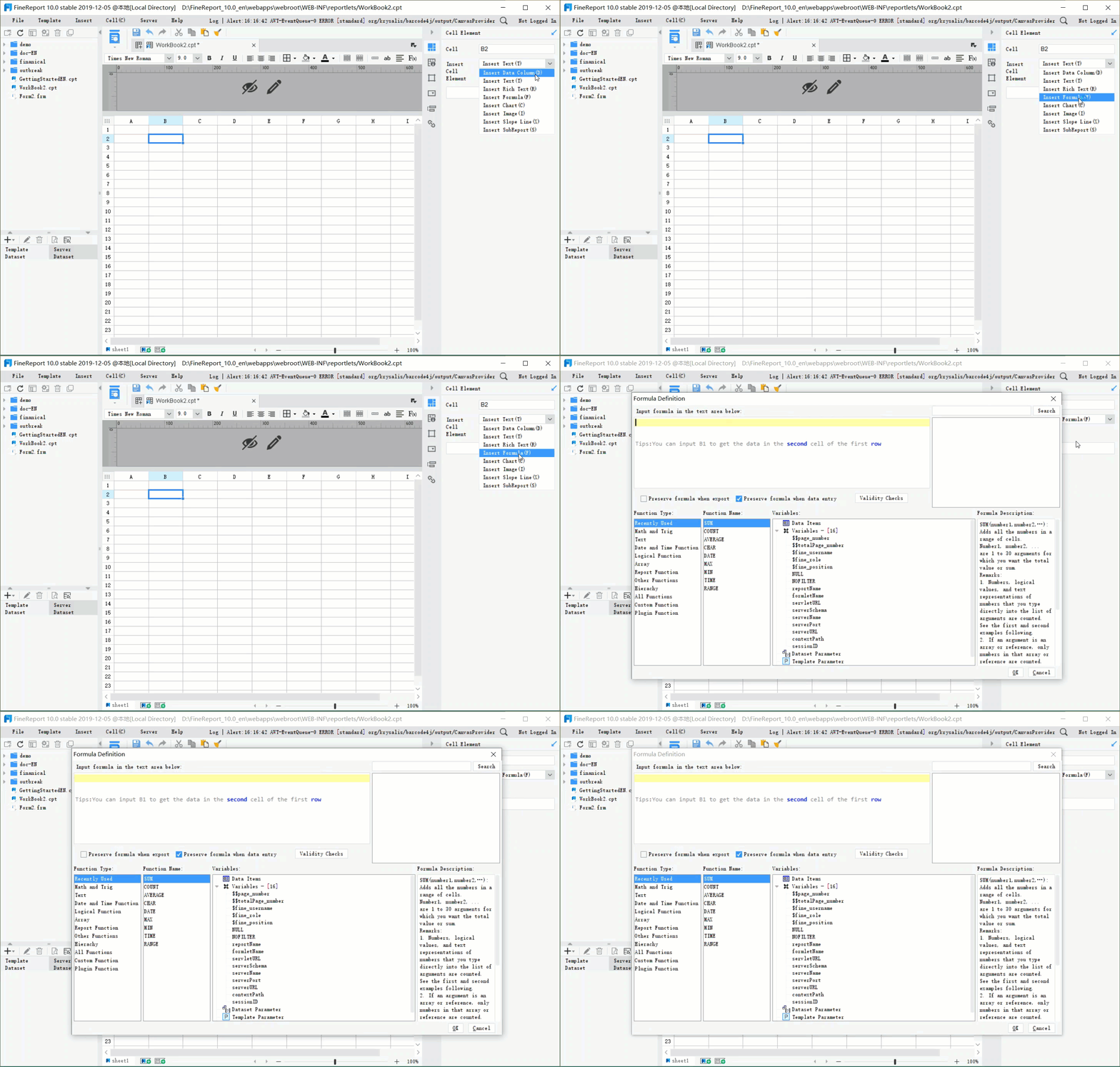
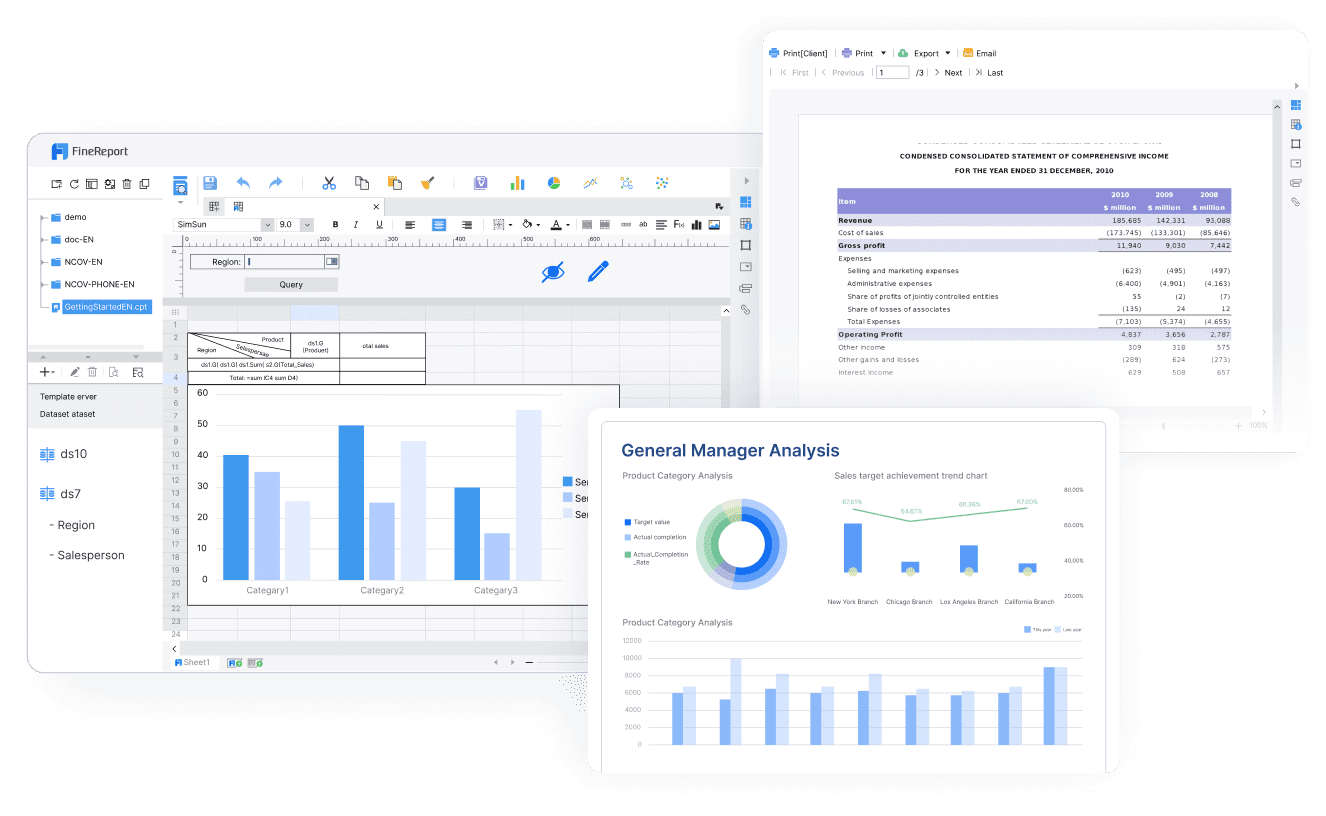
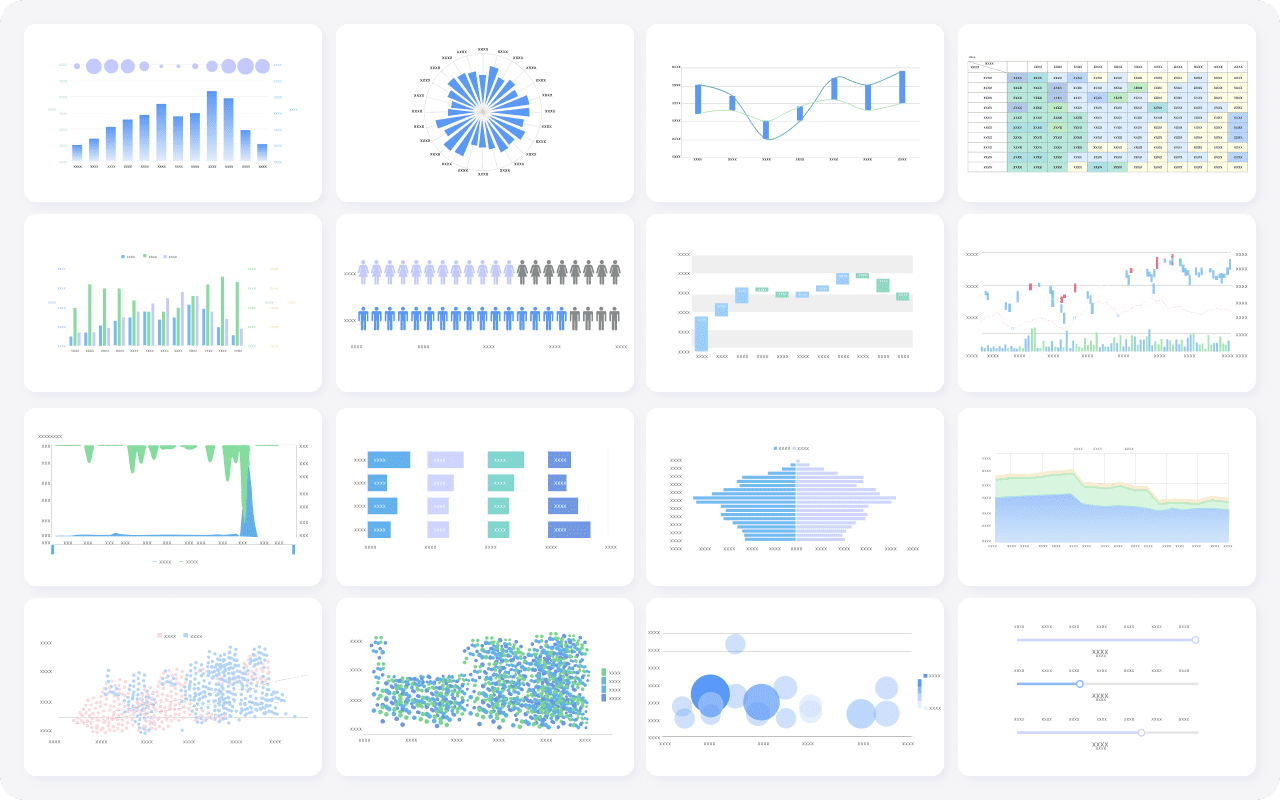
With FineReport + Dora, FineReport acts as the trusted reporting foundation. It provides formatted reports, operational cockpits, management reports, workflow dashboards, and reporting automation. Dora adds the AI assistant layer so users can consume those assets faster through governed AI workflows.
For this scenario, the most relevant Doradigital employee is the Daily Briefing Secretary, often combined with the Risk Alert Officer for exception-driven follow-up.
A scenario-specific chat example
A compliance operations manager might ask:
“Summarize this quarter’s regulatory reporting status, list filings with unresolved validation exceptions, highlight delayed approvals, and show which entities need immediate follow-up.”
Dora does not answer from a generic prompt alone. It works from trusted report assets, governed semantic rules, and defined Skills.
A practical 6-step AI workflow
Retrieve trusted FineReport report or operational cockpit data Dora pulls the latest filing status dashboard, exception report, approval workflow view, and entity-level reporting calendar from FineReport.
Understand KPI definitions, report templates, filters, and business terms Dora interprets governed definitions such as “overdue approval,” “critical exception,” “ready to submit,” or “awaiting evidence” based on the enterprise semantic layer.
Generate a structured report summary through chat Dora produces a chart-based answer and management-ready narrative, such as which filings are on track, where delays are concentrated, and what the top operational risks are.
Detect exceptions and threshold breaches Dora identifies abnormal backlogs, repeated validation failures, missing approvals, or approaching deadlines that cross configured thresholds.
Push alerts and suggested actions to responsible users
Using governed Skills, Dora can send a scheduled briefing to managers, notify owners of unresolved issues, and route exceptions to the right role.
Create follow-up records and periodic review summaries Dora can support weekly or monthly oversight by compiling unresolved risks, follow-up completion status, and outstanding items for leadership review.
This is a practical example of Agentic BI rather than a simple chat layer. The value comes from combining natural-language request, trusted semantic understanding, controlled execution, and scenario-specific action.
Why FineReport matters in the AI workflow
AI only helps if the reporting foundation is trusted. FineReport provides that foundation by structuring:
Dora builds on top of these assets. That is why it should be positioned as an enterprise Data Agent and AI digital employee, not as a replacement for the reporting system.
Dora improves report consumption and actionability through:
natural-language query over trusted reporting assets
structured report summaries and chart explanations
scheduled daily or weekly briefings
exception alerts and push notifications
owner-specific follow-up
skills-based execution for controllable and auditable AI workflows
Compared with raw prompt-only agents, this model offers better enterprise landing capability because it is tied to permissions, KPI governance, semantic rules, report templates, and data quality controls. It is also designed for more stable workflows, faster execution paths, and lower token waste than ungoverned prompting over loosely defined data.
How to compare vendors side by side without getting distracted by rankings
Published rankings and “best vendor” lists can help build an initial market map, but they should not drive the final decision. The more regulated and operationally complex your environment is, the more important it becomes to compare vendors against your own scorecard.
Build a weighted scorecard
Create a scoring model using the ten criteria above, but weight them based on your actual operating priorities.
For example:
a growing institution may weight implementation speed and service support more heavily
a mature reporting organization may emphasize audit controls, governance, and scalability
a multi-entity institution may prioritize data integration and recurring reporting fit
a high-scrutiny environment may rank traceability and update discipline above interface polish
A weighted scorecard prevents teams from overvaluing demo appeal or market perception.
Use demos, proofs of concept, and reference checks effectively
Ask vendors to demonstrate a real reporting workflow, not just a polished product tour. A useful demo should show:
When possible, use a proof of concept based on your own sample process. Then validate claims through customer references, implementation examples, and support experience.
Separate market lists from actual fit
Market lists are useful as starting points. They are not procurement decisions. A vendor can be widely known and still be a poor fit for your reporting scope, team maturity, deployment constraints, or control model.
Common mistakes teams make when evaluating platforms
The biggest evaluation failures are usually process failures rather than vendor failures.
Common mistakes include:
choosing based on the longest feature list instead of the strongest reporting process fit
underestimating data readiness and source-system remediation work
ignoring internal ownership requirements for governance, testing, and change management
failing to evaluate vendor stability and regulatory expertise
assuming a polished demo proves real implementation success
overlooking support quality after go-live
not defining measurable outcomes such as faster submissions, fewer errors, stronger audit evidence, or lower manual reconciliation effort
Another common mistake is treating AI as a separate experiment from reporting operations. In reality, AI value lands best when it is connected to governed report assets. For executives, this matters because Dora is not an AI experiment. It is a landed digital employee for recurring reporting work such as compliance status summaries, filing exception review, overdue approval alerts, and owner follow-up. For IT teams, the role shifts from manually responding to every reporting question toward optimizing data connections, semantic layers, data quality, permissions, report templates, and reusable agent Skills. For business users, Dora lowers friction by delivering timely summaries, chat-based answers, and scheduled briefings without forcing them to search through multiple reports.
A practical shortlist process for selecting the right platform
A disciplined shortlist process keeps teams focused on business fit and decision quality.
Questions to ask every vendor
Ask each vendor the same core questions:
What types of institutions and reporting obligations are best supported today?
How are regulatory updates delivered, tested, and communicated?
Which parts of implementation require internal resources versus vendor services?
How does the platform handle validation, exception management, and approvals?
What audit evidence can be produced without manual reconstruction?
How are new entities, new reports, or new jurisdictions added?
What support model is available during critical reporting periods?
How are permissions and segregation of duties enforced?
What change requests typically become paid work?
For AI-enabled reporting operations, also ask:
Can the platform support trusted report summaries from governed reporting assets?
How are permissions, KPI definitions, and semantic rules enforced in AI outputs?
Can the system push scheduled summaries, exception alerts, and follow-up tasks in a controlled way?
What to document before a final decision
Before approval, document:
must-have controls
integration requirements
target reporting scope
implementation timeline constraints
internal staffing assumptions
security and deployment requirements
budget boundaries
scored comparison results
trade-offs between shortlisted vendors
decision rationale for procurement and executive review
This record improves alignment and makes future governance easier.
When to move forward
Move forward when a platform clearly meets core reporting requirements, aligns with your control framework, and offers sustainable long-term value. Do not delay the decision for minor feature differences that do not materially improve compliance outcomes.
In many cases, the right path is the vendor that gives you:
trusted reporting outputs
repeatable workflow control
strong audit evidence
manageable implementation risk
credible long-term support
room to add AI-assisted report consumption later or immediately
1. Standardize report templates, KPI definitions, and business terms first
Before comparing advanced automation capabilities, make sure your reporting process has consistent definitions. Standardized templates and terms reduce confusion for both humans and AI. They also make vendor evaluation more realistic because you are comparing platforms against a defined operating model.
2. Build a semantic layer inside the reporting workflow
This is one of the most important AI-specific practices. If “late filing,” “critical exception,” or “ready for submission” means something different across teams, AI outputs will be inconsistent. FineReport provides the governed report and KPI foundation, while Dora uses that semantic structure to deliver more reliable report summaries, chart explanations, and follow-up prompts.
3. Treat data quality as part of the AI implementation
AI does not fix weak reporting data. If source mappings, reconciliation logic, or exception rules are unstable, AI-generated summaries will simply surface unstable inputs faster. Start by improving data readiness, validation rules, and report governance.
4. Start with high-value recurring reports instead of automating everything
This is another critical AI/Data Agent best practice. Begin with recurring compliance status reports, filing calendars, validation exception views, or management oversight summaries. These scenarios have clear owners, repeatable workflows, and measurable value. They are ideal for Dora digital employees such as the Daily Briefing Secretary or Risk Alert Officer.
5. Preserve permission governance and use human review for AI narratives
AI outputs should respect FineReport access boundaries. Keep permissions aligned with existing governance, especially in regulated environments. For structured report narratives or executive summaries, use human review early on and gradually expand Dora Skills once confidence in the workflow is established.
Building this manually is complex. FineReport helps teams standardize trusted reports, operational cockpits, templates, and reporting workflows. Dora turns those assets into an AI assistant that can answer report questions in chat, generate structured summaries, push scheduled briefings, monitor exceptions, and follow up with responsible owners.
both operate within governed permissions, templates, semantic rules, and workflow controls
This matters for real-world adoption. Business users get faster access to filing status, exception summaries, and structured briefings. Compliance and finance leaders get clearer oversight and more timely follow-up. IT teams can shift from manually serving every report request to managing governed reporting assets, reusable Skills, and enterprise data quality.
FineReport + Dora is not only a reporting upgrade; it is a practical fourth-generation Agentic BI path.FineReport provides governed reports and operational cockpits. Dora provides the AI assistant layer for scenario execution, with more controlled Skills, lower token waste, faster execution paths, and more stable workflows than prompt-only agents.
Get Ready-to-Use Dashboard Templates in Fine Gallery
The strongest Dora pitch is scenario + product + service: FineReport provides the trusted reporting foundation, Dora provides the AI digital employee, and implementation service connects data, governance, semantic setup, Skills, report templates, permissions, and rollout.
If you are evaluating regulatory reporting software vendors, do not stop at feature lists. Compare operational fit, audit readiness, update discipline, implementation reality, and long-term reporting scalability. Then consider how an enterprise AI assistant can reduce the manual burden of report consumption and follow-up once the reporting foundation is in place.
Focus on operational fit rather than feature breadth alone. The most important areas are regulatory update speed, data integration, validation workflow, audit trails, scalability, and the vendor’s ability to support a controlled reporting process over time.
Fast regulatory change management helps reduce compliance risk and unexpected rework. A strong vendor should monitor rule changes, release updates quickly, and make those changes easy to test and adopt.
They provide evidence of who changed data, when changes happened, and who approved them. This supports internal controls, external audits, and regulator confidence when submissions are reviewed.
It centralizes data ingestion, validation, exception handling, approvals, and report generation in one governed workflow. That reduces offline edits, manual handoffs, and the risk of inconsistent reporting logic.
Yes, if it is layered on top of trusted reporting assets and controlled workflows. Tools like FineReport plus Dora can summarize reports, surface exceptions, and route insights to the right owners while keeping the underlying reporting process governed.
Product Trial
FineReport
Pixel-perfect reports · Interactive dashboards · Easy data entry · Digital twins