If you are searching for the top HR reporting software, you are probably not just looking for attractive charts. You are trying to find a system that helps HR, operations, finance, and leadership teams make reliable workforce decisions with confidence.
That distinction matters. Many HR platforms offer basic dashboards, but decision-ready reporting tools go further. They help teams combine data from multiple HR systems, validate what they see, schedule reports for different stakeholders, protect sensitive employee data, and support both compliance and workforce planning.
For HR leaders, reporting quality directly affects:
Compliance: documentation, audit readiness, access controls, and reporting consistency
Leadership visibility: clear reporting for managers, executives, and business unit leaders
When comparing vendors side by side, the real question is not only whether the software can visualize HR data. It is whether it can turn HR data into accurate, secure, shareable, and actionable reporting.
Accurate data integration: Connects HRIS, payroll, ATS, performance, and attendance data reliably.
Flexible report design: Supports both self-service dashboards and structured business reports.
Advanced filtering and segmentation: Lets users analyze by department, location, job level, manager, and time period.
Secure access controls: Protects sensitive workforce data with role-based permissions.
Compliance support: Helps teams prepare for audits, retention reviews, and regulatory reporting.
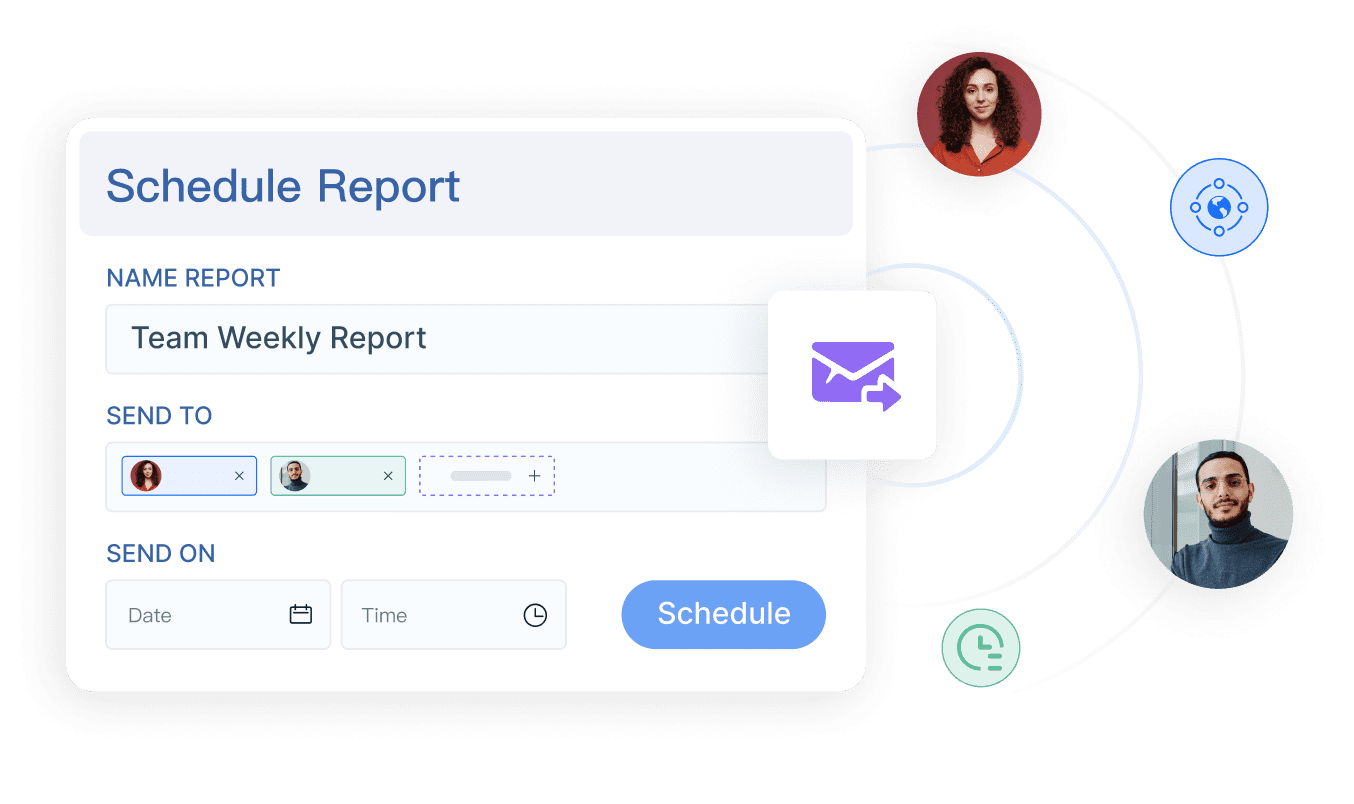
Scheduled delivery: Automatically distributes reports to HR leaders, managers, and executives.
Drill-down analysis: Moves from summary KPIs to employee group or root-cause detail.
Usable interface: Works for HR teams and nontechnical stakeholders without heavy analyst dependence.
Scalable reporting: Supports growing organizations with evolving reporting requirements.
What makes top HR reporting software worth comparing
The market is full of HR tools that promise analytics, insights, and dashboards. But not every platform is equally strong at enterprise reporting.
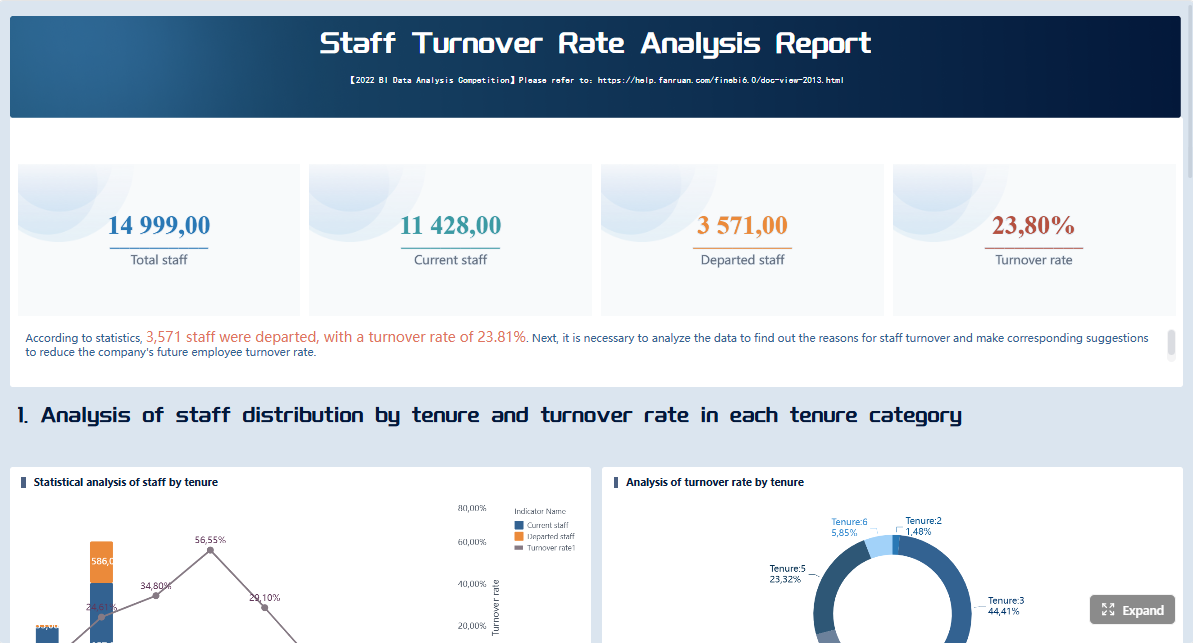
A basic dashboard is useful for quick KPI checks. It can show turnover rate, open requisitions, or headcount by function. However, HR teams often need much more than dashboard viewing. They may need:
printable or paginated board reports
scheduled workforce summaries for leaders
compliance documentation with traceable data history
filtered reports for regional managers
standardized outputs for payroll, finance, and operations
forms or workflows to support operational HR processes
That is why the top HR reporting software is worth comparing carefully. Reporting quality influences whether decision-makers trust the numbers, whether HR can answer follow-up questions quickly, and whether audits become manageable rather than disruptive.
Predictive insights and workforce planning support
Usability, adoption, and vendor fit
1. Data accuracy and integration depth
Unified data from HRIS, payroll, ATS, and performance systems
Strong HR reporting starts with clean, connected data. In most organizations, workforce information lives across several systems:
HRIS for employee records
payroll systems for compensation and cost data
ATS platforms for recruiting pipeline metrics
performance tools for review outcomes and talent indicators
attendance or scheduling systems for time, absence, and shift patterns
When evaluating software, check whether it can connect across those sources in a way that is practical for your environment. The best solutions reduce manual exports and spreadsheet stitching.
support for historical and current-state reporting
data refresh monitoring
A tool that only visualizes one HR application may be fine for narrow use cases. But for workforce planning and executive reporting, integrated data is usually essential.
Integration alone is not enough. HR reports are only useful if stakeholders trust them.
Reliable platforms should help teams identify:
missing employee records
inconsistent department assignments
duplicated employee profiles
payroll mismatches
incomplete hiring or termination dates
Audit trails also matter. If a CHRO or compliance lead asks where a number came from, the reporting system should make that answer easier, not harder. Confidence in every report comes from data lineage, validation logic, and clear update history.
Questions to ask vendors:
How are data errors flagged?
Can users identify stale or incomplete records?
Is there a record of data changes or report updates?
How are conflicting inputs resolved across systems?
Without strong reporting reliability, even visually polished dashboards can mislead decision-makers.
Drag-and-drop report building and advanced filtering
Many HR software vendors highlight prebuilt dashboards because they demo well. But HR teams rarely operate with one fixed set of questions.
A recruiting leader may want hiring velocity by region. A finance partner may need labor cost by department. A people manager may need turnover by tenure band. Executives may want monthly workforce summaries with commentary-ready presentation.
That is why flexible report creation matters.
The top HR reporting software should make it easy to create and modify reports using:
drag-and-drop report building
advanced filters by date, region, function, manager, or job family
saved views for recurring questions
reusable templates
segmentation by demographic or organizational attributes
drill-down from summary metrics to detail rows
This flexibility becomes more important as HR reporting matures. Prebuilt dashboards help teams get started, but custom reporting helps them answer real business questions.
Scheduled reports and stakeholder-specific outputs
Different stakeholders need different formats.
An HR analyst may want an interactive report with filters. A department leader may prefer a scheduled weekly PDF. An executive team may need a polished monthly pack. Compliance reviewers may need a printable, archived output.
So compare not just whether the software can generate a report, but how well it can deliver that report.
Review:
automated scheduling options
email or portal-based distribution
export formats such as PDF, Excel, or image-ready outputs
presentation quality for leadership use
permissions and recipient-specific access controls
support for recurring report subscriptions
A dashboard is not always the right output. In HR, the ability to distribute clean, role-specific reports often matters just as much as on-screen analysis.
Permission controls and sensitive workforce data protection
HR data is among the most sensitive data in the business. Employee compensation, personal identifiers, performance data, absence records, and disciplinary information all require controlled access.
That makes security and governance a core part of the evaluation process.
Look for:
role-based access controls
row-level or field-level permissions
approval workflows for report sharing
data masking for sensitive fields
secure external sharing options
access logging for report usage
A strong reporting platform should help teams share information safely without exposing confidential employee details to the wrong audience.
For example, managers may need attrition trends and team-level data, but not organization-wide compensation records. Finance may need labor cost summaries without access to performance notes. HR business partners may need regional views based on scope.
The software should support those differences directly.
Regulatory reporting and audit support
Compliance demands vary by industry and geography, but most HR teams need to respond quickly to policy reviews, labor reporting requests, internal audits, or document retention checks.
repeatable report templates for recurring submissions
Ask vendors how their reporting tools support audit scenarios. Can your team quickly reproduce the same report from a prior period? Can you show who had access? Can you pull supporting detail behind a summary metric?
The best systems reduce manual scramble during audits and improve confidence in regulatory reporting.
4. Predictive insights and workforce planning support
Trend analysis, forecasting, and anomaly detection
Modern HR reporting should not stop at historical summaries. Leadership teams increasingly want forward-looking insight: where turnover risk is rising, where hiring demand may create bottlenecks, and where absenteeism patterns are changing.
That is where trend analysis and forecasting capabilities become useful.
Compare whether the platform supports:
headcount trend analysis
turnover pattern monitoring
absenteeism and attendance trend reporting
hiring funnel movement over time
workforce forecasting models
anomaly detection for unusual workforce changes
Not every organization needs advanced predictive functionality immediately. But even basic trend reporting can improve planning quality when it is consistent and easy to drill into.
A useful question is whether the software helps teams move from “what happened?” to “what is changing?” and then to “where should we investigate next?”
Metrics that connect HR activity to business outcomes
HR reporting becomes much more valuable when it ties workforce activity to business performance.
Examples include:
turnover and productivity trends
absenteeism and overtime impact
hiring speed and vacancy cost
learning participation and retention outcomes
workforce mix and labor cost efficiency
Leaders usually do not want isolated HR metrics. They want context. They want to know whether workforce issues are affecting cost, service delivery, output, or retention goals.
The software should therefore support drill-down from summary trends into root causes. If turnover rises, can leaders see whether it is concentrated in a region, team, manager group, tenure band, or role type? If hiring slows, can they identify stage bottlenecks?
That combination of summary visibility and detail access is what makes reporting operationally useful.
5. Usability, adoption, and vendor fit
Ease of use for HR teams and nontechnical stakeholders
Even powerful HR reporting software can underperform if the interface is too difficult for everyday users.
HR teams often need a balance:
self-service access for managers
straightforward filtering for business users
flexible design for analysts or reporting owners
minimal dependence on technical administrators for every change
When comparing platforms, assess the learning curve honestly. A polished demo may hide complexity in setup, maintenance, or custom report creation.
Look at:
clarity of the interface
ease of changing filters and views
how quickly users can build or edit reports
whether templates reduce repeated effort
whether nontechnical users can access insight without training overload
The most effective tool is usually the one that more people can use consistently.
Implementation, support, and total value
Vendor fit matters just as much as product features.
A platform may look strong on paper, but implementation effort, support responsiveness, and roadmap maturity will affect long-term success.
Compare vendors on:
onboarding and implementation support
availability of training and documentation
responsiveness of customer support
flexibility for future reporting needs
pricing structure and scaling considerations
ability to support both current and future reporting complexity
It is also worth considering whether the tool can grow with you. A company that starts with headcount and turnover dashboards may later need scheduled board reports, printable compliance outputs, or integrated reporting across HR and finance.
How to compare your final shortlist with confidence
Once you narrow your options, avoid choosing based only on screenshot appeal or generic dashboard tours. Build a shortlist process that reflects your actual reporting needs.
Here are practical ways to evaluate more confidently:
Create a weighted scorecard
Score each vendor on integrations, customization, compliance, predictive insight, usability, and support. Weight categories based on your priorities.
Use real HR reporting scenarios
Ask vendors to demonstrate your actual use cases, such as monthly headcount packs, turnover analysis by manager, audit-ready employee history, or scheduled reports for executives.
Test both dashboarding and formal reporting
A system may be strong in visual exploration but weaker in scheduled, printable, or recurring operational reporting.
Review security with realistic access models
Ask how managers, HRBPs, executives, and analysts would each see different levels of employee information.
Check long-term reporting fit
Make sure the software supports not only today’s metrics but also tomorrow’s need for more structured, governed, cross-functional reporting.
If you want to select the top HR reporting software for your organization, these recommendations can help:
Separate visualization from reporting capability. A strong dashboard does not automatically mean strong scheduled reporting, compliance support, or executive-ready outputs.
Prioritize trust in the numbers.Data validation, integration quality, and auditability should come before visual polish.
Evaluate for multiple stakeholder needs. HR analysts, managers, executives, finance, and compliance teams often need different report formats and permissions.
Ask for one operational use case and one leadership use case. This reveals whether the tool can support both day-to-day workflows and strategic reporting.
Plan for reporting maturity. Choose a platform that can grow from KPI dashboards into structured enterprise reporting if your needs evolve.
When a dedicated reporting platform like FineReport makes sense
Many HR platforms and BI tools are useful for dashboarding and analytics. But some organizations need more than interactive charts.
Tools like Tableau and Power BI are widely used for visualization and BI analysis, but teams with complex reporting workflows may also need a dedicated enterprise reporting platform like FineReport.
That is especially relevant when HR reporting requires:
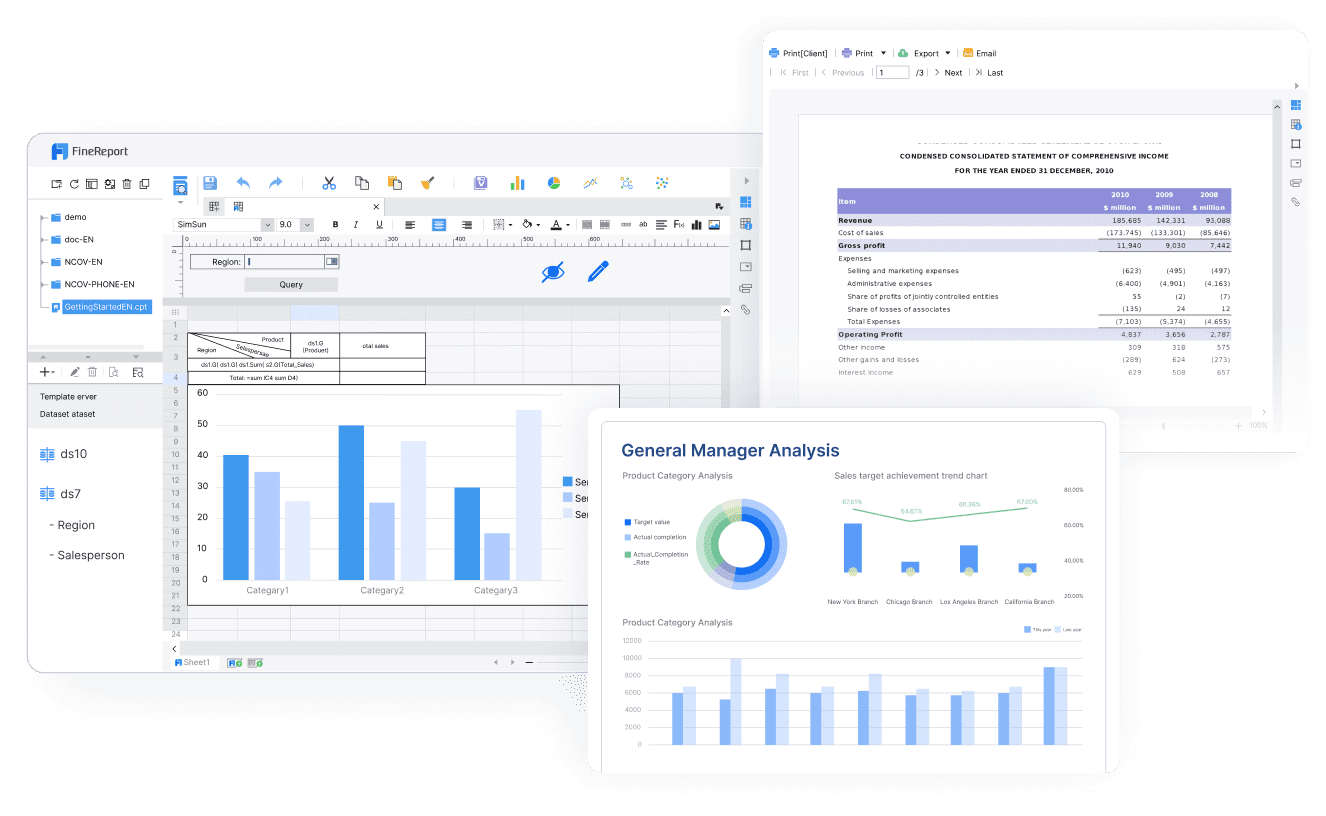
pixel-perfect and paginated reports for executives, compliance, or board use
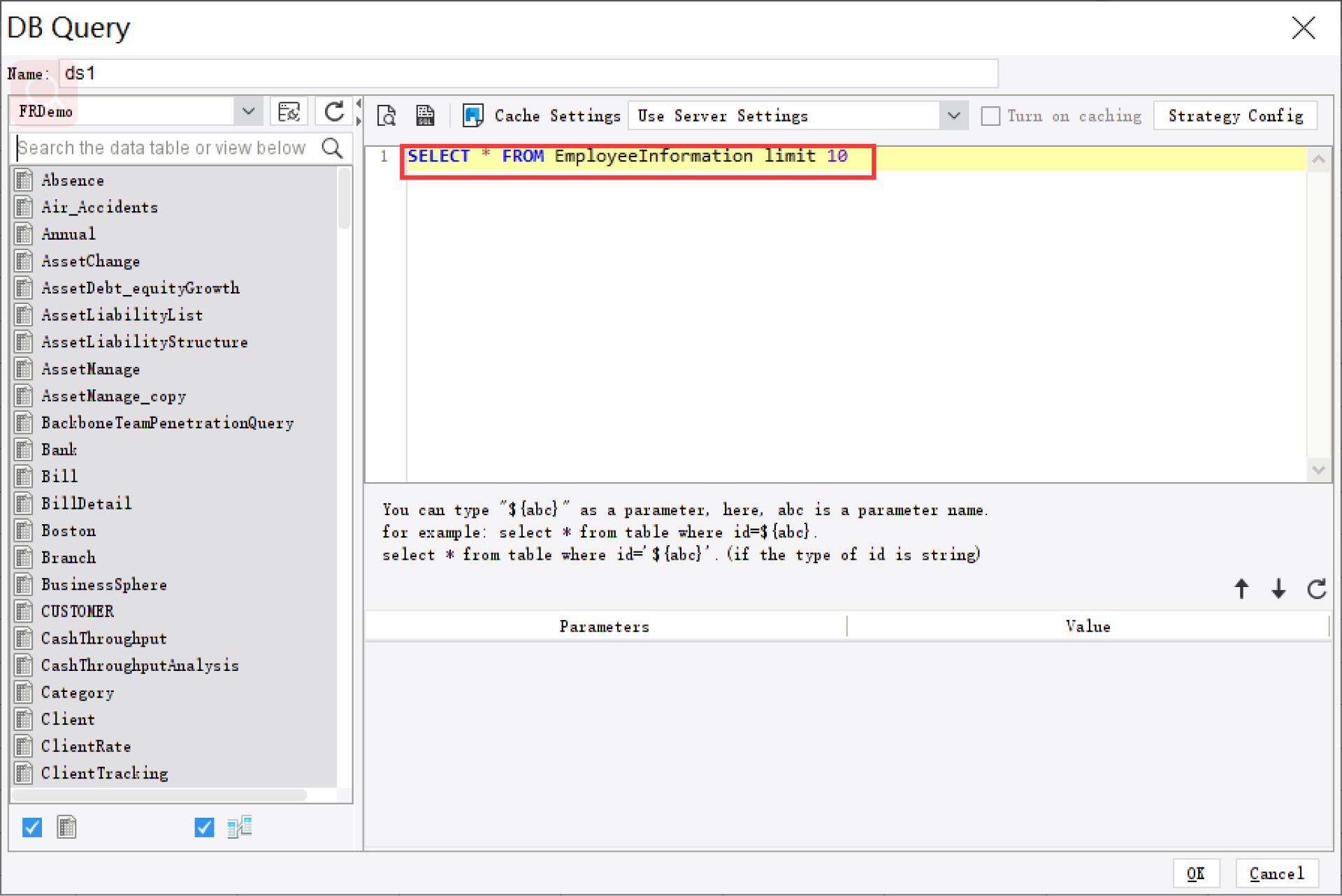
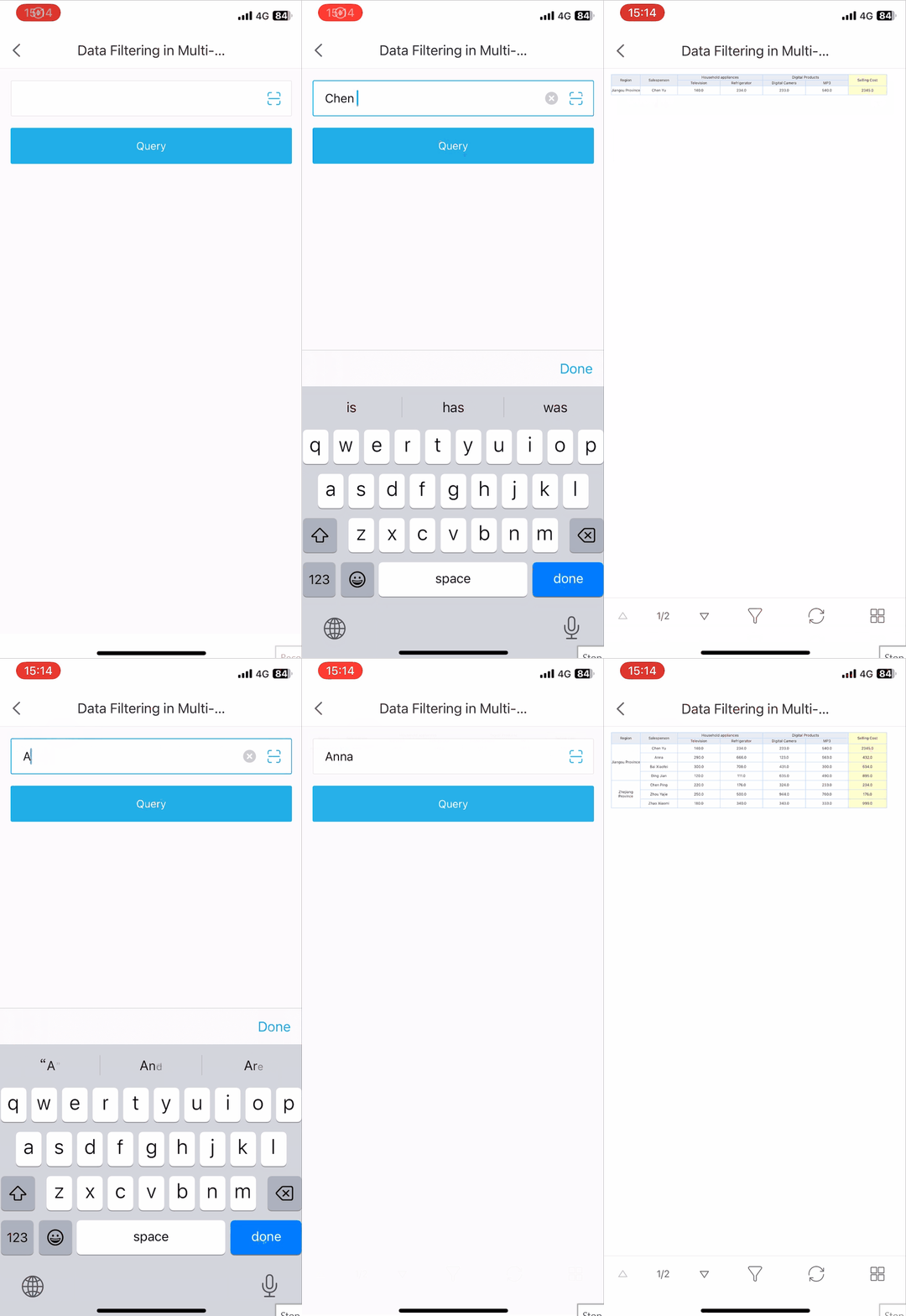
parameter queries for filtering by region, business unit, date range, manager, or employee segment
scheduled report distribution to different stakeholders
dashboard and report integration in one reporting environment
printable and export-friendly outputs for recurring HR operations
data entry forms or workflow-style applications when reporting ties into process management
enterprise governance for permissions, standardized templates, and controlled report access
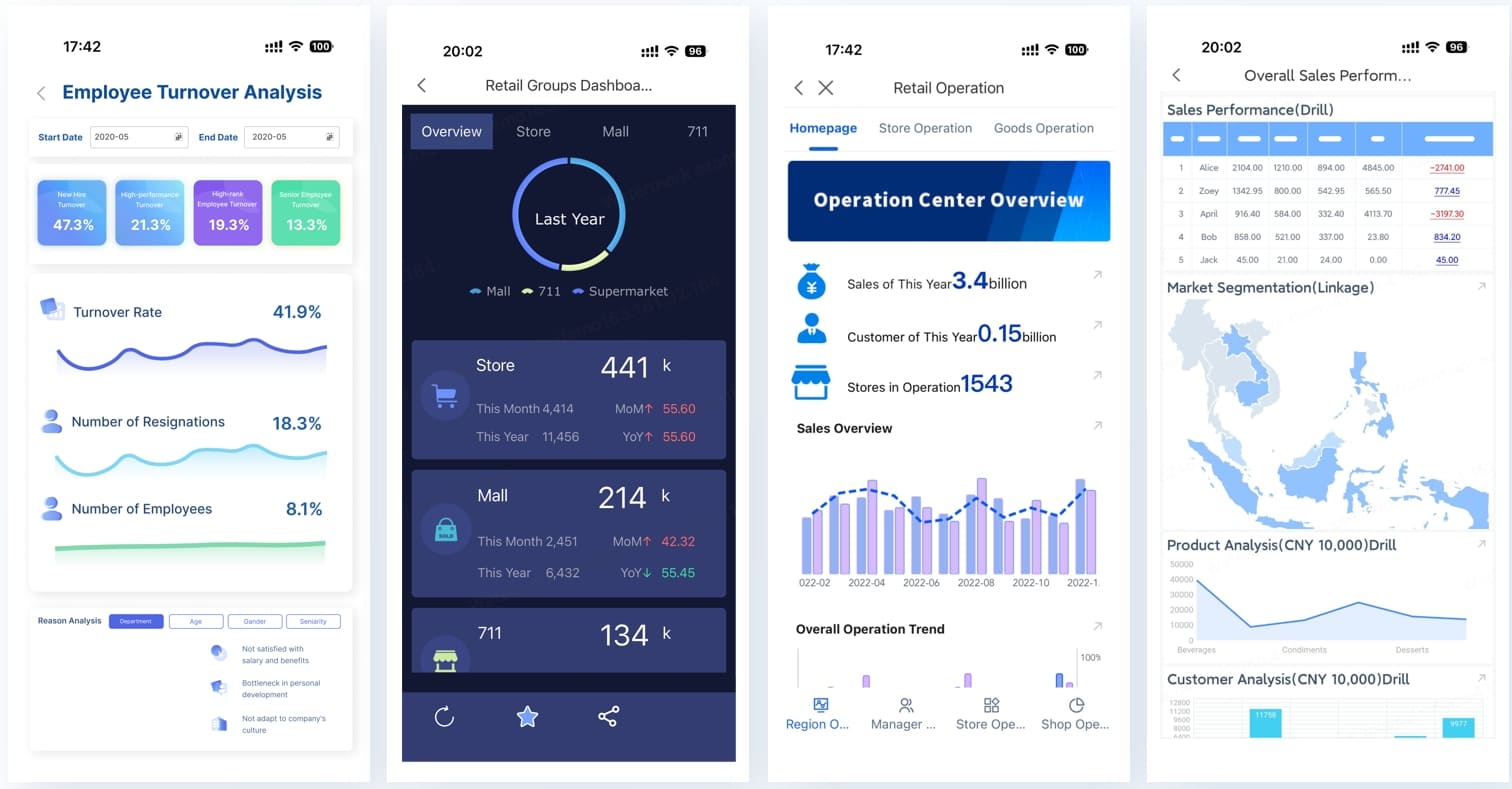
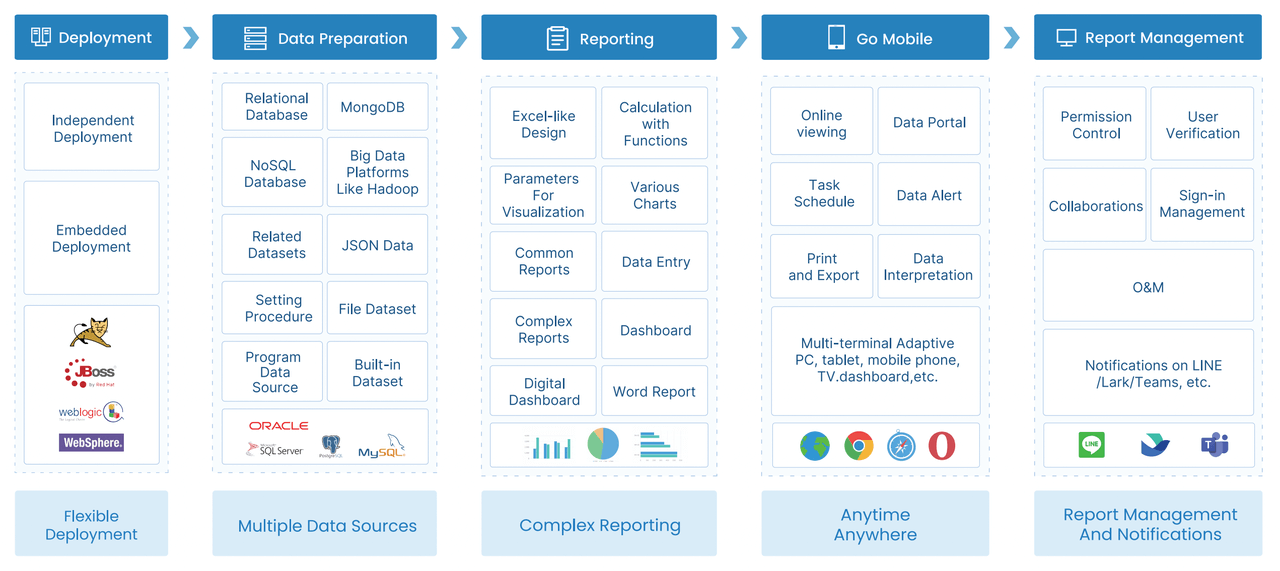
FineReport is commonly positioned as an enterprise reporting and dashboard platform for organizations that need both visual analysis and structured reporting. That can make it a practical fit when HR teams need not just dashboards, but also recurring workforce reports, formatted leadership packs, operational summaries, or governed reporting across departments.
For example, HR teams may use a platform like FineReport to build:
standardized HR dashboards linked to detailed reports
The advantage in these cases is not simply having more visuals. It is being able to support the broader reporting workflow: data integration, report design, filtering, scheduling, controlled sharing, and presentation-ready output.
Get Ready-to-Use Dashboard and Report Templates in Fine Gallery
Final thoughts
The top HR reporting software is not necessarily the one with the flashiest dashboard. It is the one that helps your organization produce trustworthy, secure, actionable workforce reporting at scale.
As you compare vendors, focus on the nine capabilities that matter most:
If your reporting needs include formal workforce reports, scheduled distribution, governed access, and enterprise-grade reporting workflows, FineReport is worth evaluating alongside standard BI and HR analytics tools.
The most important features include data integration, custom report building, advanced filtering, role-based security, compliance support, scheduled delivery, drill-down analysis, usability, and scalability. These capabilities help teams move beyond basic dashboards to more reliable decision-making.
A standard dashboard usually shows high-level metrics, while HR reporting software supports deeper analysis, structured reports, scheduled distribution, and audit-ready documentation. It is designed to help teams answer follow-up questions and share trusted data across the business.
HR data often sits across HRIS, payroll, ATS, attendance, and performance systems, so disconnected tools can create inconsistent numbers. Strong integration improves accuracy, reduces manual work, and gives leaders a more complete view of the workforce.
Look for role-based access controls, audit trails, data validation, and support for retention and regulatory reporting needs. These features help protect sensitive employee data and make compliance reviews easier to manage.
Yes, strong platforms can combine headcount, turnover, hiring, labor cost, and absence data into reports tailored for leaders and managers. This makes it easier to spot trends, forecast needs, and support strategic planning.
Product Trial
FineReport
Pixel-perfect reports · Interactive dashboards · Easy data entry · Digital twins