If you are evaluating expense reporting systems in 2026, you are probably trying to solve more than receipt capture. Most finance teams are comparing tools based on how well they handle approvals, policy enforcement, card spend, reimbursements, accounting sync, and reporting at month-end.
For startups, the question is often about speed and simplicity. For SMBs and mid-market teams, it is usually about reducing admin work without losing control. For larger organizations, the real issue is whether the system can support more complex workflows, travel policies, multi-entity structures, and stronger reporting governance.
This guide compares Expensify, SAP Concur, Ramp, BILL, and Zoho Expense from a practical finance-operations perspective so you can choose the right system for your workflow, not just the flashiest feature list.
In 2026, the expense software market is less about basic digitization and more about workflow fit. Most leading platforms now offer mobile capture, OCR, approval routing, and accounting sync. The bigger decision is what kind of spend motion your company has.
Who each platform is best for: startups, SMBs, mid-market teams, and global enterprises
Expensify is often a good fit for smaller and growing teams that want employees to submit expenses quickly with minimal training. It works well when travel and out-of-pocket reimbursements are still a meaningful part of spend.
SAP Concur is generally aimed at larger organizations that need policy depth, governance, travel integration, and support for more formal approval structures. It tends to appeal to enterprises that already operate with stricter finance controls.
Ramp is a strong fit for companies that want to reduce traditional expense reporting by shifting more spend onto controlled corporate cards. It is especially appealing to startups and mid-market teams that want visibility before spend happens, not only after.
BILL makes sense for finance teams that want expenses connected more closely to accounts payable, payments, and broader financial operations. It can be attractive when the finance stack is already centered on AP efficiency.
Zoho Expense is often considered by cost-conscious SMBs that need a broad feature set without enterprise-level implementation overhead. It can be particularly appealing for businesses already using other Zoho applications.
Quick snapshot of pricing approach, core strengths, and common trade-offs
While exact pricing changes by plan, region, and sales terms, the pricing approaches generally differ:
Expensify: typically per-user or plan-based, attractive for teams wanting a low-friction start
SAP Concur: usually quote-based, often better suited to larger deployments with implementation support
Ramp: often positioned around card-led spend management, with pricing tied to platform structure and tiers
BILL: pricing usually depends on the broader spend/AP setup and selected modules
Zoho Expense: commonly seen as budget-friendly, especially for smaller teams
The trade-offs are also predictable:
Simpler tools often reduce friction but may offer less depth for complex controls
Enterprise-grade tools provide configurability but can require more setup and training
Card-first platforms improve real-time control but may not be the best fit for reimbursement-heavy cultures
Finance-suite platforms can centralize operations but may introduce broader process change
What changed in 2026 for automation, card controls, reimbursements, and reporting
A few trends shape the 2026 landscape:
Automation is moving upstream. More platforms try to prevent non-compliant spend before submission, not just flag it later.
Corporate cards matter more. Many teams now compare expense systems based on card controls, virtual cards, and real-time visibility.
Reimbursements still matter. Despite the rise of card-led spend, many companies still need strong support for mileage, travel, employee out-of-pocket costs, and contractor reimbursements.
Reporting expectations are higher. Finance leaders want not only dashboards but also flexible exports, audit trails, and close-ready summaries.
How to compare Expensify, SAP Concur, Ramp, BILL, and Zoho Expense
Core workflow and automation
The first comparison area is workflow. Good expense reporting systems should remove repetitive work without making policy harder to enforce.
Receipt capture, OCR accuracy, auto-categorization, approval routing, and reimbursement speed
Most leading tools now support receipt upload through mobile capture, email forwarding, or transaction matching. The differences appear in how much cleanup is still required.
Expensify is widely recognized for easy receipt capture and employee-friendly submission.
SAP Concur offers mature automation options and is commonly used where travel and expense workflows are more formalized.
Ramp focuses heavily on reducing manual reporting through card-driven automation.
BILL supports expense workflows within a broader finance operations model.
Zoho Expense provides solid automation coverage for teams that want broad functionality at a lighter price point.
Approval routing also matters. A small company may only need manager approval. A larger company may need routing by department, entity, project, policy exception, or spend threshold. That is where simpler systems can start to feel limited.
Reimbursement speed depends on both workflow design and payment processes. Fast submission does not always mean fast reimbursement if approvals, coding, or accounting handoff still require manual intervention.
Policy enforcement, duplicate detection, mileage, per diem, and audit trail visibility
This is where finance teams often uncover the real differences between platforms.
Look closely at whether the system can handle:
Duplicate receipt detection
Category and merchant restrictions
Limits by role, team, or project
Mileage claims
Per diem rules
Exception flagging
Clear audit histories for every step
SAP Concur is typically strong when policies are complex and need to be systematically enforced. Expensify covers many standard policy needs well for SMB and mid-market environments. Ramp is especially compelling for teams that want stronger control over company card usage before spend occurs. Zoho Expense and BILL can cover many common business requirements but should be tested carefully for more advanced edge cases.
Reporting, accounting, and ERP integrations
Expense tools are often judged by the employee app, but finance teams live with the reporting.
Dashboard depth, custom report building, export flexibility, and close-process support
A finance team usually needs more than a spend chart. Useful reporting should support:
Expense summaries by team, entity, category, and merchant
Reimbursement aging
Approval bottlenecks
Policy violation trends
Card vs out-of-pocket comparisons
Export-ready detail for accounting review
Month-end close support
Some platforms are stronger in operational dashboards, while others do better at downstream accounting support. If your finance team relies on custom board packs, audit-ready report layouts, or highly structured monthly reporting, you should test how flexible the reporting layer really is.
Connections with QuickBooks, Xero, NetSuite, Sage Intacct, and ERP environments
For many buyers, integration fit is decisive.
Common evaluation questions include:
Does the platform support your current accounting system natively?
Can it sync the right dimensions, classes, cost centers, or entities?
How much mapping work is required?
How well does it support corrections and re-syncs?
Can it fit into a more complex ERP environment over time?
Expensify publicly highlights integrations with systems such as QuickBooks, Xero, NetSuite, and Sage Intacct. SAP Concur is often considered when enterprise integration breadth matters. BILL and Ramp are frequently evaluated by teams looking for efficient accounting connections in modern finance stacks. Zoho Expense is often sufficient for SMB accounting environments, especially when broader customization needs are moderate.
User experience, admin control, and deployment
A platform can look strong in a demo but still create long-term admin burden.
Mobile usability, onboarding effort, international support, and admin workload over time
Employees will use the tool most often on mobile. That makes receipt capture speed, navigation, approval prompts, and reimbursement visibility especially important.
But admins should focus on different questions:
How long does implementation take?
How much policy configuration is needed upfront?
How often do workflows need adjustment?
How much support do employees require after launch?
How well does the system support multiple countries, currencies, and reimbursement scenarios?
Expensify is often praised for quick employee adoption. SAP Concur usually offers more depth but can take more effort to deploy and maintain. Ramp is often easy to adopt when the spend model is card-centric. Zoho Expense can be a practical option for straightforward rollouts. BILL becomes more attractive when expenses are only one piece of a broader finance process redesign.
Role permissions, compliance controls, and how easily finance teams can scale usage
As organizations grow, finance teams need more than convenience. They need structure.
Look for:
Role-based permissions
Segregation of duties
Entity or subsidiary control
Department-level ownership
Policy inheritance
Audit readiness
Scalable approval administration
This is where enterprise-oriented products often justify their complexity. If your company has multiple legal entities, strict audit controls, or complex approval hierarchies, ease of use alone should not decide the purchase.
Platform-by-platform comparison
Expensify
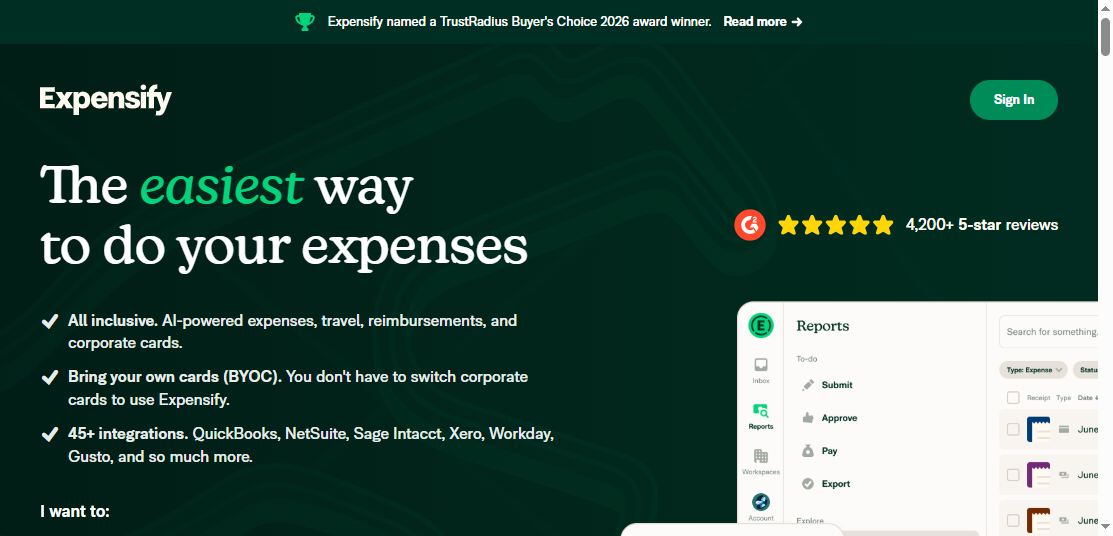
Expensify is usually best for fast-moving teams that want simple receipt capture and lightweight approval flows.
Its strongest appeal is employee usability. Taking a receipt photo, forwarding a receipt by email, categorizing transactions, and submitting reports is relatively easy for most users. It also supports common finance requirements such as reimbursements, mileage, policy checks, and integrations with popular accounting platforms.
Where teams should evaluate carefully is deeper enterprise complexity. If you need highly layered approval routing, more advanced governance, or enterprise-scale reporting control, you may find it better suited to simpler and mid-complexity environments than to the most demanding global programs.
Best fit: SMBs and growing mid-market teams Why buyers choose it: easy adoption, practical travel-and-expense basics, good accounting connectivity Potential trade-off: less ideal when policy structures and admin governance become highly complex
SAP Concur
SAP Concur is generally best for larger organizations needing policy depth, travel integration, and enterprise governance.
It is well known in enterprise expense management because it can support more formal controls, compliance needs, and broader travel-and-expense workflows. For organizations with strict approval structures, complex reimbursement policies, and global requirements, that depth can be valuable.
The trade-off is that it is often heavier to implement, train, and maintain. Buyers should factor in not just functionality, but also admin effort, rollout planning, and long-term support.
Best fit: mid-market and enterprise organizations Why buyers choose it: strong compliance support, configurability, travel integration, governance Potential trade-off: more involved deployment and ongoing administration
Ramp
Ramp is generally best for companies prioritizing corporate cards, proactive spend controls, and automation-first workflows.
Its strength is visibility into company spend as it happens. For teams trying to reduce reimbursement dependence and tighten card controls, Ramp can be very attractive. It tends to work well when the organization wants to push spend into controlled, real-time workflows rather than relying on employees to submit expenses after the fact.
Teams with heavy reimbursement needs should compare carefully. Card-first strength does not always mean the same depth in every reimbursement-heavy edge case.
Best fit: startups and mid-market companies with card-led spend programs Why buyers choose it: proactive controls, strong visibility, automation-first workflows Potential trade-off: reimbursement-heavy organizations should validate workflow depth
BILL and Zoho Expense
BILL works well for finance teams that want AP, payments, and expense workflows closer together.
This can be useful when the finance team is not just solving employee expense reporting but also trying to streamline broader back-office processes. The value often comes from operational consolidation rather than expense reporting alone.
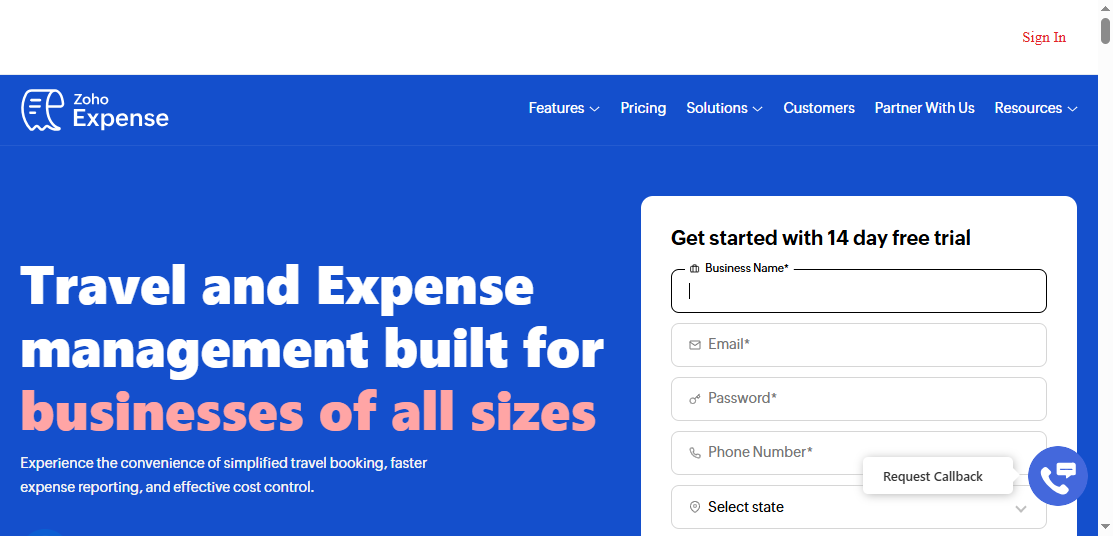
Zoho Expense appeals to cost-conscious teams seeking broad features, straightforward setup, and ecosystem value. It often enters the shortlist when buyers want a capable system without large implementation overhead or enterprise-style contract complexity.
BILL best fit: finance teams modernizing AP, payments, and expenses together Zoho Expense best fit: SMBs needing balanced features and cost efficiency Why buyers choose them: operational fit, value, practical automation Potential trade-off: buyers with advanced enterprise reporting or global complexity should test edge cases early
Ramp is often the strongest choice when the main priority is controlling company card spend in real time. It is well suited to businesses trying to minimize manual expense reporting and gain earlier visibility into spend behavior.
Best option for enterprise reporting and control
SAP Concur is often the better fit for organizations that need deeper governance, policy complexity, and formalized travel-and-expense controls. It tends to be chosen for scale and structure rather than simplicity.
Best option for simple employee expense submission
Expensify stands out when employee experience is a major concern. Teams that want staff to submit receipts quickly with minimal friction often find it compelling.
Best option for integrated payables and expense operations
BILL is often attractive for finance teams that want expenses linked more tightly to AP and payment workflows rather than managed in isolation.
Common limitations buyers should weigh
Hidden complexity in implementation, support, or customization
The most common buying mistake is focusing only on front-end usability. The harder questions are:
How many exception cases require manual handling?
How much help is needed from finance admins?
How difficult is policy maintenance after launch?
How much support is needed during month-end close?
Complexity can show up in enterprise tools, but it can also appear in lightweight systems when the organization outgrows them.
Pricing transparency, contract structure, and feature gating by plan
Pricing in expense reporting systems is rarely just a simple monthly fee. Buyers should clarify:
Which users are billable
Which integrations cost extra
Whether premium approvals or reporting features require higher tiers
Whether implementation or support is separately priced
Whether corporate card economics affect total value
Gaps in global reimbursements, travel management, or advanced analytics
If your organization operates across regions or needs close-ready reporting packs, validate those workflows with real examples before deciding.
Which solution is best for your business in 2026
Best choices by company size and use case
Early-stage and small businesses focused on ease of use
If speed, simplicity, and employee adoption are the main priorities, Expensify and Zoho Expense are often strong starting points. Ramp is also a compelling option if the company wants to build around controlled card spend early.
Mid-sized finance teams needing stronger reporting and approval structures
Mid-market teams should compare Expensify, Ramp, BILL, and SAP Concur based on spend mix. A reimbursement-heavy company may prioritize submission and approval depth, while a card-led company may get more value from proactive controls and real-time visibility.
Enterprises with strict compliance, multi-entity operations, or travel complexity
For large organizations with formal controls, SAP Concur is often the most natural shortlist candidate. The key is to balance its governance strengths against implementation effort and long-term admin overhead.
Final decision checklist
Before selecting an expense reporting system, use this practical checklist:
Match the platform to your spend mix: cards, reimbursements, AP, travel, or multi-country operations
Confirm must-have integrations with QuickBooks, Xero, NetSuite, Sage Intacct, or ERP tools
Test approval logic using real policies, not demo assumptions
Review reporting outputs for finance close, audits, and management review
Run a pilot using actual employee, manager, and accounting workflows
How to make expense reporting more useful for finance teams
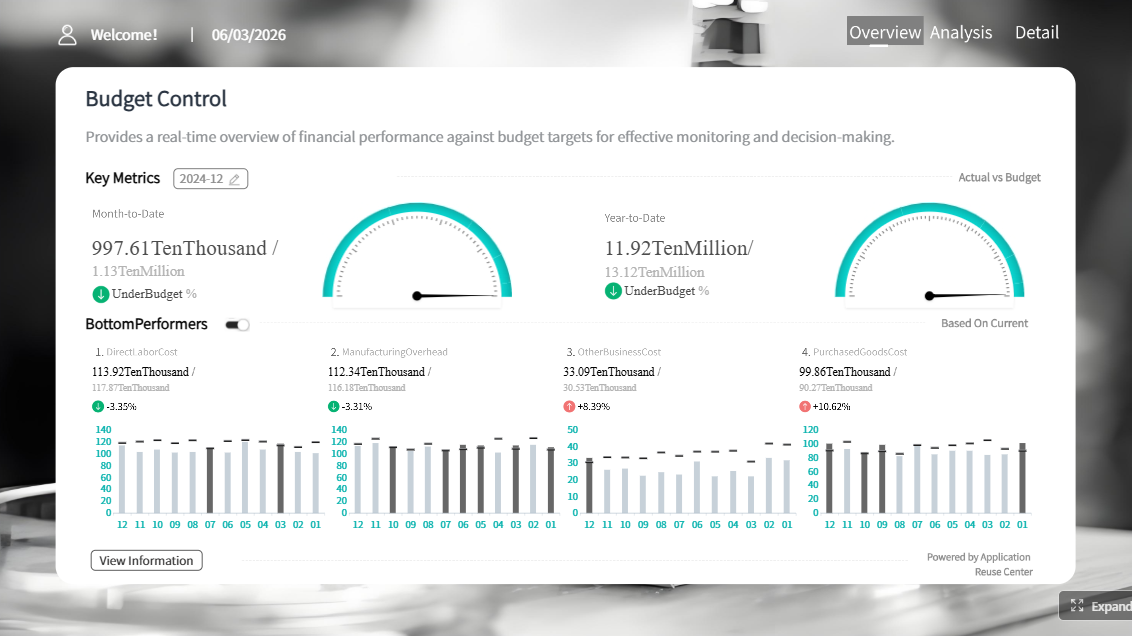
Choosing a platform is only part of the problem. Many finance leaders still struggle because expense data is trapped inside operational dashboards that do not fully support management reporting, exception analysis, or close-ready output.
Here are practical recommendations from a reporting and finance-process perspective:
Separate operational visibility from formal reporting needs.
Card dashboards are useful, but finance teams also need structured monthly reporting, audit trails, and executive summaries.
Standardize approval and policy logic before automation.
Software works best when your reimbursement and spend rules are already clear and consistently applied.
Evaluate exports and reporting outputs early.
Do not wait until month-end to discover that your platform dashboards cannot produce the report structure finance leadership expects.
Pilot with exception-heavy scenarios.
Test mileage, foreign currency, duplicate receipts, split coding, policy violations, and multi-approver routing.
Plan for cross-functional reporting.
Expense data often needs to feed finance, department heads, operations leaders, and auditors in different formats.
When reporting requirements go beyond expense app dashboards
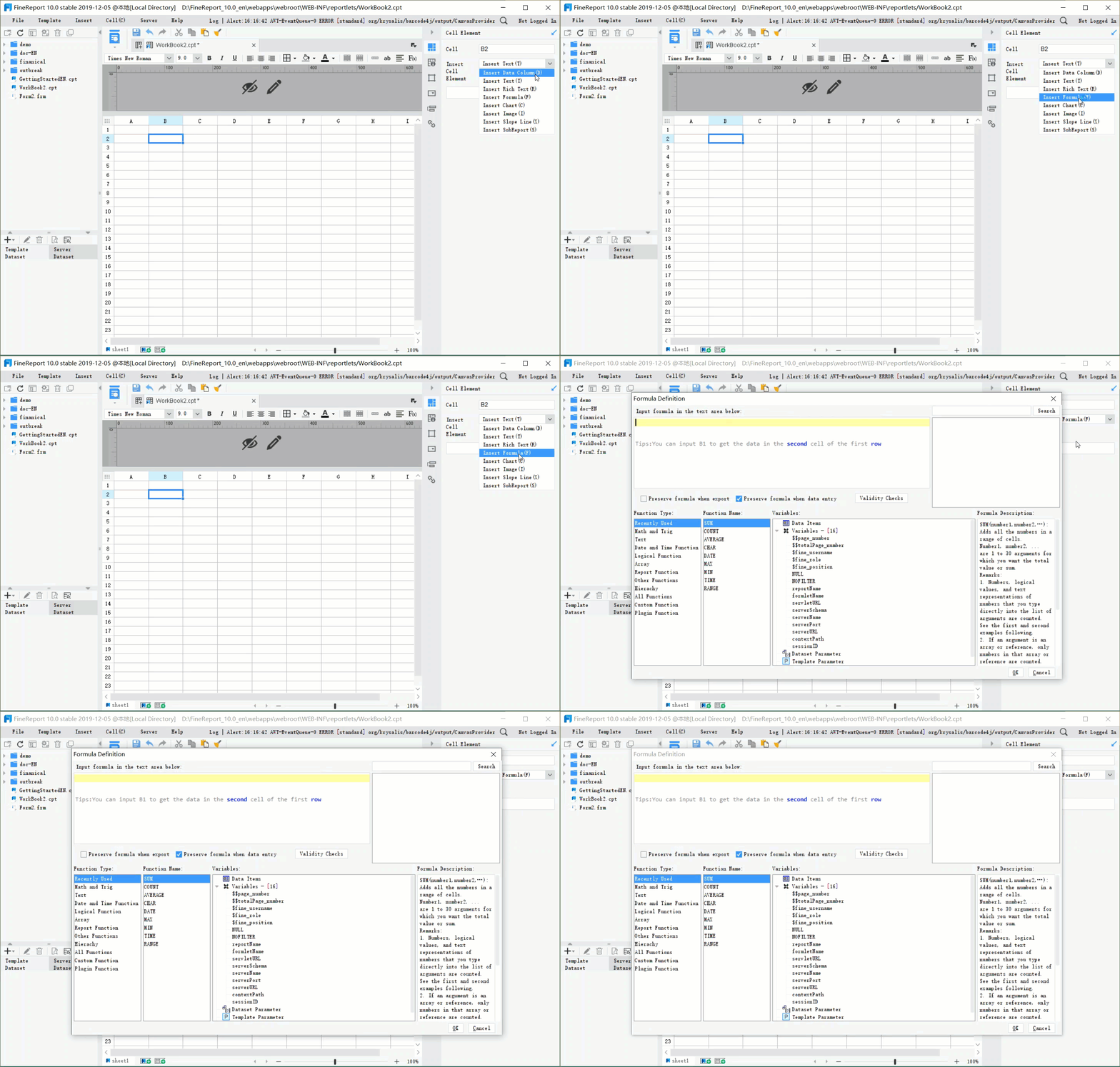
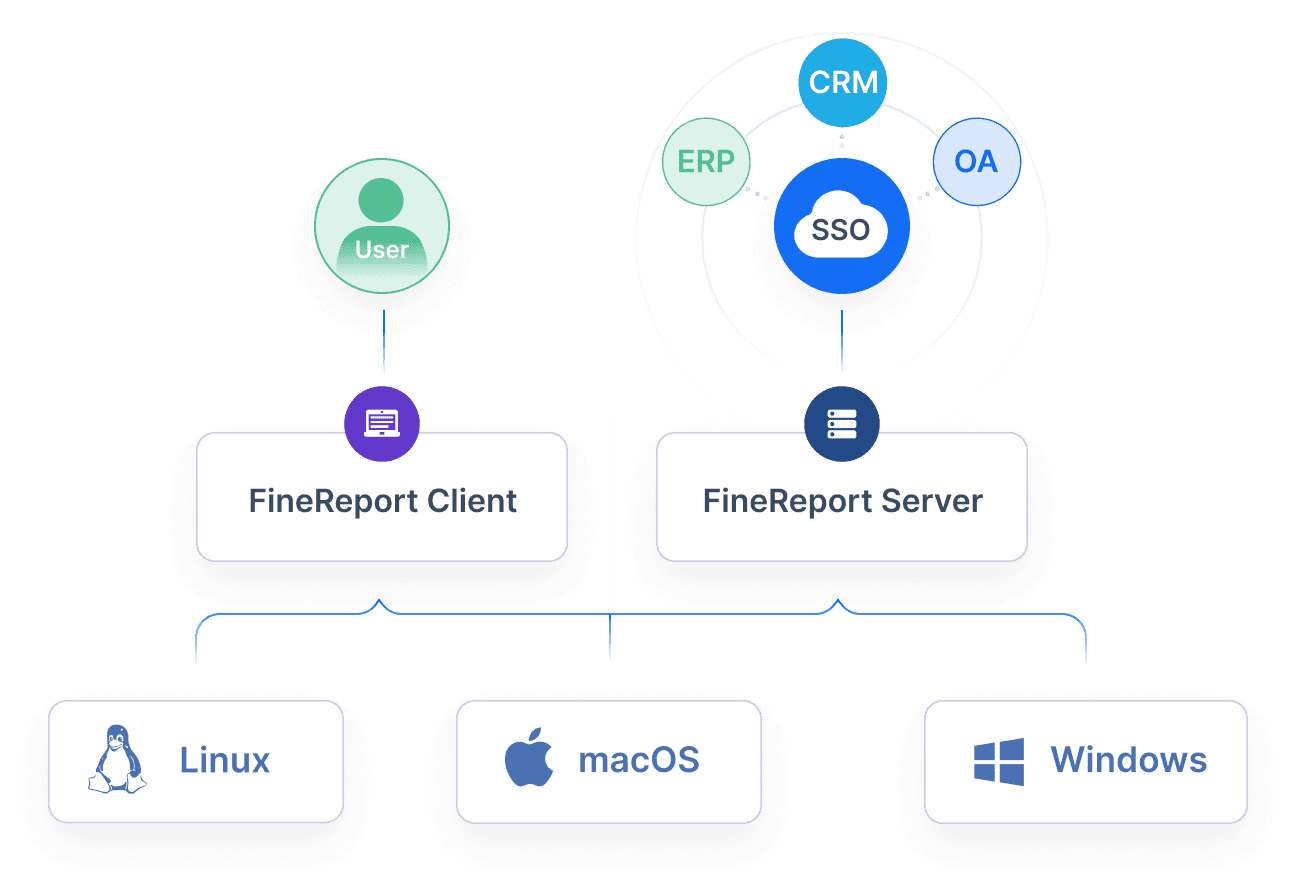
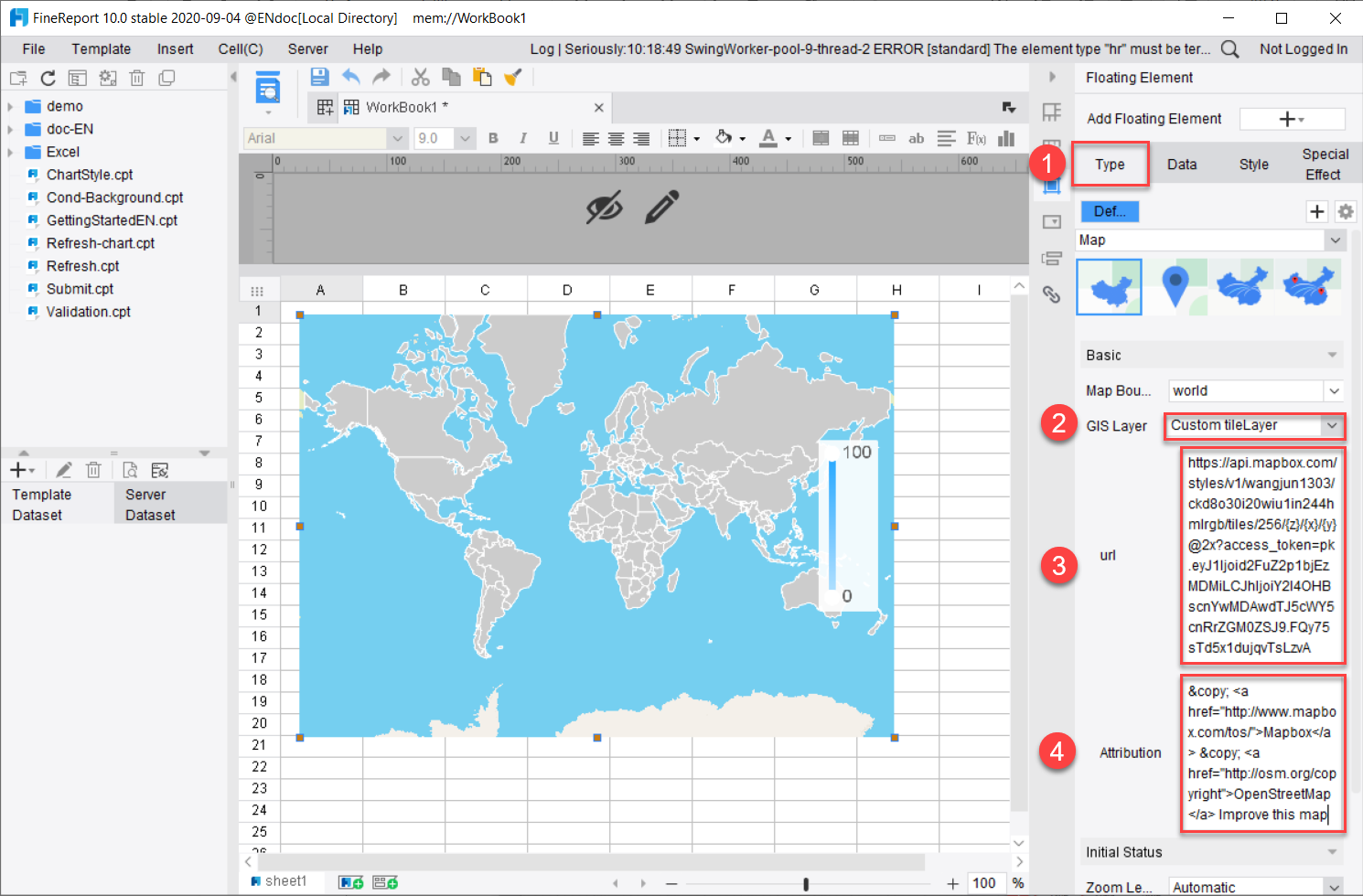
Tools like Expensify, SAP Concur, Ramp, BILL, and Zoho Expense are widely used to manage expense workflows, approvals, and spend visibility. But teams with more complex reporting needs may also need a dedicated enterprise reporting platform like FineReport.
This matters when your organization needs to do more than review expenses in a standard dashboard. For example:
Support parameter queries by entity, department, project, or period
Schedule reports for automatic distribution
Combine dashboard views with detailed tabular reporting
Support data entry and workflow-style forms in broader finance processes
Standardize reporting governance across departments
FineReport is not an expense management system itself. Instead, it can be relevant for organizations that want to improve how expense, reimbursement, AP, and financial data are presented, distributed, and governed across the business.
For finance teams working across multiple systems, that reporting layer can be important. Operational tools tell you what happened. Structured reporting helps leadership review performance, exceptions, trends, and controls in a format they can act on.
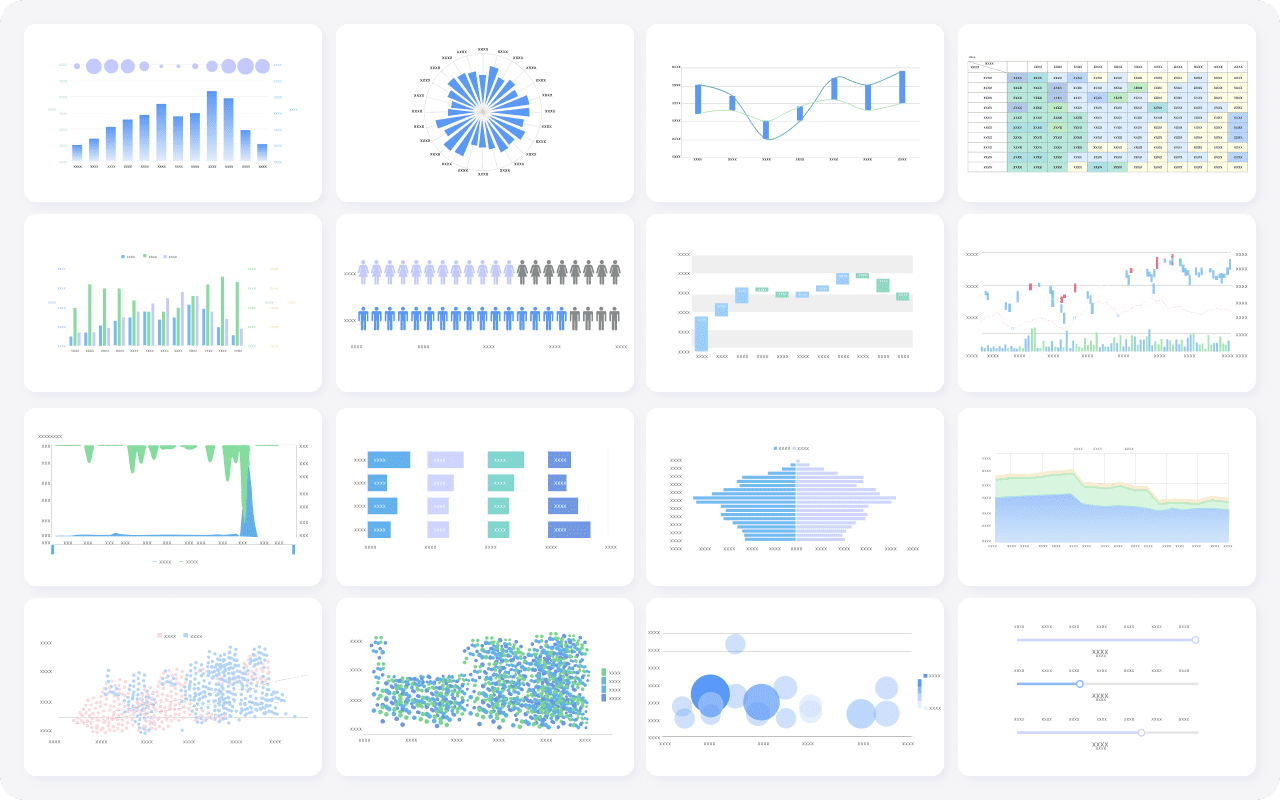
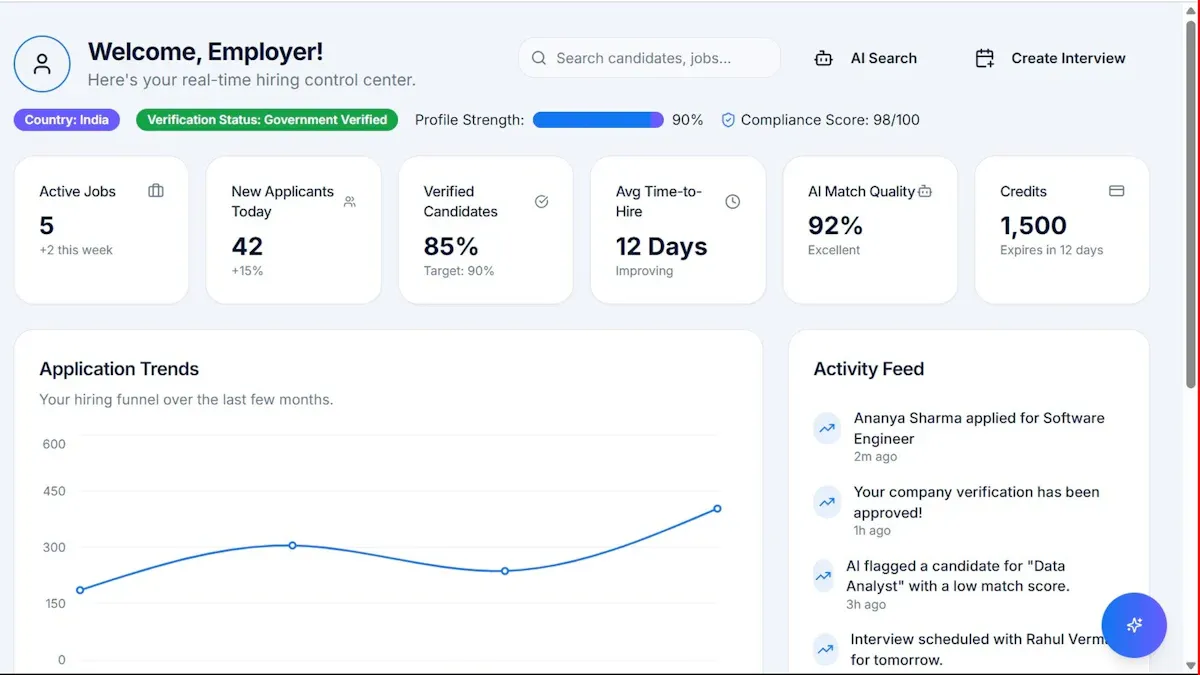
Get Ready-to-Use Dashboard and Report Templates in Fine Gallery
If your finance team needs recurring management packs, printable expense summaries, or a governed reporting layer across expense and accounting systems, FineReport is worth evaluating alongside your expense platform strategy.
The best expense reporting system in 2026 depends less on market buzz and more on your spend model.
Choose Expensify if ease of submission and quick adoption matter most.
Choose SAP Concur if enterprise controls, travel integration, and policy complexity are central.
Choose Ramp if your strategy is card-first spend control and proactive visibility.
Choose BILL if expenses need to sit closer to AP and payment workflows.
Choose Zoho Expense if you want broad functionality with cost-conscious deployment.
And if your challenge extends beyond workflow automation into structured finance reporting, executive reporting packs, or enterprise-grade report distribution, pairing your expense stack with a reporting platform like FineReport can help close that gap.
FAQs
For many small businesses, the best choice depends on whether you value simplicity, low cost, or stronger spend controls. Expensify and Zoho Expense are often easier for SMBs, while Ramp can be a better fit for teams that want card-led control.
Expensify is generally easier to roll out and use for straightforward reimbursement and receipt capture workflows. SAP Concur is typically better for larger organizations that need deeper policy configuration, travel integration, and more complex approvals.
Ramp works well for companies that want to push spending onto corporate cards and control spend before it happens. If your business still relies heavily on out-of-pocket expenses, you should evaluate its reimbursement workflow carefully against more reimbursement-focused tools.
The most important factors are approval workflow flexibility, policy enforcement, reimbursement handling, accounting or ERP sync, and reporting visibility. You should also check how much manual work remains for finance after employees submit expenses.
Yes, most leading platforms connect with common accounting tools and some support broader ERP environments as well. Integration quality matters because it affects GL coding, reconciliation speed, and how much work finance teams save at month-end.
Product Trial
FineReport
Pixel-perfect reports · Interactive dashboards · Easy data entry · Digital twins


 Expensify is usually best for fast-moving teams that want simple receipt capture and lightweight approval flows.
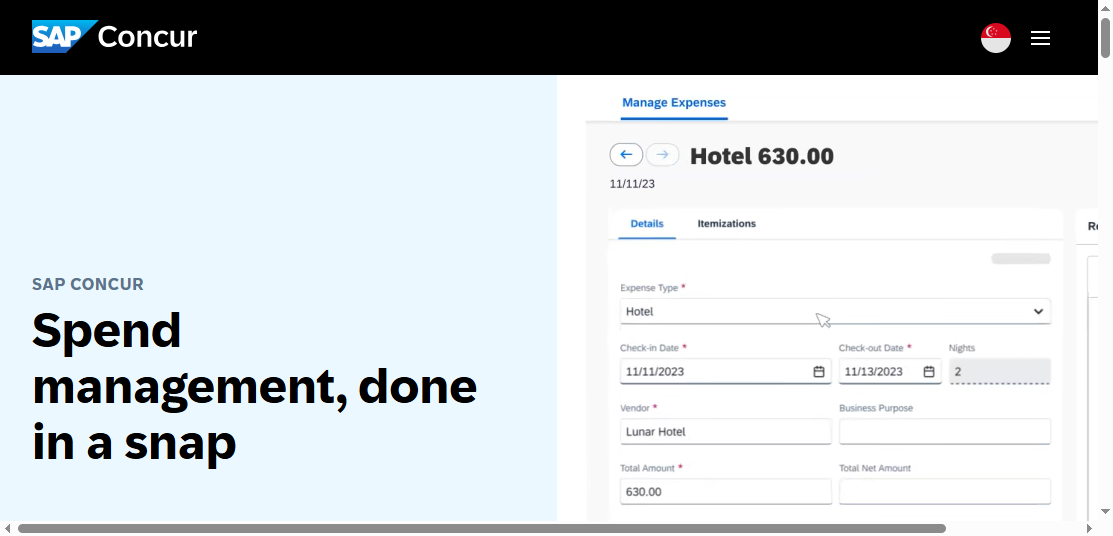 SAP Concur is generally best for larger organizations needing policy depth, travel integration, and enterprise governance.
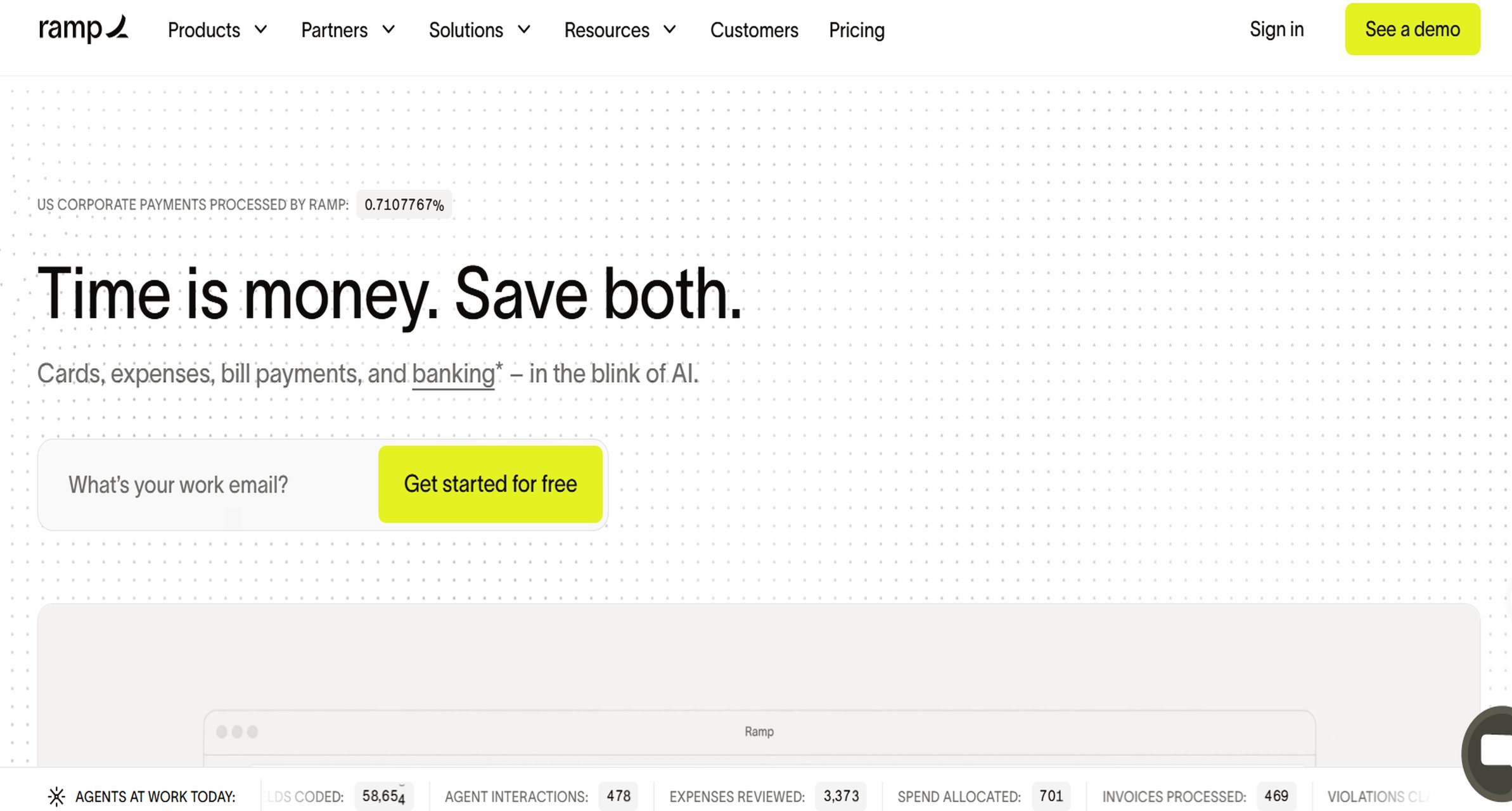 Ramp is generally best for companies prioritizing corporate cards, proactive spend controls, and automation-first workflows.
 BILL works well for finance teams that want AP, payments, and expense workflows closer together.